Spotlight on Goodwork
Disclaimer: Although I am always working toward it, I am currently a professional in nothing and an amateur in many things. At the end of the day, I am simply someone who likes to write and to garden. Always do your own research or seek out guidance from professionals doing goodwork in their field.
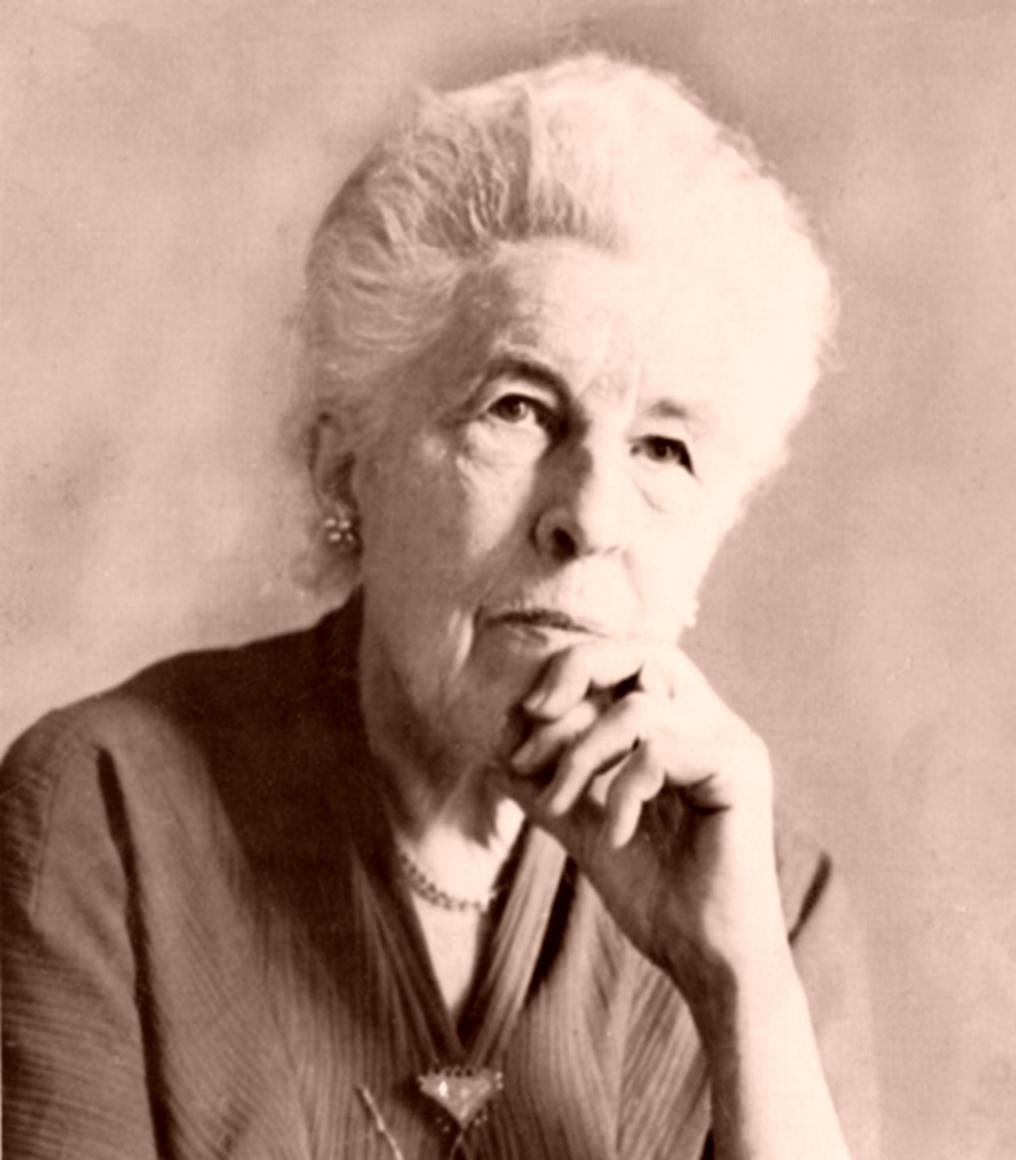
Ruth Stout is famous in the world of gardening for her “No-Work” methods, explained in delightful prose in several of her books. Her gardening titles include “How to have a green thumb without an aching back”, and “Gardening without work”. Her character and her simple approach to daily living comes out clearly in her writing and she makes no effort to add unnecessary frills or digressions with her ideas. In her writing, just as in her gardening, Ruth was straightforward, no-nonsense, and a little playful with her dry sense of humor.
One of the things I appreciate most about Ruth Stout is her interesting and roundabout path through life. She is not one of those individuals you might see in popular biopics today who find an obsession early on and dedicate their entire lives to it. Instead, she spent a large portion of her life doing all sorts of odd jobs before even finding gardening for the first time. It took her even longer to start writing about it. Her list of professions included “a baby nurse, a bookkeeper, a secretary, a business manager, and a factory worker.” She even owned a tea-shop at one point and at another time worked for a fake mind-reading act. This is the kind of work history that transcends all résumé workshops or neatly labeled boxes. It is real and intricate and tells a story of a varied and interesting past.
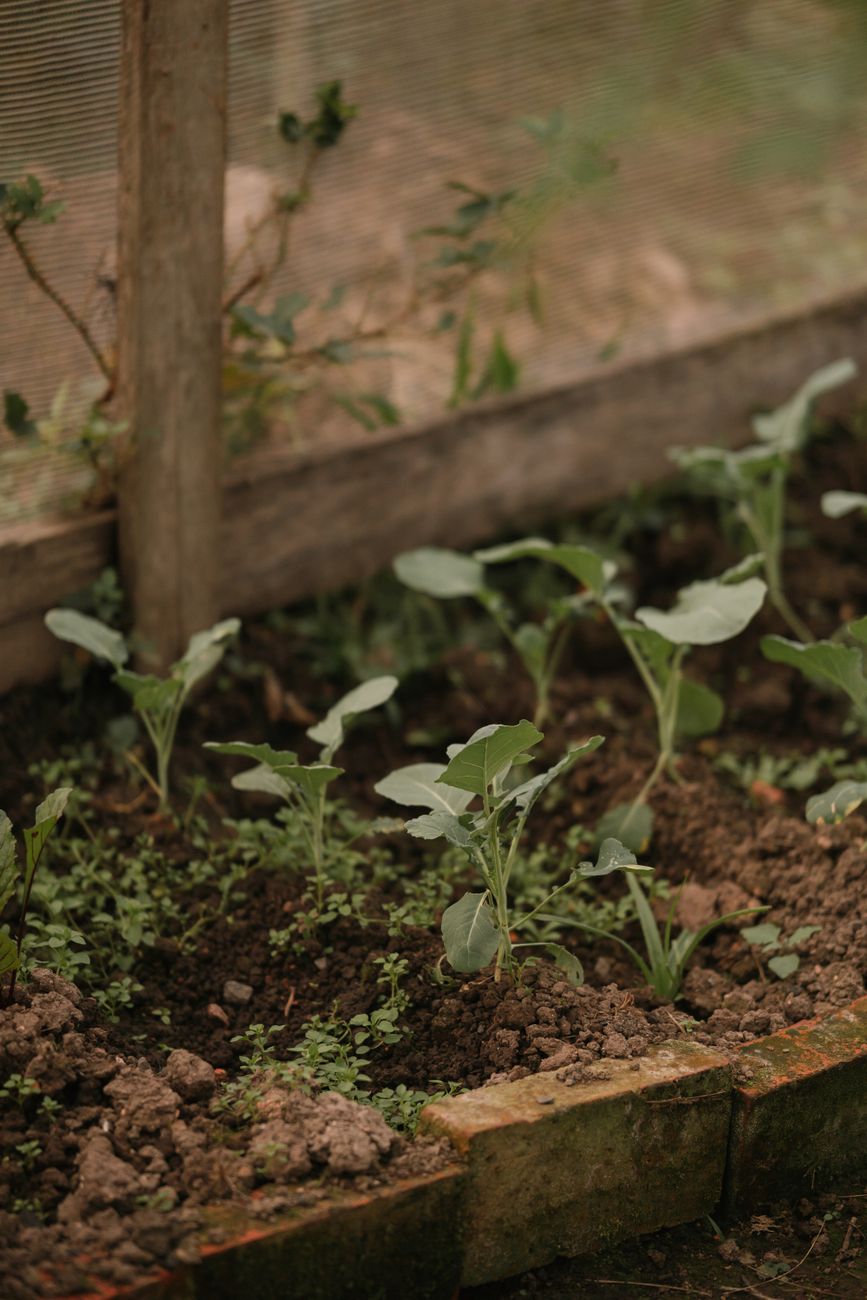
She started gardening at the age of 45, using conventional methods that included plowing and fertilizing. Frustrated by the timelines and labor of traditional methods, Stout decided to forego the plowing, the fertilizing, and the application of “poison sprays” for pests and instead decided to sow her seeds in the soil as it was, covering the garden in a layer of deep mulch. This was the beginning of what would become the “Stout System” and would be the topic of her most popular books.
Stout continued to write and garden in this way, leaving ample free time to other pursuits and interests with all the time and work she managed to cut out of her gardening. She makes claims in an interview of never having to “plow or spade or cultivate or weed or hoe or use fertilizer or use a poison spray or a compost pile or water.” If that isn’t compelling enough, she also bragged that she hadn’t stepped foot in a supermarket in years and supplied all the fresh produce she and her husband needed for the entire year, freezing any surplus. All of this work, according to Ruth, was done after a leisurely breakfast and before 11 o’clock.
Stout is an enduring example of an individual who has found the ‘golden mean’ of work, leisure, simplicity, and enjoyment. In a way, she seems to embody both the Stoic ideal of never letting anything bother her and the Epicurean ideal of cultivating joy and pleasures, in her own and others’ lives. She passed at the age of 96, in the year 1980.

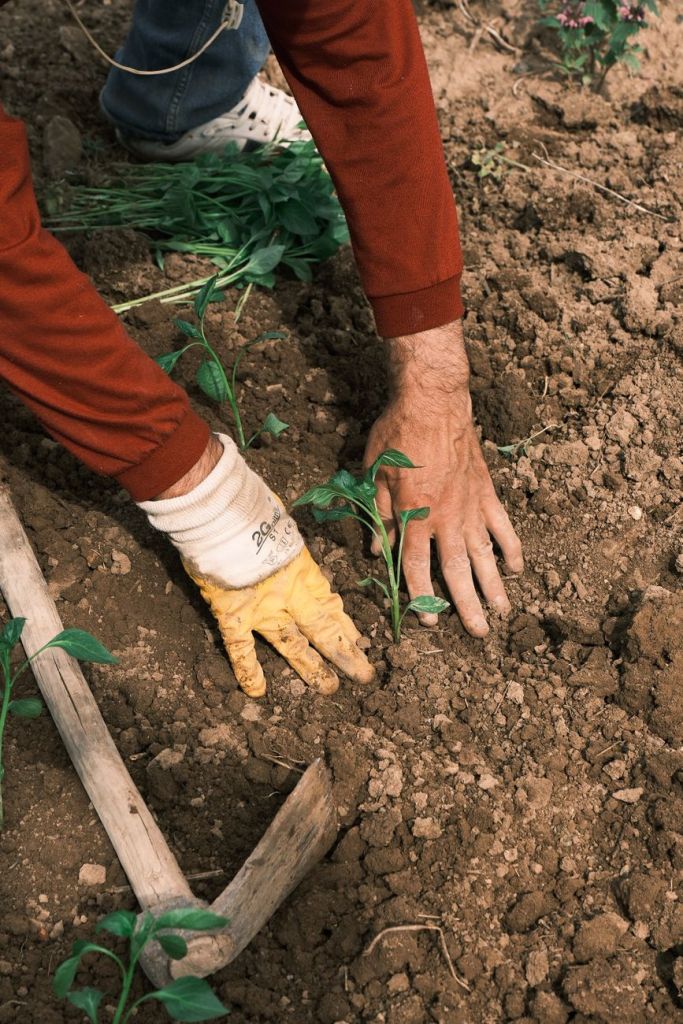


I write about her here as an inspiration for my own approach to work, longevity, and a spirited approach to life’s difficulties. She is not only inspiring in a gardening capacity but is an example of the type of character we could cultivate. She liked to end her declarations with the phrase ‘why not?’ which seems to summarize her attitude in her laconic way. In her older years, her back was bent as she did her work in the garden. She was witness to many difficult times, as we all are at some point in our lives, and yet she still kept that same wry humor and unbothered outlook about her. She reminds me of someone I would be related to – perhaps because she is from Kansas, as my mother’s family was. An old prairie personality, filled with life’s wisdom and the grit of independence and simplicity.
Stout immediately reminds me of Masanobu Fukuoka, a farmer I’ve written about on this page before. He also preached a simplistic approach to agriculture and ruthlessly did away with any conventional method that involved complication of the basic process of growing food. Fukuoka’s approach is geared toward larger-scale farming while Stout’s main work is in gardening – her own plot being 45’x50’ – but the ideas are the same. They both look at the process at hand and ask themselves, “What can I get rid of, how can I make this easier and more simplistic?”
Fukuoka’s approach is labeled as “Do-Nothing” farming while Stout’s is labeled “No-Work”. Naturally, you can see them as approaching things in the same spirit. Oddly enough, this does not mean lazy indifference or wasted time, for either Stout or Fukuoka. Both of them stayed busy while reducing their workload, focusing more energy on their creative outlets, community connections, housekeeping, and personal projects. Do-Nothing and No-Work, then, seem to be misnomers or are at the very least misleading. Both are, at their centers, methods of reducing unnecessary tasks and difficult work in order to get more enjoyment out of work and to have more time for things that are important. Fukuoka also lived into his nineties, passing at 95. There’s something to this lifestyle, I’m tellin’ ya! (To learn more about Masanobu, click this link https://goodworkalmanac.com/2026/04/13/masanobu-fukuoka/)
Stout’s own approach to work was constantly put to this analysis – if the end goal is not worthwhile and the task itself can be gotten rid of with no harm, then the benefit to the individual is whatever they can do with this newly freed up time. In economics this can be called opportunity cost. Stout’s cost/benefit analysis comes from the observation that things are often made more complicated and arduous than they need to be, without that much increased benefit to show for it. This does not always come down to dollars and cents calculations but can also be calculated through the lens of time and effort. Because time and effort are not immediately coming out of one’s bank account, it is sometimes easy to write them off as having little value. In her own words, “people often go ahead and do these things without thinking.”
This brings us to another aspect of Stout’s outlook on life we could all stand to cultivate. She did not have much unquestioned respect for living life by the standards of other people. She made a point to say that we should not order our lives (or our gardens) by the standards of other people. Being this humble, she was even surprised when people followed her advice without much forethought. She made sure to add the disclaimer to her works that these are the things which have worked for her and that each person should try to figure things out as suits them. In her book, “Gardening Without Work”, she wonders why people would want to impose a bunch of rules on others, and she expresses that, not understanding this approach, she would never accept the standards of another person without first rigorously questioning them. I think this is wisdom to take with us into all aspects of our lives.
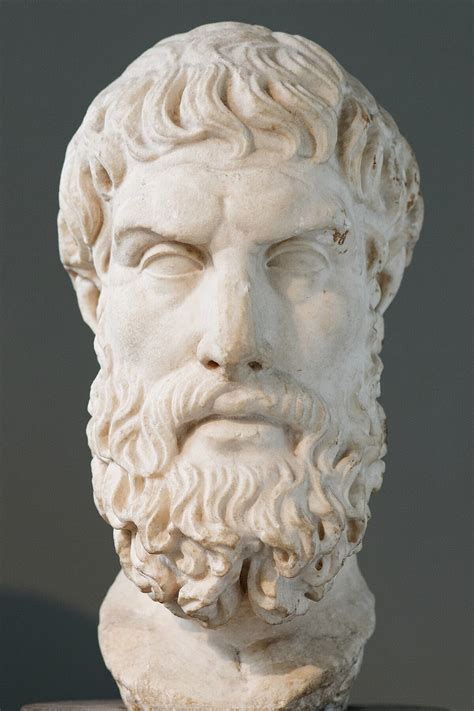
What I mean when I mention the Epicurean and Stoic ideals – in modern discourse, the term ‘Epicurean’ is sometimes thrown around as meaning a desperate consumption of temporary pleasures. Epicureanism was, in actuality, a system of ideas aimed at the cultivation of simple joys and pleasures with the ultimate goals of ataraxia (tranquility) and aponia (absence of discomfort or pain). Stoicism is also mislabeled, at times, as being cold, repressed, or completely detached from emotion. In reality, Stoicism was the practice of cultivating virtue and resilience in spite of the vacillations and uncertainties of people and of life in general.
Ruth Stout fits perfectly in both camps, if you ask me, and demonstrates an idea that these are not disparate or antagonistic philosophies but are two sides of the same coin of experience, of what it means to be human. Ruth makes a point to say that she has always had the ‘useful’ thought come to her first, before the harmful one. This has made her especially resilient in dealing with life’s difficulties. And in her daily life, she often had a small drink of wine or gardened in the nude, indulged in her leisurely breakfasts and cut out needless complexity if it got in the way of enjoying herself.
As for her gardening methods, I have always been a proponent of deep mulch to reduce the need for weeding and watering. When I come up against a task in my work and in my gardening, I wonder if it can’t be dispensed with – not as a means of shirking the work that needs to be done but as a journey toward the mastery of simplicity. I do not weed or hoe or fertilize if I can help it, and I definitely do not use pesticides as they can interrupt or negatively impact beneficial insect life. I follow what methods and pointers I can from her system and adjust things otherwise as they need to be. Ruth Stout’s practical wisdom, even if it is not perfectly replicated, can follow you into every area of your life and infect you with her spirit of joy and tenacity.
I would encourage everyone to watch her interview which I can link here, as well as read any of her books. They are as entertaining as they are informative.
Thanks for reading!


Leave a Reply