Tag: natural gardening

  • Replacing your lawn

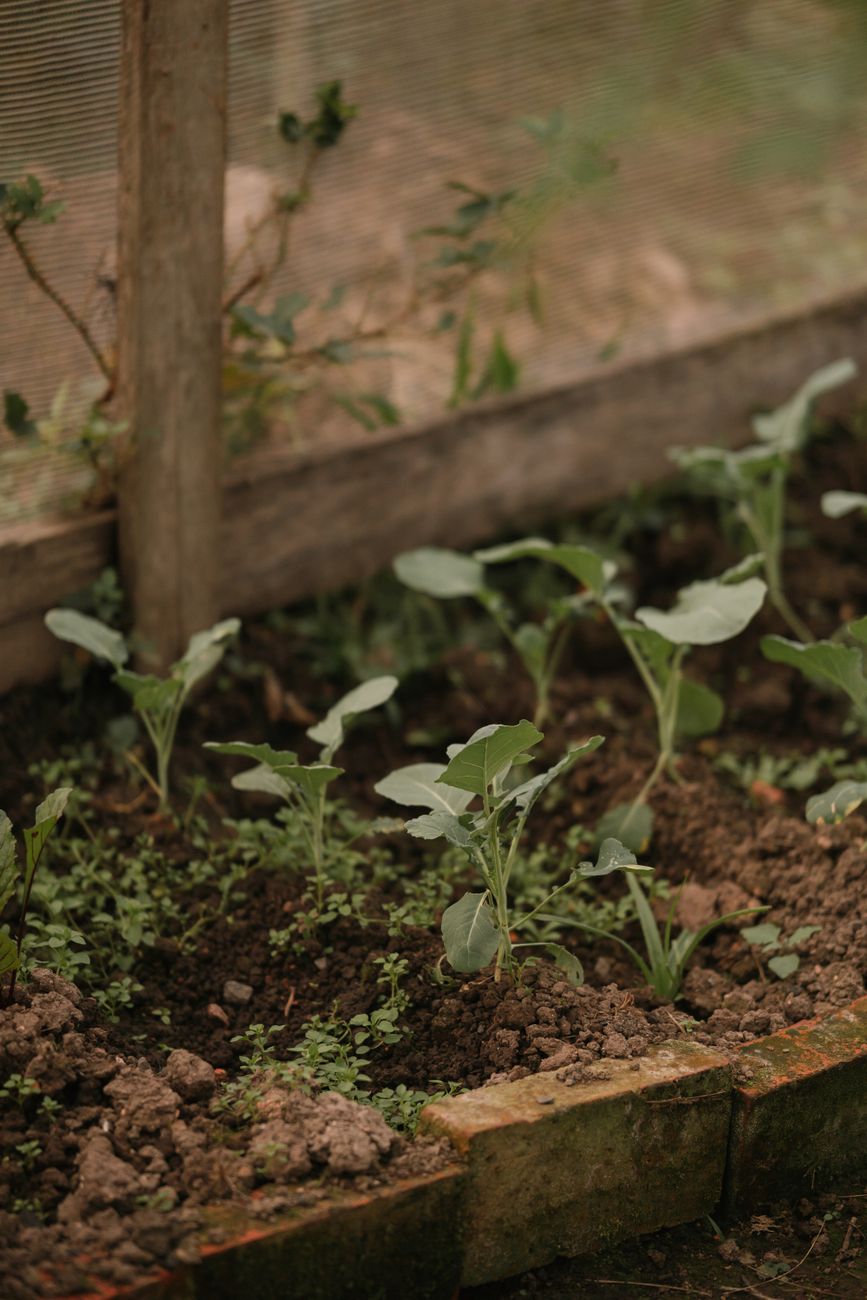
    Photo by Shazard R. on Pexels.com

    I cannot think of a more tedious and wasteful chore than the upkeep of the typical lawn. Personally, I have always detested the work required to maintain a lawn and have somehow been roped into caring for one in some form or another since I was a kid. Pushing a lawnmower around in the summer heat, watering on a schedule, fertilizing, weeding, troubleshooting dead or dying grass with any number of issues. And for what? The fruit tree bears fruit and the lawn gives us work, that is all it does.

    While this is meant as a how-to, I have inadvertently begun this article as a why-to. For me and for many others, there are ample reasons to get rid of a part of (or the entirety of) your lawn. 65% of homeowners now prefer a lower maintenance yard. And there are promising trends in the percentage of people investing in sustainable or edible gardens, pollinator gardens, as well as drought-tolerant plants and landscape designs.

    There are some other promising and useful statistics out there as to the incentives to replacing a lawn. Sufficient landscaping can reduce the heat of an area anywhere from 5-10 degrees. Native plants use 50-75% less water than turfgrass, landscaping mulch can prevent erosion, and xeriscaping saves 50-70% on water bills. Native landscaping cuts pesticide use by 80%. Bird-friendly landscaping can increase bird populations 40%.

    There’s a lot there to unpack, and some incentive for just about anybody. Lawns can cost some real dough – the average family spends about $500 per year on landscaping services but that does not factor in time and energy spent by the average American taking care of their own lawn or yard, not to mention the amount of money spent on water, tools, and materials if one would do this work themselves. Switching to a lower maintenance yard can save money, and that money saved year after year after year is going to mean the kind of green you can really get enthusiastic about!

    If you are interested in being a part of the natural landscape and being involved in the wildlife of your area, then you’ve got all the motive in the world! Helping bugs and birds thrive, making your yard more habitable to everything (including YOU), and being able to enjoy the beauty of a cultivated but wild landscape that bursts with color and life. Sounds like a dream!

    Elements to include when replacing your lawn

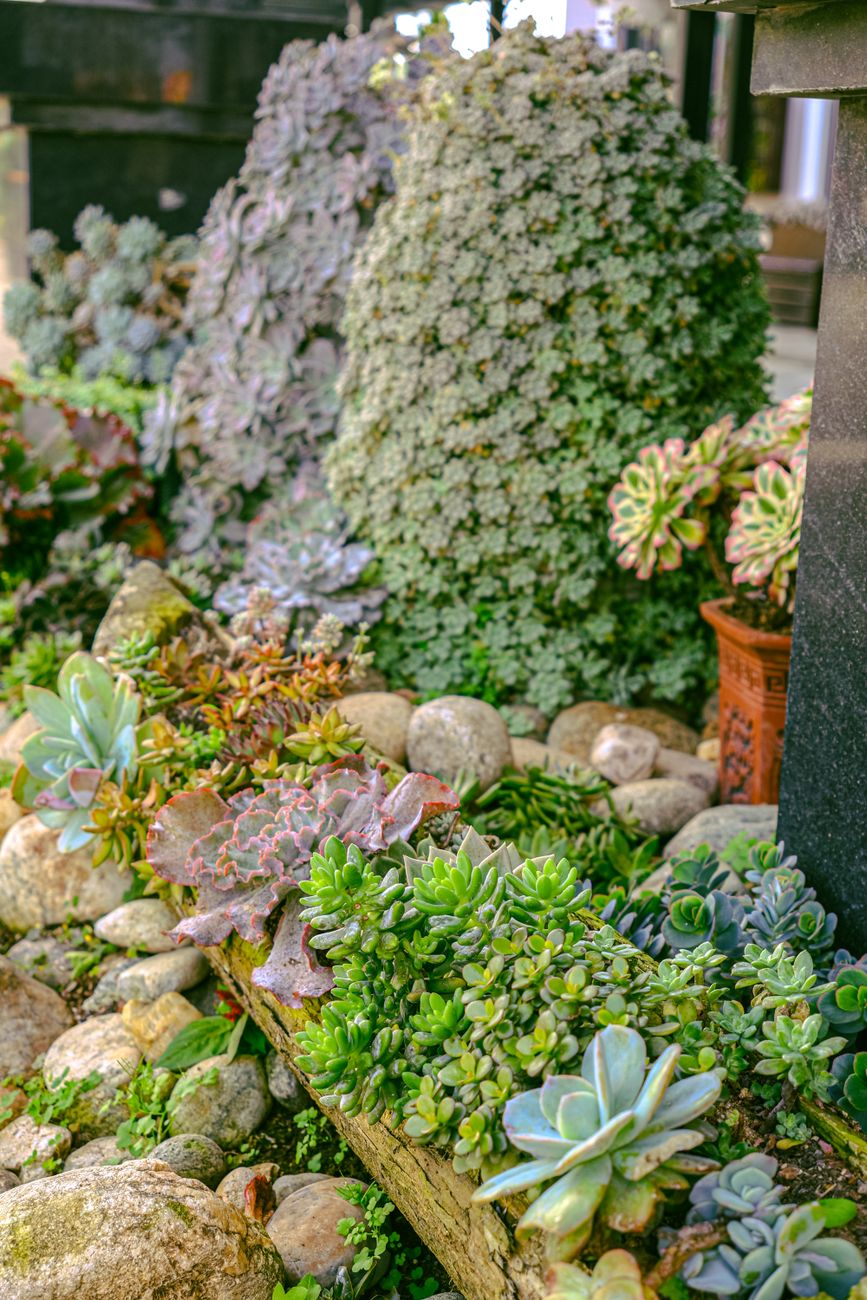
    Flat and green. Low-maintenance ground covers can be drought-tolerant, foot traffic tolerant, require little mowing or none at all, and can still provide the blank canvas for activity that a lawn is typically sought out for. Families with children who want a large, open area to play in seem to gravitate toward flat groundcovers that still look healthy and feel comfortable on the bare foot, should the need arise.

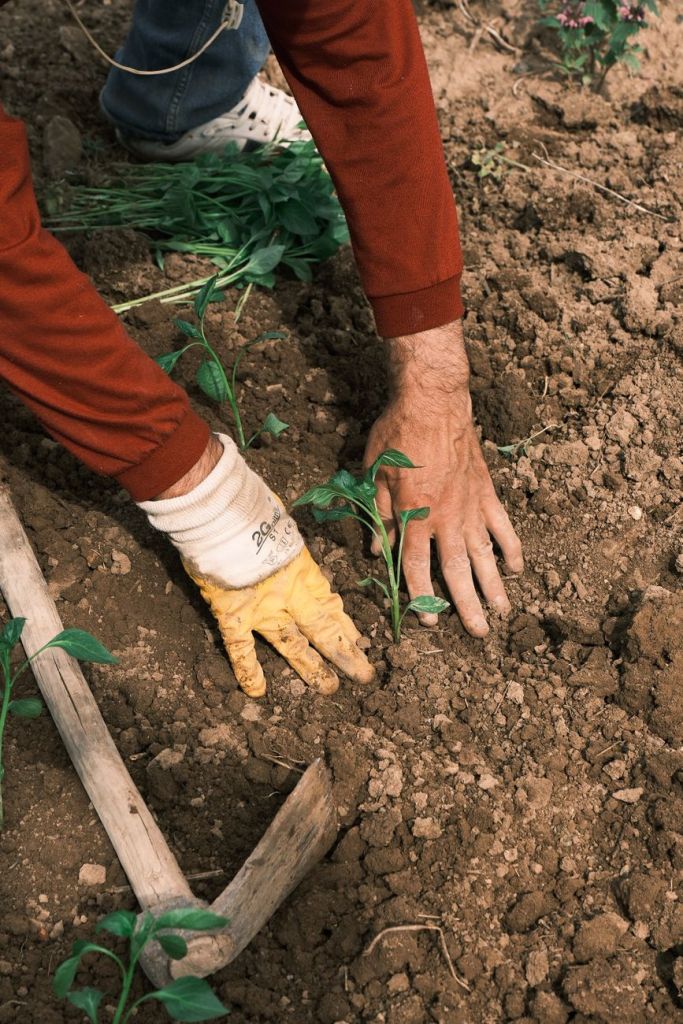
    Photo by Ted GoldBerg on Pexels.com

    For low maintenance groundcovers, I would recommend the gardener to look into blue star creeper, Corsican mint, veronica, clover, or creeping thyme. These grow very low to the ground and require little to no maintenance, can be tolerant to foot traffic, and even have little blossoms that can be a pretty addition to a lawn which grasses do not provide. Preferences will decide which would be most suitable to your landscape and climate, as well as your personal taste in aesthetic. Mixing and matching could create a neat patchwork of different smells, textures, and appearances that would make your lawn even more interesting.

    Rocks. I think the strategic use of rocks in landscaping can add interesting texture and naturalistic aesthetics to the yard. But when they are used incorrectly, they can add a lot of headache and extra work. I have seen people spread rocks over the entire surface of their yard, acting as a mulch. The issue with this is that rocks make reworking the landscape much more difficult. If you need to access irrigation or replace older plants, you are in for quite the chore moving layers of rock whereas a true mulch is lightweight and easy to work with.

    Photo by Haneul Trac on Pexels.com

    Another issue with rock as a mulch is that it absorbs heat, often making your yard or garden noticeably hotter and more uncomfortable during the afternoon or early evening hours, when you are most likely to be in your yard or garden. Many people think that putting down weed barrier or landscaping cloth then covering it with rock will be a great way to prevent weeds and reduce their need to water. While this certainly does reduce the need to water, weed seeds will still accumulate in the nooks and crannies between rocks and will sprout on top of the weed barrier and grow well with relatively little material for their roots to grow in – I mean, these are weeds, there’s a reason they are hard to get rid of: they grow really well in just about anything! Then you will be forced to kneel down in the rock mulch (ouch) while it radiates its heat (oof) as you pick through layer after layer of rock to pull the weeds out (yikes).

    If your goal is to reduce weeds and watering, I would recommend filling your landscape with native plants and a deep mulch of some lightweight material. The native plants will not require much watering, if chosen for your climate, and the deep mulch will retain more moisture and reduce weeds while feeding the soil as it degrades.

    As for the proper use for rocks, I would recommend using them sparingly to outline beds, separate different slopes to prevent erosion, or to accent natural features. When used with the other elements listed here, they can provide a lot of different benefits to a varied and interesting garden.

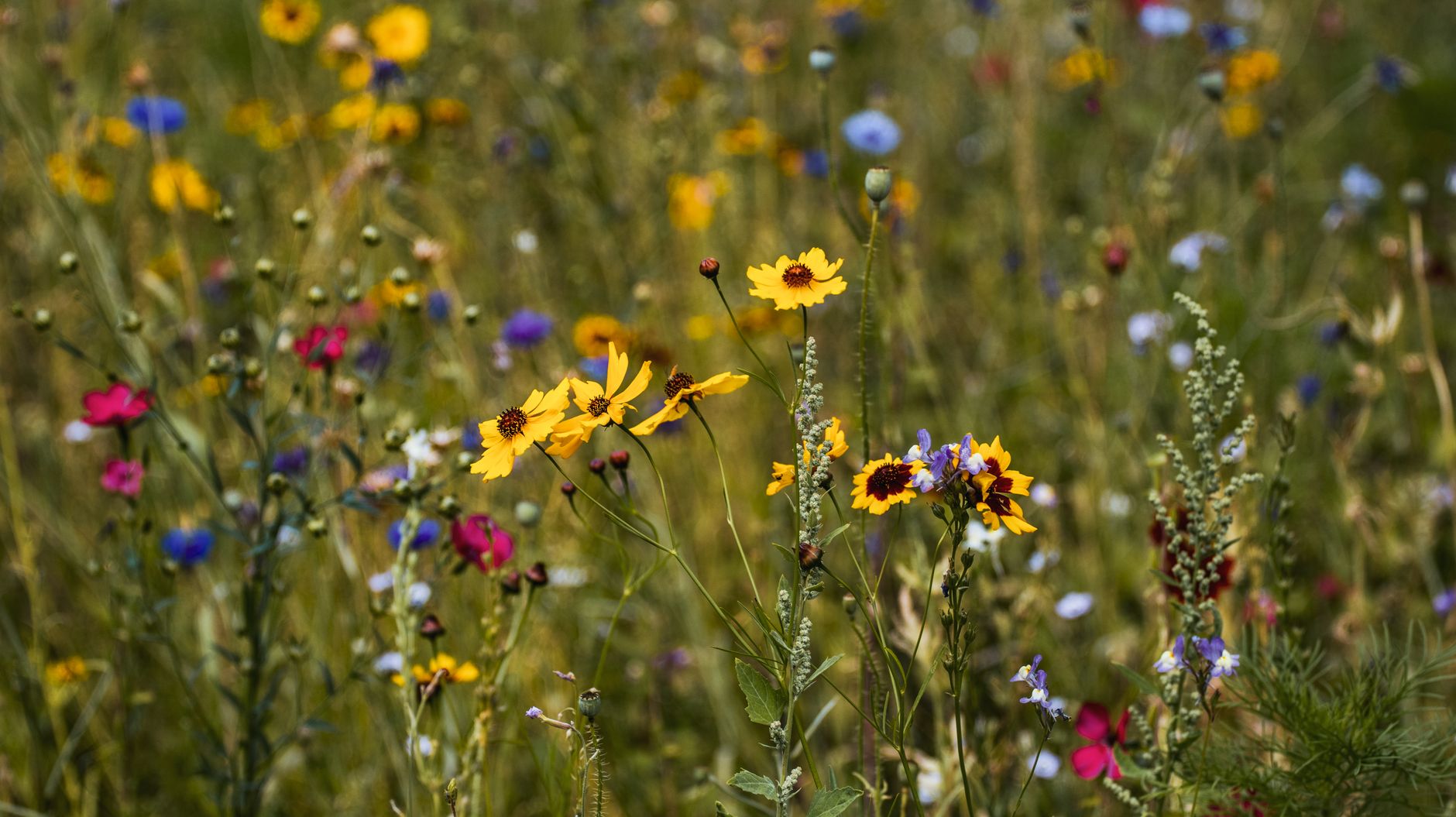
    Native plants. Obviously, this was going to be mentioned several times in this post. The interest in lower maintenance or sustainable gardening is on the rise and native plants are the mainstay of these new gardens. They are naturally adapted to your environment and so require the conditions that are readily available in your area – they do not need extra care or extra labor to thrive. There are so many different types to choose from that the combinations are nearly endless. Flowering perennials are my favorite, as I love to watch them return in the spring to signal the end of another long winter, and then to follow their progress through the season. I love to see them grow tall, flower, attract insects and birds, and finally to fade and decorate the landscape once more in the fall. But you can also spread seeds of annuals in the spring and watch them burst into life.

    Photo by Aliaksei Semirski on Pexels.com

    You can grow just for greenery. You can choose your plants so that something is always in bloom throughout the year. You can attract specific types of wildlife if you do a little research to see what they like to eat or where they like to make their homes. Something will always grow in the garden, whether weed or flower, why not choose what grows and make it something useful, productive, and beautiful?

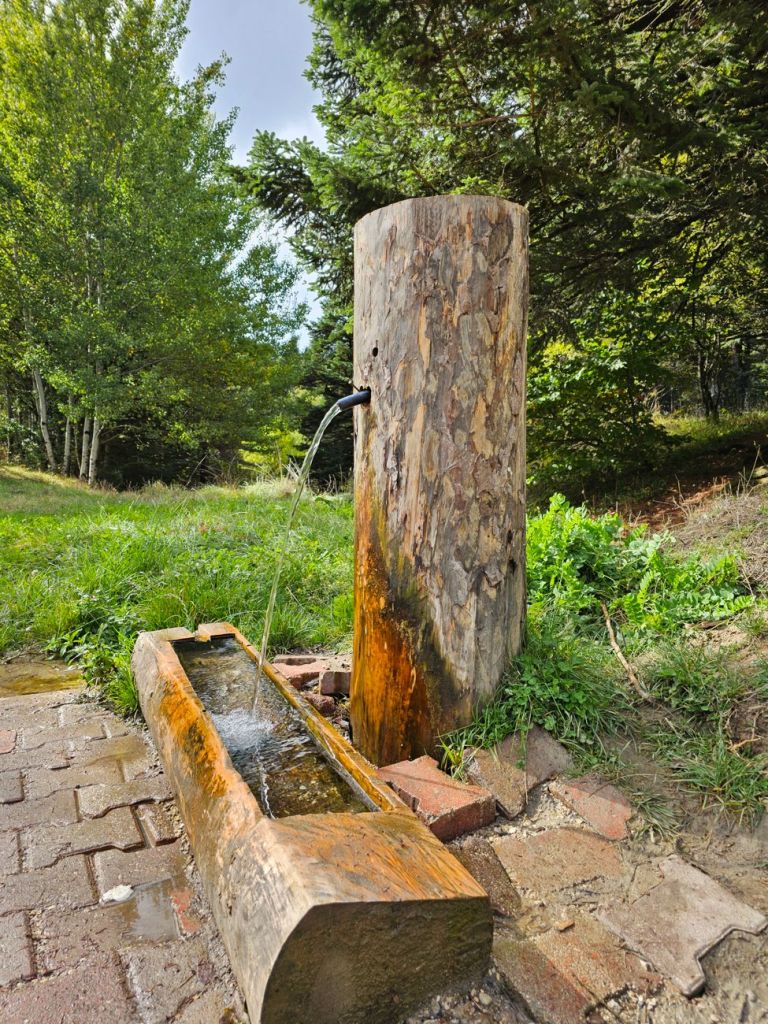
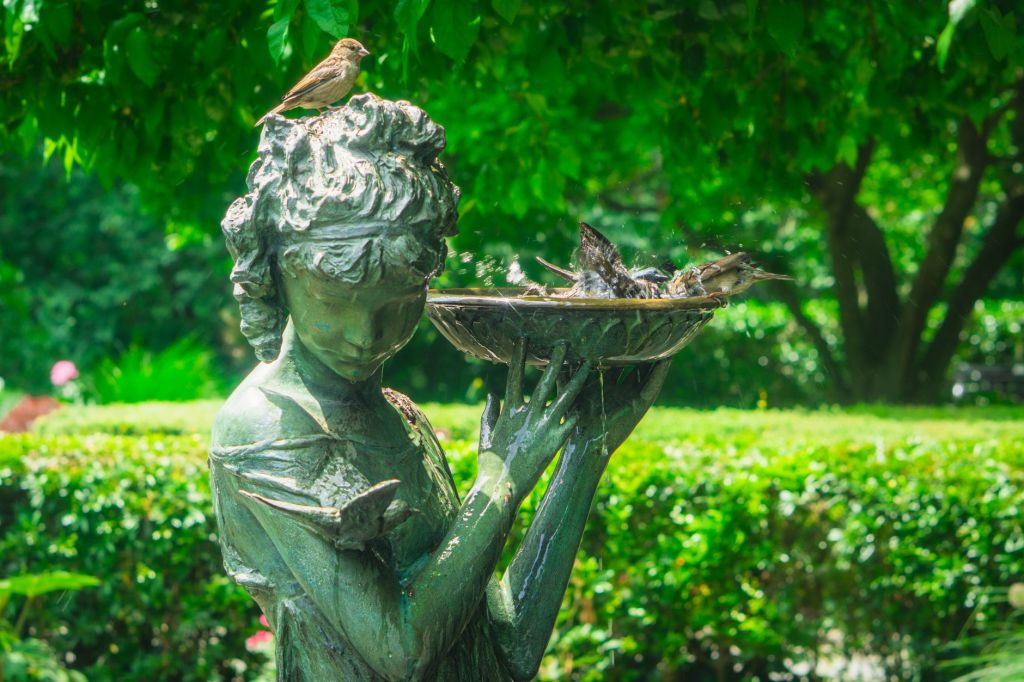
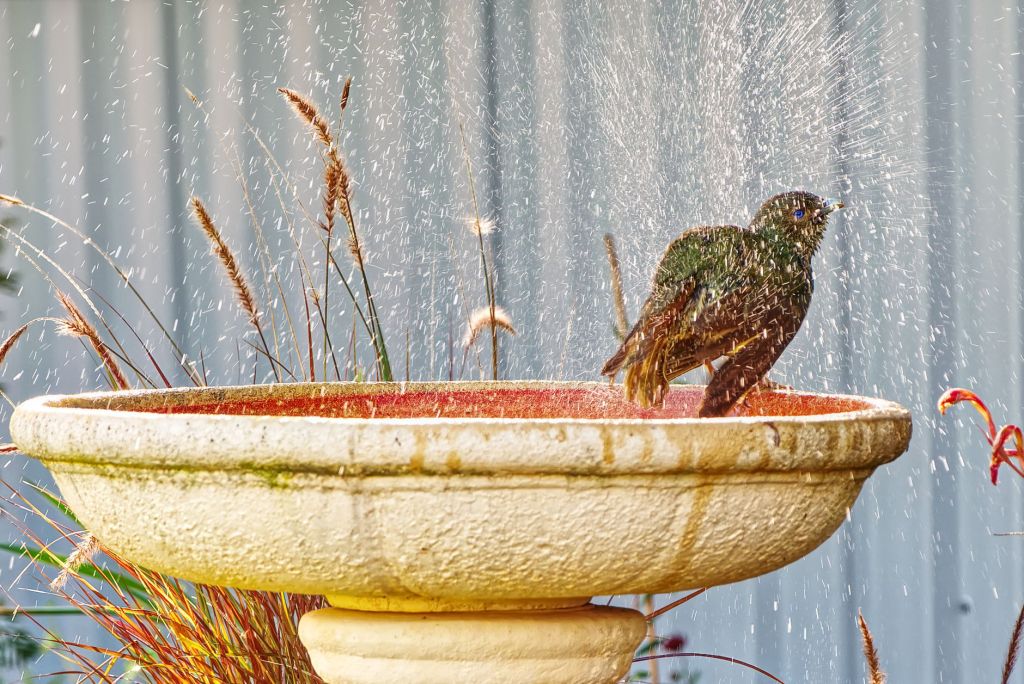
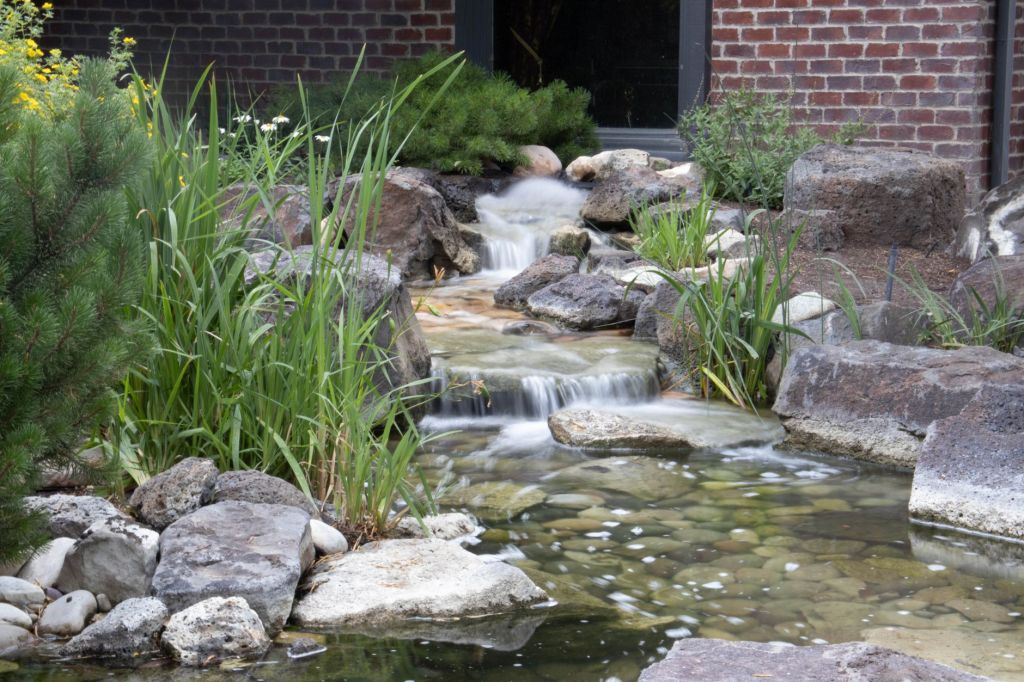
    Water features. This is a landscaping element that often gets left out of the garden plan. But if your goal is to attract all sorts of life to your garden, you’ll want some type of water feature. You can start fairly cheap with bird baths or basins or introduce a pump and some power to make flow. Building a shallow pond could provide the habitat for a frog’s entire lifecycle, or the breeding grounds for dragon flies, damsel flies, and a dozen other insects.

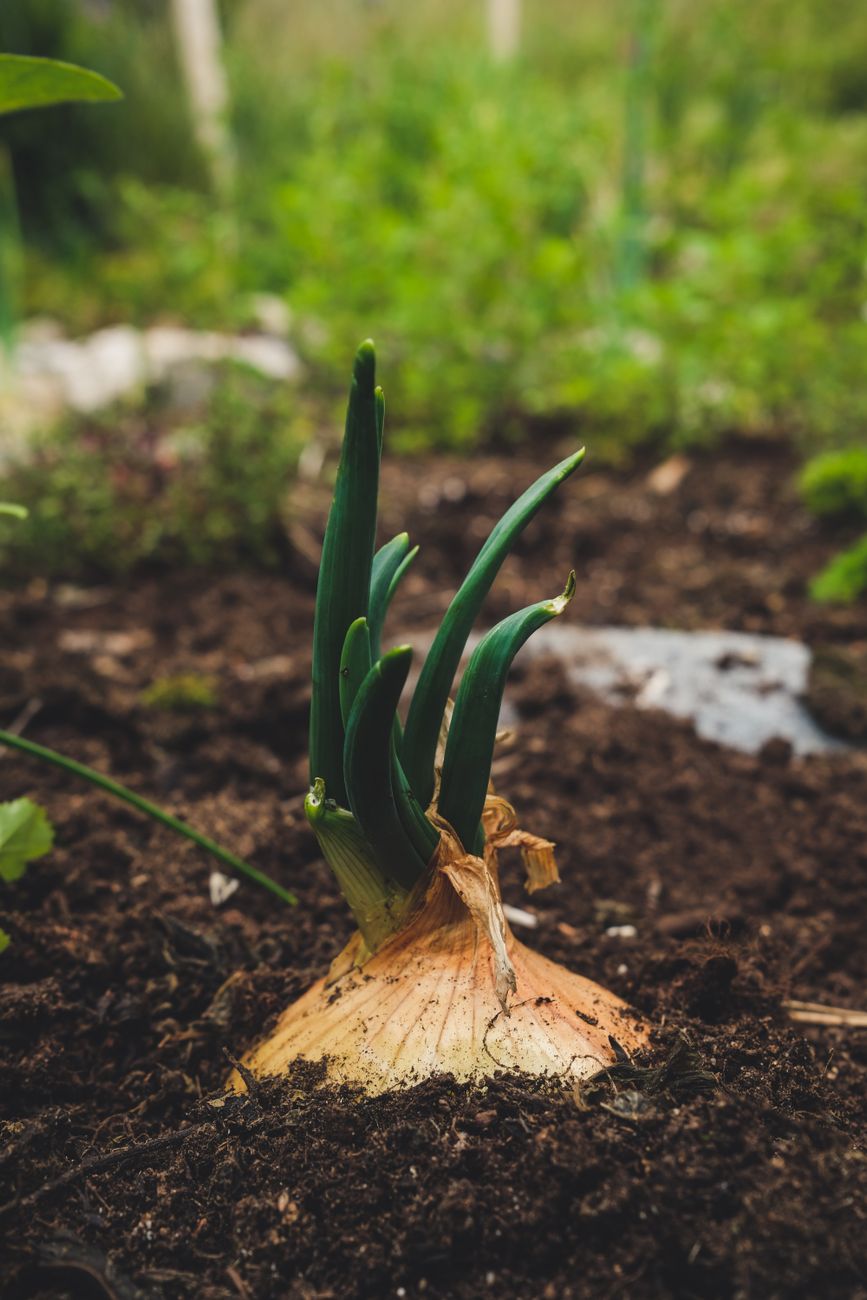
    Edible landscapes. Nowadays, I get caught up in the perennials and the habitat aspects of gardening but it wasn’t long ago that I focused almost entirely on productive edible gardening. For most people, when they hear gardening they think of vegetable gardens. I would love if one day I could have thousands of square feet for gardening fruits and vegetables but right now I content myself with what I can grow in my containers.

    Photo by Ingemund Sku00e5lnes on Pexels.com

    An edible garden doesn’t have to be your main source of food or even very serious, it can be a handful of heirloom tomato plants because you like the taste of fresh summer tomatoes, or pumpkins because you like to watch them vine. Many people have found joy in raising a vegetable garden and harvesting delicious food, along with raising chickens or goats in their yards too. Having an edible landscape is nice because it reminds you of your intimate link with nature. Food does not come from a shelf or a bag, it must be grown. Whatever one can do to increase their relationship with this process, it does something to help with mind and spirit.

    Trees in your landscape can reduce ambient temperatures and create a pleasant atmosphere while providing habitat for local birds and insect life. Mulch can increase soil moisture and lessen your water bill. Water features will attract all sorts of life from all around. But at the end of the day, make sure to provide a space and habitat for that one elusive creature that keeps the garden going year after year – you! Plan walkable paths, beautiful aesthetics, relaxing corners, and mobility-friendly plans that do not put a huge strain on your body. Raised beds can reduce your need to stoop or bend. The right tool can reduce your work by half and make it more enjoyable in the meantime. Make sure you can easily gain access to any part of the yard or garden that you would like to interact with or work on. And whatever you decide to do for your yard and garden, make sure it is something you care about and have a passion for, something that you are excited to see in the morning and tend to in the evenings.

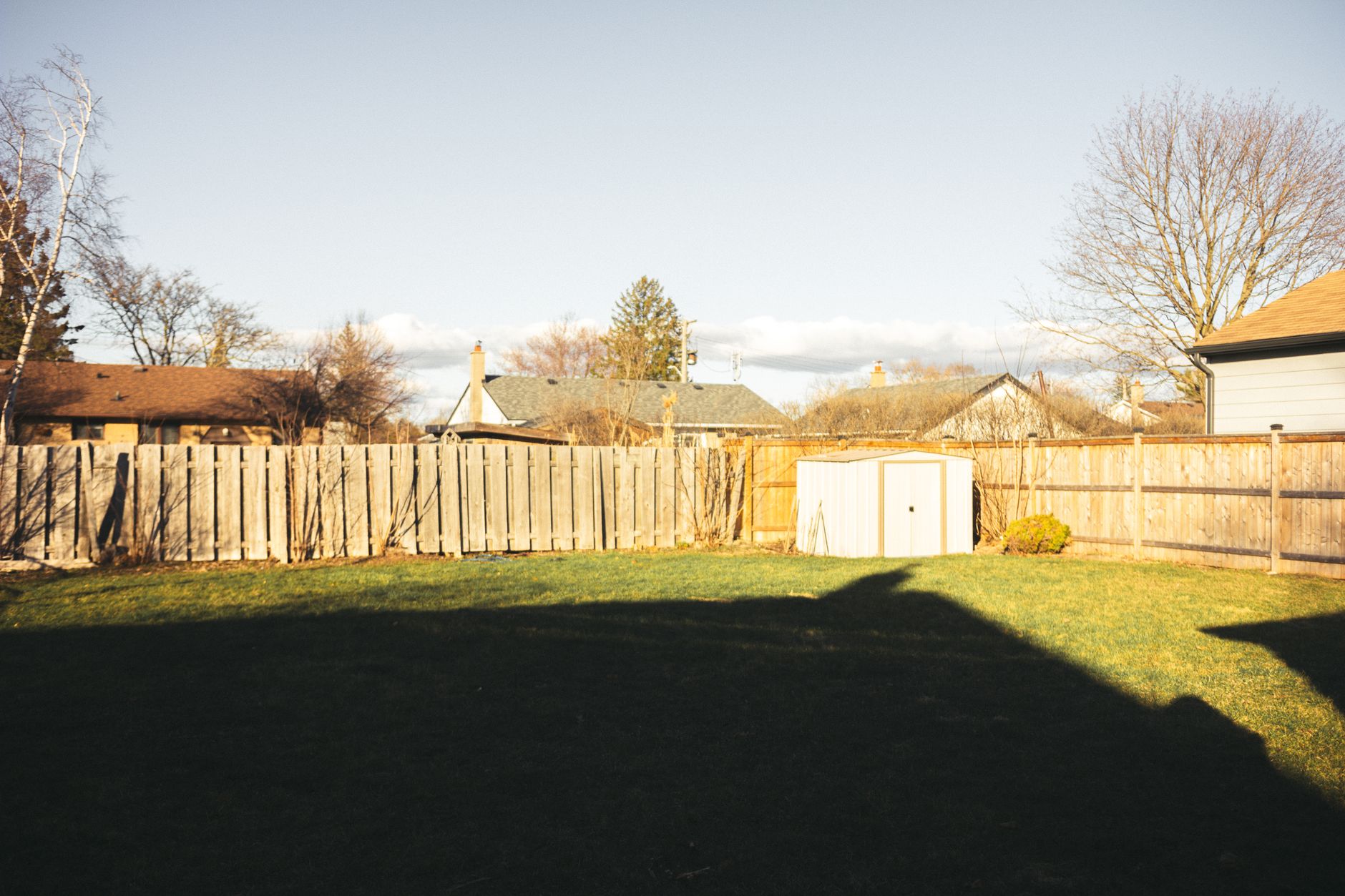
    My yard is around 900 square feet. Because it is a rental, it is part lawn and part gravel. If it was my yard, I would plant two or three trees, some flowering shrubs, build ten or so raised beds for vegetables and then border the fence with all sorts of perennials. I would have a small pond for frogs, toads, insects, and birds. Maybe some bird feeders and houses for the odd robin that wants to make this their home. I like to imagine what a space could be and to imagine the changes I could make to the wildlife in the area, as well as to my own wellbeing. It would feel good to take a barren yard and to create a little oasis. These are the things I love, what kind of yards and gardens do you love? Make it your own!

  • Chaos Gardening

    Chaos Gardening

    C – Choose and collect your plants. This is a fairly straightforward step. It doesn’t have to be a specific type, it doesn’t have to be native plants (although that would be cool). The first consideration that you should make is what you like and therefore what you want popping up in your garden. Explore different colors and different heights, different textures. Try a mix of perennials that come back year after year and annuals that you start each season. Try to line up blooming windows to keep something always blooming in your garden throughout the year.

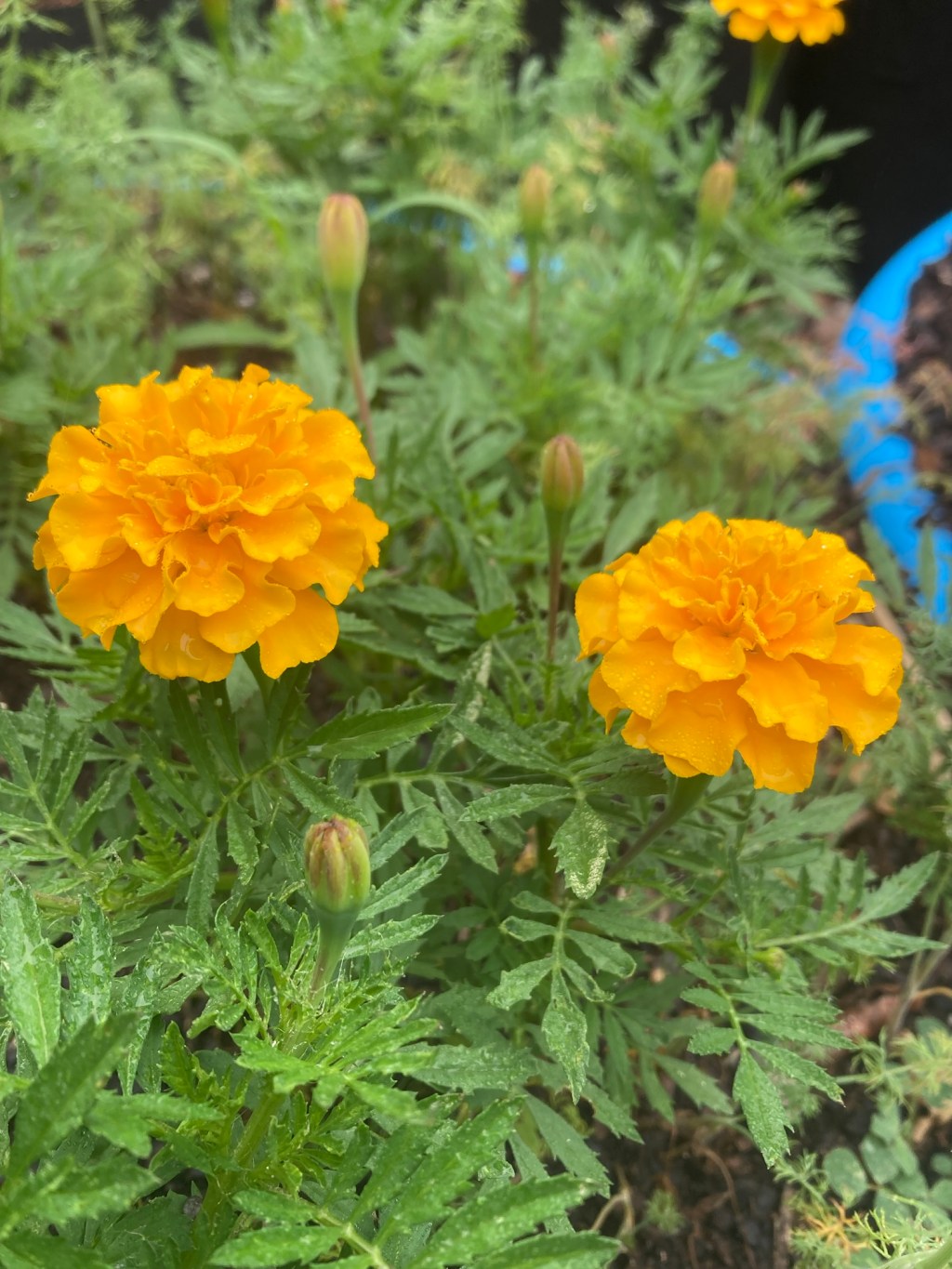
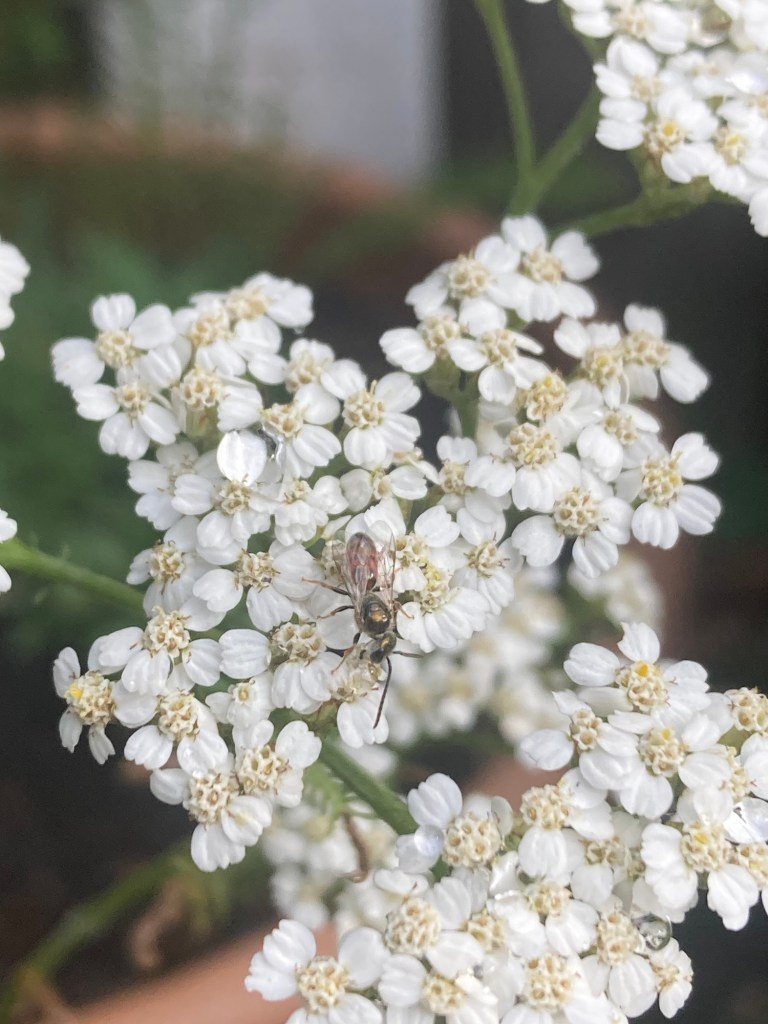
    I started out gardening with an affinity towards vegetables and that was basically it. It wasn’t until later I started to appreciate annuals like marigolds because of what they did for my vegetable garden. After that, I started to explore perennials. I enjoyed them because I didn’t have to start them every year. They became a big part of celebrating spring and watching the garden come back to life after hard winters. When the sedum would start creeping back out of the soil or the yarrow’s green leaves first pressed their way past the mulch, it fills you with joy that the winter is ending and the garden is returning.

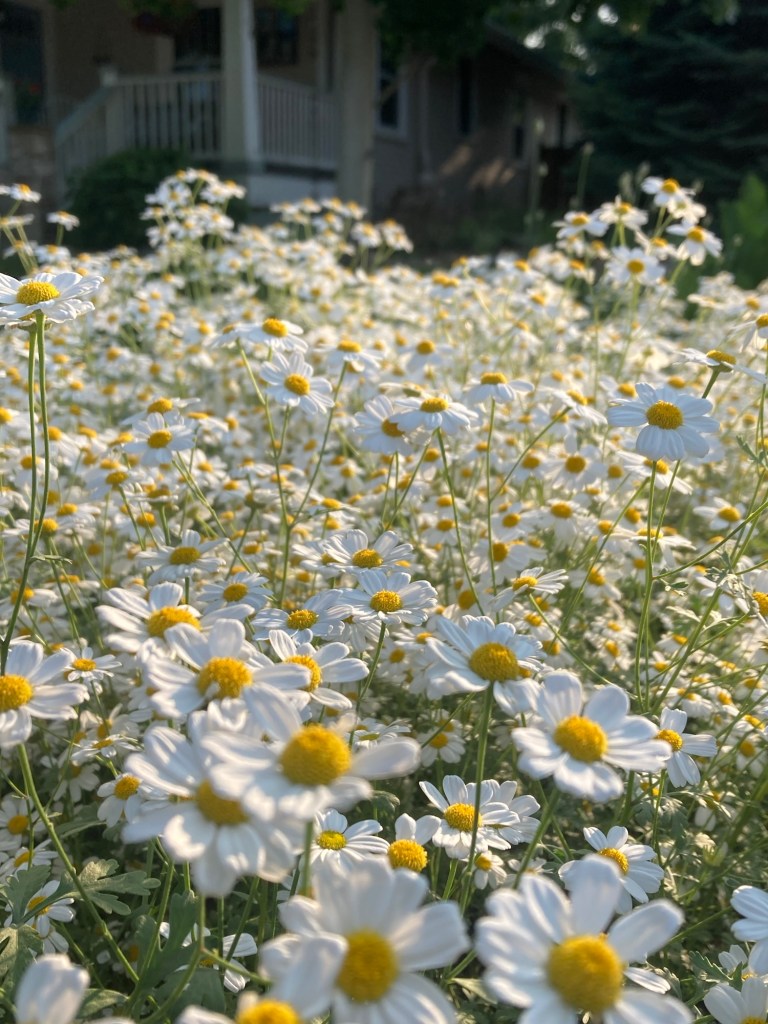
    Over the years, I have also collected the seed heads from any attractive flowers I find blooming in our neighborhood. We take walks down an alleyway nearby and it is filled with Feverfew and Flax. Pinching the seeds off, I spread them in my garden and wait for them to grow. The added benefit of collecting seeds from local plants is that you know they grow well in your area with minimum care.

    Feverfew, in the daisy family. We collected seeds this year and spread them in our garden.

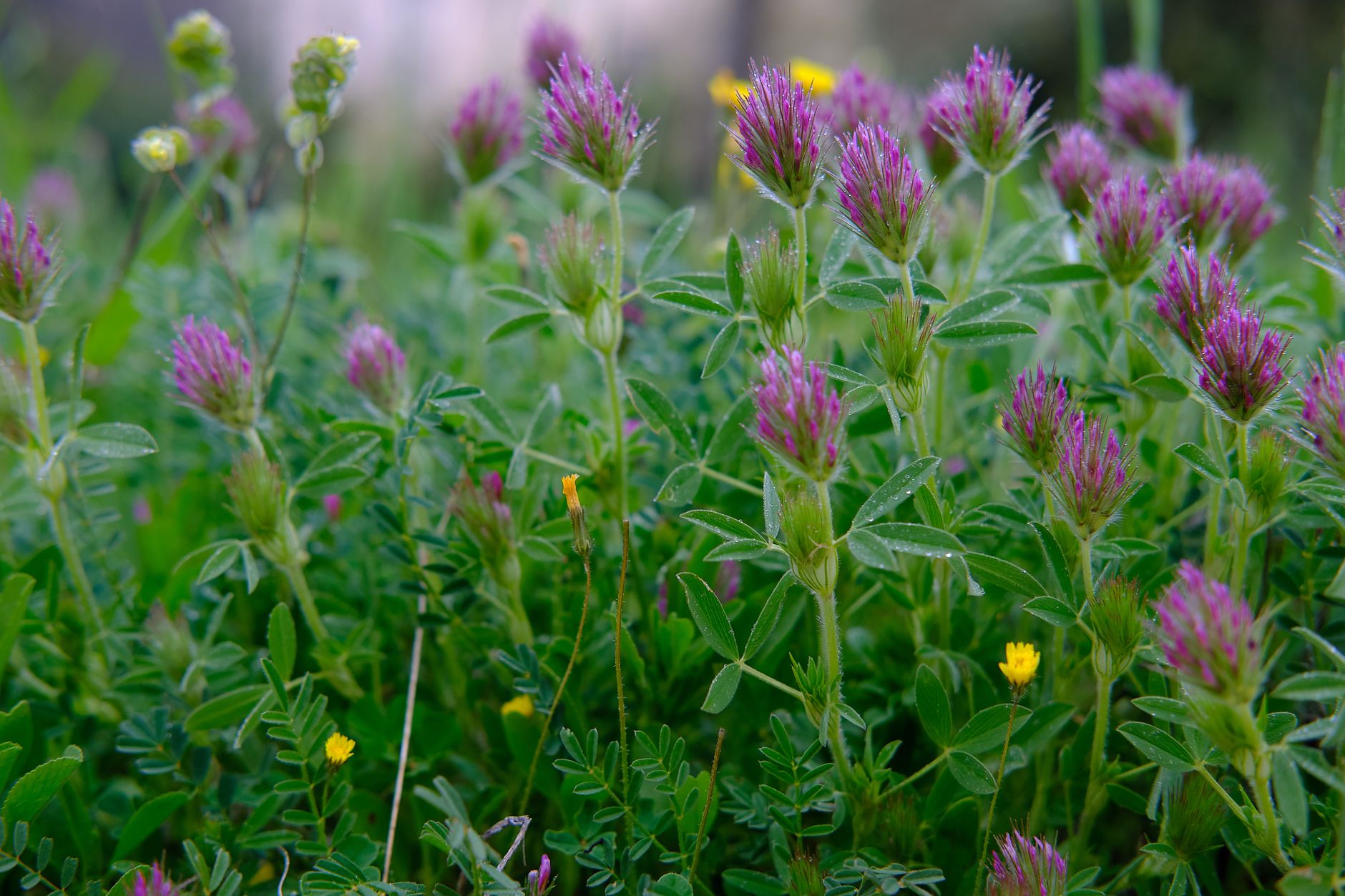
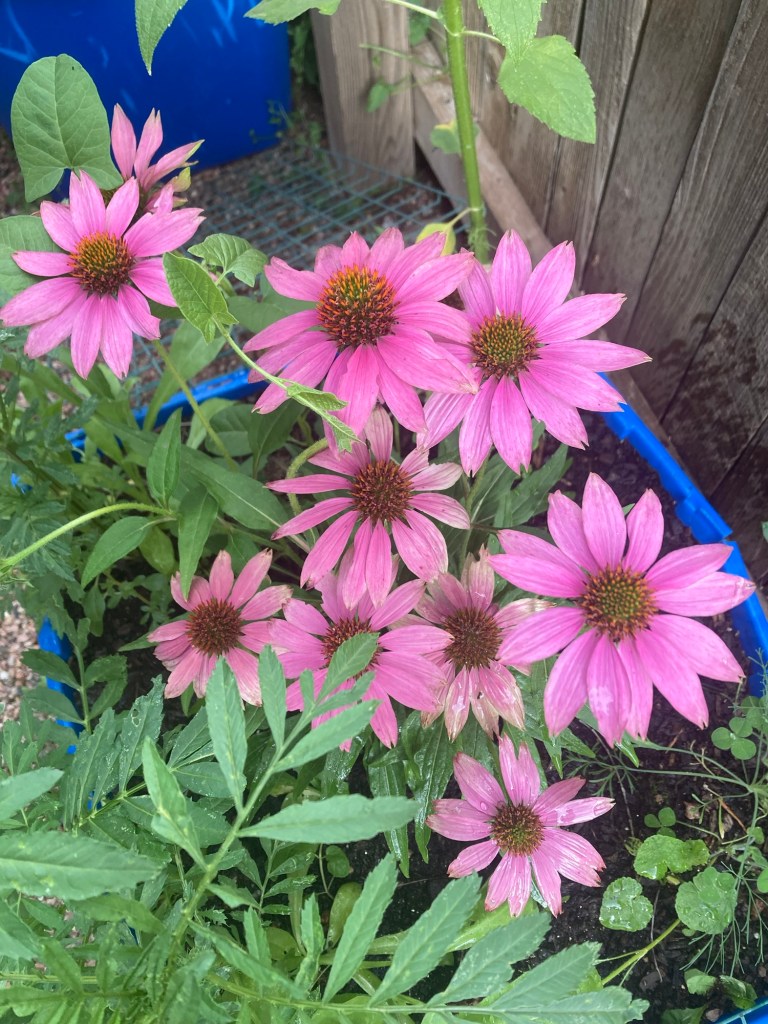
    We are currently growing Yarrow, Echinacea, Sedum, Mint, Anise Hyssop, Salvia, Bachelor’s Button, Knautia, Lamb’s Ear and Black Eyed Susans in our container garden. Our Chamomile, Prairie Sunflower, and Borage are such aggressive self-seeders that they are almost like perennials – I hardly ever have to plant any new ones. I enjoy annuals like Aster, Marigold, and Red Clover. The clover is nice because it grows prolifically but does not crowd the other plants, keeping low and sending up little red flowers here and there during the early summer. If grown densely enough, it can act as a living mulch or groundcover to help retain more moisture.

    H – Host plants. Once I began to appreciate flowering perennials, I took an interest in choosing native plants to our area in order to attract local pollinators and beneficial insects. Looking online, I could find native perennials as well as a list of insects that use these plants as hosts. This means they use the plants during a significant portion of their lifecycle, not only for food. I began to plant native grasses, as well as hardy groundcovers – some without flowers and some with flowers.

    Praying mantis. There is a native variety and an introduced variety.

    Once I took an interest in pollinators and beneficial insects, my gardening style changed dramatically. I was no longer interested in vegetables alone, isolated from everything else. I was no longer interested in straight lines and rows or arrangements. This is perhaps the moment ‘chaos gardening’ took hold in me. I began to buy wildflower seeds and spread them in every nook and crevice I could find. This year we are beginning a Goodwork project in cultivating milkweed plants.

    Milkweed is the host plant and main food source of the monarch butterfly. The prairie sunflower that grows so aggressively in our area attracts the beautiful yellow goldfinch that pecks at the little sunflower seeds in the early mornings. Our grasses attract dragonflies. The chamomile is a favorite of the hoverflies and the bumblebees. This post is not about insects, though they’d be elated if your garden went native!

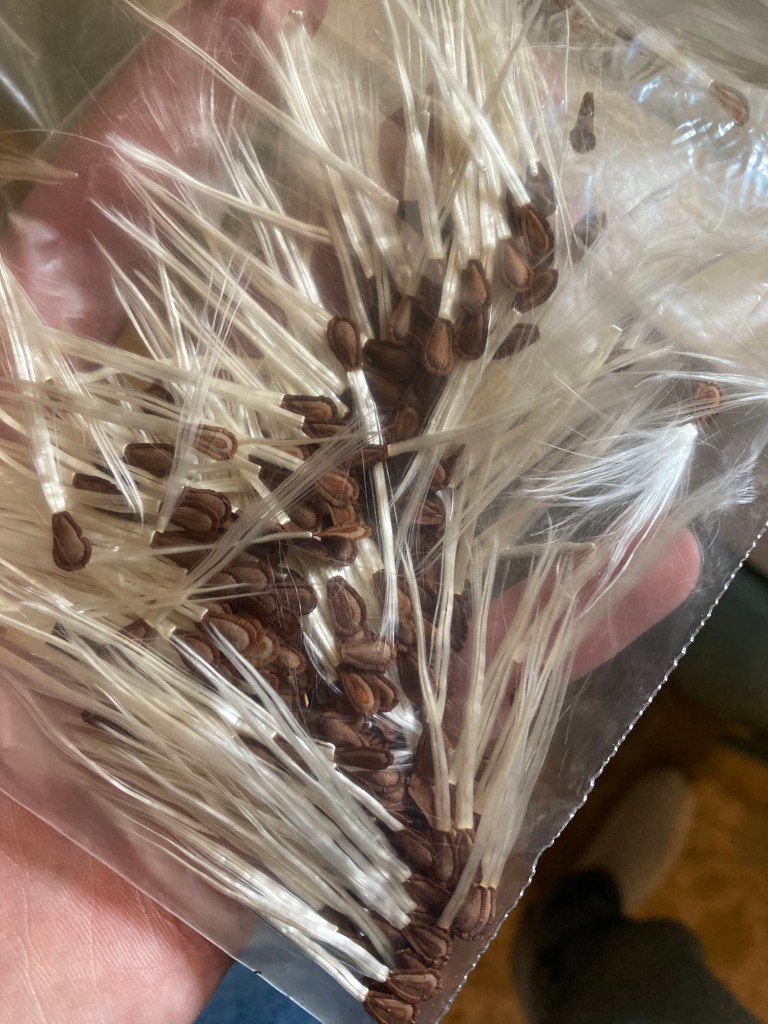
    Milkweed seeds collected in the fall. Milkweed requires a cold period before germination.

    A – Abandon lawns. This one may ruffle some feathers. I understand the utility of a manicured lawn and I understand there is no doing away with lawns completely. But if I can inspire someone to turn a portion of their labor-intensive yard into a chaos garden, host to half a dozen or more species of beneficial insects and wildlife, I would be glad.

    In talking to the adults of my life who must care for their lawn, either as required by an HOA or out of a sense of duty and order, I have found that lawns tend to be expensive nuisances. They tend to become patchy during periods of inconsistent care, they require regular mowing during the summer months which either costs time and effort or money in outsourcing this chore. Water isn’t cheap and a good portion of it is wasted on lawns due to evaporation or runoff. Products for fertilization or the killing of weeds can become costly – as well as killing the beneficial biology in both the soil and surrounding areas. Not to mention the various mechanical equipment requirements needed – lawnmower, aerator, de-thatcher etc.

    Why not save your back and your budget by switching all or a portion of your lawn to low-maintenance, low-tech chaos gardening methods? Maybe keep the front lawn for appearances and turn the back into a tapestry of colors and textures bursting with all sorts of characters. Spare your back, save some cash, replace your grass.

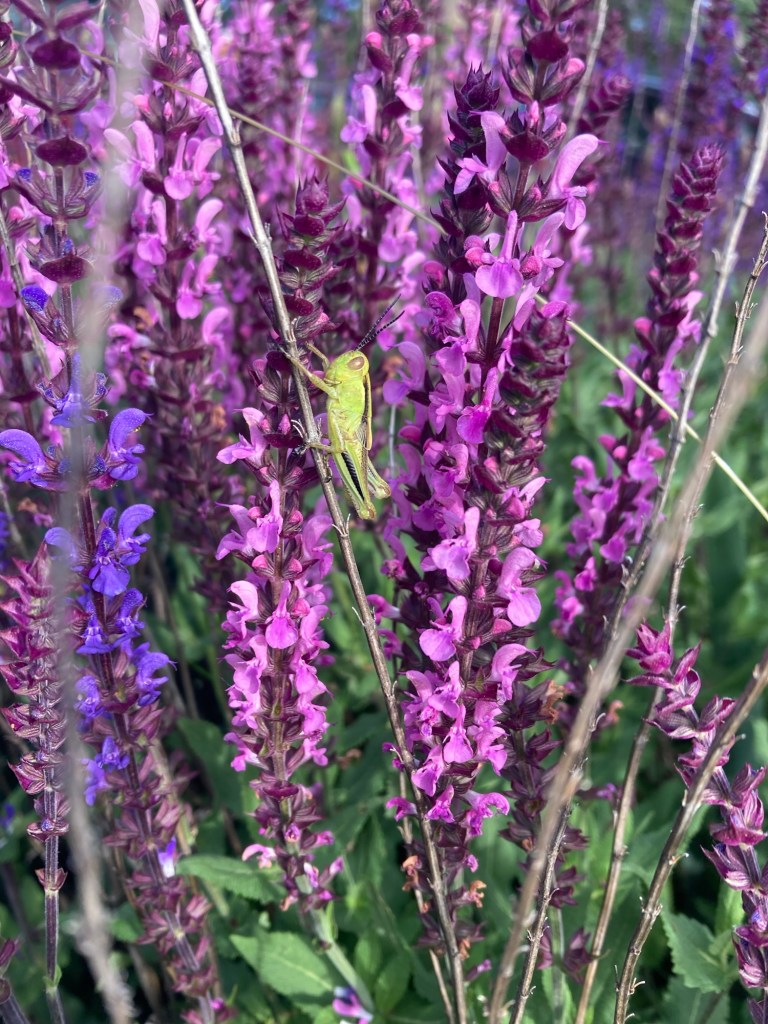
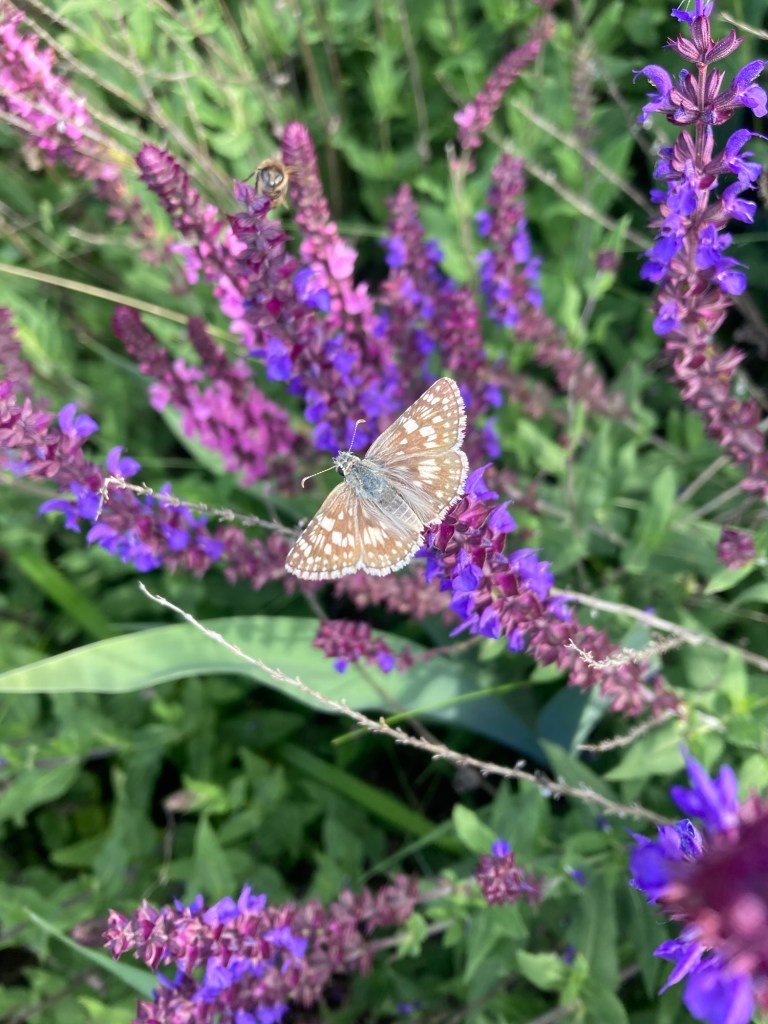
    Purple blooms and a little green alien visitor,

    O – Organized disorder. That is the name of the game. The more straight lines and clean areas, the less life a garden is going to support. Gardening is dirty, it can be downright disorganized and ugly at times. That does not mean it is an unhealthy garden. The chaos garden doesn’t have different areas for different types of plants. Old, decaying material is not cleaned up right away. That’s okay, more space for bugs to overwinter and food for worms as it breaks down. It is all part of the plan – maybe not your plan as the gardener, but the garden’s plan as a unified and healthy entity.

    Your chaotic garden should also suit your needs and interests, too –after all, you are the gardener and you should enjoy gardening. One should account for seating areas, paths for easy access to every part of your garden, and the occasional marker in order to remember what is growing where. I love it when I can walk people through my garden and rattle off the names of all the plants I have going. Not sure if they care but I like it! And when you have a chaotic garden, it sometimes helps to have a little signage here and there to identify the main players.

    S – Sprawl and Serendipity. Happy surprises. It brings such joy to see things start to thrive in your garden. You can feel a sense of pride that you have created such a fertile corner of the world, that things grow naturally and without much assistance. A sense of creativity pervades this practice – you almost feel like you were the one to create this world, or at least that you had a hand in it, and this makes you feel close to divine.

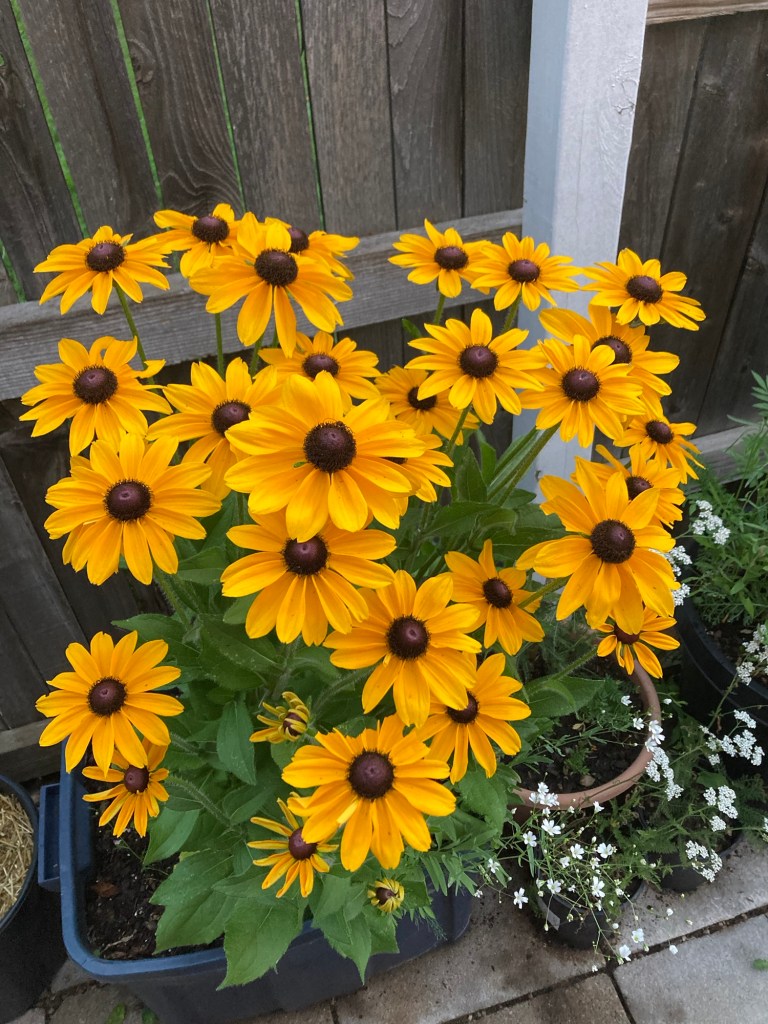
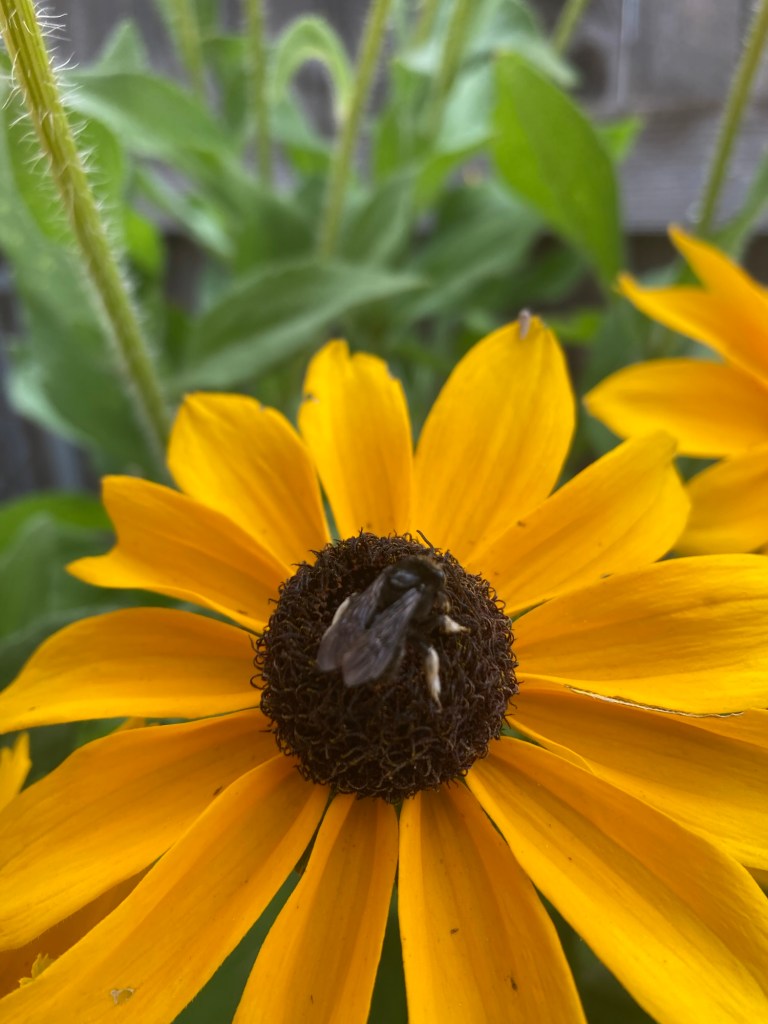
    Black eyed susans. They attracted a whole bunch of different insects!

    This sense of mastery and creation is also overshadowed, from time to time, by the many little surprises that take place in the garden which you know you had no hand in. It may be a ‘volunteer’ sprout that comes up unexpectedly in the corner. We get volunteer radishes occasionally, due to some neglect in previous years that allowed several radishes to set seeds. Or maybe it’s a bundle of insect eggs you find beneath a leaf. An earthworm, a ladybug, a praying mantis. We found a handful of baby toads in our garden one year, using our thai red chili plants as protective cover from the hungry birds. It always made our day to see them hopping from plant to plant as we watered.

    As your chaos garden begins to thrive, you may notice yourself collecting the seed heads and spreading seed haphazardly. You may take an unprecedented amount of cuttings that all begin to explode with life. Don’t worry, there is always room in the garden for more plants. The garden has a special way of expanding each year. Let its sprawl slowly take over your life.

    A bee on our Black eyed susans.

    John Muir noted that if you pulled something in Nature, you would see that it was attached to everything else. These happy surprises in the garden remind us that we are part of nature, too, and witnessing that fact each day can do wonders for your mood and outlook. Wander the garden with your hands clasped behind your back and your eyes calmly fixed on each plant as you pass by. Smile quietly and take it all in as you meander through. When you slow down, when you pay attention, you get to be part of some truly remarkable events. Events so small and so quick, it is almost as if they hadn’t happened. Yes that is a line from Watchmen, that doesn’t make it any less poignant.

    Anyway, here are some photos for your scrolling pleasure.