Tag: writing

  • Ruth Stout

    Ruth Stout

    Spotlight on Goodwork

    Disclaimer: Although I am always working toward it, I am currently a professional in nothing and an amateur in many things. At the end of the day, I am simply someone who likes to write and to garden. Always do your own research or seek out guidance from professionals doing goodwork in their field.

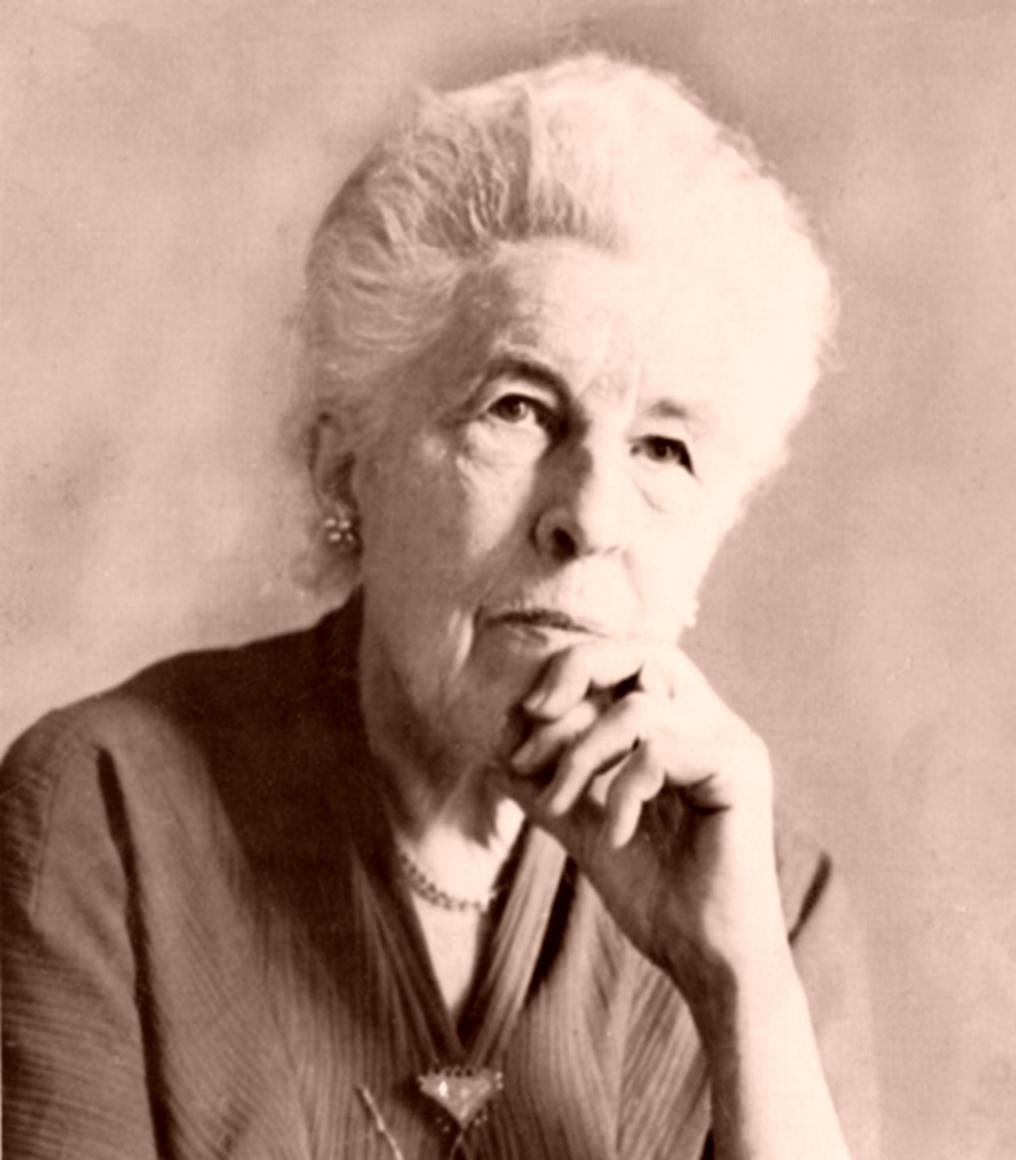
    Ruth Stout is famous in the world of gardening for her “No-Work” methods, explained in delightful prose in several of her books. Her gardening titles include “How to have a green thumb without an aching back”, and “Gardening without work”. Her character and her simple approach to daily living comes out clearly in her writing and she makes no effort to add unnecessary frills or digressions with her ideas. In her writing, just as in her gardening, Ruth was straightforward, no-nonsense, and a little playful with her dry sense of humor.

    One of the things I appreciate most about Ruth Stout is her interesting and roundabout path through life. She is not one of those individuals you might see in popular biopics today who find an obsession early on and dedicate their entire lives to it. Instead, she spent a large portion of her life doing all sorts of odd jobs before even finding gardening for the first time. It took her even longer to start writing about it. Her list of professions included “a baby nurse, a bookkeeper, a secretary, a business manager, and a factory worker.” She even owned a tea-shop at one point and at another time worked for a fake mind-reading act. This is the kind of work history that transcends all résumé workshops or neatly labeled boxes. It is real and intricate and tells a story of a varied and interesting past.
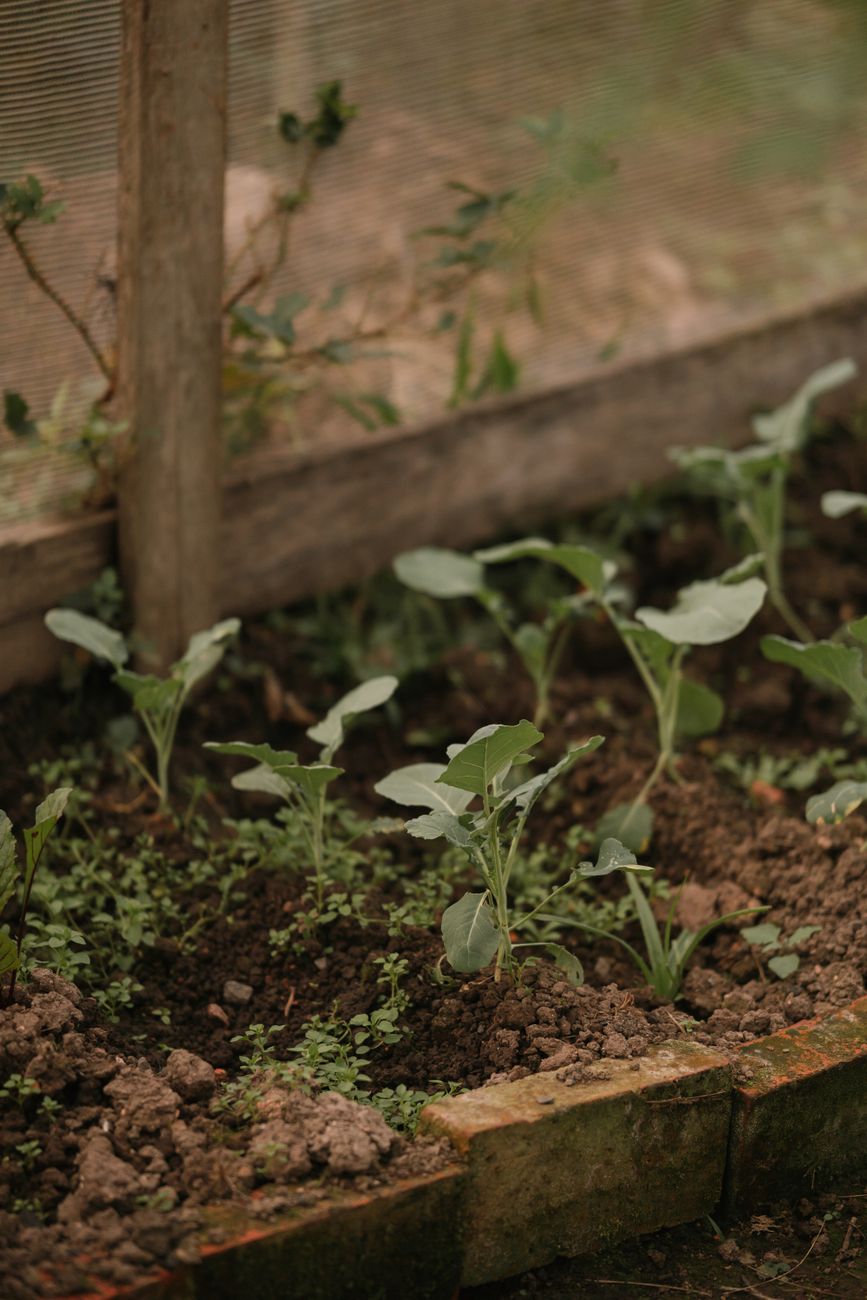
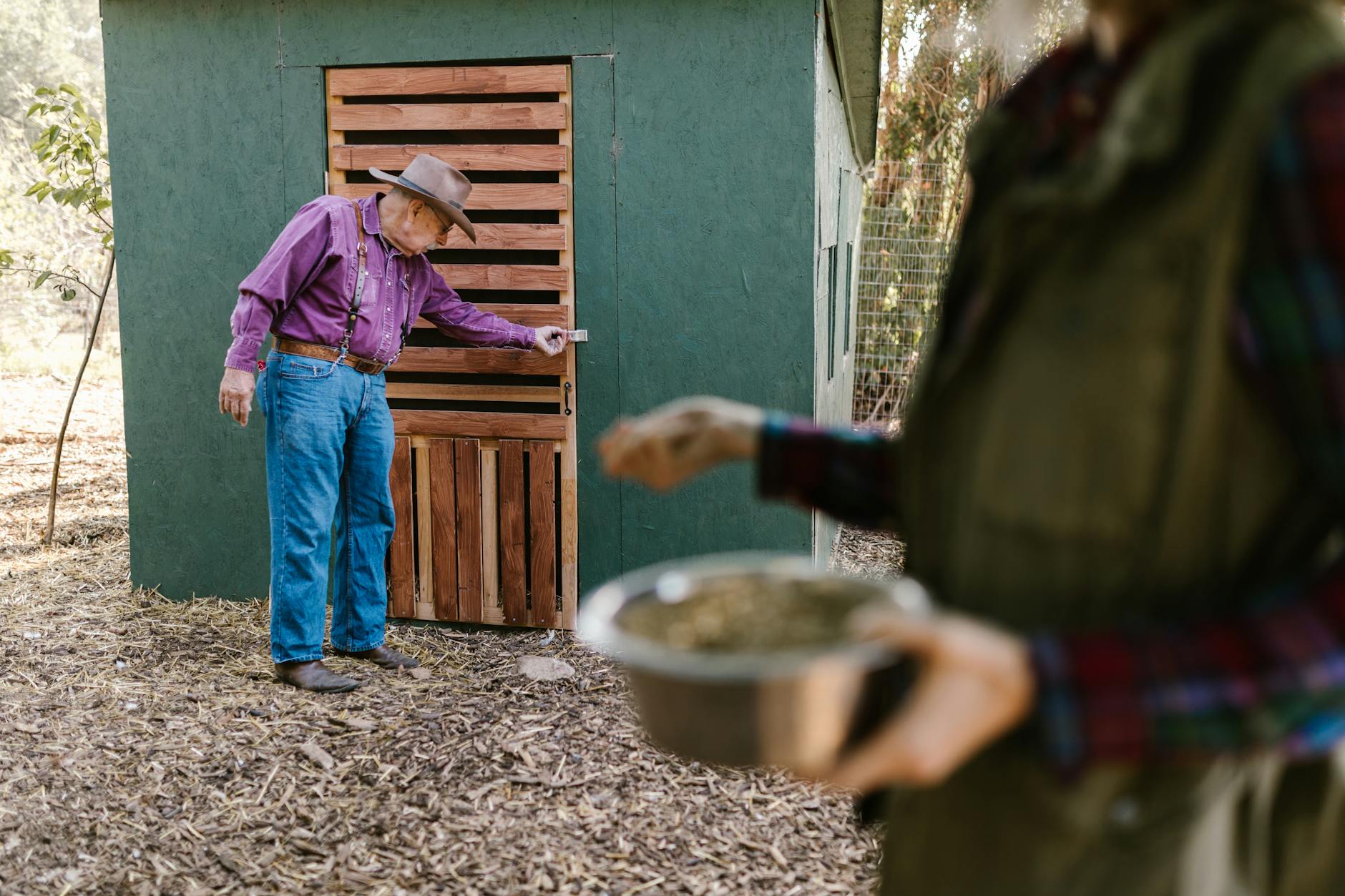
    Photo by Alexander Mass on Pexels.com

    She started gardening at the age of 45, using conventional methods that included plowing and fertilizing. Frustrated by the timelines and labor of traditional methods, Stout decided to forego the plowing, the fertilizing, and the application of “poison sprays” for pests and instead decided to sow her seeds in the soil as it was, covering the garden in a layer of deep mulch. This was the beginning of what would become the “Stout System” and would be the topic of her most popular books.

    Stout continued to write and garden in this way, leaving ample free time to other pursuits and interests with all the time and work she managed to cut out of her gardening. She makes claims in an interview of never having to “plow or spade or cultivate or weed or hoe or use fertilizer or use a poison spray or a compost pile or water.” If that isn’t compelling enough, she also bragged that she hadn’t stepped foot in a supermarket in years and supplied all the fresh produce she and her husband needed for the entire year, freezing any surplus. All of this work, according to Ruth, was done after a leisurely breakfast and before 11 o’clock.

    Stout is an enduring example of an individual who has found the ‘golden mean’ of work, leisure, simplicity, and enjoyment. In a way, she seems to embody both the Stoic ideal of never letting anything bother her and the Epicurean ideal of cultivating joy and pleasures, in her own and others’ lives. She passed at the age of 96, in the year 1980.

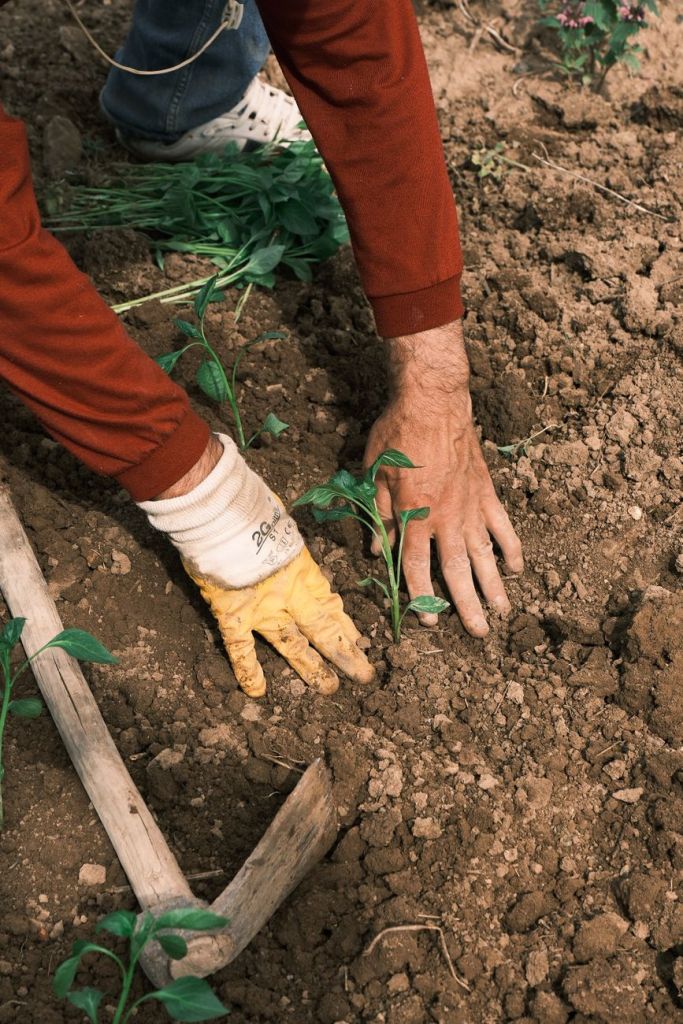
    I write about her here as an inspiration for my own approach to work, longevity, and a spirited approach to life’s difficulties. She is not only inspiring in a gardening capacity but is an example of the type of character we could cultivate. She liked to end her declarations with the phrase ‘why not?’ which seems to summarize her attitude in her laconic way. In her older years, her back was bent as she did her work in the garden. She was witness to many difficult times, as we all are at some point in our lives, and yet she still kept that same wry humor and unbothered outlook about her. She reminds me of someone I would be related to – perhaps because she is from Kansas, as my mother’s family was. An old prairie personality, filled with life’s wisdom and the grit of independence and simplicity.

    Stout immediately reminds me of Masanobu Fukuoka, a farmer I’ve written about on this page before. He also preached a simplistic approach to agriculture and ruthlessly did away with any conventional method that involved complication of the basic process of growing food. Fukuoka’s approach is geared toward larger-scale farming while Stout’s main work is in gardening – her own plot being 45’x50’ –  but the ideas are the same. They both look at the process at hand and ask themselves, “What can I get rid of, how can I make this easier and more simplistic?”

    Fukuoka’s approach is labeled as “Do-Nothing” farming while Stout’s is labeled “No-Work”. Naturally, you can see them as approaching things in the same spirit. Oddly enough, this does not mean lazy indifference or wasted time, for either Stout or Fukuoka. Both of them stayed busy while reducing their workload, focusing more energy on their creative outlets, community connections, housekeeping, and personal projects. Do-Nothing and No-Work, then, seem to be misnomers or are at the very least misleading. Both are, at their centers, methods of reducing unnecessary tasks and difficult work in order to get more enjoyment out of work and to have more time for things that are important. Fukuoka also lived into his nineties, passing at 95. There’s something to this lifestyle, I’m tellin’ ya! (To learn more about Masanobu, click this link https://goodworkalmanac.com/2026/04/13/masanobu-fukuoka/)

    Stout’s own approach to work was constantly put to this analysis – if the end goal is not worthwhile and the task itself can be gotten rid of with no harm, then the benefit to the individual is whatever they can do with this newly freed up time. In economics this can be called opportunity cost. Stout’s cost/benefit analysis comes from the observation that things are often made more complicated and arduous than they need to be, without that much increased benefit to show for it. This does not always come down to dollars and cents calculations but can also be calculated through the lens of time and effort. Because time and effort are not immediately coming out of one’s bank account, it is sometimes easy to write them off as having little value. In her own words, “people often go ahead and do these things without thinking.”

    This brings us to another aspect of Stout’s outlook on life we could all stand to cultivate. She did not have much unquestioned respect for living life by the standards of other people. She made a point to say that we should not order our lives (or our gardens) by the standards of other people. Being this humble, she was even surprised when people followed her advice without much forethought. She made sure to add the disclaimer to her works that these are the things which have worked for her and that each person should try to figure things out as suits them. In her book, “Gardening Without Work”, she wonders why people would want to impose a bunch of rules on others, and she expresses that, not understanding this approach, she would never accept the standards of another person without first rigorously questioning them. I think this is wisdom to take with us into all aspects of our lives.
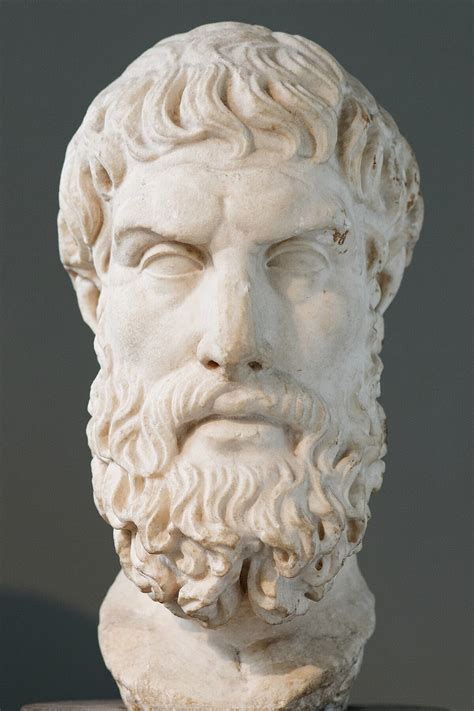
    What I mean when I mention the Epicurean and Stoic ideals – in modern discourse, the term ‘Epicurean’ is sometimes thrown around as meaning a desperate consumption of temporary pleasures. Epicureanism was, in actuality, a system of ideas aimed at the cultivation of simple joys and pleasures with the ultimate goals of ataraxia (tranquility) and aponia (absence of discomfort or pain). Stoicism is also mislabeled, at times, as being cold, repressed, or completely detached from emotion. In reality, Stoicism was the practice of cultivating virtue and resilience in spite of the vacillations and uncertainties of people and of life in general.

    Ruth Stout fits perfectly in both camps, if you ask me, and demonstrates an idea that these are not disparate or antagonistic philosophies but are two sides of the same coin of experience, of what it means to be human. Ruth makes a point to say that she has always had the ‘useful’ thought come to her first, before the harmful one. This has made her especially resilient in dealing with life’s difficulties. And in her daily life, she often had a small drink of wine or gardened in the nude, indulged in her leisurely breakfasts and cut out needless complexity if it got in the way of enjoying herself.

    As for her gardening methods, I have always been a proponent of deep mulch to reduce the need for weeding and watering. When I come up against a task in my work and in my gardening, I wonder if it can’t be dispensed with – not as a means of shirking the work that needs to be done but as a journey toward the mastery of simplicity. I do not weed or hoe or fertilize if I can help it, and I definitely do not use pesticides as they can interrupt or negatively impact beneficial insect life. I follow what methods and pointers I can from her system and adjust things otherwise as they need to be. Ruth Stout’s practical wisdom, even if it is not perfectly replicated, can follow you into every area of your life and infect you with her spirit of joy and tenacity.

    I would encourage everyone to watch her interview which I can link here, as well as read any of her books. They are as entertaining as they are informative.

    Thanks for reading!

  • Three Lessons from Poor Richard’s Almanack

    Disclaimer: Although I am working toward it, I am currently a professional in nothing and an amateur in many things. At the end of the day, I am simply someone who likes to write and to garden. Always do your own research or seek out guidance from professionals doing goodwork in their field.

    As a younger man just getting my start in the world of work, I found myself wanting more structure and consistency than I was used to having. I had just finished a modified trade school experience amid the covid lockdowns and there was still a lot of uncertainty – there would be a lingering sense of it for quite some time. Not knowing what to do with my undeveloped welding skills, I got the first decent job I could find in manufacturing.

    At the time, I was living in the basement room of a house I shared with two roommates. I desperately wanted better but was happy to have my basic needs met. Each day, I went into work to spool cables and solder connector pins.  It was not glamorous, but it wasn’t the horrific stress and strain I thought manufacturing would be, either. There were many nice people and even some friends to be had there. But I couldn’t shake the feeling that I was wasting my time. I was impatient for a better life in which I had the resources I needed to enjoy myself, to pursue meaningful goals, to create projects and art, to travel and meet people, to provide opportunities for others and to help them when I could. But I felt stuck, dragging myself into work each morning to continue the same drudgery as the day before. It never let up and it never meant anything more. I wondered how to get out.

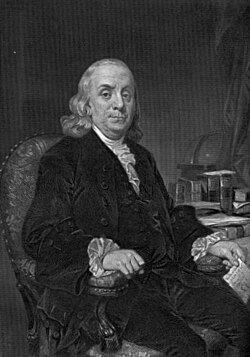
    I started to listen to the sayings and proverbs of Poor Richard’s Almanac, written by Ben Franklin, while I worked on my cables. Maybe it was the sayings themselves or the soothing voice reading them but for whatever reason, they brought me great comfort. They would talk about work, money, time, or virtue and I was slowly convinced that these messages represented the way forward. I wanted structure and consistency and here were these proverbs preaching just that. I wanted a plan to move forward, to get out, and these one-or-two-line sayings helped me take the first steps. Below are some of the lessons I learned from the sayings of Ben Franklin, collected from Poor Richard’s Almanac.

    Lesson One: Don’t Waste Your Time.

    Photo by Ono Kosuki on Pexels.com

    Do you love life? then don’t squander time, for that is the stuff life is made of.

    Poor Richard’s sayings about time are geared toward encouraging productive activity. It is painfully true that we only have a limited time allotted to each of us. He encourages us, “To be up and be doing and doing to the purpose.” The idea is to find your purpose and to use your time as efficiently and as wisely as you can. I wanted that daily trip into work to mean something, I wanted those forty hours of work to work for me. I realized that how I spent my time would deeply affect the trajectory of my life. The paycheck I got every two weeks represented eighty hours of my life that I had exchanged and I wasn’t going to let it be for nothing.

    This may be more relevant than ever with the tools we have at our disposal to waste our time in ever more ingenious ways. With our wasted time, could we learn an instrument, a second language? Could we write a book, play a sport, connect with community? There is always a minute here or there that will be wasted or lost to distractions, but the point is to find your focus again and to take up the responsibility of using your time productively –whatever that means for you and your specific purpose.

    It is at this point we must understand a kind of paradox. We want to live today because tomorrow is not promised to us, but we must act as if tomorrow is promised if we are to make the best decisions today.

    Every day I went into that dead-end job, I felt I was wasting my time. I wanted to live now. What if all the time I had left was wasted going to work, doing these pointless things? But I also realized that in order to build a life that included all the wonderful things I wanted – travel, connection, creativity – I had to believe in the future first and begin to build a life that looked nothing like my dream in order to eventually attain it. In short, I began to believe in effort, patience, and productivity. Though I still struggle with these things, I have made them a practice of my daily work.

    Lesson Two: Work can be a wonderful – and helpful – part of your life.

    Photo by Meaw Zara on Pexels.com

    Industry need not wish.

    Poor Richard’s admonitions usually include some mention of industry or hard work. He constantly reassures us of the ability of our work to sustain our lives — “Keep thy shop and thy shop will keep thee.”

    Our relationship to work can become somewhat murky and impersonal. Work can also be an integral part of life, meaning it is integrated into your life, rather than kept at arm’s length. In the past, a craft was so deeply personal that someone’s surname was their profession, and they taught their children and their children’s children their craft, weaving it into the identity of generations.

    It is more common nowadays to have an ambivalent or even negative relationship towards one’s work. For many now, work is just some place they go to in order to pay the bills. Resentment can build toward work when you have no intentional relationship with it.

    I would say it is a rare case that someone will find their most meaningful work right off the bat. For many of us, we will have to wade through several years of dead-end or pointless jobs to make ends meet before we find a mission or calling that inspires us to pursue something greater. I started working in a movie theater at sixteen. I have been a painter, a plumber, a grocery clerk, a nomad farmer. I have worked in manufacturing for several years. It has all continued to develop the skills I need to do the work I really want to do. The moment where everything clicks still eludes me, but I work toward that every day.

    Even after this click occurs, it can be quite some time before you feel effective and competent enough in your work for it to be truly rewarding. But the point is to seek this out. I have known many who wallow in their pointless jobs until they retire. They make sure to remind you that they are not where they want to be. But they also don’t do anything to work toward a more purposeful calling. Their association with work is that it is terrible, something to avoid, and they never pursue a work that can help them fulfill their potential while also providing meaning and order for others. “The trade must be worked at and the calling well-followed,” Poor Richard says.

    As I mentioned, I wanted work to mean something and that means coming away from it having gained more than I’ve lost. I had lost time and energy that I would have rather put towards other things but that meant I wasn’t going to let my gain be for nothing. At times, I denied the things I wanted briefly in order to work towards the things I wanted the most. I followed Poor Richard’s wisdom, “It is easier to suppress the first desire than to satisfy all that follow it.” No small contribution to my eventual success was going to be scoffed at, or, as Poor Richard says, “Many a little makes a nickel.”

    The path is not straightforward or easy but with consistency, we can begin to make our moves.

    Lesson Three: Consistency will take you where heroic effort can’t.

    Photo by Thanh Long Bu00f9i on Pexels.com

    Little strokes fell great oaks.

    Huge undertakings and overnight successes can be enticing concepts to those who have much ambition and not enough patience. You want to work eighty hour weeks, make a massive return on a penny stock, win the lottery, strike it rich. The consistency and patience of daily work can hardly be made to be romantic compared with the richness and aesthetic of the overnight success. But the possibilities of consistency are always far greater than the short-lived win. They are certainly greater than waiting for luck to come save us.

    Once again, Poor Richard’s world involved plain, regular people making a life for themselves and for others. Many of his sayings preach patience, contentment, and consistency as the means to attain the good life.

    It is part of the Goodwork philosophy that we must find work that appeals to our nature and our purpose in order to live a fulfilled life. In this philosophy, work is not merely a means to an end, it is not something you use just to get enough money in order to do what you really want. Work should be a purposeful and meaningful act which allows you to express something deeply personal about yourself and your relationship to the world. And when that is not available, we should be steadily working to get to that point.

    I knew if I quit that awful job, I would find myself in another one not long after. As long as I refused to engage with the inconvenience of work I did not like, I would never have the resources or skills to find the work that was meant for me. I looked to the summit of the mountain, but I had no respect for the first steps, so I never moved. I wanted to fall into my ideal rather than work up to it. Having found respect for the process, one can begin to move within its channels. But we must be content to be beginners, humbled by new experiences every day, in order to attain to the level of masters.

    I am a huge fan of any philosophy that includes some element of continual improvement. Why? Because goals, aspirations, and ambition that swell beyond actionable steps can actually demotivate you and cause you to disengage from the work that could be accomplished now. This initial work is inevitably linked to the end goal, a goal which may be massive, and they are connected by a thread called continual improvement. We have to learn to be okay with being beginners. We have to believe that any progress is good progress. We have to believe that we have a hand in our future, that we have the power to continually improve our circumstances so that we may do the most meaningful work we can. For ourselves as well as for others, we make the slow trudge of consistent effort. Or, as Poor Richard says, “Vessels large may venture more but little boats should stick near shore.”

    Poor Richard sends a message throughout his collection of wisdom to be steady, settled, and careful in your daily business. This involves attention to detail and diligence in attending matters that we sometimes have impatience or disdain for. For it is true, “a small leak will sink a great ship.”

    Work hard, don’t spend more than you make, and use your time wisely. As you can see, these lessons are the same basic lessons we have always known and the same lessons we have always had to relearn as time goes on. While today we may have several schemes or hacks for going about these goals, Ben Franklin through his pseudonym Poor Richard, preached virtues like diligence, frugality, and industry as intentional, daily practices that would do more for people than their short-lived schemes. While I was certainly impatient when I was younger, I realize now that the best accomplishments come from the long game, the committed endurance of an entire life.

    For those who are interested, all of Poor Richard’s sayings have been collected in a work called ‘The Way to Wealth’ by Benjamin Franklin. I will include a link here.

    Thanks for reading!
  • Farmstrong

    Farmstrong

    When personal development is discussed, strength is often one of the first attributes people desire. Perhaps they feel physically weak or ineffectual, bullied by others who are bigger and physically stronger. They want to get stronger so that they never have to feel so small again. Others do not feel emotionally strong, they feel they cannot speak up for themselves or endure the burden of everyday obligations. They ask for strength so they can make it through another day. If we are to carry on, we must ask ourselves what it means to be strong.

    In our age, virtues and values are interpreted through a warped lens. The virtues or values themselves may be good and useful but because they are distorted by misunderstandings, they are turned into useless and harmful versions of themselves. Through this lens, values such as youth, productivity, efficiency, and detachment are championed to a degree that causes many imbalances.

    Our fixation on youth has made us neglect our health and longevity, as we try to continue to live as children in a dreamy and consequence-free lifestyle. Even when people try to mimic longevity, they pursue it in a way that they may achieve eternal youth. An entire industry of health gadgets promises to make us ‘age backwards’ when we could simply age gracefully, try to live long and happy lives. Many feel the push and the urge that they must continue the creativity and productivity of their youth long after middle age, neglecting the natural limits of our capacities or the developed talents we might otherwise put to use such as wisdom and guidance. And our emotions are not contemplated, integrated, or healthfully processed but shut down, ignored, and treated as inconvenient. This often leads to emotional outbursts that are far worse and more ill-conceived than the original emotions. I think of my coworker making fun of the younger generation for crying while he walks around work berating people and having angry meltdowns every other day. So much better!

    I do feel there are values here that are worth embracing, if only we can find a healthy way to do it. Youth is something that can be celebrated, and we could also put more effort towards navigating the loss of youth and the gain of experience, wisdom, and self-control that comes with later ages.

    Longevity is a wonderful goal. I would love to live a long, happy, and productive life. But it would be unwise to try to remain twenty forever, not to mention creepy and unnatural. Instead, we should encourage the development of our personalities and goals as we age, trying to live healthy lives of connection and value, until we can become the wisdom-bearers, the old sages, the elders.

    Finally, it is wise to learn the nature of our emotions so that we do not let them overwhelm and control our behavior. This is the main tenet of Stoicism, and it has nothing to do with shutting down, ignoring, or rejecting emotion but learning about yourself through emotion, accepting them when they arise, and maintaining your sense of what you can control so that your emotions do not control you.

    In any of these cases, strength is asked of us. Physical, emotional, and relational strength is developed throughout life, slowly, sometimes painfully, as we work to become the truest versions of ourselves and bear witness to others becoming themselves too.

    Photo by Elkhan Ganiyev on Pexels.com

    There is a certain archetype that comes to mind when I imagine the abundant, healthy life of a fully formed individual: the farmer. I imagine them as a burly and stout-hearted person, strong grip, calm eyes under a discerning brow. They are quiet, but their intelligence is demonstrated in the deftness of their movements and the skill of their craft. They do their speaking with action rather than words. When they do speak, each word is dense with meaning. Words carry a premium; words are slow and burdensome compared to the act itself. There are years of setbacks and resilience in their eyes, you can count them like rings on a tree. And after every catastrophe, their strong hands pick up their well-worn tools and begin again.

    Physical Health and Longevity

    The nature of the farmer’s work tends to be physical. There are chores enough to keep the farmer occupied as long as they’d like. Often their work can overtake their personal lives. This is where a healthy relationship to one’s work and person calling can come in handy. We want to be profitably and meaningfully employed but losing health and enjoyment from overwork is entirely possible and should be avoided.

    Photo by ahmad dian fitrah jamaluddin on Pexels.com

    Having regular, physical movement throughout the day keeps the body healthy. Many people today have sedentary jobs or professions and do not opt into a regular exercise routine. Those with physical jobs accomplish both the demands of their work and also the demands of the physical body – to move, and keep practiced in movement, for as long as one can.

    One of the primary goals of goodwork is to ‘Stay as strong as you can, as long as you can.

    Farm chores also tend to include a lot of low-impact movements paired with higher-repetition strength movements and occasionally the high-effort compound movement such as picking up something extremely heavy or lifting something above one’s head. If these movements are done with a mind toward joint care and proper form, they are the building blocks of a healthfully aging body which retains much of its strength and endurance while sedentary bodies tend to wither, break down, and accumulate compounding injuries.

    There is much information available to us now that suggests the importance of exercising our muscles as a practice throughout life in order to improve the condition of our later years. Developing our muscles through vigorous exercise improves four areas that people tend to struggle with as they age.

    First, it will help with balance. Imbalance leads to falls and slips and the injuries from these falls can compound over time to worsen the condition of our lives. The skeletal muscles, their strength and agility, as well as the strength of our core muscles, assist us in keeping balance.

    Secondly, it helps with our hearts and circulatory systems. Many people will have issues with their heart and arteries as a result of sedentary living and diet issues. Regular exercise helps prevent heart disease and arteriosclerosis, the hardening of the arteries over time.

    Third, it helps us keep stronger bones. When the body is sedentary, the bones may become weak and brittle which will lead to breaks. These injuries lead to more sedentary living, in order to give them a chance to heal, but may also affect our mobility and strength forever after. Lifting weights and exercising muscles helps to strengthen our bones and keep them strong even as we age.

    Last but not least, regular exercise helps us keep our minds sharp, improves and maintains cognition. Many people will struggle with routine cognitive issues such as memory degradation and slowed processing time as they age. Some will struggle with more severe cognitive decline such as dementia. Regular exercise can lessen the likelihood that we experience these effects and diseases. These four areas (balance, cardiovascular health, bone density, and cognitive health) are all improved by an active lifestyle integrated with strength movements that prioritize proper form and joint health.

    The kind of physical work I am describing can destroy a person if they are not careful and do not have a mind for their limitations and recovery. There are countless people who have neglected their limits only to injure themselves with recurring stresses, do not pay heed to bodily or mental recovery, and as a result push themselves into a state of decrepitude and decay. A life without boundaries is self-destruction. I have worked with many people, especially in the trades, who have pushed themselves and others beyond their limits and have suffered setbacks and injuries as a result. This kind of behavior inspires negative associations with work and unhealthy relationships with each other, as well as an unhealthy relationship to one’s body.

    Photo by Ebahir on Pexels.com

    Community and Connection

    A farmer’s lifestyle can be said to contain two important relational elements. Those are strong individualism and connected community life. There are many opinions floating around that overemphasize the importance of rugged individualism to the point of isolation. And there are many opinions that disparage individualism to the point of neglecting individual development and expression entirely, preferring to focus on the ideas of community life and collective markers of well-being.

    But what is the community made up of? Individuals. And how can the individual exist without the support and care and connection of the love of their community? You cannot separate the two. If the community is made up of people who refuse to take individual responsibility for their lives, disconnection and chaos ensue. If the community is made up of people who refuse to acknowledge their connection to community members in mutually beneficial relationships, everyone becomes isolated, ineffectual, and hollow.

    Of all the farmstrong people I have met, they have done well to develop both the attribute of their individuality and the deep connection that comes with community-making.

    Photo by Quang Nguyen Vinh on Pexels.com

    Their work is reflective of this. Each farm is unique and specific, it must be worked in a certain way and it is not often that the same methods will apply to many different areas of the land. They must take responsibility for their work, which they do in direct relationship to the land they inhabit. At times it can seem the working farm is isolated or remote, being tucked away into foothills and valleys far from the bustle of the cities and towns, traditionally. But the farmer balances this when they come into town to sell or trade their goods. They must maintain this connection if any of their work is to be meaningful and productive. And often they create a niche on their own land to host visitors, helpers, family, and neighbors.

    I lived and worked on several farms in my early twenties, traveling through Europe and the northern United States. Each farm had deep connection to its community and to the other farmers in their area. On an olive farm in Italy, we hosted a dinner for thirty people working and living on neighboring farms. They each brought their specialty olives, a recipe they each inherited and loved from generations past, and we shared in the moment and the connection of our work together.

    We walked up the hill to town where they were having an autumn harvest festival. The hunters brought wild boar, the farmers brought their food, the locals brought homemade wine. We sang and danced in tents in the town’s parks and we stumbled back to our beds around nightfall. On a goat farm in France, we made cheese and hosted cheese-making classes as well as cheese tasting events. We slept in a hut folded into the treeline, warmed by a little stove at its center.

    Each day was about meeting the current task in a personal, direct way, whether it was collecting the olives or pounding fence posts. It was also about finding connection and harmony within the community we wanted to cultivate.

    Photo by Mark Stebnicki on Pexels.com

    Mental Health

    The nature of the farmer’s outlook tends to be, consciously or unconsciously, practical and persistent. They work with the ground and are, by no coincidence, well-grounded. It is the reality of their work that they must accept unforeseen circumstances and work to overcome them or at the very least to endure them. I think this can be a unique outlook, given these various forces.

    The farmstrong know that they must contend with reality and so their fantasy worlds are tempered by the capacity of their work to bring things out of their imagination. Their continuance in their daily chores and projects suggests a vote of confidence in the future, though they are more than willing to embrace the uncertainty of their lives and profession, with which they are painfully familiar.

    Photo by Makara Eam on Pexels.com

    Experience of the disappointments of life’s endeavors do not embitter them towards honest effort; in fact, honest effort is quite often their guiding light and daily devotional, it imbues all their work with ritual goodness and attention, and the firsthand experience of disappointment cultivates a healthy detachment from the painful images of expectations. ‘Oh, well…’ might be a common refrain of the farmstrong.

    I have often found myself enamored with people of this character, who can so easily have faith in tomorrow that they may content themselves with the honest work of today, this moment. It can be somewhat more common to see the unrelenting plans, schemes, and hollow wishes of those who are resigned from daily life and content themselves with fruitless daydreaming. All dreams and no delivery. I have certainly found myself distracted by endless waves of planning, rather than returning to the humbling act of daily work.

    Photo by Beyza Yalu00e7u0131n on Pexels.com

    I have often thought of the farmer as the Stoic ideal. Not all farmers are like this, of course, but the ideal itself is the absolute picture of resilience, courage, wisdom, and virtue. After getting a taste of life on a working farm, you begin to understand why this would be the place to create that tempered steel of pure stoicism – the chores must be done no matter the weather, no matter the circumstances, no matter the mood. Whether it is freezing winter or pouring rain or gale force winds, the livestock must be fed and watered, the work must continue to get done. Whether it is a little Russian babushka tending to the cows or a goatherd in Greece walking the hills and the fields, there are those whose work has polished them against the difficulty of life and as a result they exude a strength and endurance that is without comparison. They may never set out to fulfill this ideal of virtue, and they may never put a word to paper about it in order to describe their process or their thoughts, and yet they have embodied this philosophy better than the most prominent minds of antiquity.

    A word on Stoicism, a sometimes-misunderstood term. I have occasionally seen Stoicism portrayed as the rejection or suppression of emotion, perhaps an enthusiastic withdrawal from life, or a cold and uncaring posture taken with an attitude of disregard. After reading some of the classic Stoics, such as Marcus Aurelius, Epictetus, and Seneca, one may come to know the nuance of this philosophy better and to consider it a great deal more relevant than other systems of thought from ancient history.

    It is not about stifling or repressing emotion but consciously approaching emotion in a way that allows us to contend with it. When we meet with our emotions in a calm and level-headed manner, we can better understand where they come from, what they are trying to express, and how best to integrate them in a way that does not disturb our lives. It is also not about withdrawing from the necessary actions of life but rather focusing on what we can control and engaging in these things with virtue, rather than losing ourselves to the uncertainty and doubt of events and circumstances entirely outside of our influence, which may pull our valuable time and energy away from constructive and useful action. It is about engaging with life and committing to life in a way that we are prepared for setbacks and inconveniences and whatever else fate may send our way.

    Photo by RDNE Stock project on Pexels.com

    One may encounter difficulties but with the right practices they may work through these difficulties without adding a greater burden with their own unhelpful behaviors. Surely, we have all been in a difficult spot before with someone who would not stop complaining, making negative predictions, or refused to work through the issue. This not only doesn’t help the situation but makes it much worse.

    Conclusion

    These attributes do not have to belong to the farmer alone, of course. Anyone of any background can develop these habits and channel these characteristics through their own work and relationships in order to build resilience, strength, and connection into their lives. That is the aim of my sharing these thoughts, and my continuing to write on subjects related to the farmstrong idea in the future.

    I find that there are many misconceptions about strength, stoicism, individuality, and work in general. Useful ideas are co-opted by the irresponsible and the immature every day, so I think it is important to bring these terms back into the expression of usefulness and maturity. I hope to shine light on topics that have been painted with a negative brush and perhaps come away with a more constructive view of things.

    If I could ever express my view on these topics and provide a useful thought to someone in search of answers, I would be delighted with my contribution. I value minding my own business, so I’d like to reiterate that I am not telling anyone how to live but merely discussing the lifestyle and characteristics of interesting people and philosophies.  

    Below I have provided a link on the benefits of strength training, as a reference for the claims I have put forth in this post. I encourage you to read further on the topic, as I am a layman.  

    https://emedicalhub.com/strength-training-for-longevity-why-lifting-weights-is-important-for-aging/

  • What is Goodwork?

    What is Goodwork?

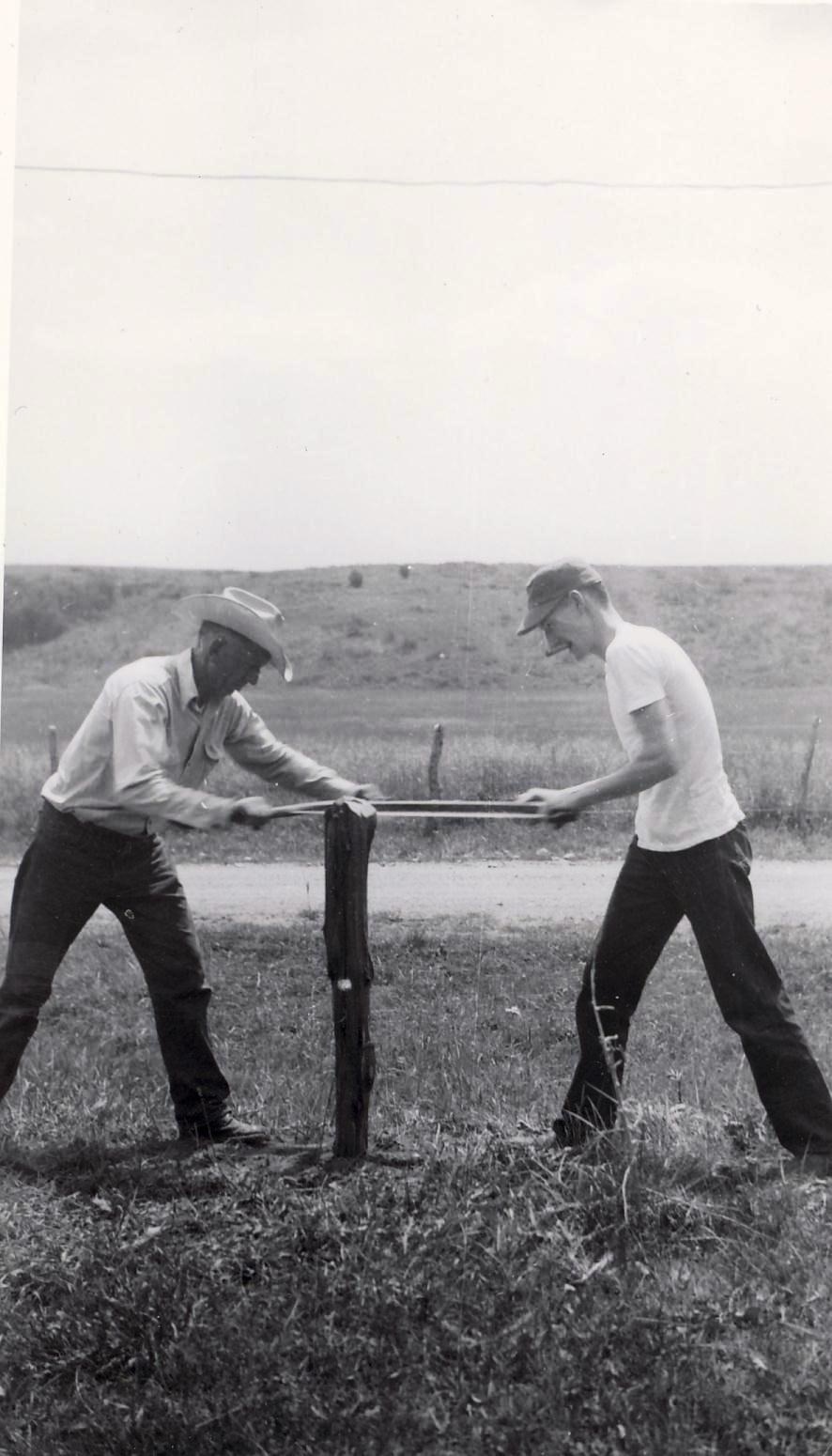
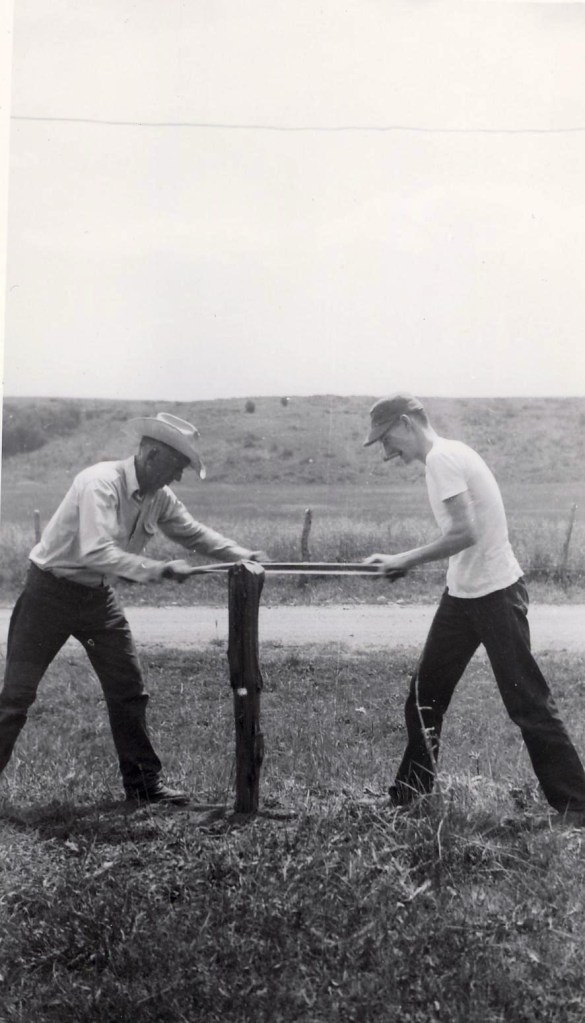
    My grandfather and great grandfather working on their family farm.

    Work is how we reconcile ourselves to our worlds, our surroundings, and to each other. Work is a natural process that unfolds in people as well as in other aspects of nature throughout all of time.

    As such, we should probably deem it worthy of some respect and attention, right? Yet a Gallup pole shows that, along with dissatisfaction, workers also report high rates of disengagement and unhappiness.

    60% of people reported being emotionally detached at work and 19% as being miserable.

    50% of workers reported feeling stressed at their jobs on a daily basis, 41% as being worried, 22% as sad, and 18% angry. 33% reported feeling engaged.

    Something is amiss if so many people report being unsatisfied with their work lives. People typically have working lives that span a period of forty years – age 25 to age 65, roughly. For those of us who started working in our teen years, that window of time is even longer. Would anyone want to spend that time feeling disengaged and unhappy rather than being engaged with meaningful work and productive behavior? So where is the disconnect, and what do we do to remedy these issues?

    Goodwork is Natural

    There is a misunderstanding about work, stemming from the definition we use to categorize work in the human sphere of activity. But if we look at the natural world for examples of work, we find it as common as the work we are inclined to do as people. The beaver goes about cutting logs and making dams. It is their home, and it is fundamental to their nature as beavers. In order to create it they must do good work.

    This is the same as with the bird’s nest, the dung beetle’s dung, the dens of any number of forest critters. In order to connect themselves to their world, they each must do their work. Even the worm, the greatest little workman the world has ever known, creates a layer of soil fertile enough for the rest of life to function in abundance, and they do this work unassumingly beneath our feet, content to churn through the dirt in obscurity. The worm’s work is part of his existence, it is woven into the fiber of his being, and it builds the world which we stand on.

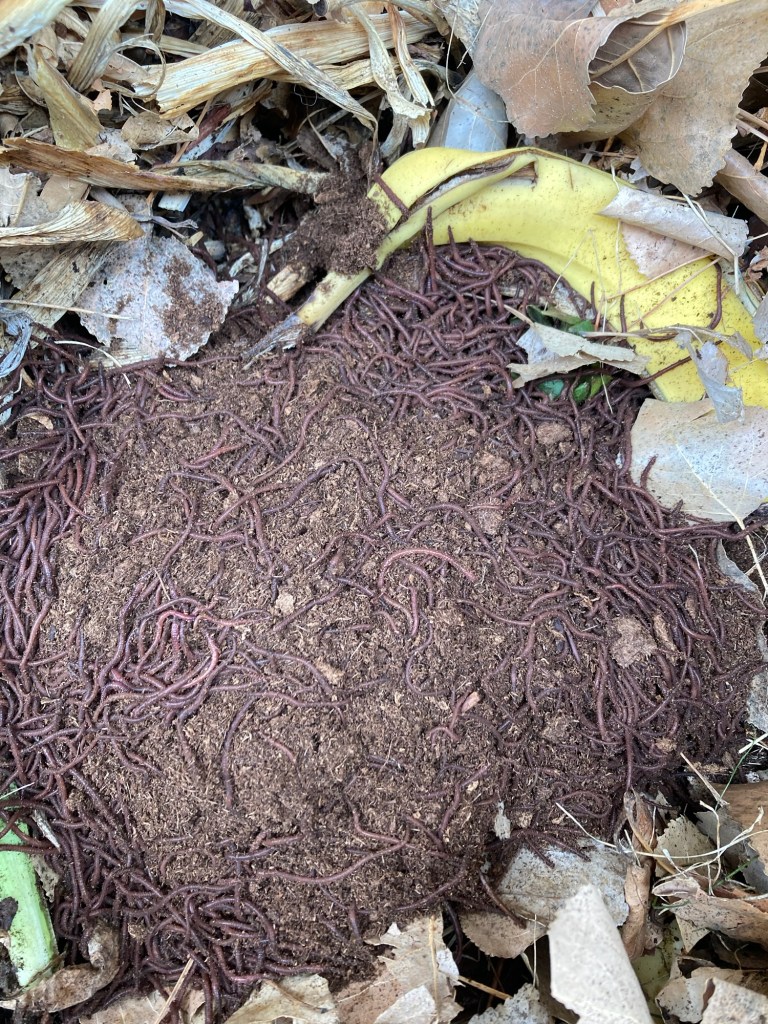
    Composting worms are introduced to their worm bin.

    “If a man is called to be a streetsweeper, he should sweep streets even as Michelangelo painted, as Beethoven composed music, as Shakespeare wrote poetry.” – Martin Luther King Jr.

    Frequently, I have heard the lament that “Humans are the only animals that have to work.” And while I understand the underlying sentiment and the frustration that goes along with it, I would say that all animals must work in order to live. It is only that the work of the animals is hardly recognizable to us as work because it is so engrained in their nature. When we see a bird collecting worms or making a nest, we do not say to ourselves, “Look at that robin, hard at work.”

    Our goodwork should resemble something like this. It should be so tightly woven into our nature that onlookers should be curious as to whether or not it is actually work at all. Our work should not be something we ‘go to’ but something that comes from us. I have never liked the term ‘work-life balance’ and would instead like to strive for ‘work-life integration’, in which my work and my life are harmoniously joined together rather than demanding portions of myself be doled out equally.

    Goodwork Involves the Whole Person

    Part of the frustration in the work that humans have come to do is that it has become highly specialized, fragmented, and noncreative. For example, I had a highly specialized job once packing medical materials. I stood on one spot by a conveyor belt and would place one alcohol swab in the plastic pack as it passed by my station. That is all I did for eight hours a day.

    By fragmented and noncreative, I simply mean that the work is separated from any satisfaction that could be earned from an end product. It does not satisfy our need for creativity because nothing ever comes to fruition under our watch in these deadend jobs, we only contribute our small part and then clock out.

    In an ideal goodwork, one would find a path toward personal growth and self development. This would be part of the process that Carl Jung called ‘individuation’, or becoming yourself. Our work reflects this pattern, and if we are allowed to be creative, and to follow our work to the satisfaction of its end result, we can more earnestly develop our unique purpose.

    Some specialization always takes place but it keeps in line with the development of skill, craft, and engagement rather than disengagement or fragmented roles. I was tempted to say ‘repetition’ as an aspect of highly specialized work but I find that goodwork can be equally repetitive, though this may occur in a way that is satisfying rather than demoralizing.

    Our jobs have also become much more sedentary as they have become more about information and processes that demand we be more cerebral. This has led to an unsurprising decline in health. Our bodies and minds are most healthy when they are deeply involved in movement and engagement.

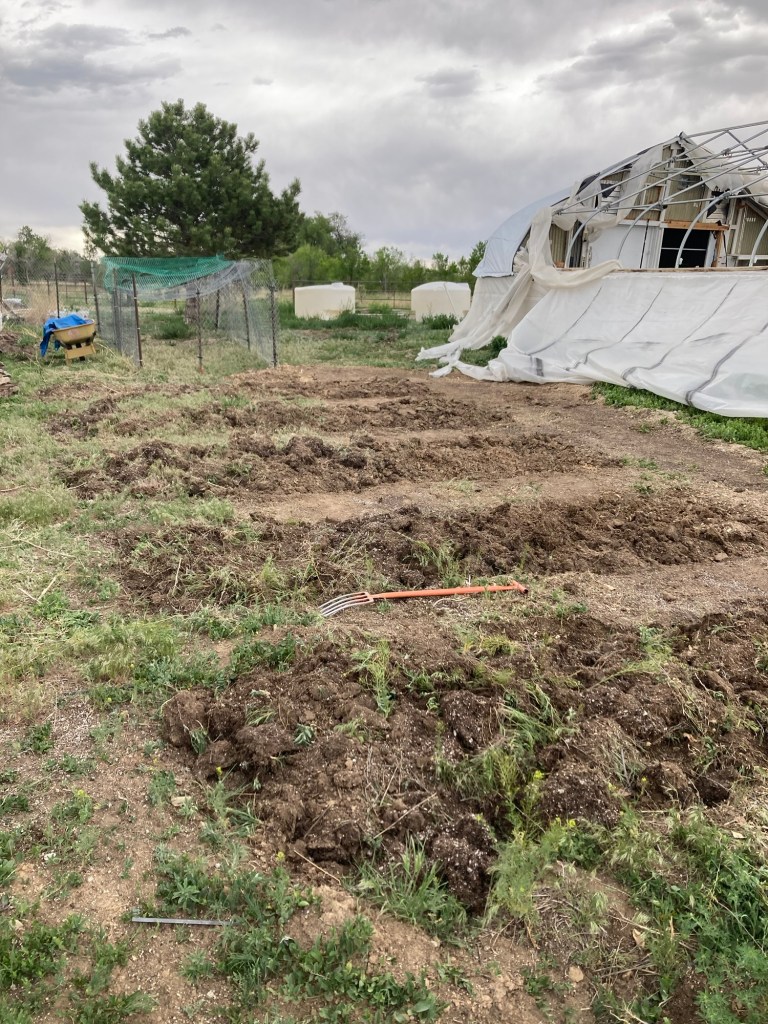
    Digging new garden beds in a field taken over by weeds.

    We are at our best when we are kept active in body, mind, and soul. Finding our goodwork means finding something that contributes to our mental and physical health as we attend to our duties. When I am attending to my farm and garden chores, I am using the muscles of my legs, back, shoulders. I get good exercise hefting feed bags or digging garden beds. My mind is engaged in planning projects, schedules, and organizing resources to fulfill the needs of my customers. These are just simple examples but one can see how such work can be fulfilling and engaging rather than stifling or overly monotonous.

    Goodwork is Peaceful, Voluntary, and Contented

    In this way, goodwork does not resemble the modern ‘hustle culture’ that you see online. Hustle culture asks you to just grind and hustle no matter the idea, the method, or the outcome. This kind of senseless frenzy may sound appealing at first but it is soon found to be exhausting, self-defeating, and empty. If you do not care what you are hustling for, what will you care when you achieve it? Don’t get me wrong, I believe in working hard, in self-discipline, and pursuing and achieving goals. But the way of the hustle is typically smoke-in-mirrors, empty promises, and multi-level marketing schemes that sell a dream rather than provide tangible value.

    Goodwork, then, sets itself apart from hustle philosophies and aligns itself more with conscientious, consistent work that builds upon itself until it compounds into something valuable and sustainable, providing meaningful work and wealth for generations rather than a flash in the pan windfall that the grind promises.

    Those involved in pursuing their goodwork are able to look their customers in the eye when it comes to upholding quality and consistency and these people often want to engage with their client base or community in long term relationships. Steady gain paired with consistent quality, all made possible by the principles outlined here, mean strong and resilient businesses and communities founded on mutual trust.

    When I say peaceful, I mean goodwork lacks much of the self-imposed stress that follows from meaningless grind and hustle culture allure. When I say voluntary, I mean customers know exactly what they are getting and from whom they are getting it, and the producers know exactly what they are producing and go to great lengths to be the best to offer their product. When I say contented, I do not mean complacent. I mean that the work is not filled with a desperate dash for validation or recognition but is allowed to unfold with the dedication necessary for a long-lasting enterprise worthy of respect. If you have aspirations of becoming the biggest, you may not be the best when you get there. If you aspire to be the best, you may become bigger than you ever thought possible. When you get there you will be able to stand by your systems with pride and confidence.

    Goodwork is About Connection

    As someone who has worked in many different roles and in different trades, I believe that our work is important and can be approached in a positive and healthy way, regardless of what we may be led to believe. I want to share my work with the world and I want the world to share its work with me. If I could be so bold, I would love to help others find their goodwork and help them to put their corner of the universe in order.

    “No matter how isolated you are and how lonely you feel, if you do your work truly and conscientiously, unknown friends will come and seek you.” – Carl Jung

    Like nodes in a network, we connect and spread the information we need to grow in every way. The information I seek to discuss and share through this medium is not new or unique but it is my duty to pass along all useful experience to my network.

    My goodwork is Goodwork. Through this blog and other written works going forward, I want to discuss relationships with work, wealth, and nature. I am not an expert in any of these areas. These writings are about musings, discussion, and progress. Perhaps more than its fair share of daydreaming. I draw on the wisdom and practicality of dozens, if not hundreds, of people that came before me and are much more articulate and qualified than I am. The areas I enjoy exploring – gardening, psychology, soil science, history, economics, bugs, personal finance – have been around much longer than I have. I have no illusions of adding any remarkable insights into these things but wish to provide a field guide in order to explore them more easily. I want to synthesize the widespread information that others have made the effort to pass along. I hope I can present this information in a way that each person finds something relevant to themselves and their life’s journey.