Tag: mental-health

  • Replacing your lawn

    Photo by Shazard R. on Pexels.com

    I cannot think of a more tedious and wasteful chore than the upkeep of the typical lawn. Personally, I have always detested the work required to maintain a lawn and have somehow been roped into caring for one in some form or another since I was a kid. Pushing a lawnmower around in the summer heat, watering on a schedule, fertilizing, weeding, troubleshooting dead or dying grass with any number of issues. And for what? The fruit tree bears fruit and the lawn gives us work, that is all it does.

    While this is meant as a how-to, I have inadvertently begun this article as a why-to. For me and for many others, there are ample reasons to get rid of a part of (or the entirety of) your lawn. 65% of homeowners now prefer a lower maintenance yard. And there are promising trends in the percentage of people investing in sustainable or edible gardens, pollinator gardens, as well as drought-tolerant plants and landscape designs.

    There are some other promising and useful statistics out there as to the incentives to replacing a lawn. Sufficient landscaping can reduce the heat of an area anywhere from 5-10 degrees. Native plants use 50-75% less water than turfgrass, landscaping mulch can prevent erosion, and xeriscaping saves 50-70% on water bills. Native landscaping cuts pesticide use by 80%. Bird-friendly landscaping can increase bird populations 40%.

    There’s a lot there to unpack, and some incentive for just about anybody. Lawns can cost some real dough – the average family spends about $500 per year on landscaping services but that does not factor in time and energy spent by the average American taking care of their own lawn or yard, not to mention the amount of money spent on water, tools, and materials if one would do this work themselves. Switching to a lower maintenance yard can save money, and that money saved year after year after year is going to mean the kind of green you can really get enthusiastic about!

    If you are interested in being a part of the natural landscape and being involved in the wildlife of your area, then you’ve got all the motive in the world! Helping bugs and birds thrive, making your yard more habitable to everything (including YOU), and being able to enjoy the beauty of a cultivated but wild landscape that bursts with color and life. Sounds like a dream!

    Elements to include when replacing your lawn

    Flat and green. Low-maintenance ground covers can be drought-tolerant, foot traffic tolerant, require little mowing or none at all, and can still provide the blank canvas for activity that a lawn is typically sought out for. Families with children who want a large, open area to play in seem to gravitate toward flat groundcovers that still look healthy and feel comfortable on the bare foot, should the need arise.

    Photo by Ted GoldBerg on Pexels.com

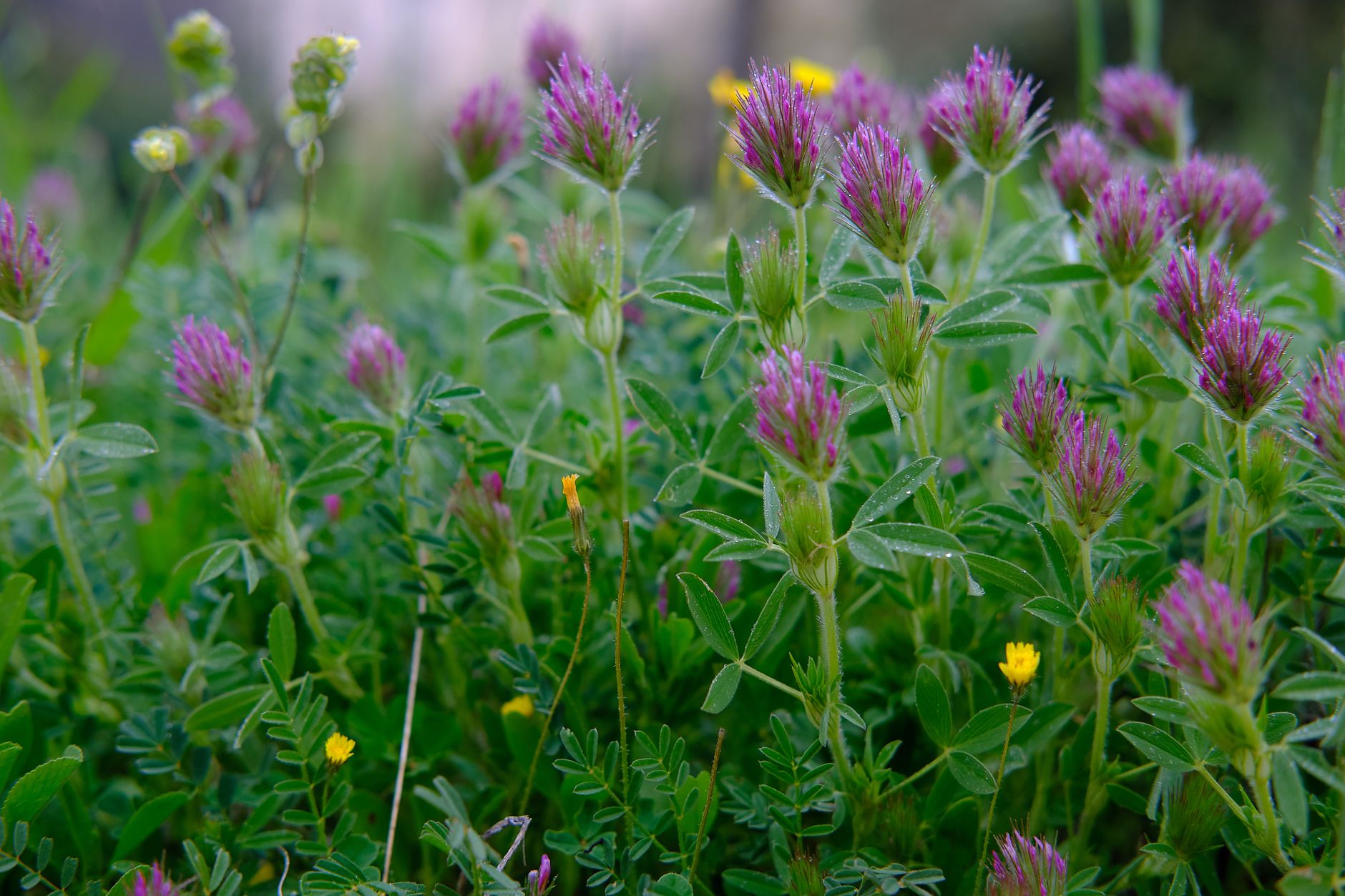
    For low maintenance groundcovers, I would recommend the gardener to look into blue star creeper, Corsican mint, veronica, clover, or creeping thyme. These grow very low to the ground and require little to no maintenance, can be tolerant to foot traffic, and even have little blossoms that can be a pretty addition to a lawn which grasses do not provide. Preferences will decide which would be most suitable to your landscape and climate, as well as your personal taste in aesthetic. Mixing and matching could create a neat patchwork of different smells, textures, and appearances that would make your lawn even more interesting.

    Rocks. I think the strategic use of rocks in landscaping can add interesting texture and naturalistic aesthetics to the yard. But when they are used incorrectly, they can add a lot of headache and extra work. I have seen people spread rocks over the entire surface of their yard, acting as a mulch. The issue with this is that rocks make reworking the landscape much more difficult. If you need to access irrigation or replace older plants, you are in for quite the chore moving layers of rock whereas a true mulch is lightweight and easy to work with.

    Photo by Haneul Trac on Pexels.com

    Another issue with rock as a mulch is that it absorbs heat, often making your yard or garden noticeably hotter and more uncomfortable during the afternoon or early evening hours, when you are most likely to be in your yard or garden. Many people think that putting down weed barrier or landscaping cloth then covering it with rock will be a great way to prevent weeds and reduce their need to water. While this certainly does reduce the need to water, weed seeds will still accumulate in the nooks and crannies between rocks and will sprout on top of the weed barrier and grow well with relatively little material for their roots to grow in – I mean, these are weeds, there’s a reason they are hard to get rid of: they grow really well in just about anything! Then you will be forced to kneel down in the rock mulch (ouch) while it radiates its heat (oof) as you pick through layer after layer of rock to pull the weeds out (yikes).

    If your goal is to reduce weeds and watering, I would recommend filling your landscape with native plants and a deep mulch of some lightweight material. The native plants will not require much watering, if chosen for your climate, and the deep mulch will retain more moisture and reduce weeds while feeding the soil as it degrades.

    As for the proper use for rocks, I would recommend using them sparingly to outline beds, separate different slopes to prevent erosion, or to accent natural features. When used with the other elements listed here, they can provide a lot of different benefits to a varied and interesting garden.

    Native plants. Obviously, this was going to be mentioned several times in this post. The interest in lower maintenance or sustainable gardening is on the rise and native plants are the mainstay of these new gardens. They are naturally adapted to your environment and so require the conditions that are readily available in your area – they do not need extra care or extra labor to thrive. There are so many different types to choose from that the combinations are nearly endless. Flowering perennials are my favorite, as I love to watch them return in the spring to signal the end of another long winter, and then to follow their progress through the season. I love to see them grow tall, flower, attract insects and birds, and finally to fade and decorate the landscape once more in the fall. But you can also spread seeds of annuals in the spring and watch them burst into life.

    Photo by Aliaksei Semirski on Pexels.com

    You can grow just for greenery. You can choose your plants so that something is always in bloom throughout the year. You can attract specific types of wildlife if you do a little research to see what they like to eat or where they like to make their homes. Something will always grow in the garden, whether weed or flower, why not choose what grows and make it something useful, productive, and beautiful?

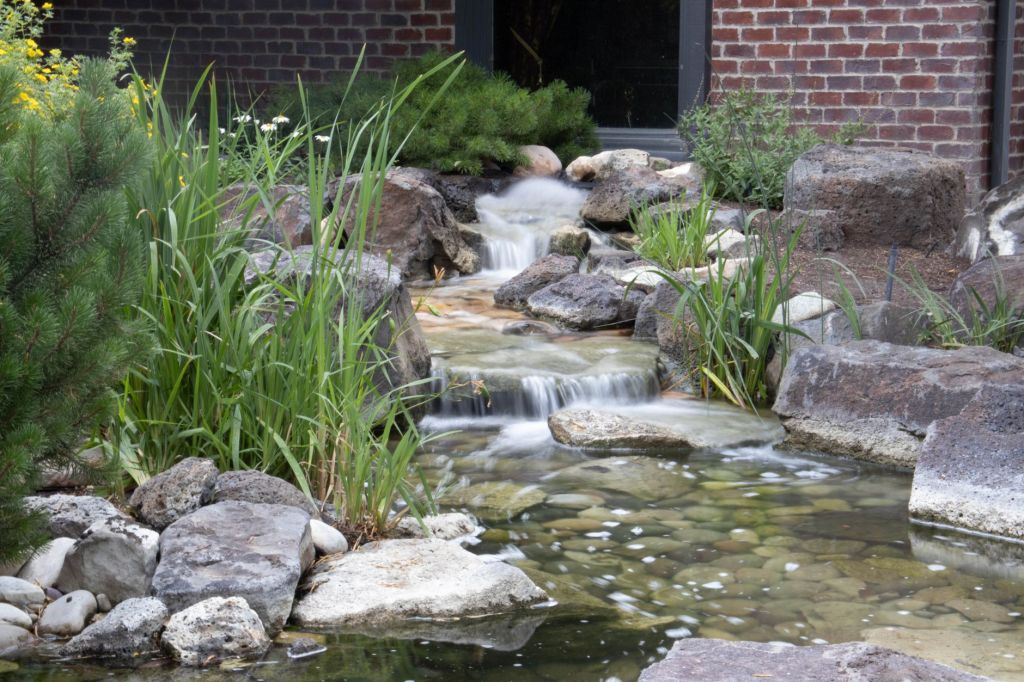
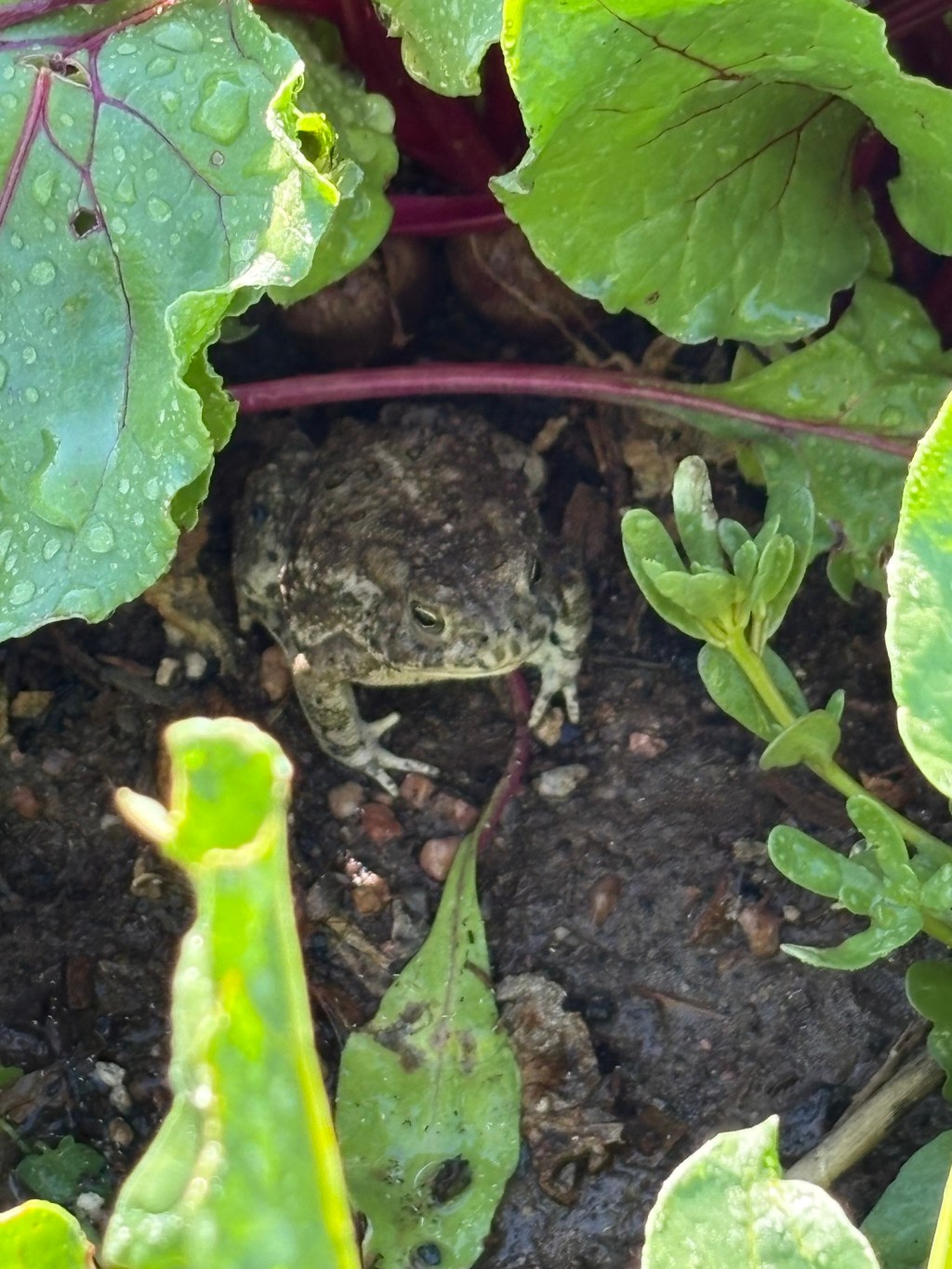
    Water features. This is a landscaping element that often gets left out of the garden plan. But if your goal is to attract all sorts of life to your garden, you’ll want some type of water feature. You can start fairly cheap with bird baths or basins or introduce a pump and some power to make flow. Building a shallow pond could provide the habitat for a frog’s entire lifecycle, or the breeding grounds for dragon flies, damsel flies, and a dozen other insects.

    Edible landscapes. Nowadays, I get caught up in the perennials and the habitat aspects of gardening but it wasn’t long ago that I focused almost entirely on productive edible gardening. For most people, when they hear gardening they think of vegetable gardens. I would love if one day I could have thousands of square feet for gardening fruits and vegetables but right now I content myself with what I can grow in my containers.

    Photo by Ingemund Sku00e5lnes on Pexels.com

    An edible garden doesn’t have to be your main source of food or even very serious, it can be a handful of heirloom tomato plants because you like the taste of fresh summer tomatoes, or pumpkins because you like to watch them vine. Many people have found joy in raising a vegetable garden and harvesting delicious food, along with raising chickens or goats in their yards too. Having an edible landscape is nice because it reminds you of your intimate link with nature. Food does not come from a shelf or a bag, it must be grown. Whatever one can do to increase their relationship with this process, it does something to help with mind and spirit.

    Trees in your landscape can reduce ambient temperatures and create a pleasant atmosphere while providing habitat for local birds and insect life. Mulch can increase soil moisture and lessen your water bill. Water features will attract all sorts of life from all around. But at the end of the day, make sure to provide a space and habitat for that one elusive creature that keeps the garden going year after year – you! Plan walkable paths, beautiful aesthetics, relaxing corners, and mobility-friendly plans that do not put a huge strain on your body. Raised beds can reduce your need to stoop or bend. The right tool can reduce your work by half and make it more enjoyable in the meantime. Make sure you can easily gain access to any part of the yard or garden that you would like to interact with or work on. And whatever you decide to do for your yard and garden, make sure it is something you care about and have a passion for, something that you are excited to see in the morning and tend to in the evenings.

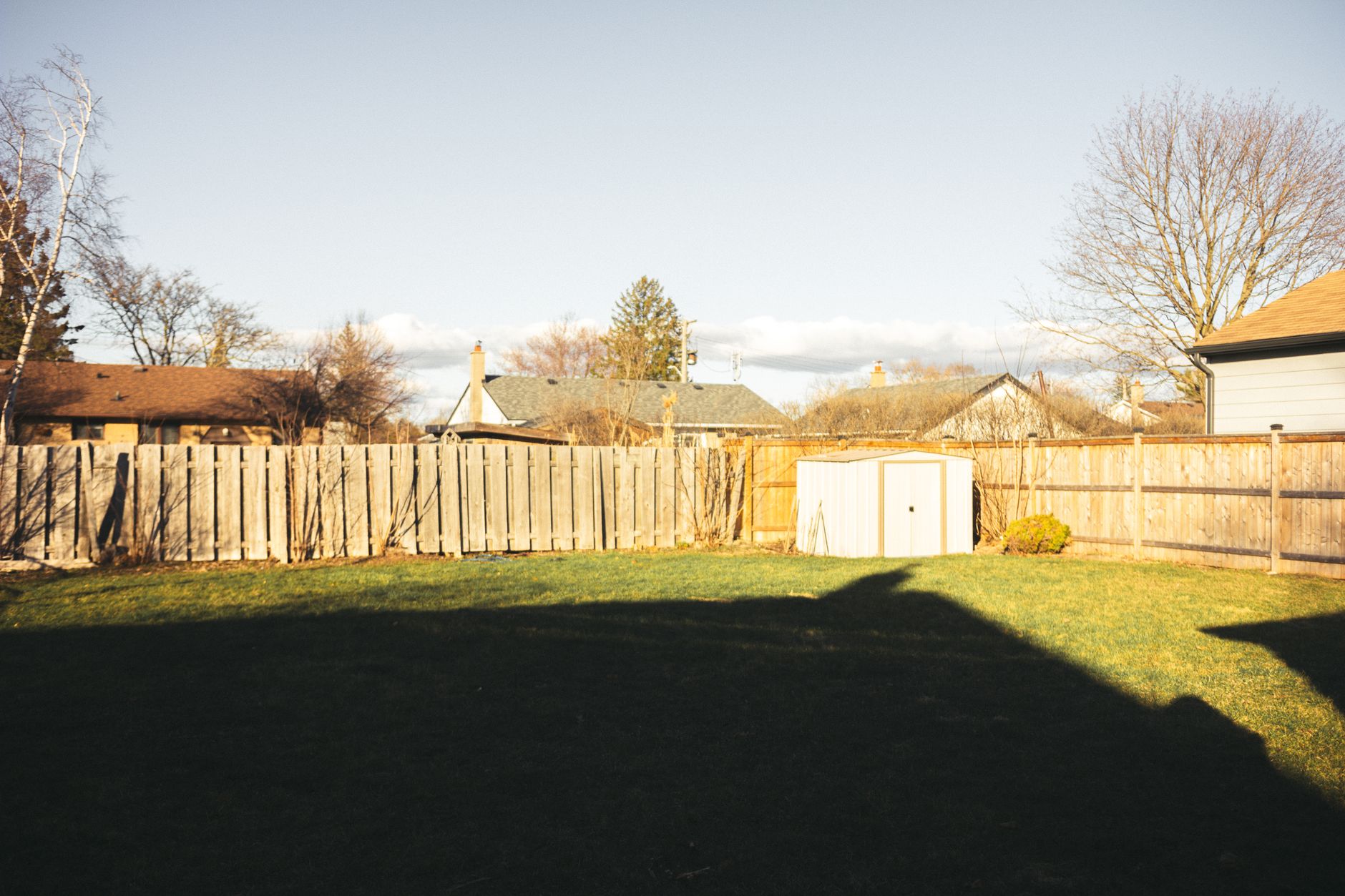
    My yard is around 900 square feet. Because it is a rental, it is part lawn and part gravel. If it was my yard, I would plant two or three trees, some flowering shrubs, build ten or so raised beds for vegetables and then border the fence with all sorts of perennials. I would have a small pond for frogs, toads, insects, and birds. Maybe some bird feeders and houses for the odd robin that wants to make this their home. I like to imagine what a space could be and to imagine the changes I could make to the wildlife in the area, as well as to my own wellbeing. It would feel good to take a barren yard and to create a little oasis. These are the things I love, what kind of yards and gardens do you love? Make it your own!

  • Midsummer

    Growth is not the Goal

    We have arrived at the longest day of the year once again. With this and other astronomical events, I have always enjoyed a meditative pause on the passage of time, the slow evolution of the season, and the deepest expressions of nature that pour out of every corner of the landscape and become like recognizable features of a close friend. You can get to know them and see their moods and traits returning each year and you can celebrate them and love them. This year is no different. We celebrate the longest day, bask in the generous helping of summer light that we are given, and meditate on what this means in itself as well as what it means for the months to follow.

    As I look around the landscape, it is overflowing with lush, green foliage that felt almost impossible just four months ago. The longer days give themselves to an abundance of activity and you can see it in the faces of the people you pass in the street. We are all going somewhere, doing more and planning more, overwhelmed with the possibility a day holds which in winter was only a hope. Getting off of work in the dark does not really add to one’s motivation but when the sun is out until nearly nine o’clock, suddenly the day takes on so much added possibility, you are inclined to take advantage of the extra time. We may never think of it consciously but our internal clock, the wisdom of our bodies, remembers the cold and dark nights that last so long in December and January. It is urging us to explode with as much life as the landscape in which we find ourselves.

    It is important to stop and note this longest day, as it will soon recede into late summer evenings, and then the crisp days of fall and finally, like a rising tide, the winter will come again. On some level, we must remember how constraining the winter can be so that we can more fully enjoy this summer season. Here we stand on the precipice and then we begin our descent again. It is a time filled with meaning and passion, here for us to act upon if we wish.

    Nature provides us with many relevant metaphors for the living of our own lives and this season is no different. I looked around the garden the other day and realized an important truth about gardening and life in the midst of June: everything is overgrown and almost heavy with life and yet this pinnacle of light, the solstice, cannot be considered the end goal of all this abundant growth. It is almost as if this outpouring of growth is the construction of an intricate background which will decorate the stage on which the real activity will begin to play itself out. Growth is not the goal. Growth alone cannot be called fulfillment or purpose. Growth plays toward the fulfillment of some purpose outside of itself.

    Imagine a fruit tree which becomes dense with new branches and leaves in the spring and is thickly covered over with this life in midsummer. How ridiculous it would be to assume that this was the endgame of all its efforts. Of course, we can say, this is only really the beginning of its effort to set flower and fruit, to become full and heavy by late summer and fall, to strive toward that all-out expression called the harvest. The attainment of perfect expression for a flower is its open blossom, not the thicket of greenery it produces in late spring. All of its effort in unfurling its leaves is effort towards attainment beyond itself.

    Growth is not fulfillment. There is a distinct difference between growth in certain areas of your life and finding purpose and fruition in these areas. The difference can be seen in the separation of quantitative measures of success and qualitative measures of success. You may have a lot of money – this is quantitative success. But what are you able to do with it? This would be a qualitative answer. You find yourself overwhelmed with activity and surrounded by relationships but what meaning do they create, where are they going? You build muscle in the gym, maybe lose a certain amount of weight, you can lift XYZ number of pounds in deadlift or squat. But what do you do with your bodily strength and energy? Perhaps you build strength for its own sake but the purpose of strength can be found in some applied good, some purpose outside of itself.

    This midsummer, I wanted to meditate on the idea of measuring success qualitatively. We may be used to ascribing a numerical value to our successes because this is the easiest way to measure progress but our progress can also come in how we feel in our daily lives. We can progress in how much we believe in the effectiveness of our effort, how much we believe in our internal locus of control, essentially. The timid and unsure novice attains experience, mistakes, and finally the proof of their success. The evidence of their success may be quantitative but the fact that they proved to themselves that they were capable is a qualitative measure. We could measure our success by the level of independence we have created – perhaps we no longer rely on the day job and we can do more of the things we are truly passionate about.

    A huge achievement for many would be creating a life you do not want to escape from. This cannot easily be measured quantitatively, it is a quality of life we must find for ourselves. Doing the same things with much less fear and anxiety is a massive success but a success which is not as easily measured as money in the bank. Some people work tirelessly for tangible wealth while others work to be free from the people their circumstance has forced them to be around. Being able to live your life around the people you most want to spend your time with is a win. It means bliss and success.

    Often, we get entranced by convincing others we are doing well rather than pursuing the goal of actually doing well. Proving our success often inherently comes with quantitative measures, as that is the easiest thing for others to see and measure in someone else’s life. How many houses and cars do you own, how many vacations do you take, the list goes on. But the qualitative measures are personal, refined, and difficult to express to someone other than ourselves. Contentment, fulfillment, purpose, a commitment to life, a meaningful connection to others. These can be difficult to measure and difficult to display for others but if you have a trained eye you can recognize it right off.

    When you see someone truly living in their purpose, there is a hint of it in every move they make and every word they speak. They live comfortably in the world and in their skin without being affected by others or by circumstance. Their preternatural calm is infectious, their faith in themselves and their abilities dyes every moment with confidence. If you are attuned to this reality, you can see it. If you are not, you will be looking for some sign or quantity with which to measure their success and you will lose yourself to irrelevant calculations.

    This is not meant to discard quantitative measures entirely. This is not meant to dismiss growth in all areas of your life as unimportant. Because growth, in us as in the natural world, must precede the deeper expressions we can make of ourselves. As I mentioned earlier, the massive undertaking of growth in spring, at its height in midsummer, sets the stage for the fruition that takes place later. Wealth, strength, influence, connection – growth in these areas is an important prerequisite for qualitative success in other areas. Having resources means having more options, which means having the responsibility of impactful decisions. Having strength and energy means having the ability to do more for others and for yourself, it means developing a larger bandwidth for life, to show up for your relationships and community in ways you would not be able to if you had not developed such a capacity.

    The key is not to get caught up in quantitative measures for themselves. This is where shallow obsession with cash comes from. This is where the hyperfixation on GDP and economic growth comes from, separated from wellbeing and standard of living. Steroid abuse, diet trends, quick fix drugs, destructive mentalities tied to impersonal measures of success. The capacity for growth, turned back on itself rather than aimed at a higher purpose, becomes malignant and inhuman. The human world has gotten caught up in the sterile and numerical measures of life and, as such, no qualitative success can develop from it.

    On its surface, this may appear to be a strange lesson to learn from the longest day of the year. It feels necessary and relevant. Though we may not consider it, we are still deeply embedded in the ebb and flow of the seasons and the solar year, the movements of nature and its deepest lessons. It still informs our lives though we think we are separate, above it. Looking back to the shortest day, looking ahead to the dwindling light of fall and winter, we find ourselves on the precipice, bathed in light and potential. We take the time and the growth for granted, but we do not have to.

    Meditations and Practice

    Where in your life have you done well quantitatively? Net worth, athletic achievements, awards and accolades, number of projects completed? Now, what measures of qualitative success can you find? Which seem the most important to you and which would you like to cultivate over the next year, from this longest day to the next? How would you like to feel in the next year and what would you like your life, relationships, and work to look like?

    Practice the balance between quantity and quality. Try to make the same or more money (quantity) doing more meaningful work (quality). Try to spend more time (quantity) pursuing goals of connection, awareness, and authenticity (quality). Incorporate more projects or activities in your life which do not have a clear return or measure and see what qualities you can find in them or in yourself which you had not experienced before.

    Thanks for reading!
  • Making the Leap

    Making the Leap

    Finding and pursuing your goodwork

    Many people will begin the journey of their life’s work doing something entirely irrelevant to their nature, their goals, and perhaps even their character. I started work at seventeen at my local movie theater, working the concessions counter part-time on evenings and weekends. From what I can recall, I was paid a low wage to get berated by the general public because they made the mistake of ordering movie theater nachos and hotdogs. This was my first encounter with work. And it was not great. It was also where I grew my appreciation for employees in the service industry, a place where brave hearts fear to tread.

    Throughout my twenties, I worked a handful of odd jobs. I traveled both Europe and the U.S. working on small farms in exchange for room and board. I worked in a bookstore, as a house painter, as a plumber. I worked one shift as an overnight shelf stocker at my local grocery store before deciding it wasn’t for me. In each job, I felt keenly that I did not belong. Each time I tried something that did not work out, I felt a lot like I was being rejected by the world, like I would never belong anywhere. There was always going to be this friction or resistance when I wanted to pursue some aim.

    What’s worse, I looked around and some people were actually passionate about their work. They didn’t drag themselves to their jobs, they didn’t complain about the ins and outs of their profession. They liked to work. And it wasn’t an isolated incident! You could see people working in restaurants, gyms, bookstores, offices, landscaping companies, and they actually wanted to be there. You could see it right off, it was something in their eyes.

    I wanted to have what they had, I wanted to do something that I felt connected to, that I could be engaged in. I wanted to make something that had utility, that provided value. I wanted to make something that could provide joy, guidance, and beauty.

    In my mid-twenties, I got a job in assembly manufacturing, gluing one part to another part and screwing wires into circuit boards. It wasn’t what I wanted but it was something. It was in this period of my life that I started to change how things were going to be. I had changed my attitude toward my path. I wasn’t going to quit at the first chance and I wasn’t going to let the negative aspects dissuade me from continuing on.

    As I was soldering circuits at work one day, I had my first mental glimpse into the future that I wanted to create. Since then, I have realized the various pitfalls common to this process and I have discovered some practices in mental outlook that have helped along the way.

    This, by no means, is to suggest I have attained success and prestige in the field of my goodwork but merely that I have found the path and have begun to understand the process. I hope the same for others. When travelers meet, they may talk about the places they have been and the experiences they have had there. They say things like, “Did you ever make it to Edinburgh? Me too, there was a little pub there I always liked.” And then maybe, “Oh yes, we went in late summer and the weather was nice but I returned some years later in March and it was much colder than I would have liked. But all the lines were short and the castles empty for us to enjoy alone.” That’s something along the lines of what I aim for here. Travelers meeting and exchanging notes.

    EFFICIENCY v. EFFECTIVENESS

    One of the first lessons you learn in any pursuit is that things do not go smoothly in the beginning. The beginning of any endeavor has us accruing endless costs and expenses and the few wins here and there can spur us on but certainly do not begin to cover costs, let alone provide for growth.

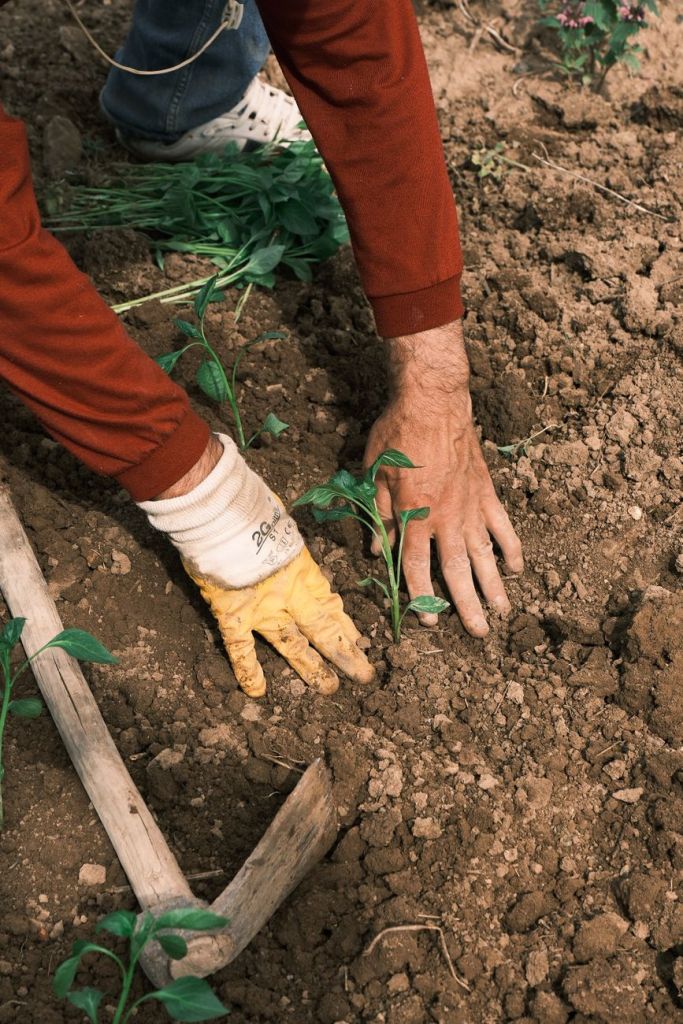
    When I began my various gardening projects, I wanted things to go smoothly and efficiently. Digging garden beds in the sun feels anything but smooth or efficient. But I would remember that the point of digging the beds was not to be efficient, as it only had to happen that one time. The point of these large time and labor costs was to be effective. To get it done and get the plants in the ground. So, it took several more afternoons than I had planned to get the soil prepared, and it took more than one trip to the hardware store for different tools and materials. The costs kept mounting and it destroyed my expectations of a smooth and inexpensive project. It didn’t matter. When the project was done, the garden was ready for the planting and I would never have to dig the beds out again.

    The same is true for other pursuits. School, for example, is not an efficient process but an effective one. It is more time consuming and more expensive than you plan on but the point is not to get to the end as quickly and efficiently as possible but to put the time and study in that is required for you to get your degree. Going through the effort to set up the assembly line takes the majority of the time and energy and then when it is running smoothly you can put your mind toward efficiency and productivity. You will not make a ton of money on your first few clients, or on your first transactions with a new client, because creating the new relationship is about effectiveness, not efficiency.

    Advice for this phase of your goodwork involves mostly mental rewiring. Because this phase does not involve the gratification of rewards but the collection of costs, it can be discouraging and frustrating. Try to adopt an attitude towards these challenges that reinforces your path – they are like milemarkers showing you the way. They may test your commitment, make you question your abilities, but they tell you that you are on the right path toward achievement.

    Try to separate your activities into projects and production. Projects are your high cost endeavors with no return in the short run. Production is highly rewarding and more efficient. If you make the mistake of thinking your project will be as efficient as your production, you may become unnecessarily discouraged and frustrated. Instead, take it for what it is. Keep the faith that this project will eventually lead to an increased capacity for whatever your goodwork is, and do the work with that in mind. High expectations and delusions of grandeur will burden your mind and your project and may turn into procrastination, overwhelm, and maybe even quitting.

    LOGORRHEA, THE ROLE OF PLANNING and ORDER

    Logorrhea is defined as the excessive use of words. The way I use it here, I am also including other logical forms like plans, dreams, expression, calculations, thoughts, and discourse. It is quite common that people will get trapped in a state of logorrhea when they go about beginning a project or task. They talk about doing it, they fantasize about it or the rewards they will get from it, they will read about it and watch videos about it, they will write out detailed plans and to-do lists about it, they will crunch the numbers about it. Going even further, they will chastise themselves for not doing it sooner or not doing it as good as someone else. They will hate the obstacles and focus their energy on them rather than their aim. They will look for recognition and accolades, they will search for reasons, answers, and reassurance. They will imagine the perfect circumstances, look for them, wait for them. But all of these things have one thing in common: none of them will replace actually doing the thing.

    To avoid this pitfall, try to keep your planning, accounting, and advertising in balance with actually doing the work, making the product, and pursuing action that brings substance. These planning activities should be limited to a small percentage of your time and the rest of your time should be used in working the plan and bringing it to fruition. There is always going to be a need for thorough plans and accurate accounting but the key is not to be carried away by the allure of purely abstract thought. You think, “Maybe if I change this around a little bit, I can make a few extra dollars per unit and then if I increase my sales by about ten percent a year it will compound to this amount after ten years and if I just capture one percent more of the business in the market I can make this much more money…” And soon enough you’ve done nothing but crunch numbers about goods and services that do not exist. You can’t eat a garden plan, so be sure to plant those tomatoes!

    Do not complain, do not explain. It is my impression that people engaged in work waste precious time and energy in two key areas – complaining about the work and explaining themselves. There is a time and place for the expression of these two things. If something is bringing about far too many complaints, maybe it is time to sit back and consider if there is a better approach. And explaining yourself to others will always be necessary in this world of navigating other people, until we become telepathic. But watch carefully that you do not give in to endless complaining that has no ideas for betterment – this is whining. And make sure you are not spending excessive time and energy explaining yourself to others, as this may build the habit of seeking validation from others rather than satisfaction in the results of your work.

    MAKING THE TRANSITION

    “Do what you can, with what you have, where you are.” – Theodore Roosevelt

    This cannot really be called advice but is actually an immutable law of nature. We have to focus on what we can do since the alternative is what we cannot do. We have to use what we have since it is impossible to use what we do not have. And while we may end up in different places and conditions throughout our journeys, we must recognize in each moment where we are in reality in order to make real progress. The grass is greener where you water it.

    People start their journeys toward their most meaningful work from all different backgrounds and positions. Some find a way to make it happen with relatively little education or support, these are entrepreneurs and business owners. Other lines of work like medicine or teaching require more educational inputs and involve a long process of improvement that is not as open to ‘overnight success’. I certainly don’t want to get surgery from someone who did not go to medical school and is just hustling for love of the game.

    Whether the journey to your work is long or short, it is common to start from a place that is far divorced from the path you’d like to be on. Personally, I have been working in assembly for several years now and am actively engaged in changing that path. I am not sure what that will look like over the next few years but I know I will continue to work to get closer to doing something I care about, which helps others, and in which I can become a true master.

    Patience is a difficult concept to grasp at times. The moment you think you have achieved patience, you start looking around for your reward… oops! That’s the point of patience! Keep going. There will never be a moment when you outgrow the need for patience. There is no one-size-fits-all answer to how long your journey will last but let’s just say, for the sake of ease, that it will last you the rest of your life. While you are on the way, make sure you are becoming the type of person you would like to be, someone you can be proud of. The daily work does a little work on us, too, reforming us like clay over months and years.

    Begin your journey where you are, have the humility to recognize and respect your starting point. It is easy to get used to the movie montage transformation, the zero-to-hero training sequence, the overhaul makeover, and the end credits rolling at the perfectly written conclusion. Our lives are not like that. They are littered with beginnings and endings of many different phases, interests, and personalities. This could be said to be the reality of goodwork. There is no end to goodwork because there is no moment in your life in which you would ever be content to live without connection, value, or creativity.

    CONTINUOUS IMPROVEMENT

    The silver lining to the fact that you must start where you are is that you can also improve much faster than you think you can. As long as you are continuing to be honest with yourself about your limits, your resources, and your starting point, you can begin to make small gains in skills and resources that will compound over time.

    A pitfall to avoid: assuming that your progress will always look the same as it does now, when you are beginning your pursuit. If it takes someone six months to save one thousand dollars, they despair that it will take them decades to get to where they want to be. But they do not account for the process of continuous improvement that they will undergo as they keep to their journey. In this example, they may begin to earn more as a result of a job change, they may find unnecessary expenses to cut from their budget, and the money they have saved begins to earn interest. They thought it would take them several decades to get to their goal but it ends up happening at an accelerated rate.

    The prerequisite for continuous improvement is to commit to life and engage with the work. If you are constantly looking outside of yourself for happiness and fulfillment, you forfeit the ability to create your own. You will not be able to improve on something you refuse to work with, so you must be dedicated to this practice.

    It may be discouraging to begin with little gains here and there. Certainly, these first improvements will seem unremarkable or insignificant. You may even feel embarrassed that things are going so slow, or that you are not making the leaps and bounds you envisioned for yourself. Consistency above all else will win you continuous improvement.

    Conclusion

    So, you start where you are. It is anything but perfect. The goals you wish to attain are specks in the distance. The point is to begin. Not to begin perfectly, not to fulfill your potential all at once, but just to get started. This is one of those pesky lessons you have to keep learning all your life. To be honest, I am not good at it. I have always wanted to be the prodigy, the natural, the chosen one. I want to pick things up quickly and without effort. That is a habit we have to work on, to learn that effort and work are glorious things to undertake and not an inconvenience from which we should escape.

    Thank you for reading!
  • Farmstrong

    Farmstrong

    When personal development is discussed, strength is often one of the first attributes people desire. Perhaps they feel physically weak or ineffectual, bullied by others who are bigger and physically stronger. They want to get stronger so that they never have to feel so small again. Others do not feel emotionally strong, they feel they cannot speak up for themselves or endure the burden of everyday obligations. They ask for strength so they can make it through another day. If we are to carry on, we must ask ourselves what it means to be strong.

    In our age, virtues and values are interpreted through a warped lens. The virtues or values themselves may be good and useful but because they are distorted by misunderstandings, they are turned into useless and harmful versions of themselves. Through this lens, values such as youth, productivity, efficiency, and detachment are championed to a degree that causes many imbalances.

    Our fixation on youth has made us neglect our health and longevity, as we try to continue to live as children in a dreamy and consequence-free lifestyle. Even when people try to mimic longevity, they pursue it in a way that they may achieve eternal youth. An entire industry of health gadgets promises to make us ‘age backwards’ when we could simply age gracefully, try to live long and happy lives. Many feel the push and the urge that they must continue the creativity and productivity of their youth long after middle age, neglecting the natural limits of our capacities or the developed talents we might otherwise put to use such as wisdom and guidance. And our emotions are not contemplated, integrated, or healthfully processed but shut down, ignored, and treated as inconvenient. This often leads to emotional outbursts that are far worse and more ill-conceived than the original emotions. I think of my coworker making fun of the younger generation for crying while he walks around work berating people and having angry meltdowns every other day. So much better!

    I do feel there are values here that are worth embracing, if only we can find a healthy way to do it. Youth is something that can be celebrated, and we could also put more effort towards navigating the loss of youth and the gain of experience, wisdom, and self-control that comes with later ages.

    Longevity is a wonderful goal. I would love to live a long, happy, and productive life. But it would be unwise to try to remain twenty forever, not to mention creepy and unnatural. Instead, we should encourage the development of our personalities and goals as we age, trying to live healthy lives of connection and value, until we can become the wisdom-bearers, the old sages, the elders.

    Finally, it is wise to learn the nature of our emotions so that we do not let them overwhelm and control our behavior. This is the main tenet of Stoicism, and it has nothing to do with shutting down, ignoring, or rejecting emotion but learning about yourself through emotion, accepting them when they arise, and maintaining your sense of what you can control so that your emotions do not control you.

    In any of these cases, strength is asked of us. Physical, emotional, and relational strength is developed throughout life, slowly, sometimes painfully, as we work to become the truest versions of ourselves and bear witness to others becoming themselves too.

    Photo by Elkhan Ganiyev on Pexels.com

    There is a certain archetype that comes to mind when I imagine the abundant, healthy life of a fully formed individual: the farmer. I imagine them as a burly and stout-hearted person, strong grip, calm eyes under a discerning brow. They are quiet, but their intelligence is demonstrated in the deftness of their movements and the skill of their craft. They do their speaking with action rather than words. When they do speak, each word is dense with meaning. Words carry a premium; words are slow and burdensome compared to the act itself. There are years of setbacks and resilience in their eyes, you can count them like rings on a tree. And after every catastrophe, their strong hands pick up their well-worn tools and begin again.

    Physical Health and Longevity

    The nature of the farmer’s work tends to be physical. There are chores enough to keep the farmer occupied as long as they’d like. Often their work can overtake their personal lives. This is where a healthy relationship to one’s work and person calling can come in handy. We want to be profitably and meaningfully employed but losing health and enjoyment from overwork is entirely possible and should be avoided.

    Photo by ahmad dian fitrah jamaluddin on Pexels.com

    Having regular, physical movement throughout the day keeps the body healthy. Many people today have sedentary jobs or professions and do not opt into a regular exercise routine. Those with physical jobs accomplish both the demands of their work and also the demands of the physical body – to move, and keep practiced in movement, for as long as one can.

    One of the primary goals of goodwork is to ‘Stay as strong as you can, as long as you can.

    Farm chores also tend to include a lot of low-impact movements paired with higher-repetition strength movements and occasionally the high-effort compound movement such as picking up something extremely heavy or lifting something above one’s head. If these movements are done with a mind toward joint care and proper form, they are the building blocks of a healthfully aging body which retains much of its strength and endurance while sedentary bodies tend to wither, break down, and accumulate compounding injuries.

    There is much information available to us now that suggests the importance of exercising our muscles as a practice throughout life in order to improve the condition of our later years. Developing our muscles through vigorous exercise improves four areas that people tend to struggle with as they age.

    First, it will help with balance. Imbalance leads to falls and slips and the injuries from these falls can compound over time to worsen the condition of our lives. The skeletal muscles, their strength and agility, as well as the strength of our core muscles, assist us in keeping balance.

    Secondly, it helps with our hearts and circulatory systems. Many people will have issues with their heart and arteries as a result of sedentary living and diet issues. Regular exercise helps prevent heart disease and arteriosclerosis, the hardening of the arteries over time.

    Third, it helps us keep stronger bones. When the body is sedentary, the bones may become weak and brittle which will lead to breaks. These injuries lead to more sedentary living, in order to give them a chance to heal, but may also affect our mobility and strength forever after. Lifting weights and exercising muscles helps to strengthen our bones and keep them strong even as we age.

    Last but not least, regular exercise helps us keep our minds sharp, improves and maintains cognition. Many people will struggle with routine cognitive issues such as memory degradation and slowed processing time as they age. Some will struggle with more severe cognitive decline such as dementia. Regular exercise can lessen the likelihood that we experience these effects and diseases. These four areas (balance, cardiovascular health, bone density, and cognitive health) are all improved by an active lifestyle integrated with strength movements that prioritize proper form and joint health.

    The kind of physical work I am describing can destroy a person if they are not careful and do not have a mind for their limitations and recovery. There are countless people who have neglected their limits only to injure themselves with recurring stresses, do not pay heed to bodily or mental recovery, and as a result push themselves into a state of decrepitude and decay. A life without boundaries is self-destruction. I have worked with many people, especially in the trades, who have pushed themselves and others beyond their limits and have suffered setbacks and injuries as a result. This kind of behavior inspires negative associations with work and unhealthy relationships with each other, as well as an unhealthy relationship to one’s body.

    Photo by Ebahir on Pexels.com

    Community and Connection

    A farmer’s lifestyle can be said to contain two important relational elements. Those are strong individualism and connected community life. There are many opinions floating around that overemphasize the importance of rugged individualism to the point of isolation. And there are many opinions that disparage individualism to the point of neglecting individual development and expression entirely, preferring to focus on the ideas of community life and collective markers of well-being.

    But what is the community made up of? Individuals. And how can the individual exist without the support and care and connection of the love of their community? You cannot separate the two. If the community is made up of people who refuse to take individual responsibility for their lives, disconnection and chaos ensue. If the community is made up of people who refuse to acknowledge their connection to community members in mutually beneficial relationships, everyone becomes isolated, ineffectual, and hollow.

    Of all the farmstrong people I have met, they have done well to develop both the attribute of their individuality and the deep connection that comes with community-making.

    Photo by Quang Nguyen Vinh on Pexels.com

    Their work is reflective of this. Each farm is unique and specific, it must be worked in a certain way and it is not often that the same methods will apply to many different areas of the land. They must take responsibility for their work, which they do in direct relationship to the land they inhabit. At times it can seem the working farm is isolated or remote, being tucked away into foothills and valleys far from the bustle of the cities and towns, traditionally. But the farmer balances this when they come into town to sell or trade their goods. They must maintain this connection if any of their work is to be meaningful and productive. And often they create a niche on their own land to host visitors, helpers, family, and neighbors.

    I lived and worked on several farms in my early twenties, traveling through Europe and the northern United States. Each farm had deep connection to its community and to the other farmers in their area. On an olive farm in Italy, we hosted a dinner for thirty people working and living on neighboring farms. They each brought their specialty olives, a recipe they each inherited and loved from generations past, and we shared in the moment and the connection of our work together.

    We walked up the hill to town where they were having an autumn harvest festival. The hunters brought wild boar, the farmers brought their food, the locals brought homemade wine. We sang and danced in tents in the town’s parks and we stumbled back to our beds around nightfall. On a goat farm in France, we made cheese and hosted cheese-making classes as well as cheese tasting events. We slept in a hut folded into the treeline, warmed by a little stove at its center.

    Each day was about meeting the current task in a personal, direct way, whether it was collecting the olives or pounding fence posts. It was also about finding connection and harmony within the community we wanted to cultivate.

    Photo by Mark Stebnicki on Pexels.com

    Mental Health

    The nature of the farmer’s outlook tends to be, consciously or unconsciously, practical and persistent. They work with the ground and are, by no coincidence, well-grounded. It is the reality of their work that they must accept unforeseen circumstances and work to overcome them or at the very least to endure them. I think this can be a unique outlook, given these various forces.

    The farmstrong know that they must contend with reality and so their fantasy worlds are tempered by the capacity of their work to bring things out of their imagination. Their continuance in their daily chores and projects suggests a vote of confidence in the future, though they are more than willing to embrace the uncertainty of their lives and profession, with which they are painfully familiar.

    Photo by Makara Eam on Pexels.com

    Experience of the disappointments of life’s endeavors do not embitter them towards honest effort; in fact, honest effort is quite often their guiding light and daily devotional, it imbues all their work with ritual goodness and attention, and the firsthand experience of disappointment cultivates a healthy detachment from the painful images of expectations. ‘Oh, well…’ might be a common refrain of the farmstrong.

    I have often found myself enamored with people of this character, who can so easily have faith in tomorrow that they may content themselves with the honest work of today, this moment. It can be somewhat more common to see the unrelenting plans, schemes, and hollow wishes of those who are resigned from daily life and content themselves with fruitless daydreaming. All dreams and no delivery. I have certainly found myself distracted by endless waves of planning, rather than returning to the humbling act of daily work.

    Photo by Beyza Yalu00e7u0131n on Pexels.com

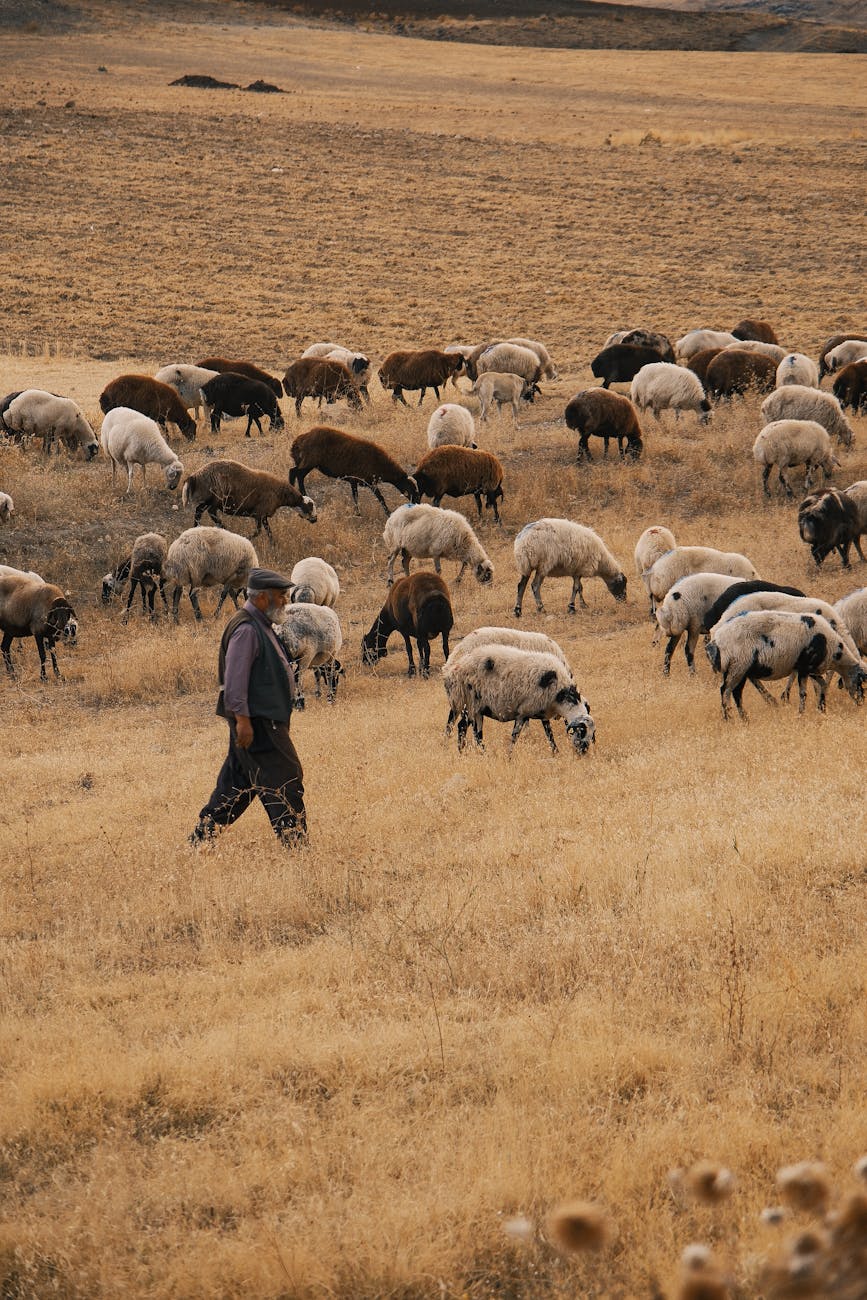
    I have often thought of the farmer as the Stoic ideal. Not all farmers are like this, of course, but the ideal itself is the absolute picture of resilience, courage, wisdom, and virtue. After getting a taste of life on a working farm, you begin to understand why this would be the place to create that tempered steel of pure stoicism – the chores must be done no matter the weather, no matter the circumstances, no matter the mood. Whether it is freezing winter or pouring rain or gale force winds, the livestock must be fed and watered, the work must continue to get done. Whether it is a little Russian babushka tending to the cows or a goatherd in Greece walking the hills and the fields, there are those whose work has polished them against the difficulty of life and as a result they exude a strength and endurance that is without comparison. They may never set out to fulfill this ideal of virtue, and they may never put a word to paper about it in order to describe their process or their thoughts, and yet they have embodied this philosophy better than the most prominent minds of antiquity.

    A word on Stoicism, a sometimes-misunderstood term. I have occasionally seen Stoicism portrayed as the rejection or suppression of emotion, perhaps an enthusiastic withdrawal from life, or a cold and uncaring posture taken with an attitude of disregard. After reading some of the classic Stoics, such as Marcus Aurelius, Epictetus, and Seneca, one may come to know the nuance of this philosophy better and to consider it a great deal more relevant than other systems of thought from ancient history.

    It is not about stifling or repressing emotion but consciously approaching emotion in a way that allows us to contend with it. When we meet with our emotions in a calm and level-headed manner, we can better understand where they come from, what they are trying to express, and how best to integrate them in a way that does not disturb our lives. It is also not about withdrawing from the necessary actions of life but rather focusing on what we can control and engaging in these things with virtue, rather than losing ourselves to the uncertainty and doubt of events and circumstances entirely outside of our influence, which may pull our valuable time and energy away from constructive and useful action. It is about engaging with life and committing to life in a way that we are prepared for setbacks and inconveniences and whatever else fate may send our way.

    Photo by RDNE Stock project on Pexels.com

    One may encounter difficulties but with the right practices they may work through these difficulties without adding a greater burden with their own unhelpful behaviors. Surely, we have all been in a difficult spot before with someone who would not stop complaining, making negative predictions, or refused to work through the issue. This not only doesn’t help the situation but makes it much worse.

    Conclusion

    These attributes do not have to belong to the farmer alone, of course. Anyone of any background can develop these habits and channel these characteristics through their own work and relationships in order to build resilience, strength, and connection into their lives. That is the aim of my sharing these thoughts, and my continuing to write on subjects related to the farmstrong idea in the future.

    I find that there are many misconceptions about strength, stoicism, individuality, and work in general. Useful ideas are co-opted by the irresponsible and the immature every day, so I think it is important to bring these terms back into the expression of usefulness and maturity. I hope to shine light on topics that have been painted with a negative brush and perhaps come away with a more constructive view of things.

    If I could ever express my view on these topics and provide a useful thought to someone in search of answers, I would be delighted with my contribution. I value minding my own business, so I’d like to reiterate that I am not telling anyone how to live but merely discussing the lifestyle and characteristics of interesting people and philosophies.  

    Below I have provided a link on the benefits of strength training, as a reference for the claims I have put forth in this post. I encourage you to read further on the topic, as I am a layman.  

    https://emedicalhub.com/strength-training-for-longevity-why-lifting-weights-is-important-for-aging/

  • The Problem with the Present

    The Problem with the Present

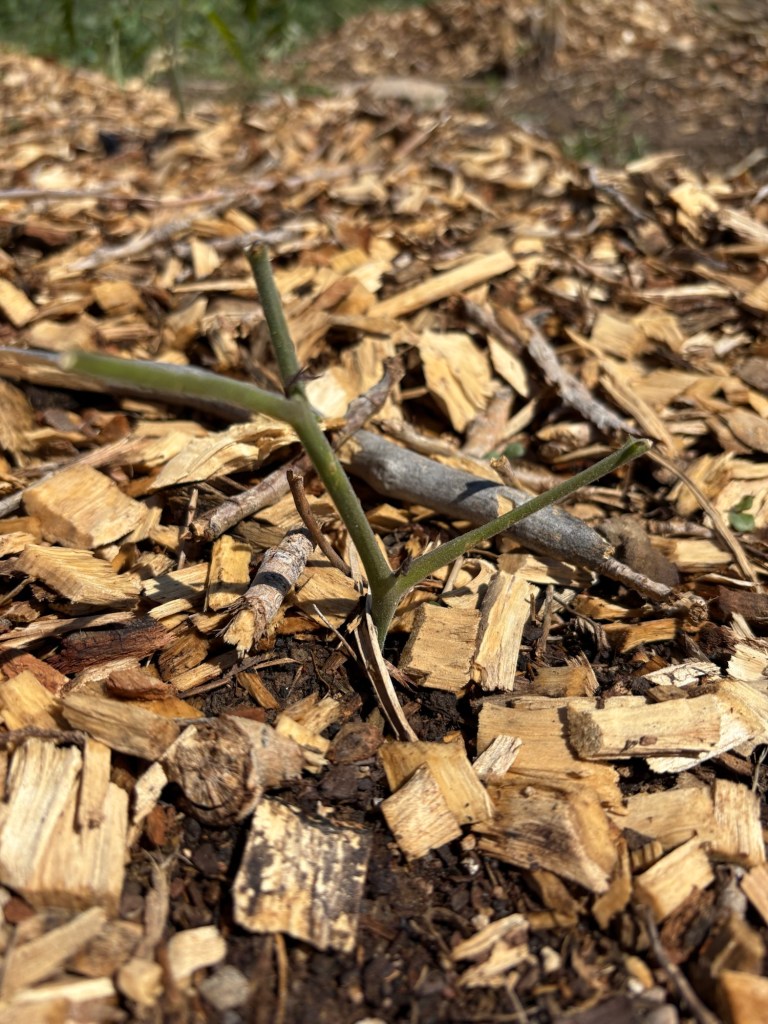
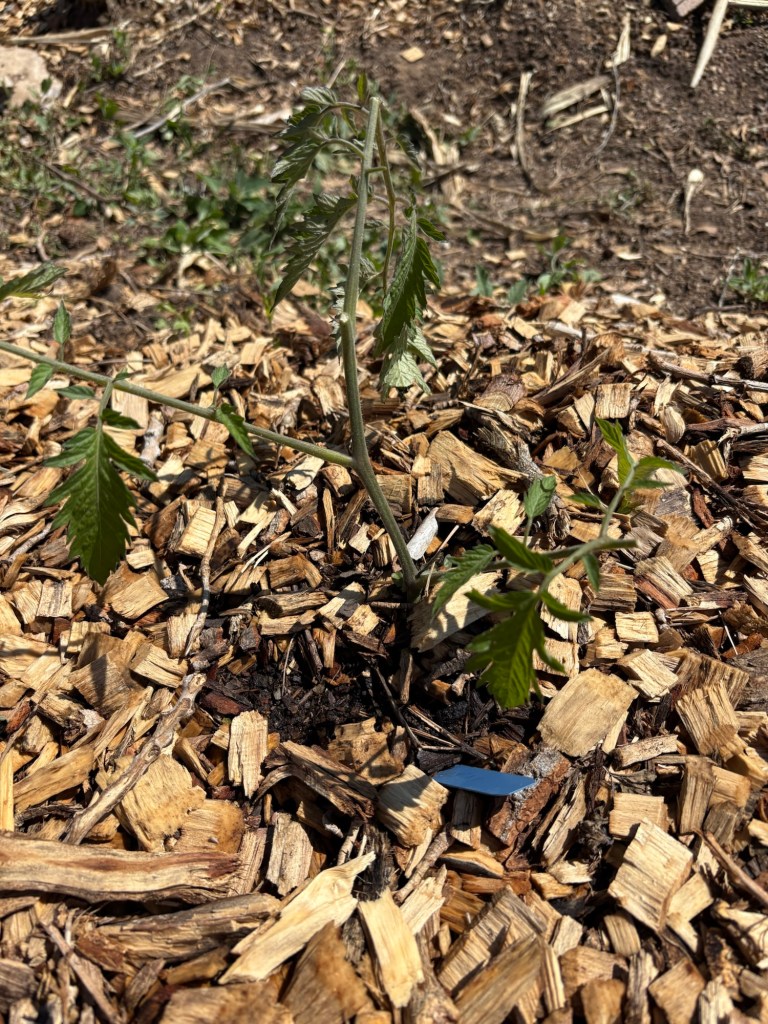
    It is that time of the year in the garden. The plant starts have all been transplanted, the seeds sprouted and everything looks… terrible. The garden is currently suffering in its early days. After transplanting, our tomatoes, cucumbers, and squash were all distressed and doing their best to recover. They are wilted most days in the sun, turning yellow as they reach their roots out for more nutrients, and the bugs just love to gorge themselves on the weak little leaves! Some animal came by and helped themselves to the tops of some of our tomato plants, so those are gone. As an added kicker, there is a bumper crop of weeds due to a lovely spring rainfall we have been having.

    The present is all there is. Yes, and that is sometimes the problem. How many different voices are out there, trying to remind us to live in the present or experience the moment?

    Buddha said “Don’t dwell on the past, don’t dream of the future, concentrate the mind on the present moment.” Albert Einstein said, “A happy man is too satisfied with the present to dwell too much on the future.” Thich Nhat Hanh said, “Only the present moment is real.” I love all these thoughts. The people who have expressed them were much more intelligent than I am. But whenever I heard this advice, or different versions of it, I always felt some discomfort in it. As if there were something more that this was missing, a little thorn in my mind that demanded to add its two cents to the popular sayings of mindfulness. I guess it would be something like: “The present is all there is… and sometimes that sucks!”

    I really want to labor the point that I love the practices of mindfulness and that I think living in the present moment is a habit we could all cultivate to improve our mental health and clarity. It is important to remind yourself that the past is past, that the future is not here and not within our control. Those are useful thoughts.

    Consider this hypothetical – your friend comes to you in despair and says they are going through one of the hardest times of their life. Everything they do seems to go nowhere, everywhere they turn feels like a dead end. Their daily life feels futile and unfulfilling and they have begun to feel quite lonely as a result. They turn to you for a word of wisdom. You say, “Don’t worry, this is it. This is all there is. Live in the moment!”

    In this particular moment, this thought is not useful. For someone going through the difficulties and pains of existence, it is precisely that the present moment is all there is that their suffering feels protracted and insurmountable.

    I am being somewhat dramatic to make a point. And I am definitely not comparing the difficulties of life with a few wilted tomato starts. These observations point in the same direction. The present is one piece of what we experience, whether we like it or not.

    Reality can be devastatingly unsatisfying at times. The urge for alternative pathways in life, the myths we tell ourselves about do-overs, the thought that it could all be different if we just change this or that element – these things are not going anywhere anytime soon. They are part and parcel to the regular woes of living, and we should probably learn to navigate them if we are to attain a peace that we can actually enjoy in the present. If an individual feels the present to be unsatisfying and painful, do we console them by saying that’s just how it is or do we tell them “The good news”: the fact that we can work toward a future that is more promising, more satisfying!

    Sure, there are pitfalls and mistakes to be made along the way. You may end up living entirely in the future and feel anxiety in that regard. You may accidentally cultivate an unpleasant attachment to the past. If you are not careful, you may arrive at your destination only to realize that your desires are self-perpetuating and will leave you unfulfilled no matter how much you achieve. These are all things we must consider as we make plans and work toward our ideals.

    Properly handling Past and Future is difficult work. It is dangerous. It is the sign of a mature person when they can walk through their memories without setting up camp. Or in building a plan for the future that can change how they act today in their habits and relationships. It takes courage, discipline, and not a small dose of humility.

    Driving comes with a lot of dangers and risks as well but we take the time to teach people how to do their best to get where they are going while paying attention to all the hazards of the road. It still doesn’t help some people – they’re insane and they’re all on i25.

    The past.

    When living in the present moment, it is quite common to stumble across a random memory you did not know was still floating around. At times, they are quite painful. Other times, they are more enjoyable than our present moment and we feel a sickness called nostalgia.

    Often, I will be working away when I am flooded by a sensation of memories that dislodge my very Being. I am inundated with details, old feelings, names and faces, all the old situations I thought I was done with. And I ask myself, “What do I do with all this information? What do I do with all these memories?” Memories aren’t grass stains, they don’t just wash out. Push them down, keep them locked up, they keep on appearing.

    I was in my garden the other day when one possible solution came to mind. Memory as a salve, memory as a tool.

    As we know, my garden is particularly disorganized and sickly looking right now. Looking out at this devastating sight, I remembered what the garden always looks like during this time of year. Hopeless, wilted, defeated. And then something happens in late June, early July. You kept watering, you kept weeding and all of a sudden everything bursts forward.

    In the present moment, when things look horrible and you think defeat is the only outcome, it may help you to search your past for other moments when things seemed bleakest.

    We also want to steer clear of romanticizing the past. Don’t look back and say, “it was better then.” Look back and ask, “what did that moment have that I can recreate now for the benefit of all?”

    Sometimes, memory may just be about cultivating simple pleasures. When I was 17, I loved the lilacs blossoming in spring. I always felt the urge to cut them and put them in a vase inside. I wanted to possess them and keep them. But I thought to myself how much deeper my experience of them would be if I simply committed them to memory. “I’m taking them with me right now,” I thought. The cut flowers would have faded inside a week but those lilacs will bloom forever in the light of my memory.

    The present.

    It can sometimes feel that people are overly mystical about the present. But there are, in my mind, just as many shortcomings to be had living in the present as in the past or future.

    Our estimates of the present can be just as inaccurate as predictions of the future. You would think we would be able to size up the present situation fairly well, since we are rational creatures and we have the advantage of living in the present moment – we are in it, rather than judging it piece by piece from a different era.

    In reality, we have a hard time analyzing our situation without involving our preconceived notions and biases. We can just as easily come to an incorrect conclusion about the present as we can in trying to make a prediction of the future.

    You may train yourself to live in the present moment but you still fall victim to making incorrect estimates of the opinions of others. You focus on things you cannot control in the moment, you focus on things that are none of your business in the moment, you use this information to make decisions in the moment that decide your habits and then your fate.

    With the present feeling somewhat unfulfilling occasionally, it is natural to look around to compare our situation to someone else’s. This would be a grave error. Not only does it lend itself to envy, it may cause much confusion and anxiety in regard to whether or not we are on the right path. When we compare our present to another’s, we might be comparing our day 1 to someone else’s 10 years of experience. We may become overwhelmed because we don’t “have it all” right now, when we could very well work towards getting what we want over the course of an entire life. You may be able to get everything you want, it just may not be all at once.

    The future.

    When we consider our memories and our perception of the present, what are we left with? The present is a little unsatisfying, memories are a little painful. Life is a bit unsatisfying and painful. So… now what? The mind turns toward the future.

    Looking to the future has gotten a bit of a bad reputation. It is commonly associated with anxiety, fear, and visions of apocalypse. But just like anything else, it can be useful when taken up by the right handle.

    There are going to be some things we know about the future. We know there are going to be hard times, though that probably isn’t very exciting to think about. Then again, knowing is somewhat comforting. There are going to be uncertainties and questions. There is going to be work.

    You will do everything you can, because that is all there is you can do. You will be you when you arrive but you may be something else afterwards.

    There are going to be different seasons of life, though you may not know what order they’re coming in. In nature, fall follows summer. In our lives, we do not know what follows.

    Marcus Aurelius said that we should not worry about the future because we will show up with the same weapons that currently arm us against the present. If you know you can endure pain now, then you know you can endure pain in the future with the same tools at your disposal.

    When you come across someone who has absolutely no plan for the future, it shows in the quality of their life. They don’t think about the consequences of their actions or the long-term effects of their present decisions. They say things like “we only live once” and “why not, there may not be a tomorrow!” but then tomorrow comes… and it keeps on coming along, one tomorrow after another. These people give themselves much more pain when they sacrifice the future for present gain or temporary pleasures.

    The world is full of people making decisions with little or no thought to future consequence. Agricultural practices that are focused on present production sacrifice a part of their future sustainability. They have cut themselves off from part of their potential because they were mystified by what they could do in the present moment, what they could get right now. Delayed gratification is a sign of maturity.

    “To plant a garden is to believe in the future.” Audrey Hepburn

    Some months ago, I was working with one of the worst coworkers I have ever experienced. He was rude, vulgar, had no sense of boundaries, did not have any work ethic, was constantly spewing his negative thoughts and opinions, and would never stop talking. The work was just as repetitive as he was. I was working nights during the winter and did not get a chance to see my fiancée very much, as we had opposite schedules. It was a difficult time.

    I remember on a particularly challenging night, I was close to losing my mind. I wanted to walk out of that place just to be rid of that discomfort. But I tried to breathe and I consoled myself by repeating the phrase, “You’re going to keep going. You’re going to get out of here.” It was at that moment I realized one could just as easily console themselves with the future as fret over it.

    If we never considered the future, we would never start anything worthwhile. We would look out at a dusty field and say, “I guess that’s it.” If we did not picture the harvest in our mind, we would not sow. Sure, it hurts to think about the things we do not have, sure it is painful and self-sacrificing to begin the long work we need to do in order to achieve our aims, but the mature person knows the future has more potential than the present as long as they keep showing up.

    Sustainable practices are about looking at what we do now and deciding how long we can keep it up for. Sacrificing the future for present gain is how we get exactly where we are now. Sacrificing a part of the present for the sake of the future is sustainable, is delayed gratification, is the tradition of great civilizations and communities.

    Conclusions

    Is this post still about gardening? The garden is a metaphor, it’s about life! I pull the carrots, and they teach me about economics. I plant tomatoes and I am learning the oldest lessons in psychology. It’s all there in the garden because it’s all connected. I am a metaphor farmer.

    So, what do we do with more than our fair share of past, present, and future? The key is to focus on what you can control. You can look into the future and make a practical savings plan because you can control how much you start to save now, today, this moment. You can plan projects, events, and achievements because these things involve you and the things you can do now, they involve your habits.

    You cannot control the past, but you can control what you tell yourself about it. Was it an embarrassing disaster or a learning experience? I would say we look at our memory as a bank of wealth that we have at our disposal. What has worked and what has not worked? For you and even for other people you know about, there is no limit to this wealth. We use this memory to help us accept the present. Not better than it is, not worse than it is. We must live here, so we must get used to it.

    Then, holding our memory in one hand and our present in the other, we can build a plan. Something we can work on, something we want to work on, as this is the kind of work that is day-in and day-out. The work of life does not stop. Jung said, “Adaptation does not happen once and for all.”

    Now your plans are dashed against fortune. It is harder than you thought. It takes longer than you thought. Yes, that is another thing we know for sure about the future, there will be many attempts. Then you take up the torch again and make another plan. Sow more seeds, plant more starts, keep watering.

    The present moment can sometimes be awful, that is true. It is for this reason that we must appreciate when it is not so awful. When it is pleasant going and we feel ourselves on our own paths and we have people in our lives that we want to share these things with, we must not make the mistake of not paying attention. After all, the present is all there is!

  • What is Goodwork?

    What is Goodwork?

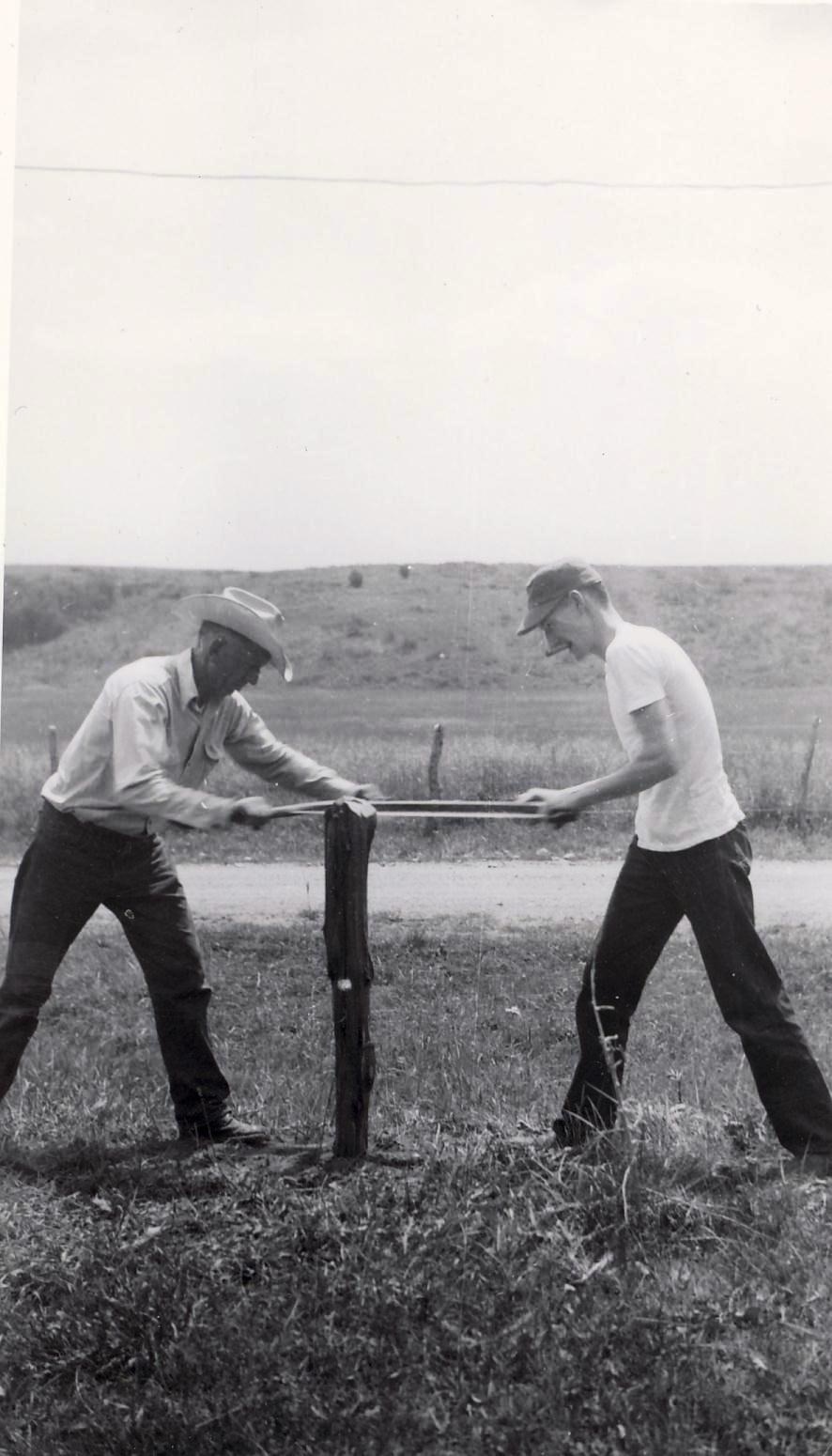
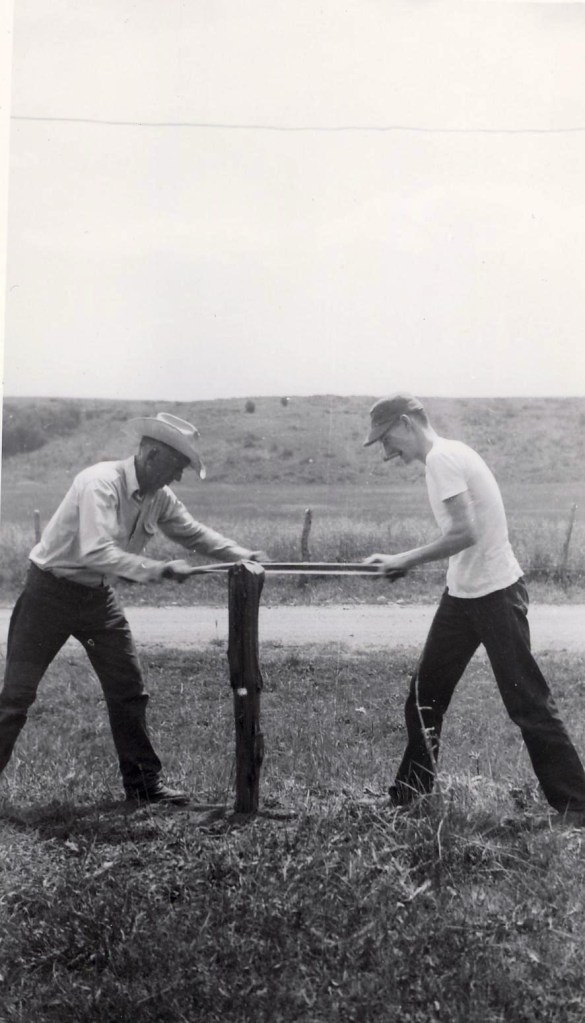
    My grandfather and great grandfather working on their family farm.

    Work is how we reconcile ourselves to our worlds, our surroundings, and to each other. Work is a natural process that unfolds in people as well as in other aspects of nature throughout all of time.

    As such, we should probably deem it worthy of some respect and attention, right? Yet a Gallup pole shows that, along with dissatisfaction, workers also report high rates of disengagement and unhappiness.

    60% of people reported being emotionally detached at work and 19% as being miserable.

    50% of workers reported feeling stressed at their jobs on a daily basis, 41% as being worried, 22% as sad, and 18% angry. 33% reported feeling engaged.

    Something is amiss if so many people report being unsatisfied with their work lives. People typically have working lives that span a period of forty years – age 25 to age 65, roughly. For those of us who started working in our teen years, that window of time is even longer. Would anyone want to spend that time feeling disengaged and unhappy rather than being engaged with meaningful work and productive behavior? So where is the disconnect, and what do we do to remedy these issues?

    Goodwork is Natural

    There is a misunderstanding about work, stemming from the definition we use to categorize work in the human sphere of activity. But if we look at the natural world for examples of work, we find it as common as the work we are inclined to do as people. The beaver goes about cutting logs and making dams. It is their home, and it is fundamental to their nature as beavers. In order to create it they must do good work.

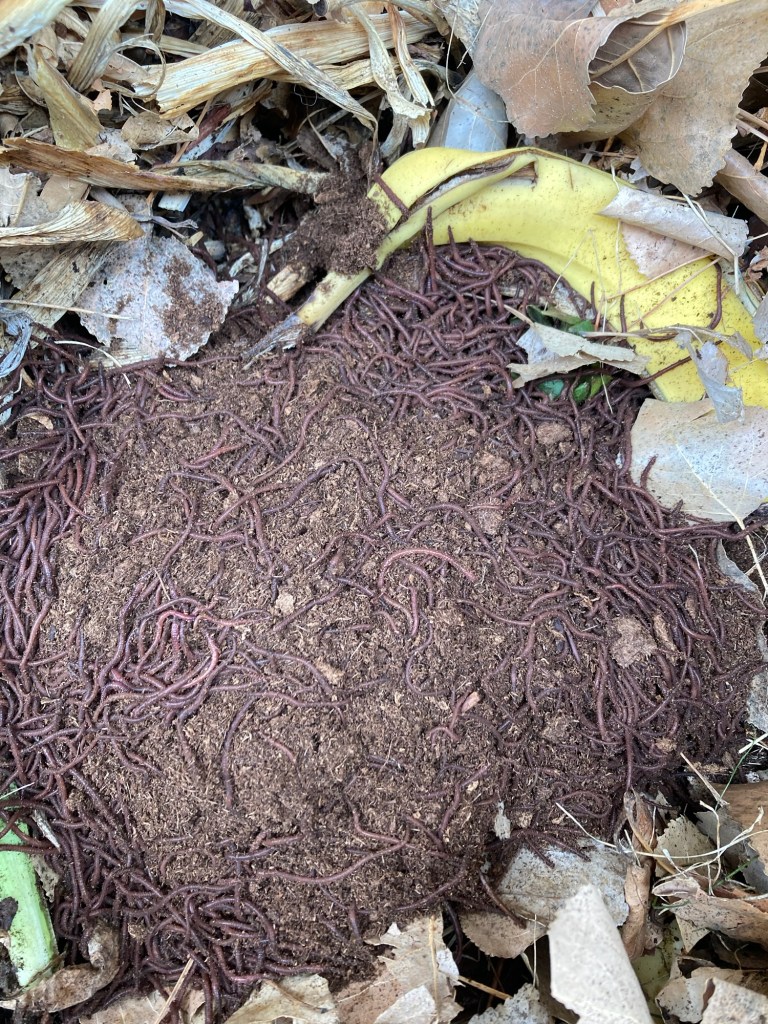
    This is the same as with the bird’s nest, the dung beetle’s dung, the dens of any number of forest critters. In order to connect themselves to their world, they each must do their work. Even the worm, the greatest little workman the world has ever known, creates a layer of soil fertile enough for the rest of life to function in abundance, and they do this work unassumingly beneath our feet, content to churn through the dirt in obscurity. The worm’s work is part of his existence, it is woven into the fiber of his being, and it builds the world which we stand on.

    Composting worms are introduced to their worm bin.

    “If a man is called to be a streetsweeper, he should sweep streets even as Michelangelo painted, as Beethoven composed music, as Shakespeare wrote poetry.” – Martin Luther King Jr.

    Frequently, I have heard the lament that “Humans are the only animals that have to work.” And while I understand the underlying sentiment and the frustration that goes along with it, I would say that all animals must work in order to live. It is only that the work of the animals is hardly recognizable to us as work because it is so engrained in their nature. When we see a bird collecting worms or making a nest, we do not say to ourselves, “Look at that robin, hard at work.”

    Our goodwork should resemble something like this. It should be so tightly woven into our nature that onlookers should be curious as to whether or not it is actually work at all. Our work should not be something we ‘go to’ but something that comes from us. I have never liked the term ‘work-life balance’ and would instead like to strive for ‘work-life integration’, in which my work and my life are harmoniously joined together rather than demanding portions of myself be doled out equally.

    Goodwork Involves the Whole Person

    Part of the frustration in the work that humans have come to do is that it has become highly specialized, fragmented, and noncreative. For example, I had a highly specialized job once packing medical materials. I stood on one spot by a conveyor belt and would place one alcohol swab in the plastic pack as it passed by my station. That is all I did for eight hours a day.

    By fragmented and noncreative, I simply mean that the work is separated from any satisfaction that could be earned from an end product. It does not satisfy our need for creativity because nothing ever comes to fruition under our watch in these deadend jobs, we only contribute our small part and then clock out.

    In an ideal goodwork, one would find a path toward personal growth and self development. This would be part of the process that Carl Jung called ‘individuation’, or becoming yourself. Our work reflects this pattern, and if we are allowed to be creative, and to follow our work to the satisfaction of its end result, we can more earnestly develop our unique purpose.

    Some specialization always takes place but it keeps in line with the development of skill, craft, and engagement rather than disengagement or fragmented roles. I was tempted to say ‘repetition’ as an aspect of highly specialized work but I find that goodwork can be equally repetitive, though this may occur in a way that is satisfying rather than demoralizing.

    Our jobs have also become much more sedentary as they have become more about information and processes that demand we be more cerebral. This has led to an unsurprising decline in health. Our bodies and minds are most healthy when they are deeply involved in movement and engagement.

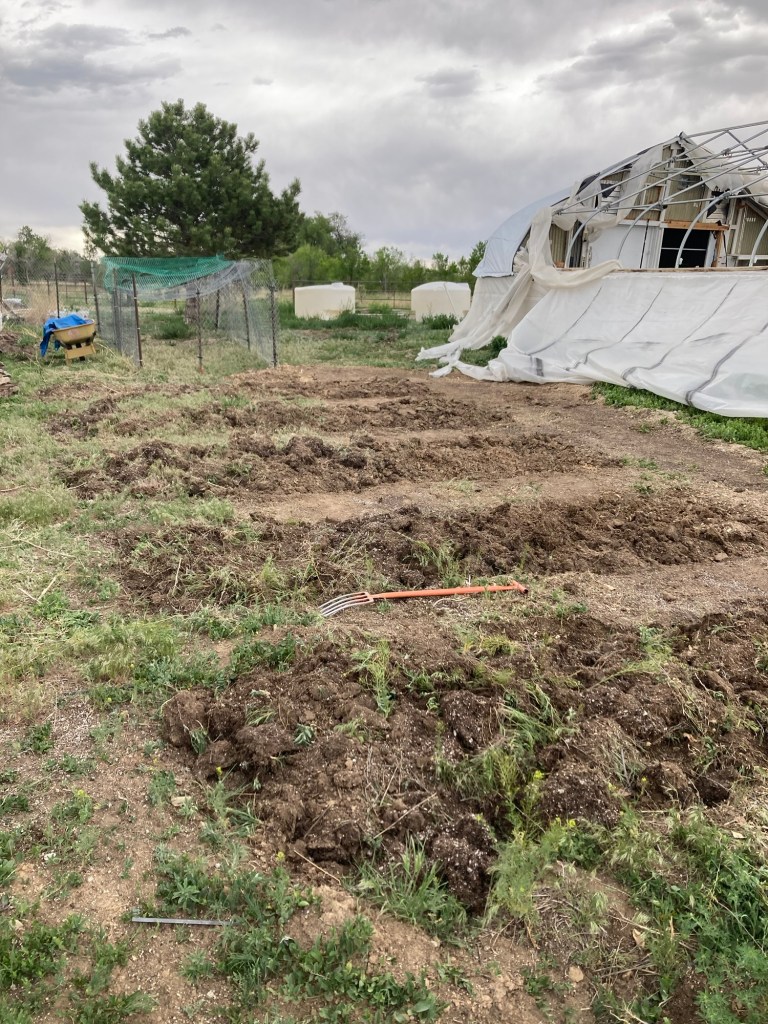
    Digging new garden beds in a field taken over by weeds.

    We are at our best when we are kept active in body, mind, and soul. Finding our goodwork means finding something that contributes to our mental and physical health as we attend to our duties. When I am attending to my farm and garden chores, I am using the muscles of my legs, back, shoulders. I get good exercise hefting feed bags or digging garden beds. My mind is engaged in planning projects, schedules, and organizing resources to fulfill the needs of my customers. These are just simple examples but one can see how such work can be fulfilling and engaging rather than stifling or overly monotonous.

    Goodwork is Peaceful, Voluntary, and Contented

    In this way, goodwork does not resemble the modern ‘hustle culture’ that you see online. Hustle culture asks you to just grind and hustle no matter the idea, the method, or the outcome. This kind of senseless frenzy may sound appealing at first but it is soon found to be exhausting, self-defeating, and empty. If you do not care what you are hustling for, what will you care when you achieve it? Don’t get me wrong, I believe in working hard, in self-discipline, and pursuing and achieving goals. But the way of the hustle is typically smoke-in-mirrors, empty promises, and multi-level marketing schemes that sell a dream rather than provide tangible value.

    Goodwork, then, sets itself apart from hustle philosophies and aligns itself more with conscientious, consistent work that builds upon itself until it compounds into something valuable and sustainable, providing meaningful work and wealth for generations rather than a flash in the pan windfall that the grind promises.

    Those involved in pursuing their goodwork are able to look their customers in the eye when it comes to upholding quality and consistency and these people often want to engage with their client base or community in long term relationships. Steady gain paired with consistent quality, all made possible by the principles outlined here, mean strong and resilient businesses and communities founded on mutual trust.

    When I say peaceful, I mean goodwork lacks much of the self-imposed stress that follows from meaningless grind and hustle culture allure. When I say voluntary, I mean customers know exactly what they are getting and from whom they are getting it, and the producers know exactly what they are producing and go to great lengths to be the best to offer their product. When I say contented, I do not mean complacent. I mean that the work is not filled with a desperate dash for validation or recognition but is allowed to unfold with the dedication necessary for a long-lasting enterprise worthy of respect. If you have aspirations of becoming the biggest, you may not be the best when you get there. If you aspire to be the best, you may become bigger than you ever thought possible. When you get there you will be able to stand by your systems with pride and confidence.

    Goodwork is About Connection

    As someone who has worked in many different roles and in different trades, I believe that our work is important and can be approached in a positive and healthy way, regardless of what we may be led to believe. I want to share my work with the world and I want the world to share its work with me. If I could be so bold, I would love to help others find their goodwork and help them to put their corner of the universe in order.

    “No matter how isolated you are and how lonely you feel, if you do your work truly and conscientiously, unknown friends will come and seek you.” – Carl Jung

    Like nodes in a network, we connect and spread the information we need to grow in every way. The information I seek to discuss and share through this medium is not new or unique but it is my duty to pass along all useful experience to my network.

    My goodwork is Goodwork. Through this blog and other written works going forward, I want to discuss relationships with work, wealth, and nature. I am not an expert in any of these areas. These writings are about musings, discussion, and progress. Perhaps more than its fair share of daydreaming. I draw on the wisdom and practicality of dozens, if not hundreds, of people that came before me and are much more articulate and qualified than I am. The areas I enjoy exploring – gardening, psychology, soil science, history, economics, bugs, personal finance – have been around much longer than I have. I have no illusions of adding any remarkable insights into these things but wish to provide a field guide in order to explore them more easily. I want to synthesize the widespread information that others have made the effort to pass along. I hope I can present this information in a way that each person finds something relevant to themselves and their life’s journey.