Lessons from My Chickens Series

When we started gardening, we harvested maybe two or three pounds of produce our first year. We were so proud of our shriveled, little radishes and our fistful of basil. Last year, we managed to produce in excess of three hundred pounds of produce as well as collected thousands of eggs from our chickens. We could not believe how simple it had been. I won’t say easy because, at times, it was some of the most tedious and grueling work I could have chosen to do. But after caring for the chickens into their adulthood, the eggs just kept on coming! Day after day after day, the chickens did their goodwork and laid egg after egg. In the later part of the summer when most of the vegetables were ready to harvest, we were drowning in good, quality food we had grown ourselves. It felt like printing our own money. We realized that this should not have been surprising at all. Nature is abundant and abundance is natural.
I think there is a tendency for us to look at our work from the standpoint of pure effort. I built this house, I grew this food, I fixed this motor, I achieved this, I made that. When it comes to gardening and other pursuits that are more intimately related to nature, you may eventually realize something. That you never really grow anything.
That may sound strange, but it is true. I don’t grow my tomatoes. The tomato plants grow themselves. I can’t grow squash or basil or peppers, only the plants know how to do that. I may put them in the ground and water them occasionally but the plant knows what it needs to do and does it even without my supervision. It is the same with the chickens. I may bring them feed but they are the ones turning their feed into eggs. I come along and collect when it’s time.

Nature is inherently abundant. We simply arrange things to allow for nature to do what nature does best, which is produce things in abundance.
This flies in the face of some preconceived notions I had about living this life. I thought the effort I was putting in was translating into the things I received. When I stopped trying so hard, things kept going on producing without me. It didn’t have to be about struggle, effort, and exertion. I still worked hard and was diligent about completing my part in the process but I didn’t have to exhaust myself in trying to achieve these things. I set the stage and then let nature do its thing. I think our nature works along the same lines.
By our nature, I simply mean becoming whatever you are and acting this process out every day. I think we have all been around people who are not doing the thing they were made for. They are frustrated and angry, which are surface level signs that they are most likely depressed and filled with the anxiety of something that has not been allowed to become itself. We have met with the mechanic who doesn’t want to be a mechanic. A striking difference between them and the mechanic who actually wants to be a mechanic, wouldn’t you agree? In the first case, they are annoyed to the point of rage by any obstacle or setback, they are short and impolite with their coworkers and customers, and they treat their tools and surroundings with disdain and contempt. Why? Because they do not want to be there, and every part of their daily reality reminds them of that.
To the person who is naturally a mechanic, a setback is just that and nothing else. Something to get through and get over. But to the person who is already at the edge of their limits, engaged in something they would rather not do, any inconvenience becomes a reminder of their underlying disappointment.
We each have a nature that cannot be denied. It can be worked with, improved, built upon, and developed but when an individual denies their nature they are in for a world of hurt. The introvert is not going to naturally be inclined to public speaking, an extrovert outdoorsman is not going to be inclined to solitary work in a dimly lit cubicle. That would be like trying to milk a chicken or pull eggs off a tomato plant. If we align ourselves with our nature and with the limits and properties of nature in general, we can achieve great things.
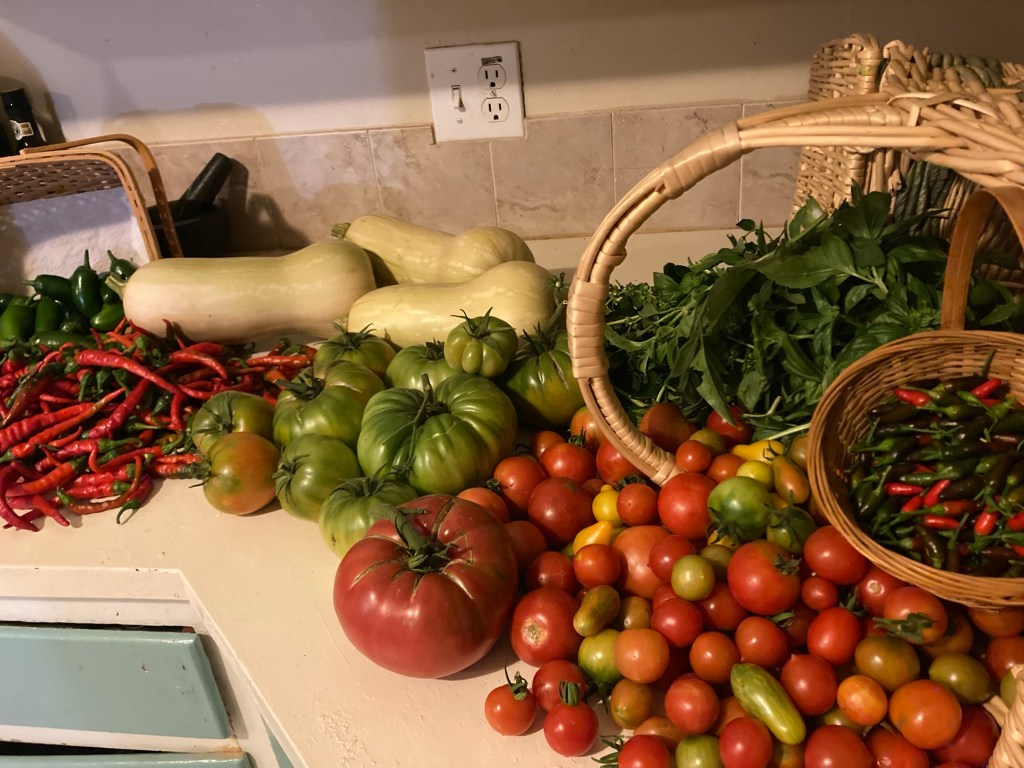
When things are aligned with nature. then productivity becomes a pleasant process. In the garden, plants that are healthy, happy, and allowed to fully express their nature provide in abundance. I have never seen a tomato plant harassed into abundance, or a chicken starved into increased production. This is why every aspect must be respected in due course. Natural things are productive, and productivity is natural.
It may not be as obvious in natural settings that there are exchanges being made and mutually beneficial situations being sought out but it is quite common to see these kinds of cost/benefit relationships cropping up in the natural world. They may not use money and factories but make no mistake, plants and animals profit from different resources that are available at different times and they make the use of these benefits in order to grow, adapt, and overcome the challenges of their unique situation.
Someone’s goodwork may be making shoes, welding, carpentry, teaching, accounting, raising children, cutting hair, sweeping streets, stirring a pot of soup. I believe all work has in it a certain sacred duty that the individual can be a part of and be proud of. We are, each of us, putting in order our little corner of the universe.
Finding our goodwork means finding positive relationships with work, with wealth, and with nature. Building a community that believes in the benefits, nuance, and the potential of doing good work. Opening discussions as to how we will improve our work going forward, how we will build a world we want to live in and not one we just put up with. This is what Goodwork is about.
I wanted to share this idea in case there were potential farmers or gardeners who were dissuaded from this pursuit by the thought that the workload would slowly kill them. It is also applicable to anyone who wishes to pursue their own goodwork and fears the immensity of the tasks ahead of them. Look to your nature, and to Nature in general. Nature does almost all the work we claim to do and does it silently, at that. It demands no attention and achieves all its ends.
“Nature does not hurry and yet everything is accomplished.” – Lao Tzu
 Goodwork Almanac
Leave a comment