When personal development is discussed, strength is often one of the first attributes people desire. Perhaps they feel physically weak or ineffectual, bullied by others who are bigger and physically stronger. They want to get stronger so that they never have to feel so small again. Others do not feel emotionally strong, they feel they cannot speak up for themselves or endure the burden of everyday obligations. They ask for strength so they can make it through another day. If we are to carry on, we must ask ourselves what it means to be strong.
In our age, virtues and values are interpreted through a warped lens. The virtues or values themselves may be good and useful but because they are distorted by misunderstandings, they are turned into useless and harmful versions of themselves. Through this lens, values such as youth, productivity, efficiency, and detachment are championed to a degree that causes many imbalances.
Our fixation on youth has made us neglect our health and longevity, as we try to continue to live as children in a dreamy and consequence-free lifestyle. Even when people try to mimic longevity, they pursue it in a way that they may achieve eternal youth. An entire industry of health gadgets promises to make us ‘age backwards’ when we could simply age gracefully, try to live long and happy lives. Many feel the push and the urge that they must continue the creativity and productivity of their youth long after middle age, neglecting the natural limits of our capacities or the developed talents we might otherwise put to use such as wisdom and guidance. And our emotions are not contemplated, integrated, or healthfully processed but shut down, ignored, and treated as inconvenient. This often leads to emotional outbursts that are far worse and more ill-conceived than the original emotions. I think of my coworker making fun of the younger generation for crying while he walks around work berating people and having angry meltdowns every other day. So much better!
I do feel there are values here that are worth embracing, if only we can find a healthy way to do it. Youth is something that can be celebrated, and we could also put more effort towards navigating the loss of youth and the gain of experience, wisdom, and self-control that comes with later ages.
Longevity is a wonderful goal. I would love to live a long, happy, and productive life. But it would be unwise to try to remain twenty forever, not to mention creepy and unnatural. Instead, we should encourage the development of our personalities and goals as we age, trying to live healthy lives of connection and value, until we can become the wisdom-bearers, the old sages, the elders.
Finally, it is wise to learn the nature of our emotions so that we do not let them overwhelm and control our behavior. This is the main tenet of Stoicism, and it has nothing to do with shutting down, ignoring, or rejecting emotion but learning about yourself through emotion, accepting them when they arise, and maintaining your sense of what you can control so that your emotions do not control you.
In any of these cases, strength is asked of us. Physical, emotional, and relational strength is developed throughout life, slowly, sometimes painfully, as we work to become the truest versions of ourselves and bear witness to others becoming themselves too.
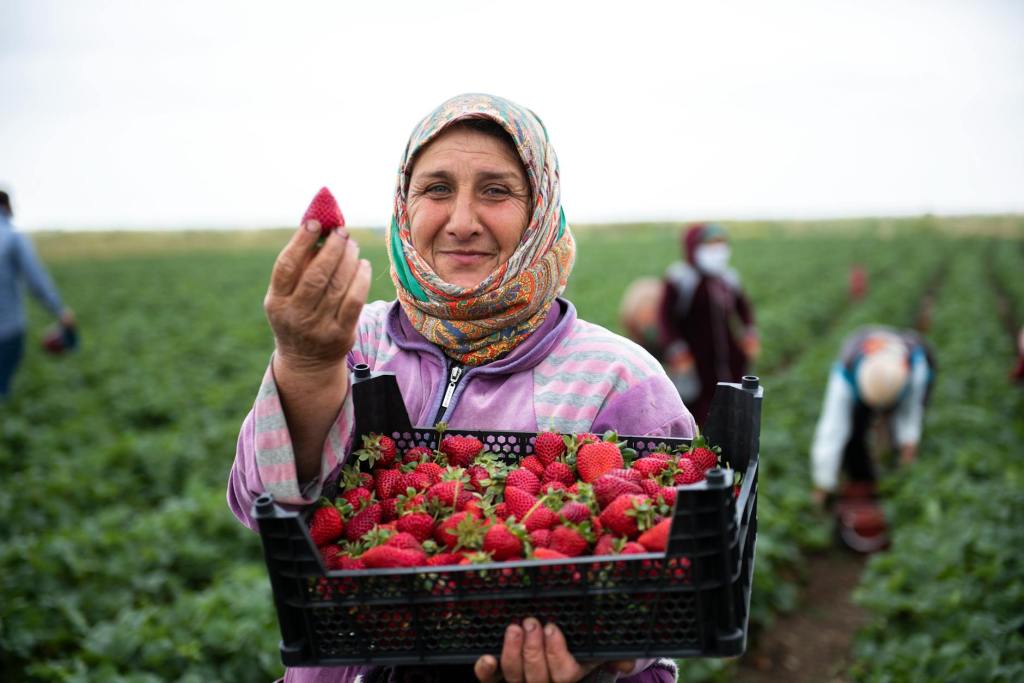
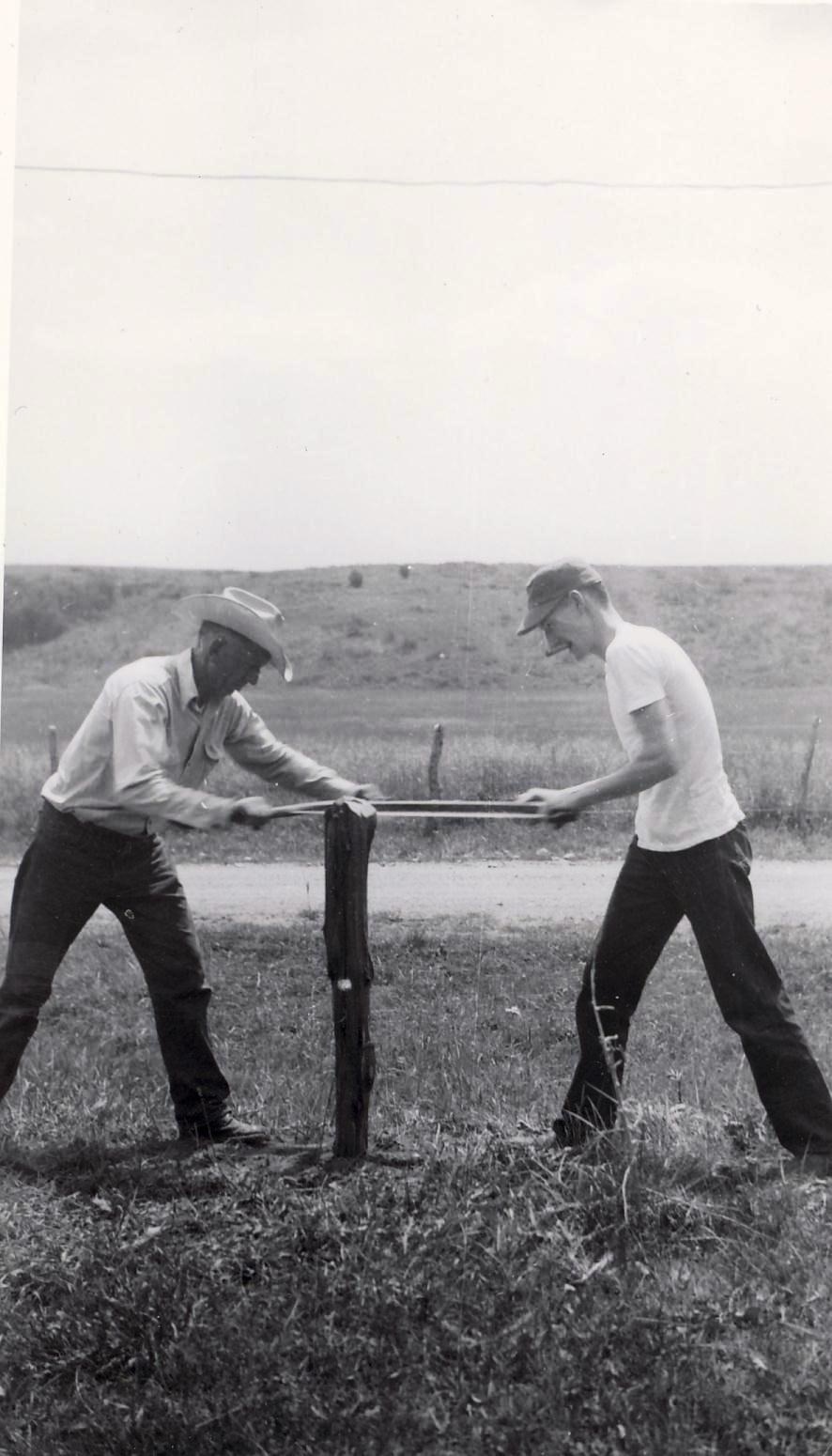
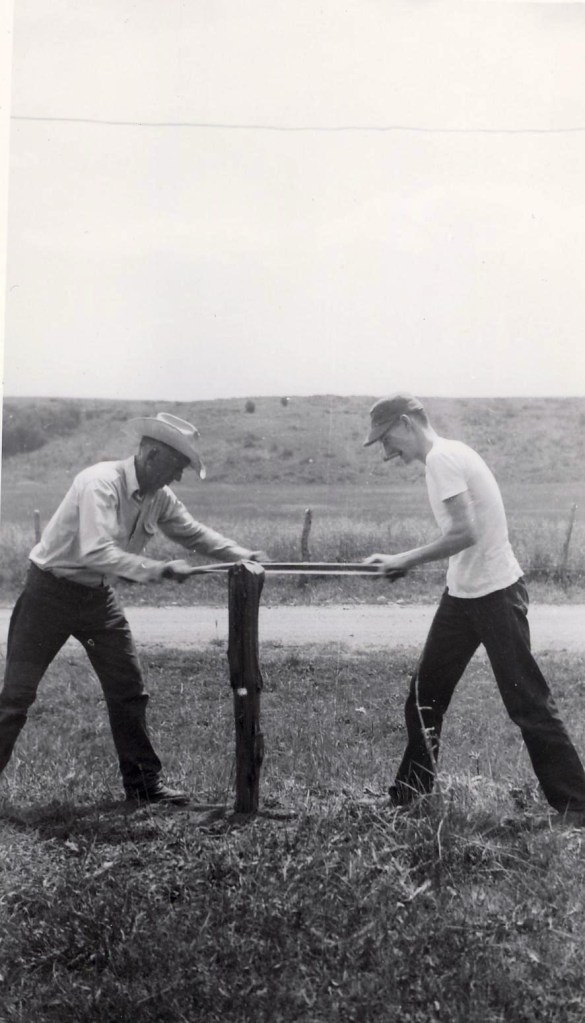
There is a certain archetype that comes to mind when I imagine the abundant, healthy life of a fully formed individual: the farmer. I imagine them as a burly and stout-hearted person, strong grip, calm eyes under a discerning brow. They are quiet, but their intelligence is demonstrated in the deftness of their movements and the skill of their craft. They do their speaking with action rather than words. When they do speak, each word is dense with meaning. Words carry a premium; words are slow and burdensome compared to the act itself. There are years of setbacks and resilience in their eyes, you can count them like rings on a tree. And after every catastrophe, their strong hands pick up their well-worn tools and begin again.
Physical Health and Longevity
The nature of the farmer’s work tends to be physical. There are chores enough to keep the farmer occupied as long as they’d like. Often their work can overtake their personal lives. This is where a healthy relationship to one’s work and person calling can come in handy. We want to be profitably and meaningfully employed but losing health and enjoyment from overwork is entirely possible and should be avoided.
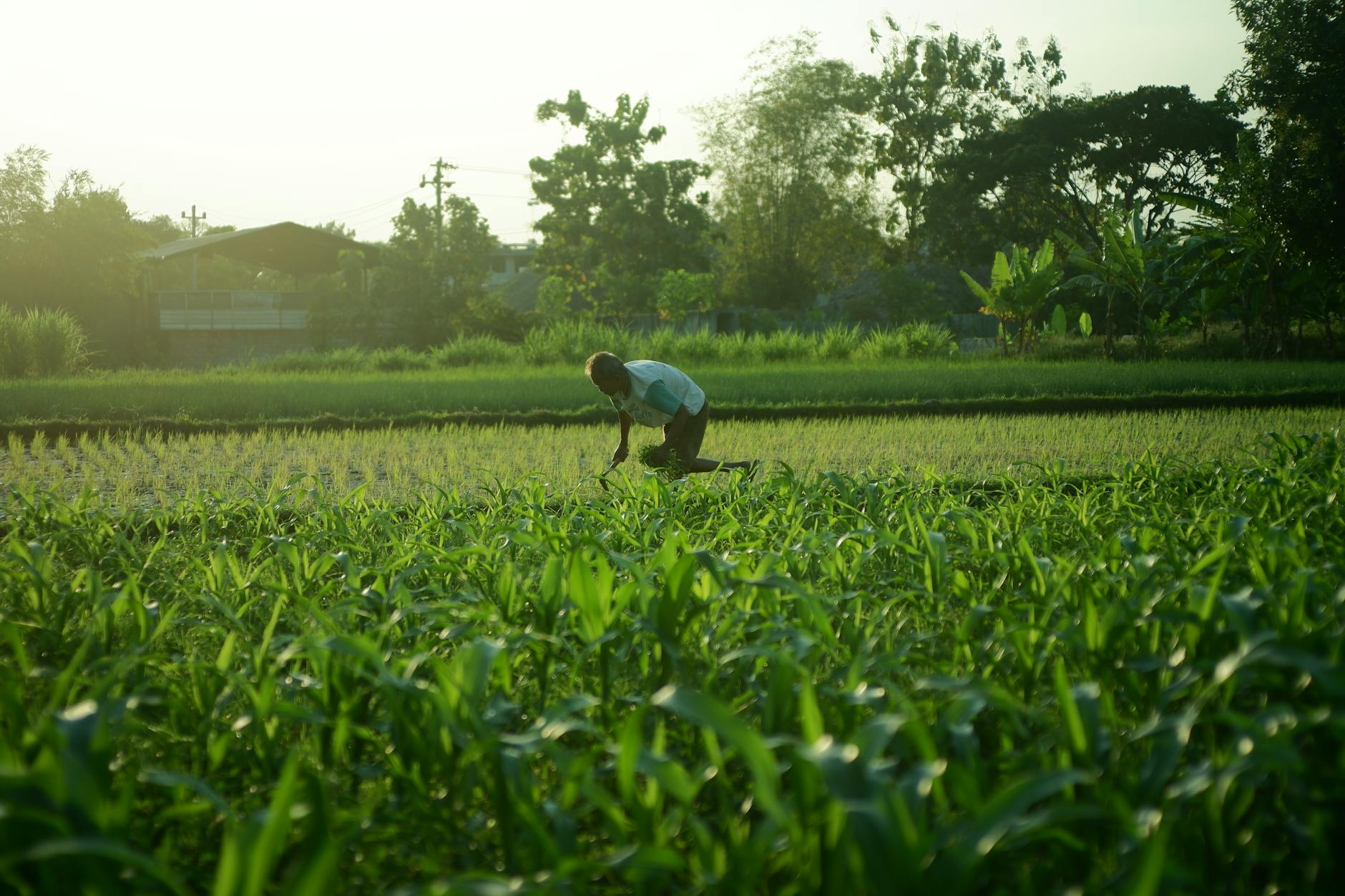
Having regular, physical movement throughout the day keeps the body healthy. Many people today have sedentary jobs or professions and do not opt into a regular exercise routine. Those with physical jobs accomplish both the demands of their work and also the demands of the physical body – to move, and keep practiced in movement, for as long as one can.
One of the primary goals of goodwork is to ‘Stay as strong as you can, as long as you can.’
Farm chores also tend to include a lot of low-impact movements paired with higher-repetition strength movements and occasionally the high-effort compound movement such as picking up something extremely heavy or lifting something above one’s head. If these movements are done with a mind toward joint care and proper form, they are the building blocks of a healthfully aging body which retains much of its strength and endurance while sedentary bodies tend to wither, break down, and accumulate compounding injuries.
There is much information available to us now that suggests the importance of exercising our muscles as a practice throughout life in order to improve the condition of our later years. Developing our muscles through vigorous exercise improves four areas that people tend to struggle with as they age.
First, it will help with balance. Imbalance leads to falls and slips and the injuries from these falls can compound over time to worsen the condition of our lives. The skeletal muscles, their strength and agility, as well as the strength of our core muscles, assist us in keeping balance.
Secondly, it helps with our hearts and circulatory systems. Many people will have issues with their heart and arteries as a result of sedentary living and diet issues. Regular exercise helps prevent heart disease and arteriosclerosis, the hardening of the arteries over time.
Third, it helps us keep stronger bones. When the body is sedentary, the bones may become weak and brittle which will lead to breaks. These injuries lead to more sedentary living, in order to give them a chance to heal, but may also affect our mobility and strength forever after. Lifting weights and exercising muscles helps to strengthen our bones and keep them strong even as we age.
Last but not least, regular exercise helps us keep our minds sharp, improves and maintains cognition. Many people will struggle with routine cognitive issues such as memory degradation and slowed processing time as they age. Some will struggle with more severe cognitive decline such as dementia. Regular exercise can lessen the likelihood that we experience these effects and diseases. These four areas (balance, cardiovascular health, bone density, and cognitive health) are all improved by an active lifestyle integrated with strength movements that prioritize proper form and joint health.
The kind of physical work I am describing can destroy a person if they are not careful and do not have a mind for their limitations and recovery. There are countless people who have neglected their limits only to injure themselves with recurring stresses, do not pay heed to bodily or mental recovery, and as a result push themselves into a state of decrepitude and decay. A life without boundaries is self-destruction. I have worked with many people, especially in the trades, who have pushed themselves and others beyond their limits and have suffered setbacks and injuries as a result. This kind of behavior inspires negative associations with work and unhealthy relationships with each other, as well as an unhealthy relationship to one’s body.
Community and Connection
A farmer’s lifestyle can be said to contain two important relational elements. Those are strong individualism and connected community life. There are many opinions floating around that overemphasize the importance of rugged individualism to the point of isolation. And there are many opinions that disparage individualism to the point of neglecting individual development and expression entirely, preferring to focus on the ideas of community life and collective markers of well-being.
But what is the community made up of? Individuals. And how can the individual exist without the support and care and connection of the love of their community? You cannot separate the two. If the community is made up of people who refuse to take individual responsibility for their lives, disconnection and chaos ensue. If the community is made up of people who refuse to acknowledge their connection to community members in mutually beneficial relationships, everyone becomes isolated, ineffectual, and hollow.
Of all the farmstrong people I have met, they have done well to develop both the attribute of their individuality and the deep connection that comes with community-making.
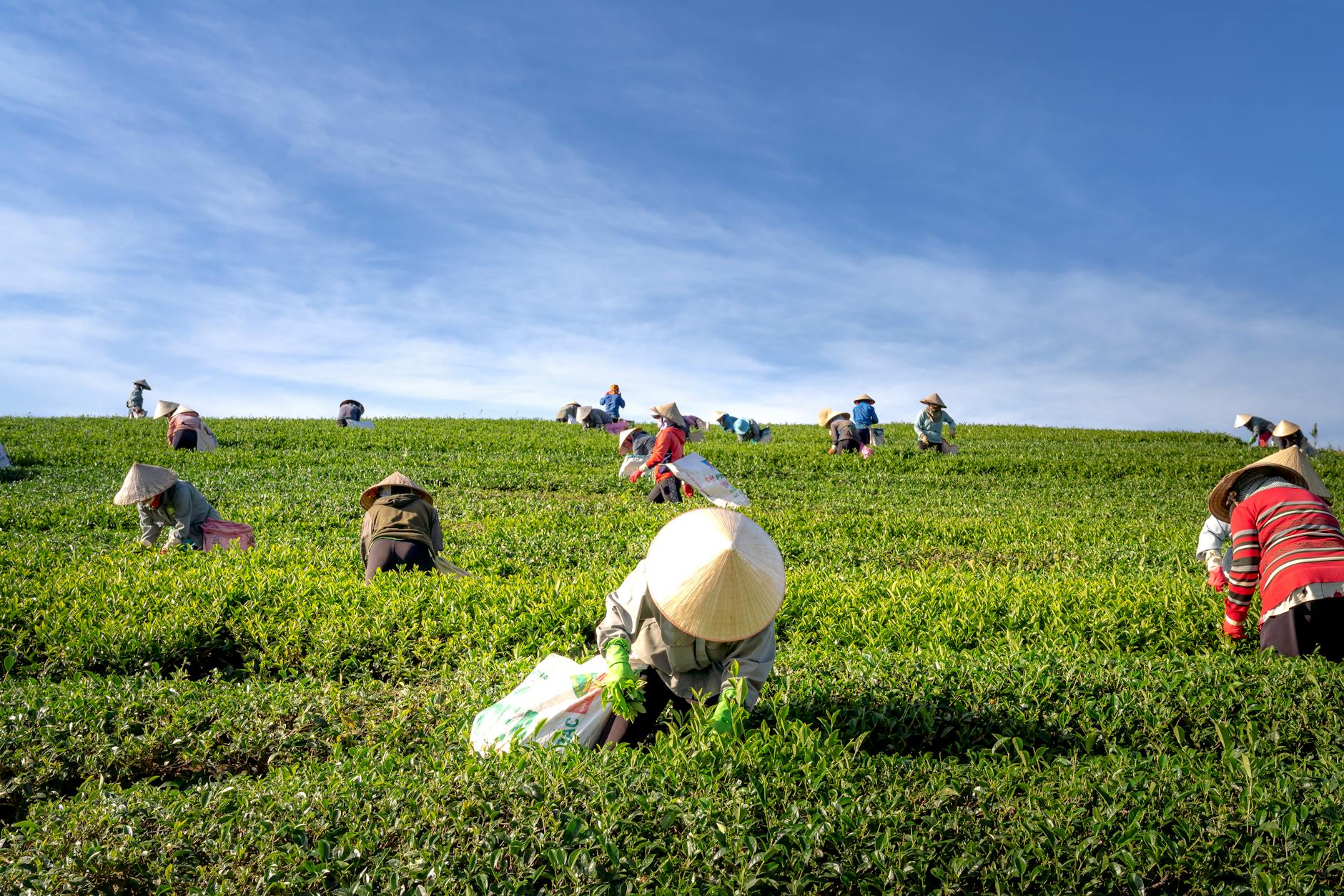
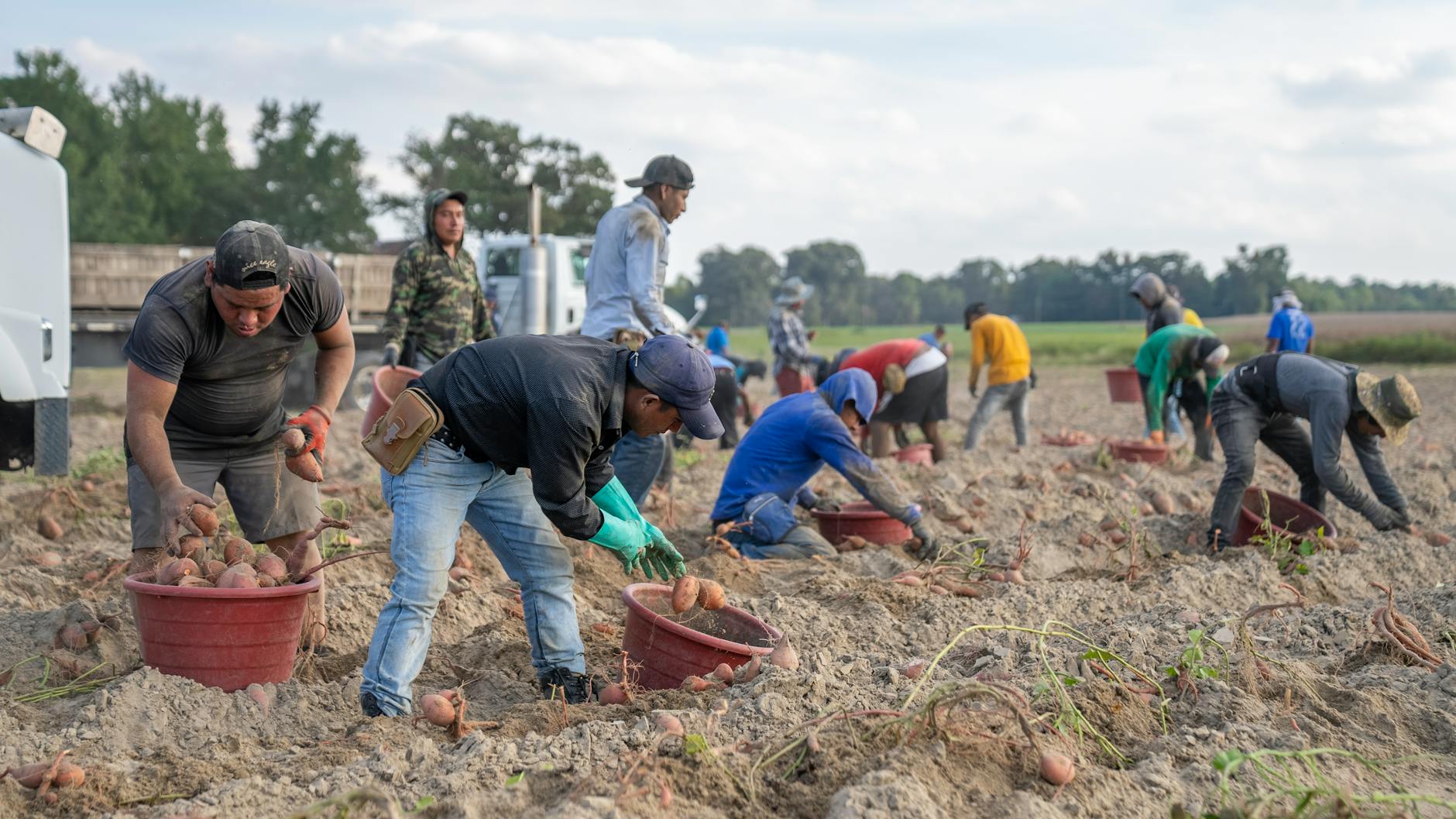
Their work is reflective of this. Each farm is unique and specific, it must be worked in a certain way and it is not often that the same methods will apply to many different areas of the land. They must take responsibility for their work, which they do in direct relationship to the land they inhabit. At times it can seem the working farm is isolated or remote, being tucked away into foothills and valleys far from the bustle of the cities and towns, traditionally. But the farmer balances this when they come into town to sell or trade their goods. They must maintain this connection if any of their work is to be meaningful and productive. And often they create a niche on their own land to host visitors, helpers, family, and neighbors.
I lived and worked on several farms in my early twenties, traveling through Europe and the northern United States. Each farm had deep connection to its community and to the other farmers in their area. On an olive farm in Italy, we hosted a dinner for thirty people working and living on neighboring farms. They each brought their specialty olives, a recipe they each inherited and loved from generations past, and we shared in the moment and the connection of our work together.
We walked up the hill to town where they were having an autumn harvest festival. The hunters brought wild boar, the farmers brought their food, the locals brought homemade wine. We sang and danced in tents in the town’s parks and we stumbled back to our beds around nightfall. On a goat farm in France, we made cheese and hosted cheese-making classes as well as cheese tasting events. We slept in a hut folded into the treeline, warmed by a little stove at its center.
Each day was about meeting the current task in a personal, direct way, whether it was collecting the olives or pounding fence posts. It was also about finding connection and harmony within the community we wanted to cultivate.
Mental Health
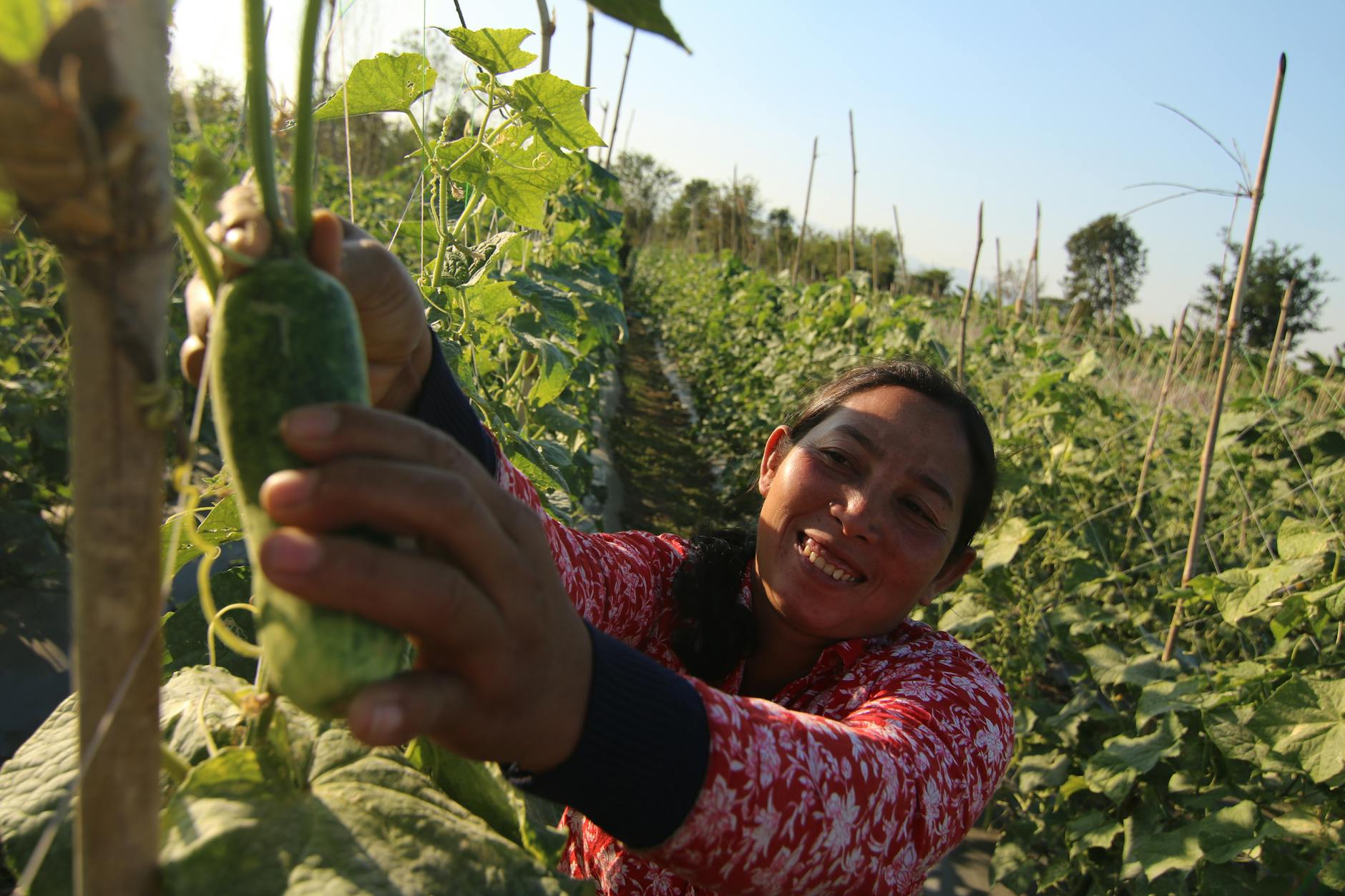
The nature of the farmer’s outlook tends to be, consciously or unconsciously, practical and persistent. They work with the ground and are, by no coincidence, well-grounded. It is the reality of their work that they must accept unforeseen circumstances and work to overcome them or at the very least to endure them. I think this can be a unique outlook, given these various forces.
The farmstrong know that they must contend with reality and so their fantasy worlds are tempered by the capacity of their work to bring things out of their imagination. Their continuance in their daily chores and projects suggests a vote of confidence in the future, though they are more than willing to embrace the uncertainty of their lives and profession, with which they are painfully familiar.
Experience of the disappointments of life’s endeavors do not embitter them towards honest effort; in fact, honest effort is quite often their guiding light and daily devotional, it imbues all their work with ritual goodness and attention, and the firsthand experience of disappointment cultivates a healthy detachment from the painful images of expectations. ‘Oh, well…’ might be a common refrain of the farmstrong.
I have often found myself enamored with people of this character, who can so easily have faith in tomorrow that they may content themselves with the honest work of today, this moment. It can be somewhat more common to see the unrelenting plans, schemes, and hollow wishes of those who are resigned from daily life and content themselves with fruitless daydreaming. All dreams and no delivery. I have certainly found myself distracted by endless waves of planning, rather than returning to the humbling act of daily work.
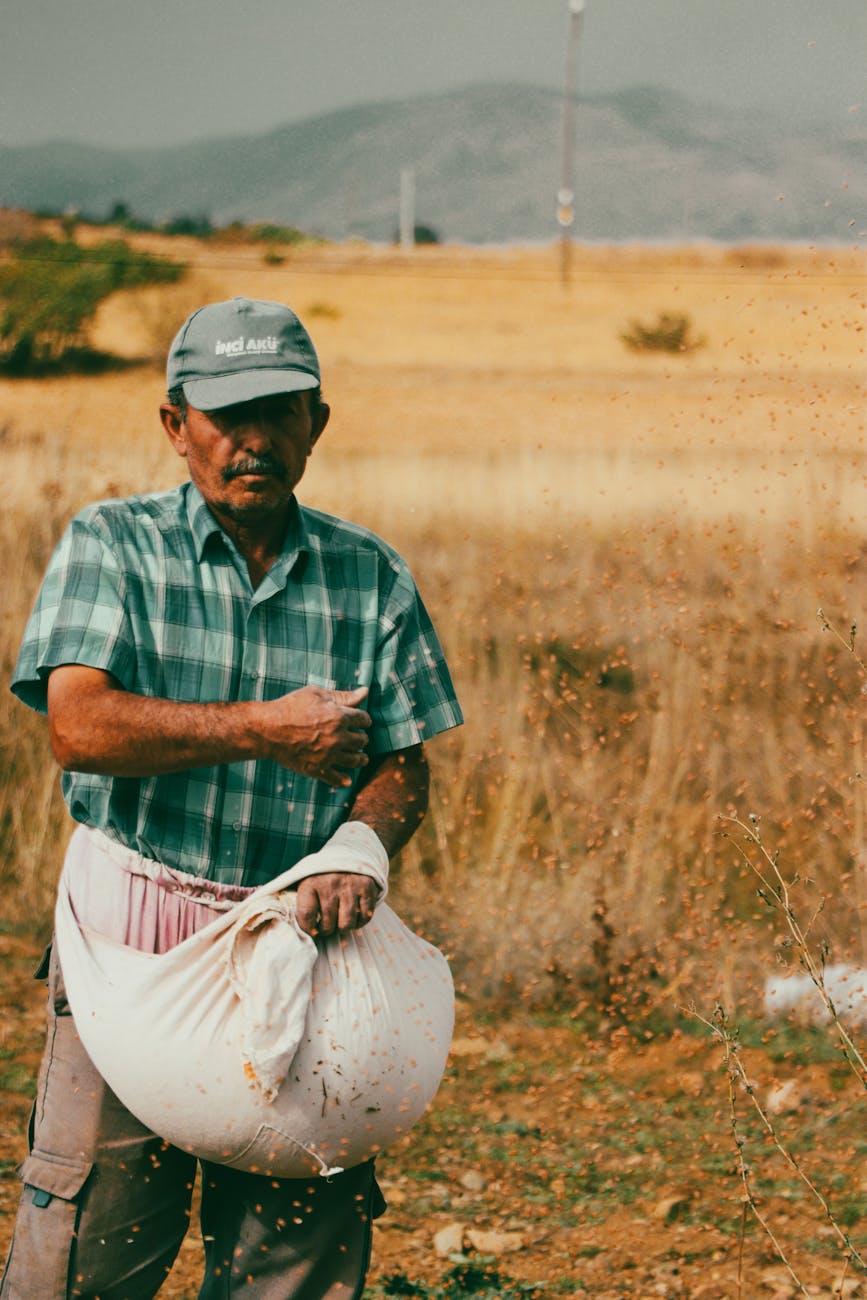
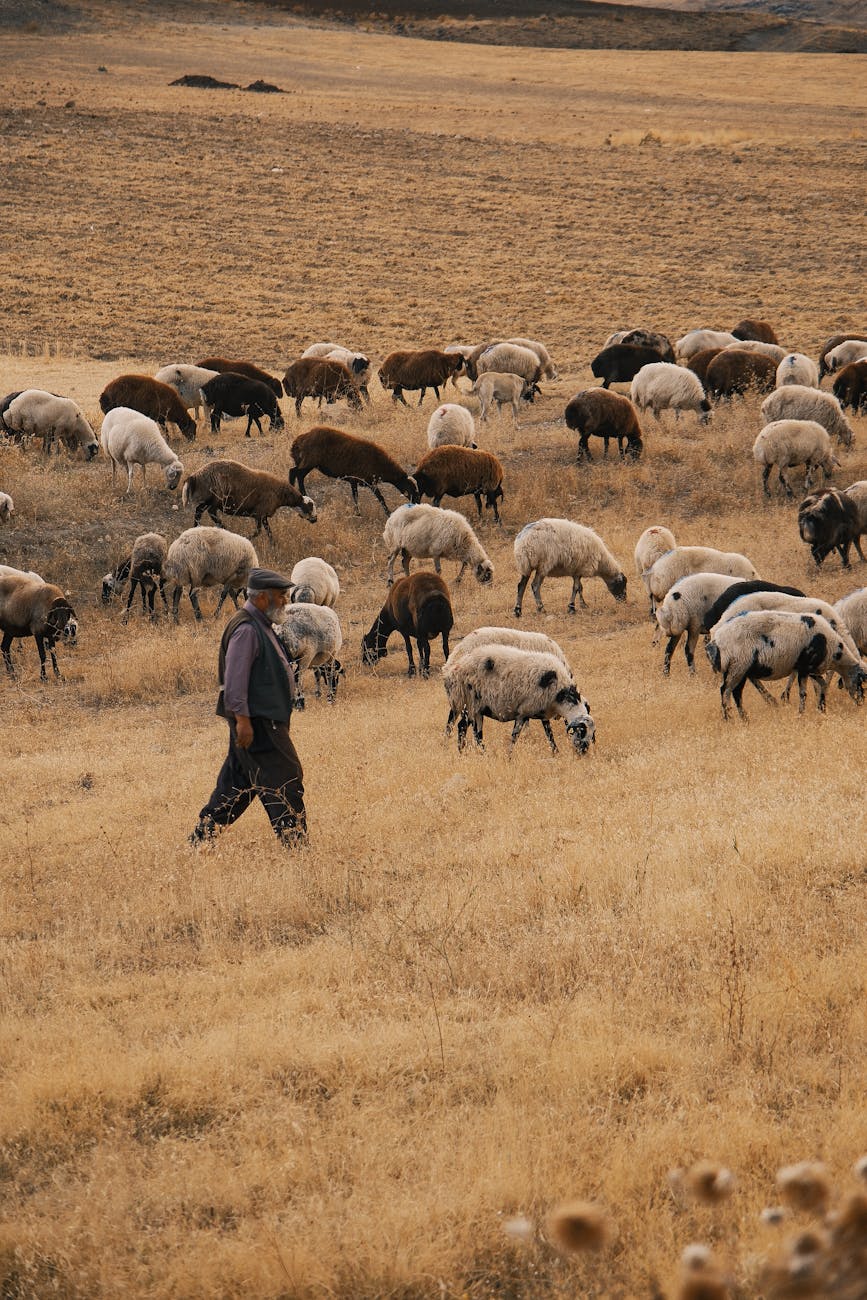
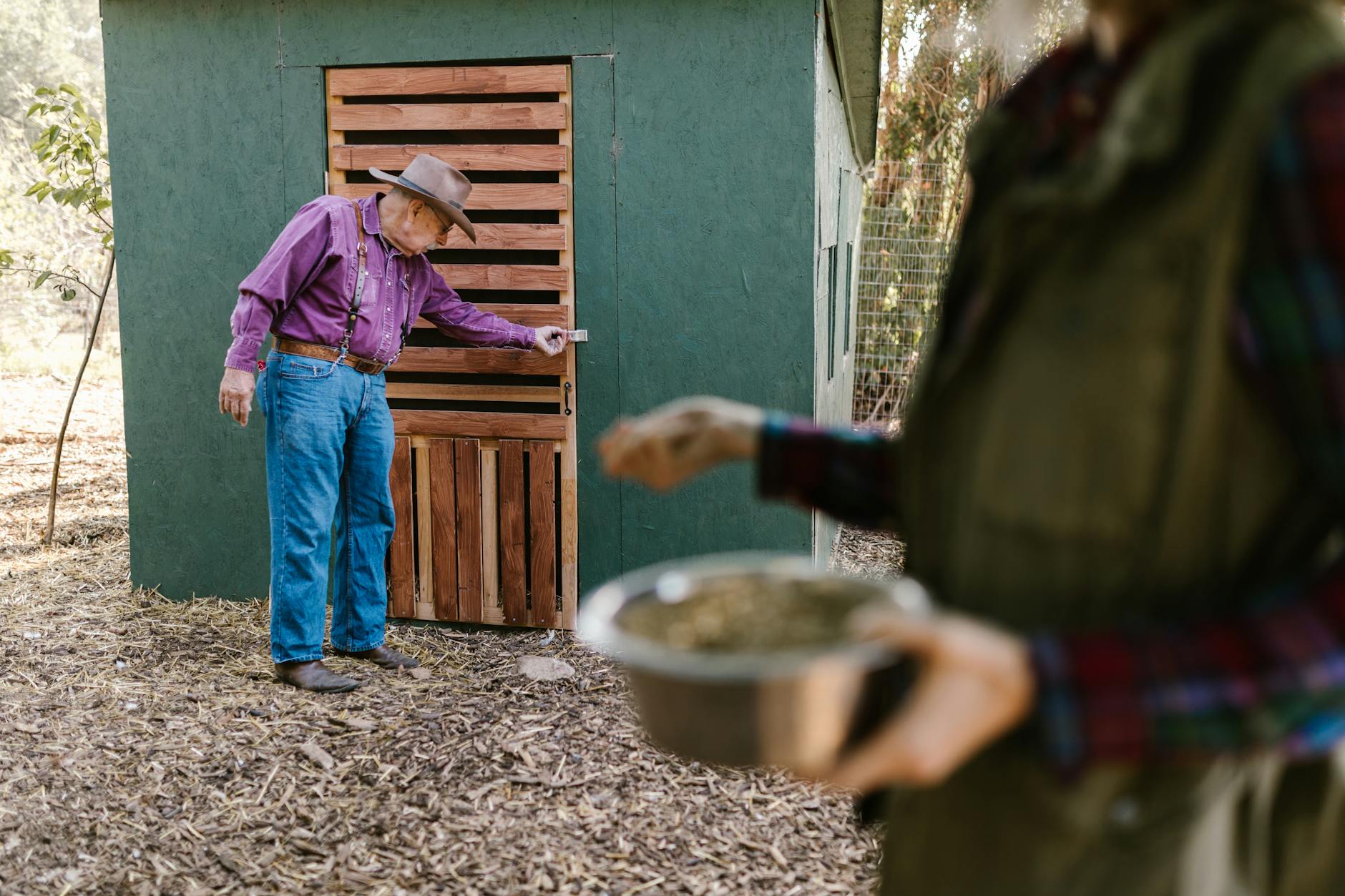
I have often thought of the farmer as the Stoic ideal. Not all farmers are like this, of course, but the ideal itself is the absolute picture of resilience, courage, wisdom, and virtue. After getting a taste of life on a working farm, you begin to understand why this would be the place to create that tempered steel of pure stoicism – the chores must be done no matter the weather, no matter the circumstances, no matter the mood. Whether it is freezing winter or pouring rain or gale force winds, the livestock must be fed and watered, the work must continue to get done. Whether it is a little Russian babushka tending to the cows or a goatherd in Greece walking the hills and the fields, there are those whose work has polished them against the difficulty of life and as a result they exude a strength and endurance that is without comparison. They may never set out to fulfill this ideal of virtue, and they may never put a word to paper about it in order to describe their process or their thoughts, and yet they have embodied this philosophy better than the most prominent minds of antiquity.
A word on Stoicism, a sometimes-misunderstood term. I have occasionally seen Stoicism portrayed as the rejection or suppression of emotion, perhaps an enthusiastic withdrawal from life, or a cold and uncaring posture taken with an attitude of disregard. After reading some of the classic Stoics, such as Marcus Aurelius, Epictetus, and Seneca, one may come to know the nuance of this philosophy better and to consider it a great deal more relevant than other systems of thought from ancient history.
It is not about stifling or repressing emotion but consciously approaching emotion in a way that allows us to contend with it. When we meet with our emotions in a calm and level-headed manner, we can better understand where they come from, what they are trying to express, and how best to integrate them in a way that does not disturb our lives. It is also not about withdrawing from the necessary actions of life but rather focusing on what we can control and engaging in these things with virtue, rather than losing ourselves to the uncertainty and doubt of events and circumstances entirely outside of our influence, which may pull our valuable time and energy away from constructive and useful action. It is about engaging with life and committing to life in a way that we are prepared for setbacks and inconveniences and whatever else fate may send our way.
One may encounter difficulties but with the right practices they may work through these difficulties without adding a greater burden with their own unhelpful behaviors. Surely, we have all been in a difficult spot before with someone who would not stop complaining, making negative predictions, or refused to work through the issue. This not only doesn’t help the situation but makes it much worse.
Conclusion
These attributes do not have to belong to the farmer alone, of course. Anyone of any background can develop these habits and channel these characteristics through their own work and relationships in order to build resilience, strength, and connection into their lives. That is the aim of my sharing these thoughts, and my continuing to write on subjects related to the farmstrong idea in the future.
I find that there are many misconceptions about strength, stoicism, individuality, and work in general. Useful ideas are co-opted by the irresponsible and the immature every day, so I think it is important to bring these terms back into the expression of usefulness and maturity. I hope to shine light on topics that have been painted with a negative brush and perhaps come away with a more constructive view of things.
If I could ever express my view on these topics and provide a useful thought to someone in search of answers, I would be delighted with my contribution. I value minding my own business, so I’d like to reiterate that I am not telling anyone how to live but merely discussing the lifestyle and characteristics of interesting people and philosophies.
Below I have provided a link on the benefits of strength training, as a reference for the claims I have put forth in this post. I encourage you to read further on the topic, as I am a layman.
https://emedicalhub.com/strength-training-for-longevity-why-lifting-weights-is-important-for-aging/
 Goodwork Almanac