Tag: seed-starting

  • Chaos Gardening

    Chaos Gardening

    C – Choose and collect your plants. This is a fairly straightforward step. It doesn’t have to be a specific type, it doesn’t have to be native plants (although that would be cool). The first consideration that you should make is what you like and therefore what you want popping up in your garden. Explore different colors and different heights, different textures. Try a mix of perennials that come back year after year and annuals that you start each season. Try to line up blooming windows to keep something always blooming in your garden throughout the year.

    I started out gardening with an affinity towards vegetables and that was basically it. It wasn’t until later I started to appreciate annuals like marigolds because of what they did for my vegetable garden. After that, I started to explore perennials. I enjoyed them because I didn’t have to start them every year. They became a big part of celebrating spring and watching the garden come back to life after hard winters. When the sedum would start creeping back out of the soil or the yarrow’s green leaves first pressed their way past the mulch, it fills you with joy that the winter is ending and the garden is returning.

    Over the years, I have also collected the seed heads from any attractive flowers I find blooming in our neighborhood. We take walks down an alleyway nearby and it is filled with Feverfew and Flax. Pinching the seeds off, I spread them in my garden and wait for them to grow. The added benefit of collecting seeds from local plants is that you know they grow well in your area with minimum care.
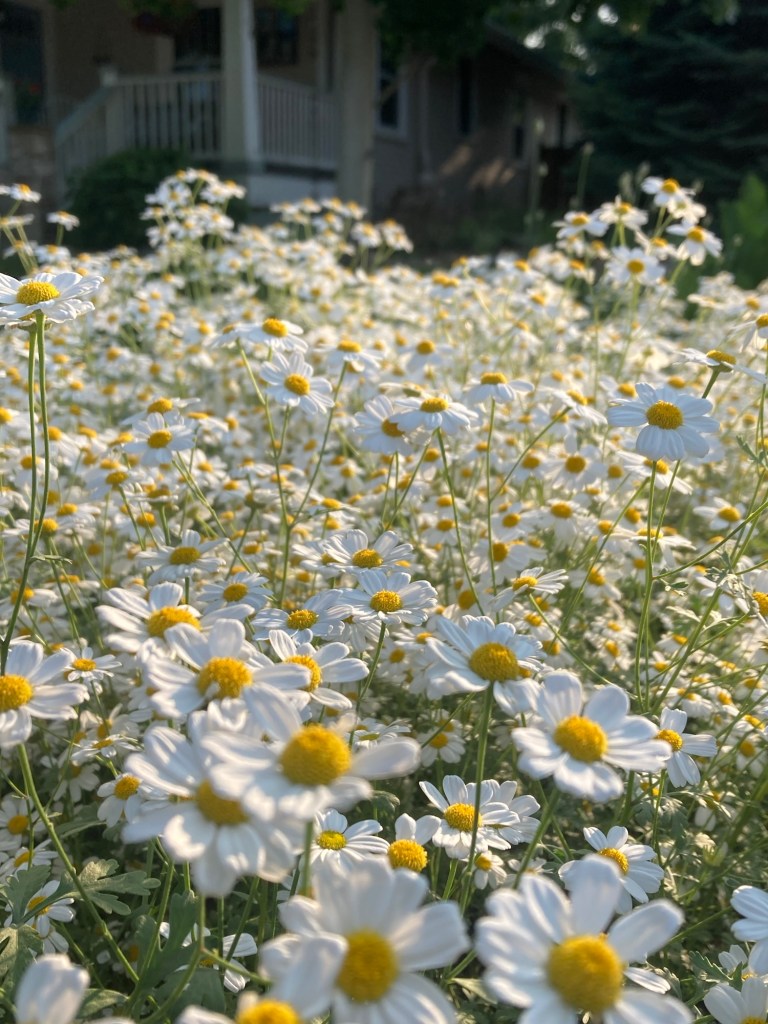
    Feverfew, in the daisy family. We collected seeds this year and spread them in our garden.

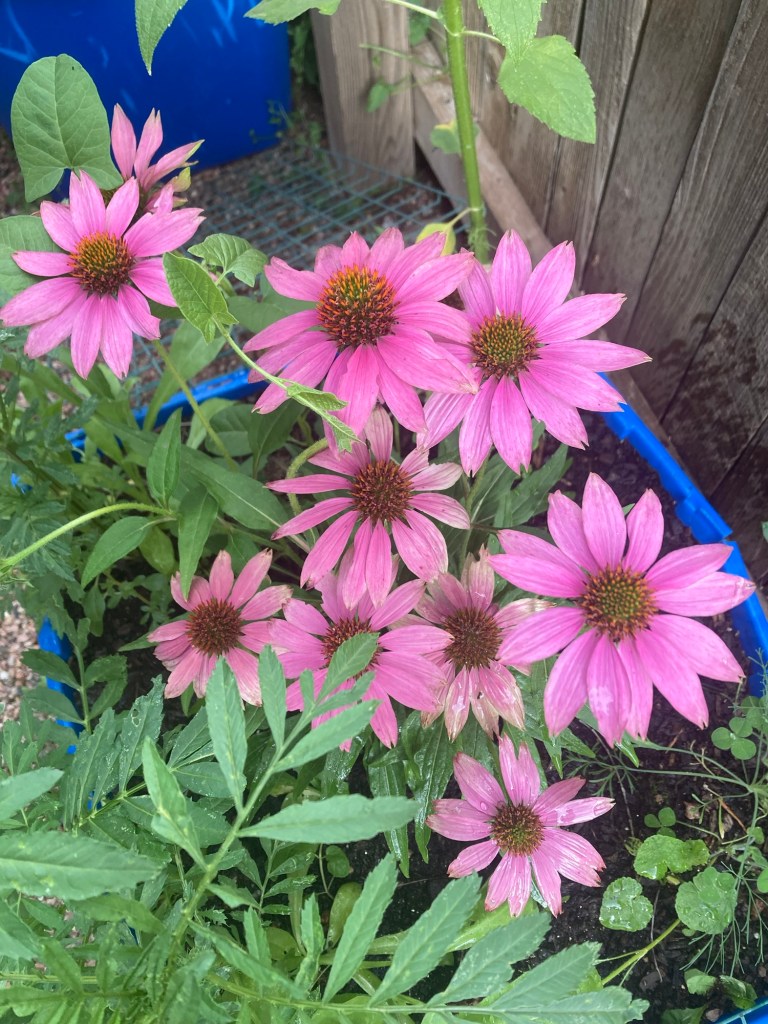
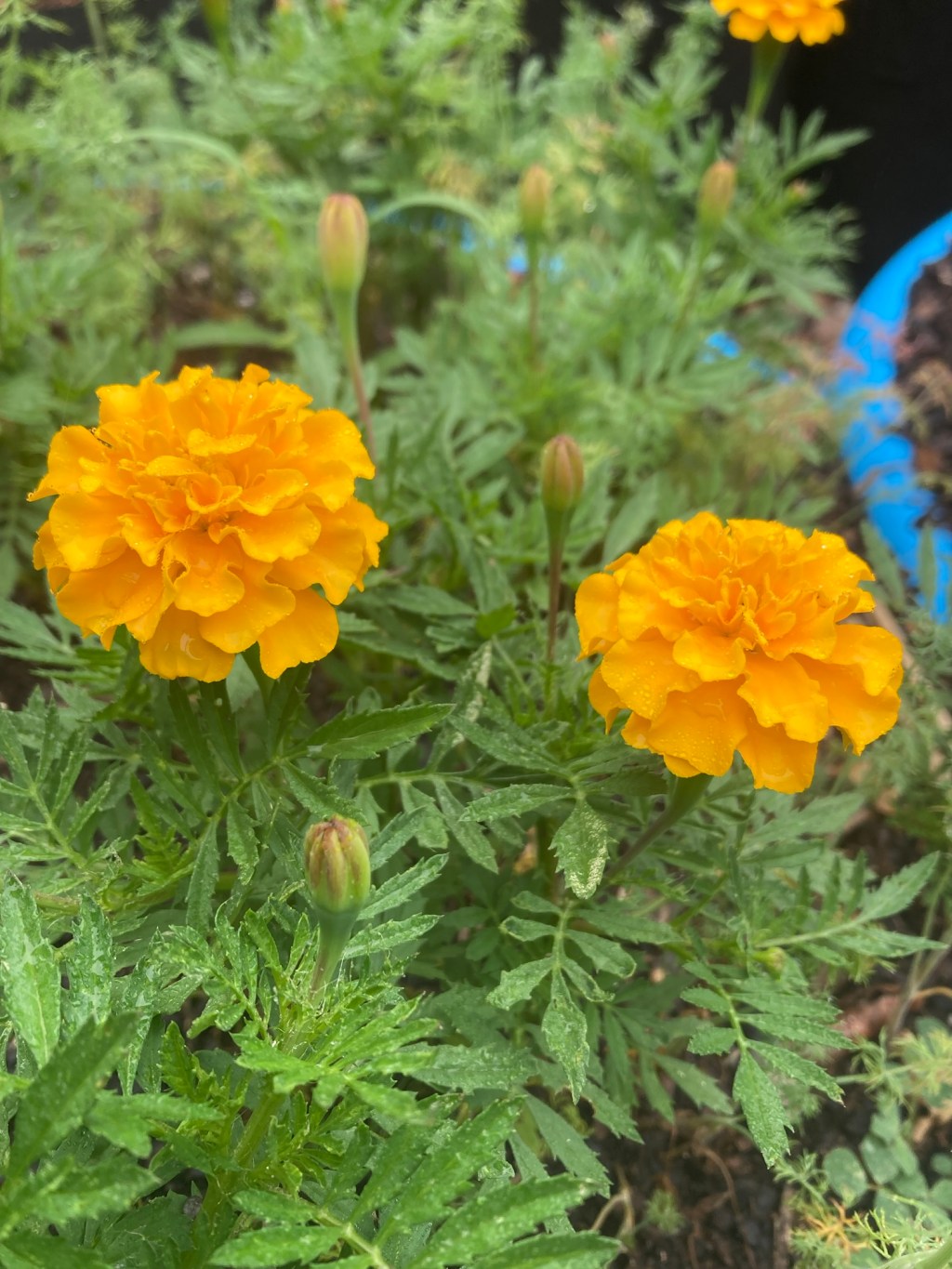
    We are currently growing Yarrow, Echinacea, Sedum, Mint, Anise Hyssop, Salvia, Bachelor’s Button, Knautia, Lamb’s Ear and Black Eyed Susans in our container garden. Our Chamomile, Prairie Sunflower, and Borage are such aggressive self-seeders that they are almost like perennials – I hardly ever have to plant any new ones. I enjoy annuals like Aster, Marigold, and Red Clover. The clover is nice because it grows prolifically but does not crowd the other plants, keeping low and sending up little red flowers here and there during the early summer. If grown densely enough, it can act as a living mulch or groundcover to help retain more moisture.

    H – Host plants. Once I began to appreciate flowering perennials, I took an interest in choosing native plants to our area in order to attract local pollinators and beneficial insects. Looking online, I could find native perennials as well as a list of insects that use these plants as hosts. This means they use the plants during a significant portion of their lifecycle, not only for food. I began to plant native grasses, as well as hardy groundcovers – some without flowers and some with flowers.

    Praying mantis. There is a native variety and an introduced variety.

    Once I took an interest in pollinators and beneficial insects, my gardening style changed dramatically. I was no longer interested in vegetables alone, isolated from everything else. I was no longer interested in straight lines and rows or arrangements. This is perhaps the moment ‘chaos gardening’ took hold in me. I began to buy wildflower seeds and spread them in every nook and crevice I could find. This year we are beginning a Goodwork project in cultivating milkweed plants.

    Milkweed is the host plant and main food source of the monarch butterfly. The prairie sunflower that grows so aggressively in our area attracts the beautiful yellow goldfinch that pecks at the little sunflower seeds in the early mornings. Our grasses attract dragonflies. The chamomile is a favorite of the hoverflies and the bumblebees. This post is not about insects, though they’d be elated if your garden went native!
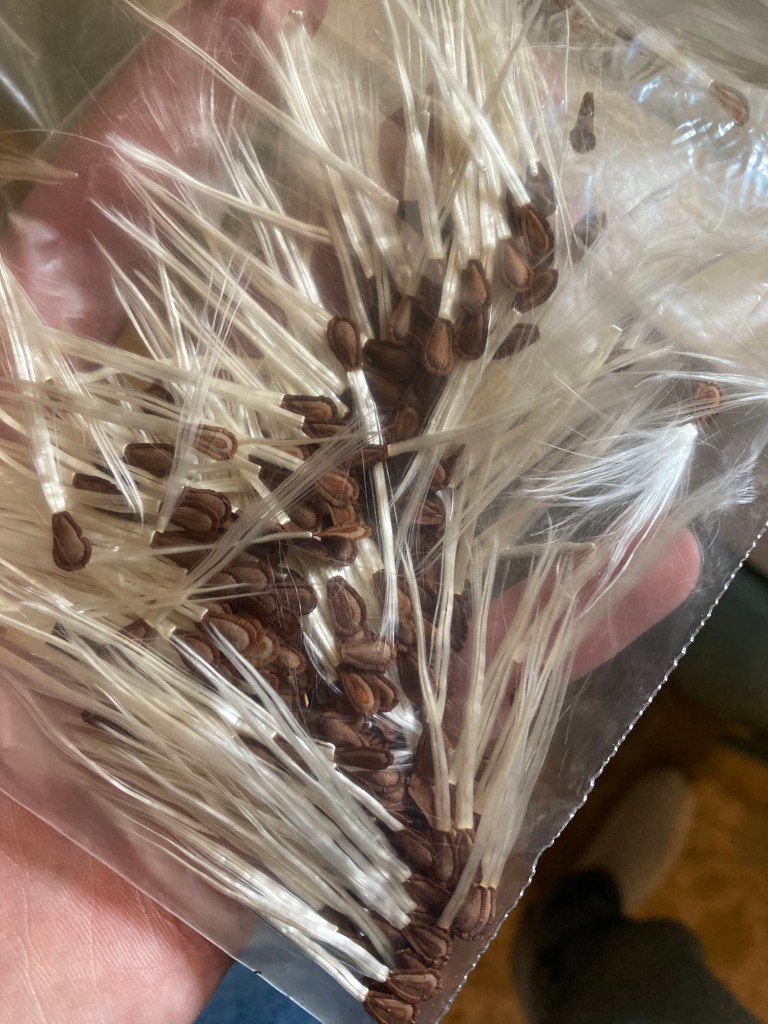
    Milkweed seeds collected in the fall. Milkweed requires a cold period before germination.

    A – Abandon lawns. This one may ruffle some feathers. I understand the utility of a manicured lawn and I understand there is no doing away with lawns completely. But if I can inspire someone to turn a portion of their labor-intensive yard into a chaos garden, host to half a dozen or more species of beneficial insects and wildlife, I would be glad.

    In talking to the adults of my life who must care for their lawn, either as required by an HOA or out of a sense of duty and order, I have found that lawns tend to be expensive nuisances. They tend to become patchy during periods of inconsistent care, they require regular mowing during the summer months which either costs time and effort or money in outsourcing this chore. Water isn’t cheap and a good portion of it is wasted on lawns due to evaporation or runoff. Products for fertilization or the killing of weeds can become costly – as well as killing the beneficial biology in both the soil and surrounding areas. Not to mention the various mechanical equipment requirements needed – lawnmower, aerator, de-thatcher etc.

    Why not save your back and your budget by switching all or a portion of your lawn to low-maintenance, low-tech chaos gardening methods? Maybe keep the front lawn for appearances and turn the back into a tapestry of colors and textures bursting with all sorts of characters. Spare your back, save some cash, replace your grass.
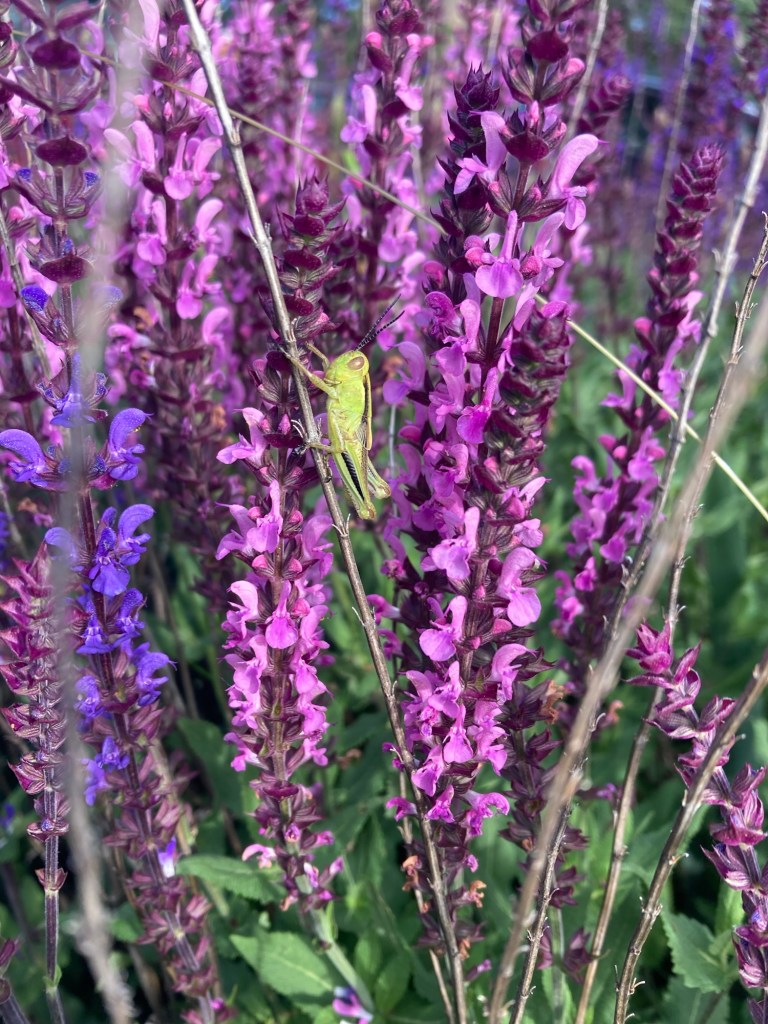
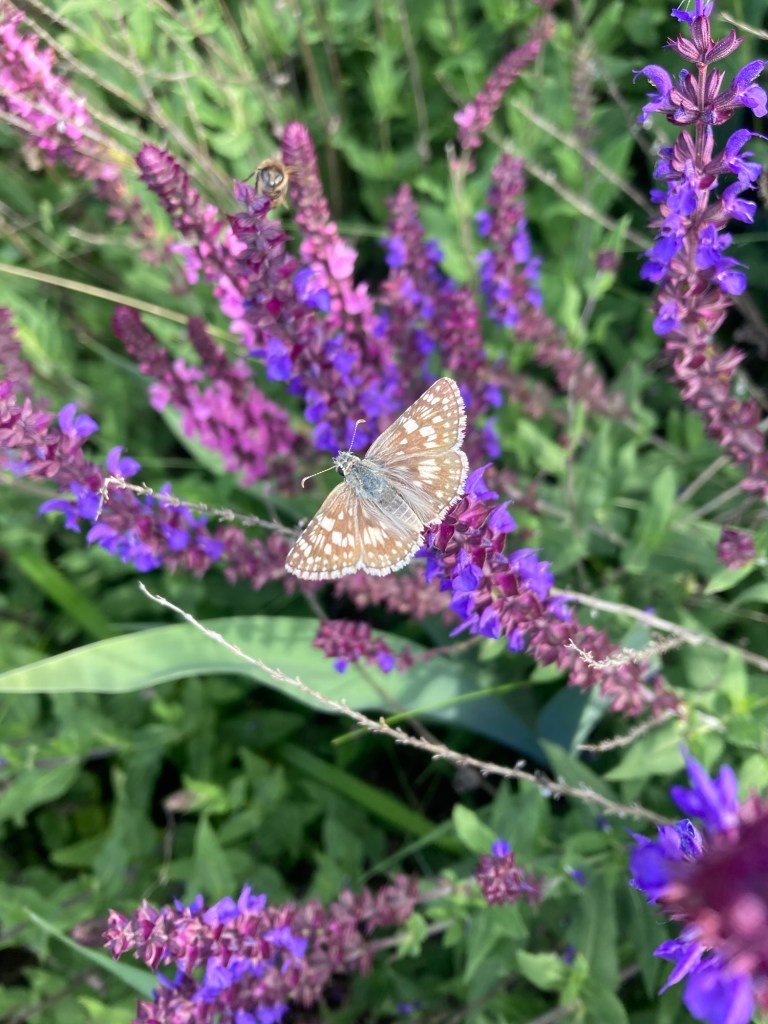
    Purple blooms and a little green alien visitor,

    O – Organized disorder. That is the name of the game. The more straight lines and clean areas, the less life a garden is going to support. Gardening is dirty, it can be downright disorganized and ugly at times. That does not mean it is an unhealthy garden. The chaos garden doesn’t have different areas for different types of plants. Old, decaying material is not cleaned up right away. That’s okay, more space for bugs to overwinter and food for worms as it breaks down. It is all part of the plan – maybe not your plan as the gardener, but the garden’s plan as a unified and healthy entity.

    Your chaotic garden should also suit your needs and interests, too –after all, you are the gardener and you should enjoy gardening. One should account for seating areas, paths for easy access to every part of your garden, and the occasional marker in order to remember what is growing where. I love it when I can walk people through my garden and rattle off the names of all the plants I have going. Not sure if they care but I like it! And when you have a chaotic garden, it sometimes helps to have a little signage here and there to identify the main players.

    S – Sprawl and Serendipity. Happy surprises. It brings such joy to see things start to thrive in your garden. You can feel a sense of pride that you have created such a fertile corner of the world, that things grow naturally and without much assistance. A sense of creativity pervades this practice – you almost feel like you were the one to create this world, or at least that you had a hand in it, and this makes you feel close to divine.
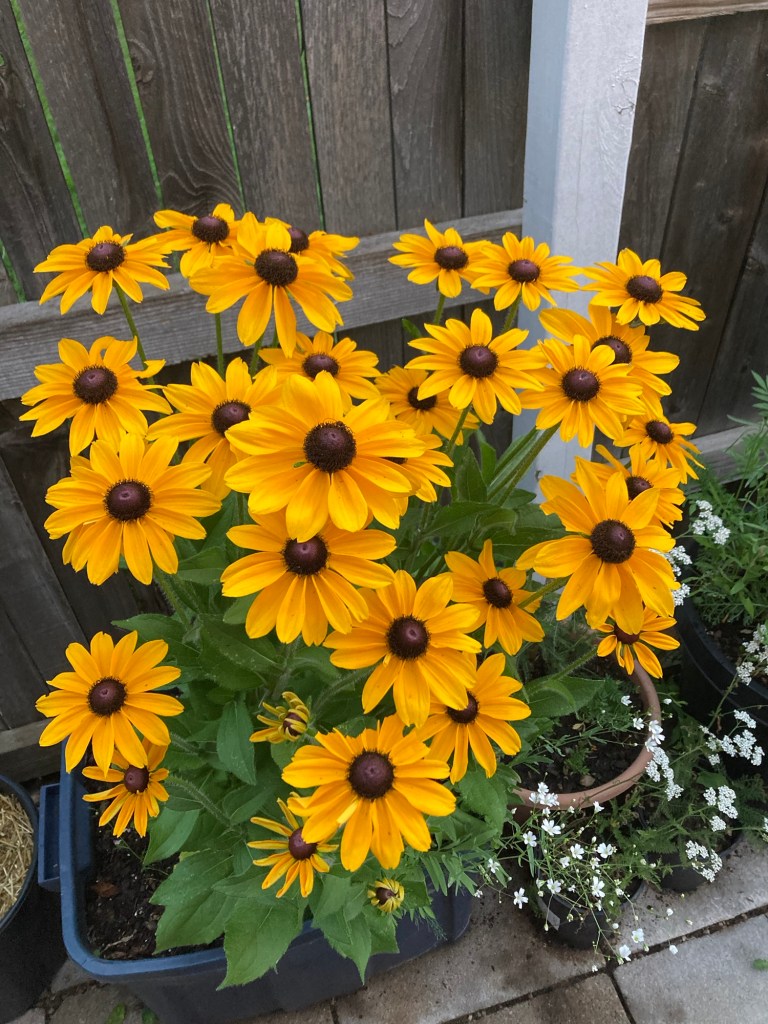
    Black eyed susans. They attracted a whole bunch of different insects!

    This sense of mastery and creation is also overshadowed, from time to time, by the many little surprises that take place in the garden which you know you had no hand in. It may be a ‘volunteer’ sprout that comes up unexpectedly in the corner. We get volunteer radishes occasionally, due to some neglect in previous years that allowed several radishes to set seeds. Or maybe it’s a bundle of insect eggs you find beneath a leaf. An earthworm, a ladybug, a praying mantis. We found a handful of baby toads in our garden one year, using our thai red chili plants as protective cover from the hungry birds. It always made our day to see them hopping from plant to plant as we watered.

    As your chaos garden begins to thrive, you may notice yourself collecting the seed heads and spreading seed haphazardly. You may take an unprecedented amount of cuttings that all begin to explode with life. Don’t worry, there is always room in the garden for more plants. The garden has a special way of expanding each year. Let its sprawl slowly take over your life.
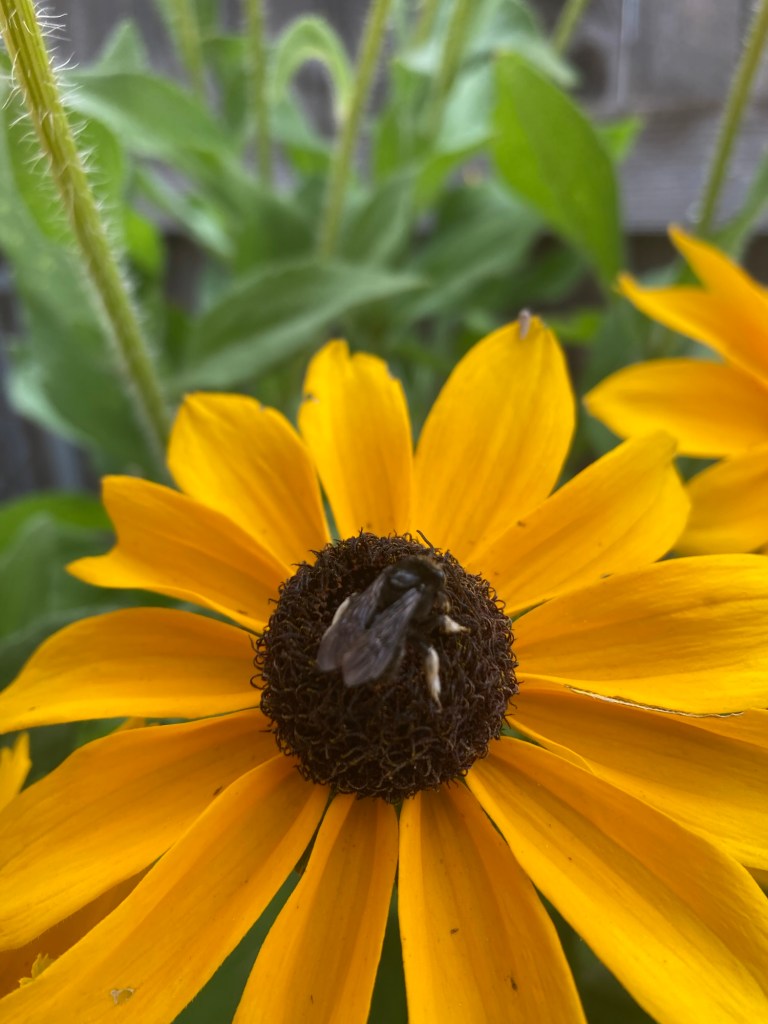
    A bee on our Black eyed susans.

    John Muir noted that if you pulled something in Nature, you would see that it was attached to everything else. These happy surprises in the garden remind us that we are part of nature, too, and witnessing that fact each day can do wonders for your mood and outlook. Wander the garden with your hands clasped behind your back and your eyes calmly fixed on each plant as you pass by. Smile quietly and take it all in as you meander through. When you slow down, when you pay attention, you get to be part of some truly remarkable events. Events so small and so quick, it is almost as if they hadn’t happened. Yes that is a line from Watchmen, that doesn’t make it any less poignant.

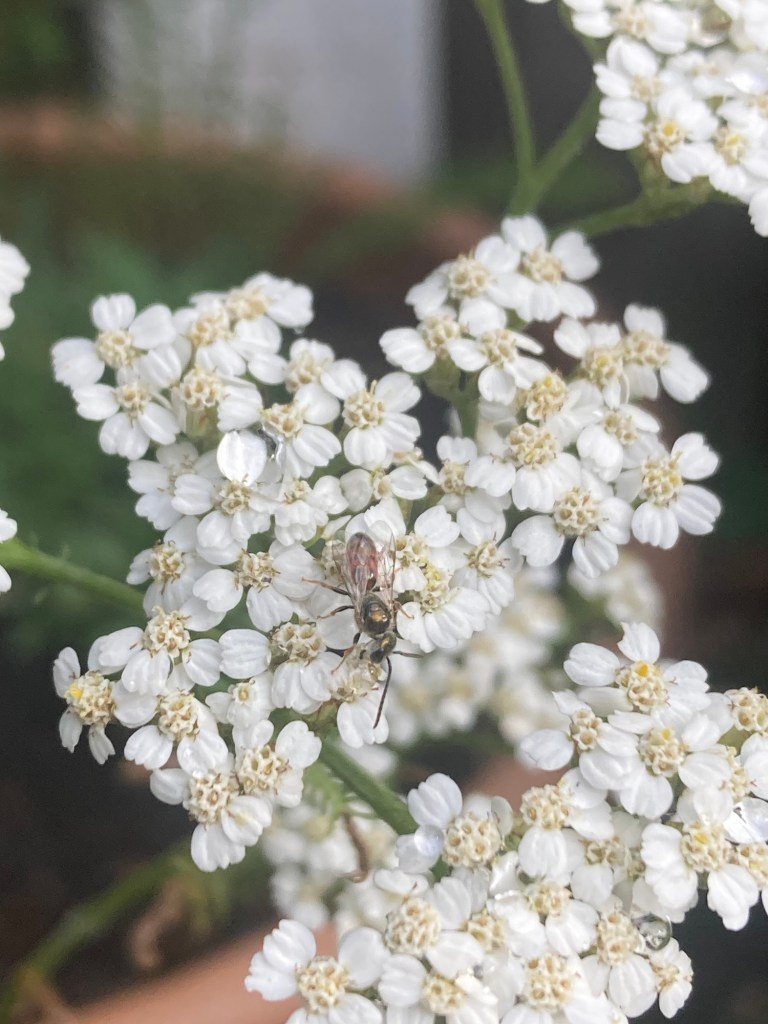
    Anyway, here are some photos for your scrolling pleasure.
  • How to Kill Tomatoes

    How to Kill Tomatoes

    *Disclaimer: this is not intended as a purely instructional article on the growing of tomatoes. For more information on the growing of tomatoes and the processes and techniques we use, reach out through our instagram: @goodworkgardens

    There is no gardening achievement quite like the tomato. Often undertaken by absolute beginners and professionals alike, they are a symbol of the health of the garden as well as a motivating image of the harvest one must get to at the end of the season.

    When we started growing our own tomato plants four years ago, we made every mistake you could possibly make. In starting seeds, we simply tossed them into some random containers of soil, put them in a humid plastic container and set them by the window to give them some light. We saw sprouts after a couple days. They quickly shot up, reaching weakly for the light of our window, then fell over with their spindly stems and died, pale and desperate. Enter: our neighbor.

    A horticulture student at our local university, she had the magic touch. She looked at our setup in disbelief and said three things that changed our routine.

    1. Put their light as close to their container as you can. We bought a long grow-light from our local hardware store and set it about two or three inches above the soil surface. When they sprouted and as they grew, we kept raising the light with them.
    2. Use starter soil. It made a huge difference in both nutrient content and moisture retention. The soil was loose enough for little seedling roots but could also retain moisture so the sensitive sprouts would not dry out.
    3. Put the seeds near the surface and cover them with vermiculite. We had been burying our seeds about an inch below the surface and leaving the soil uncovered. We consistently had gnats in our grow area (our living room). The vermiculite increased our germination success as well as got rid of our gnat problem.

    With her help, we kept learning from our mistakes and kept growing. When the seedlings started getting tall, we called for her help again. She recommended we keep a fan on them to build the strength of their stems. The little breeze signals to the sprouts to “Hold on!” and this develops their roots and stems.

    In those years, we were container gardening in our inhospitable yard. We planted our tomatoes in an assortment of five gallon buckets along our fence and supported them with flimsy tomato cages that are common in gardening centers. When we began to get ripe tomatoes, we were elated. Almost immediately, we understood why harvest festivals have been such an integral cultural practice in every civilization in the history of the world. Harvests seem impossible. That is why they are celebrated with such devotion. The work and attention and endless variables throughout the season distract you from the possibility of a reward. When you finally get to that day, it feels unrelated somehow, and providential.

    In that year, I think we had somewhere around five pounds of tomatoes and random assortment of other produce – chamomile flowers, a couple shriveled radishes, four or five little potatoes. Still, we were hooked.

    The next year, in addition to the container garden in our yard, we also signed up for our local community garden where we were assigned an in-ground garden plot of one hundred square feet. We took the lessons that we learned the previous year and we were off to the races. And we did much better! It was nothing compared to what we do today or compared to professionals but we were increasing our yield and gardening in the actual ground. We learned to bury the tomato starts deep, to mulch heavily, and to KEEP UP WITH THE PRUNING!

    We were still not measuring our yield yet but I estimate we got about ten pounds of tomatoes and maybe a pound of peppers and carrots. Often we would neglect the plot, getting busy and distracted in our day-to-day lives as one does, and we would forget to water.

    After two years of consistent learning, lots of trial-and-error, and becoming more attentive to the garden, we were really becoming skilled. That year, we started close to five hundred plants and sold them in a little street market sale on our street alongside our neighbors. They were all happy and healthy. We had three neighbors who were horticulture majors or professional gardeners and that helped with increasing our knowledge. It also happened to be a wet spring and summer. Our community garden plot exploded with life and it seemed like we did not have to try as hard to get ten times the amount of produce.

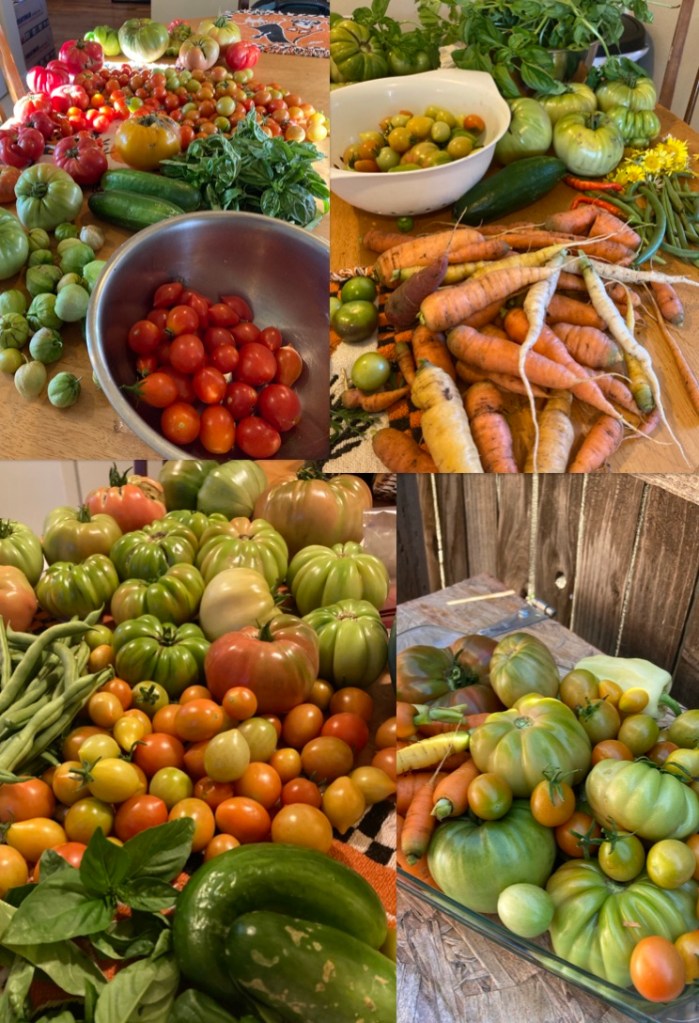
    Overwhelmed with the abundance, we began to keep track of our harvests in poundage and type of produce. By the end of the season, we had raised one hundred pounds. Tomatoes, beans, carrots, squash, peppers, radishes, and many different types of herbs. That year changed things dramatically – we finally saw the potential in raising quality food for ourselves and others, a dream which still drives us currently.

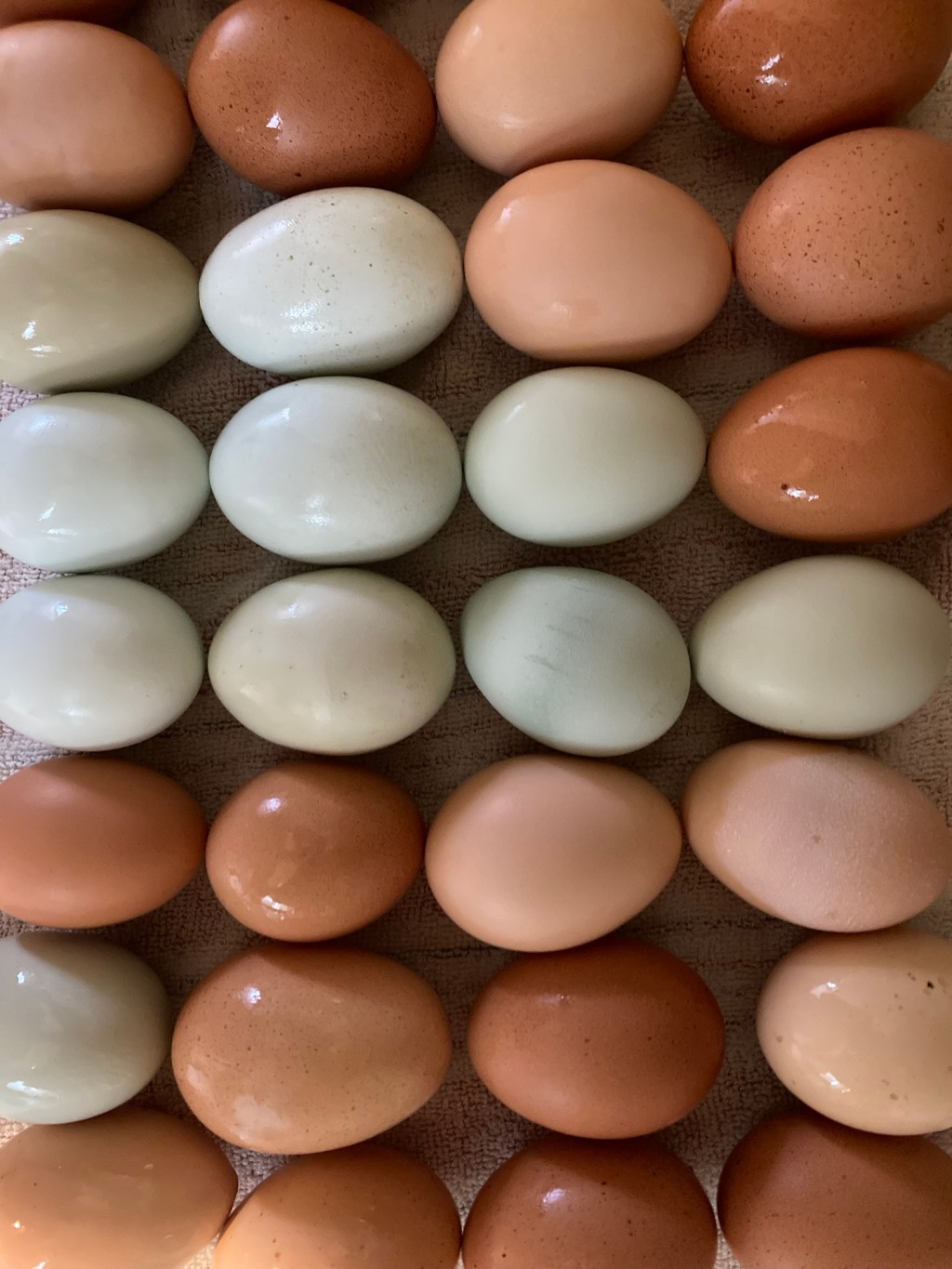
    The community garden and our haphazard container garden weren’t cutting it anymore. Our ambition was to do even more and for that we needed more space. I connected with a local who rented his land out. We didn’t need much. We had only managed a hundred-square-foot plot and a few buckets, so we didn’t want to scale up faster than we could handle. After much initial work, we set up three hundred square feet of in-ground gardening space and a coop full of beautiful chickens. That year we grew approximately three hundred pounds of produce and gathered something around 2,000 eggs.

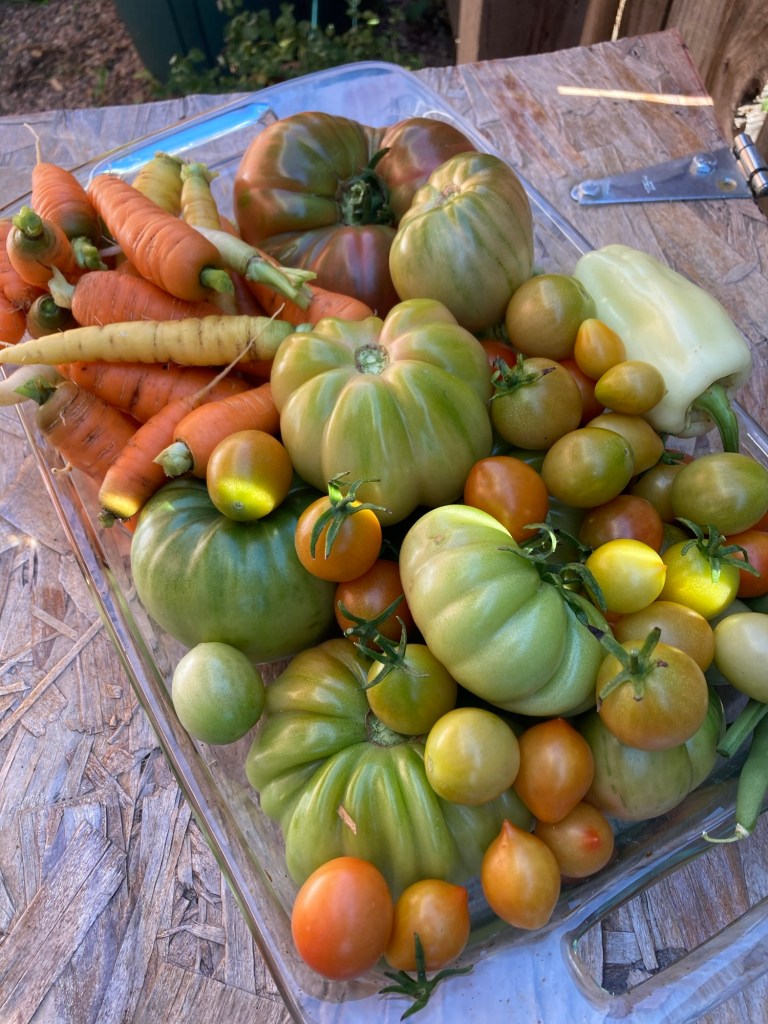
    That year we had grown twenty tomato plants. Fifteen made it to harvest, the others dying of various causes including disease and pests. Tomatoes come in so many shapes, sizes, and colors, we wanted to experiment a little and find out what the best varieties were. Our personal favorites were the German Pink and the Pineapple for cutting tomatoes, the Peron and Roma for sauce or salad tomatoes, and the Prairie Fire and Yellow Pear tomatoes for snacking/cherry tomato varieties.

    Following the tomatoes from seedling all the way to a favorite recipe was deeply rewarding. There is so much to say about this staple crop in its impact on cuisine and culture but that is for another time. For now, I will focus on the growing… and the killing of tomato seedlings.

    This year went a little different than previous years. Here I was, thinking we had this all figured out and down to a science. I thought we could grow a thousand seedlings with our eyes closed. But each year teaches you a different lesson. Each year the circumstances are different, the variables have changed, and you are not the same individual that grew this garden the previous year. It is never the same garden twice.

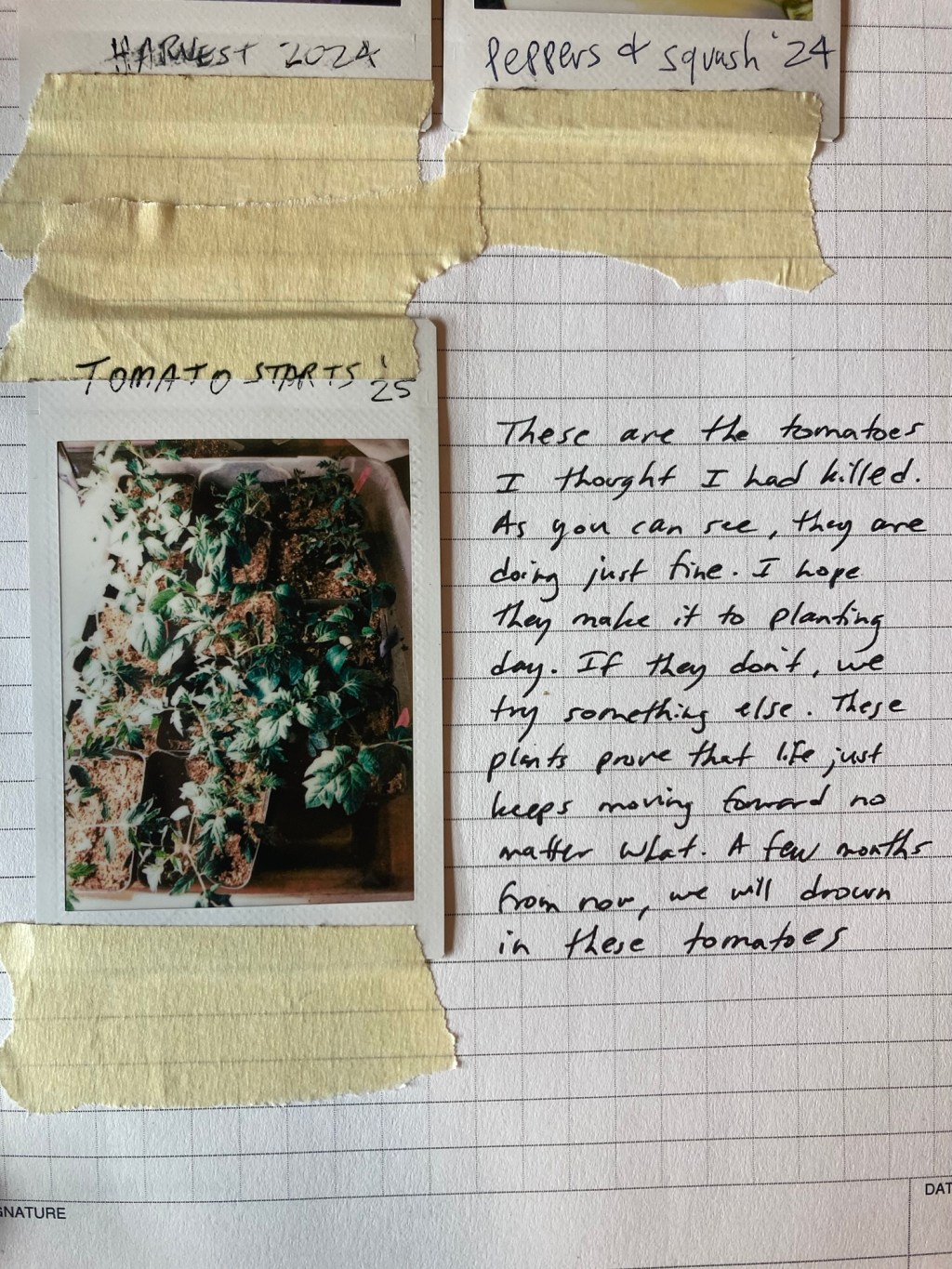
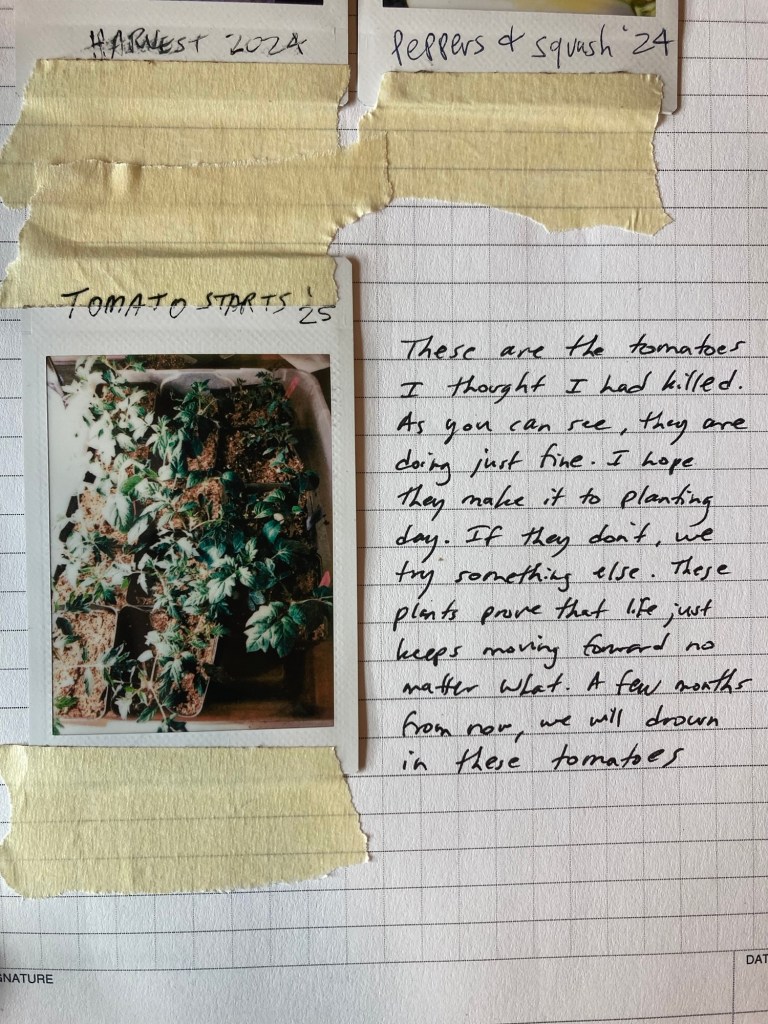
    Of the one hundred tomato plants we started, almost all were withering and dying after the first two weeks of growth. I stressed about the different variables – the soil quality, the watering schedule, the lights we used. Making adjustments seemingly changed nothing. They just kept on dying. A last ditch effort was made and we potted up the little, fragile seedlings to see if the new soil would help them take hold. The hundred seedlings were soon down to twenty-five of the healthiest specimens and we had to compost the rest. I watched them diligently, hoping they would somehow make a rebound before the planting day.

    After just two days, they grew in leaps and bounds. I thought I had killed them. I thought I had pushed them to the absolute limit with neglect. But that little mite of life was still crouching inside them, waiting for the chance to spring back.

    Gardening always surprises me in this way. I suppose that is the message of this particular post. The resilience and potential of life in all respects seems unfazed, undeterred.

    This post isn’t about how to grow tomatoes, it’s about how to kill them. We are always good at that part because it is easy. The path we have taken toward growing hundreds of pounds of produce is littered with the trial-and-error plants we have killed along the way. Each year we kill more tomato plants. Each year we end up harvesting more than we did the year before. The dead and dying plants are evidence of effort, a testament to our attempts. And that is what people must do: fail all the way to success.

    You look at your collection of withering seedlings on the shelf and you think it’s over. You visit your garden beds and the grasshoppers have helped themselves to everything but the bare stems of your herbs and tomatoes. Dejected and hopeless, you are ready to give it up. But some part of you still clings to that image of the harvest at the end of the season. You’d like to give up and go home but you make one last push. Always that last effort. You keep going, you keep working.

    A half dozen farming phrases, dripping with stoicism, come to mind. “Oh, well.” “Tomorrow is another day.” “Moving right along.” All of them mean one thing. Just keep going.

    The leaves are stripped and brown in the sun but you keep watering the beds anyway. The seedlings could not look worse but you pot them up anyway. It may be stubborn persistence or stupid hope but you keep doing the work in spite of the conditions. Somewhere along the way, that mite of life catches and you’re walking through the lush and abundant world that seemed impossible not too long before.

  • Sowing Seeds

    Sowing Seeds

    New Beginnings

    While many celebrate a new year in January, the later part of winter is still marked with inactivity and darkness. The seeds are still sleeping in the frozen soil, the days are short and the nights still long and demanding rest. January does not always feel like the beginning of something new but the continuation of a season of pause, rest, and waiting.

    Personally, the year feels new when things grow again in spring. We seek to begin – relationships, work, eras of our personal lives. We celebrate freshness and renewal. The themes of spring’s natural movement are youth, clarity, expectation. And we reconcile ourselves to those natural elements with our own behavior.

    It is in this time of beginnings that I want to begin this project. I call it the Goodwork Almanac because it will follow the cycles of the year. It may also become a commonplace book to sort odds and ends, a journal to record the most noteworthy events, a scrapbook to document memories as time passes. I do not rightly know what it will grow into, for now I am just sowing seeds.

    There is no definitive separation between the end of one season and the beginning of another. They blend around their edges. Perhaps there is a day in March when the sun comes out, or when the dirt at the edge of the yard is exposed from the creeping edges of the snow that melts back. And you say to yourself, “Oh, it felt like spring just then.” We take walks into the garden to see what is returning – the hardy perennials peek out of the frost and snow.

    Think of the “seeds” which you will plant in your life in this part of the year, the season of new beginnings. What thoughts will you allow to take root? What habits will you cultivate and what habits will you eradicate? The proverb says you will reap what you sow – the question asked of you by the very nature of spring is: what will you sow?

    If you plant complacency, you will harvest mediocrity. If you plant focus and commitment, you will harvest many successes. This is not only the time to plant tomatoes, peppers, and herbs for the coming months but also the time to begin new practices, new habits, and fresh plans for the future.

    What is the work that demands your attention? Are you meant for beekeeping, raising sheep, writing books? Are you here to help others through their darkness, create things out of wood and metal, or cook nourishing meals for a restaurant full of hungry people? Maybe you were meant to raise ducks, make cheese, draw cartoons, or push a broom. Only you can know, and only you can find your way to that path.

    “You owe it to all of us to get on with what you’re good at.” – W.H. Auden

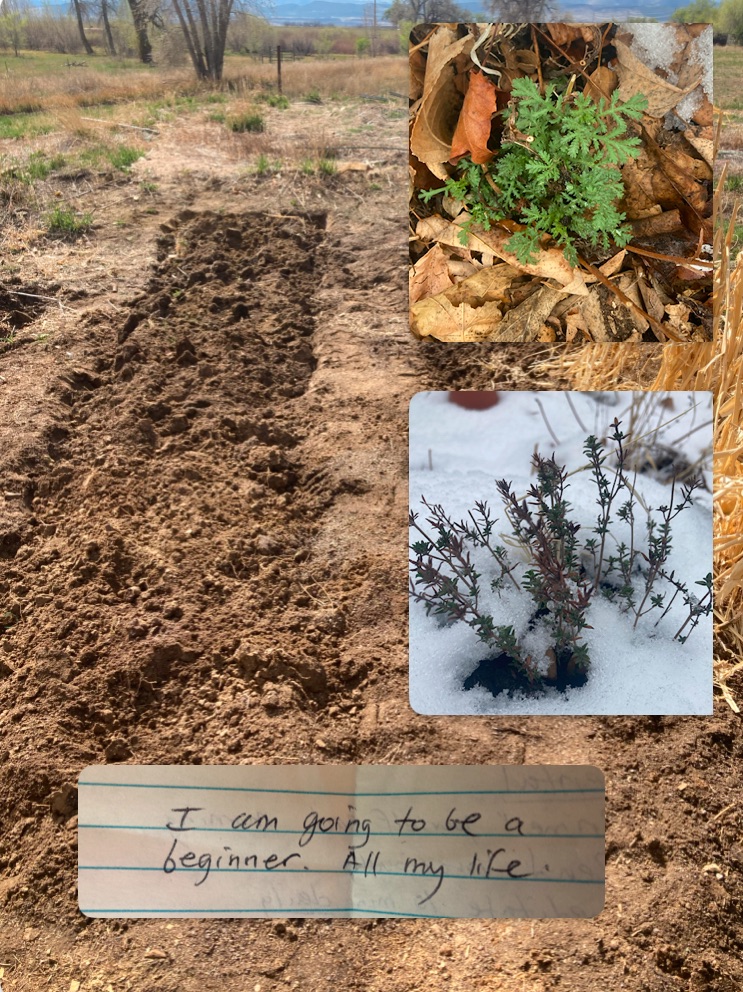
    These posts will be a different kind of seed to spread. I want to discuss ideas, plans, techniques, and strategies to navigate this journey that we are on. I claim no professional status. I am a true amateur in all realms. By definition, an amateur is someone who does something for the love of it.

    At the end of the day, I cannot say there is a best strategy or a single answer. All I can do, as a gardener, is spread seed and see what comes up. A certain seed may not sprout here, at this moment, because the conditions aren’t right. Another may view it as the perfect moment to leap forward.

    We sometimes get caught in the mistake of thinking that life is something which happens, a mere event. But it is much more like a medium or a substance which we can explore, interact with, and develop. It is the raw material which we can use to create ourselves. The neglected field will grow just as much as the acre of carefully tended farmland – the difference is the effort and care exerted, the creation of a logical and measurable plan, the indulgence of a dream.

    The perfect strategy is the one that works. The perfect moment is the one we have now. The perfect context for beginning is the one in which we are forced to start.

    Most of all, these ideas I spread are ready for discussion and interaction. I think of the Goodwork Almanac as a forum for spreading beneficial ideas, useful thoughts, constructive discussion, and helpful stories that may inspire others to grow and move forward.

    Planning and Patience

    The early signs of spring are like a densely coiled seed which will eventually explode onto the scene with its usual clarity. First, it must be as small and undetectable as the first white roots in the soil, or the little ripple of light that moves out of the darkest months. The stirrings of life must begin somewhere, and they begin here.

    These things do not happen all at once. The day you plant the seed is not the day you will harvest, but one must begin in order to get to that harvest day.

    It is about humility. Accepting that beginnings are often ridiculous and inauspicious. “This little seedling is going to give me pounds and pounds of tomatoes?! Unlikely!” But it is true. Just as with other things: do not discount the ability of consistent growth and patient progress. (I view this as good advice in general but also a reminder to myself).

    The key is to remember. Constantly remember that this is your life just as it is the seedling’s life, and it is passing by with gradual change and miniscule degrees. It is spring again. How much progress have you made since last spring? How much growth would you like to happen before the next spring? Do not commit the mistake of turning your attention away from this growth, just as you should not turn your attention from the care of your seedlings.

    “The reward for our work is not what we get, but what we become.” – Paulo Coelho

    There will be many distractions. It seems that daily life is riddled with things that demand our attention and drain us of the energy we would like to give to more important things. A few minutes here and there spent in a state of distraction and resignation will add up. It gains momentum as a habit of ‘tuning out’, of forgetting, and eventually it may steal days, weeks, or months per year of your life that could otherwise have gone toward fulfillment, beginnings, organization, connection.

    These posts will also be about remembering the path we want to be on. I am not prescribing paths or espousing answers but merely saying “Hey, wake up, remember you have a path to take, a journey that is your own.”

    I have been lost and would not wish that on others. I have wanted guidance and encouragement and have found only work to do. That is how we start. There are already too many voices that proclaim that life is meaningless, that there is no point, and that we should give up. Even if no one were saying this out loud, the annoying voices in our heads would still repeat this false idea. Part of the drive of this blog is to repeat the message that your life is yours to create, that it can be filled with meaningful action and work, that despair and hopelessness are not the answer, that we can still build a wonderful and powerful life together.

    Practices and Meditations

    Plant ten seeds in little pots of good soil. If you cannot do ten, do five. If not five, then one. If you do not want to keep them, sell them or give them to friends and family as gifts. But it is important to see them and to know them as they grow in this part of the season. Plant the other “seeds” of your life as well! Start a savings plan, start going on walks every day, start smiling and using people’s names when you greet them. Little things matter, they grow into big things.

    Look for the first spark of color in the dirt, the first green tendrils resisting the cold, the first honeybee making its rounds. This is about paying attention. Time moves by quickly when we aren’t paying attention. If we cannot enjoy the little things in our lives, we most likely won’t enjoy the bigger moments either.

    The garden is just dirt at the beginning. It is somewhat unremarkable. We have to be content with being unremarkable when we begin, so we may give ourselves room to grow. Delayed gratification is a muscle we must exercise, a skill to learn, not a natural trait. If you keep your attention on doing the work, you will look up one day and everything will be flourishing just as you intended.