Tag: pollinators

  • Friends of the Garden

    Bees

    In beginning a ‘Friends of the Garden’ series of posts, I would like to shed light on various plants and animals that bring tremendous benefit to not only our gardens but to nature in general. These posts will include a small portrait of this friend of the garden, as well as ways to encourage this friend and make a niche for them to thrive. I enjoy watching out for all these different forms of life and how they might come to appear in the garden; it is like collecting, without disturbing anything or catching anything. At the end of the season, I get to look back at all the different forms of life I had invited into my world. Some of these friends are having a hard time, so creating corners of the world that are friendly to them is likewise important and I hope to inspire some of that with these short posts. First, the bees.
    Solitary bees

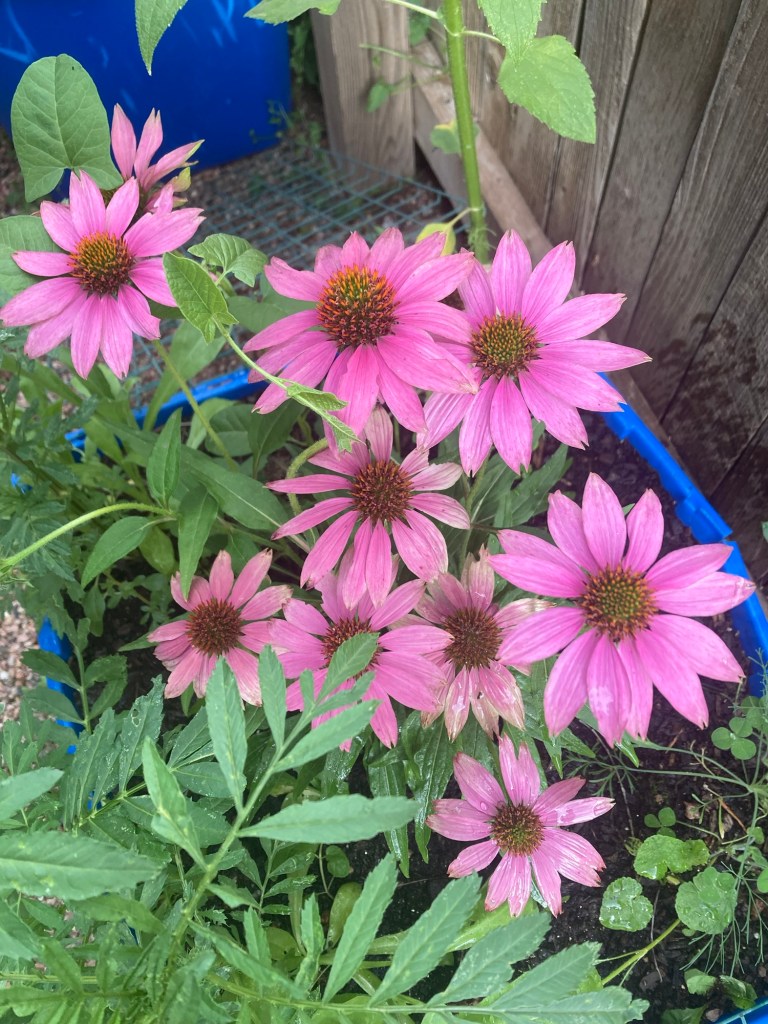
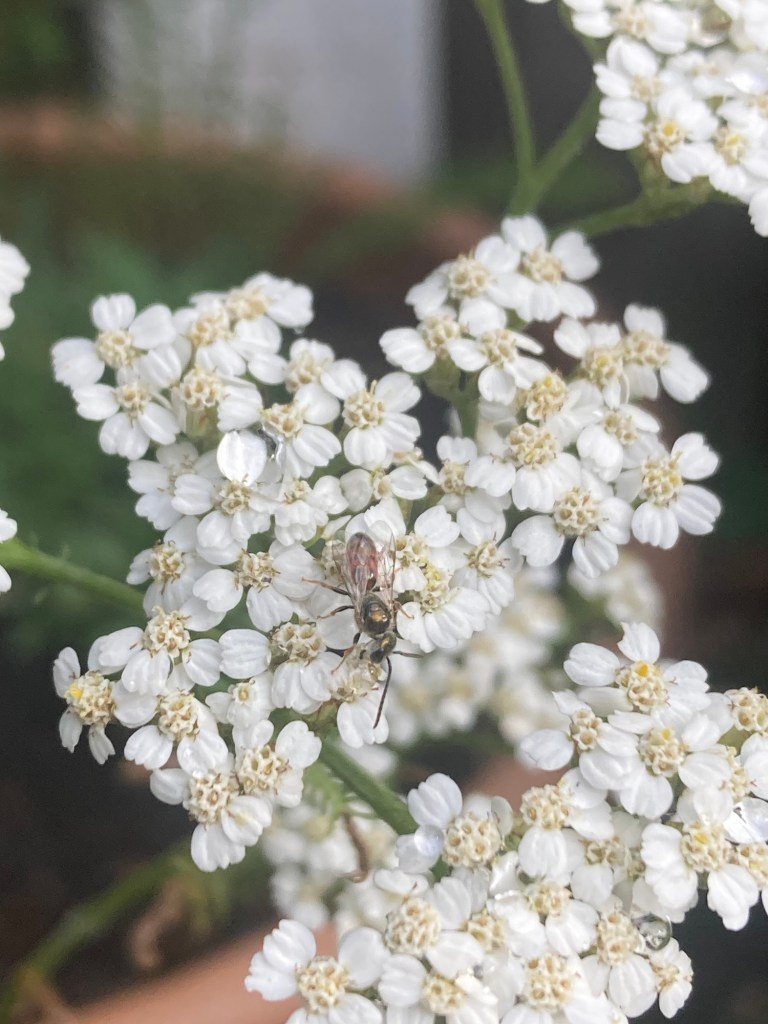
    Not all bees are social in nature, such as the honeybees who form intricate hives and live in colonies. Some bees, known as solitary bees, make their nests in the cracks and crevices of logs, in sand or soil burrows, or even among cavities of hollow reeds. They are still excellent pollinators and should be encouraged by a bee-friendly garden of flowering native perennials. Coneflowers are an excellent choice for these gardens as they provide both food and shelter. Examples of solitary bees include: the mason bee, the leafcutter bee, the metallic bee, miner bees, and squash bees.
    Bumblers

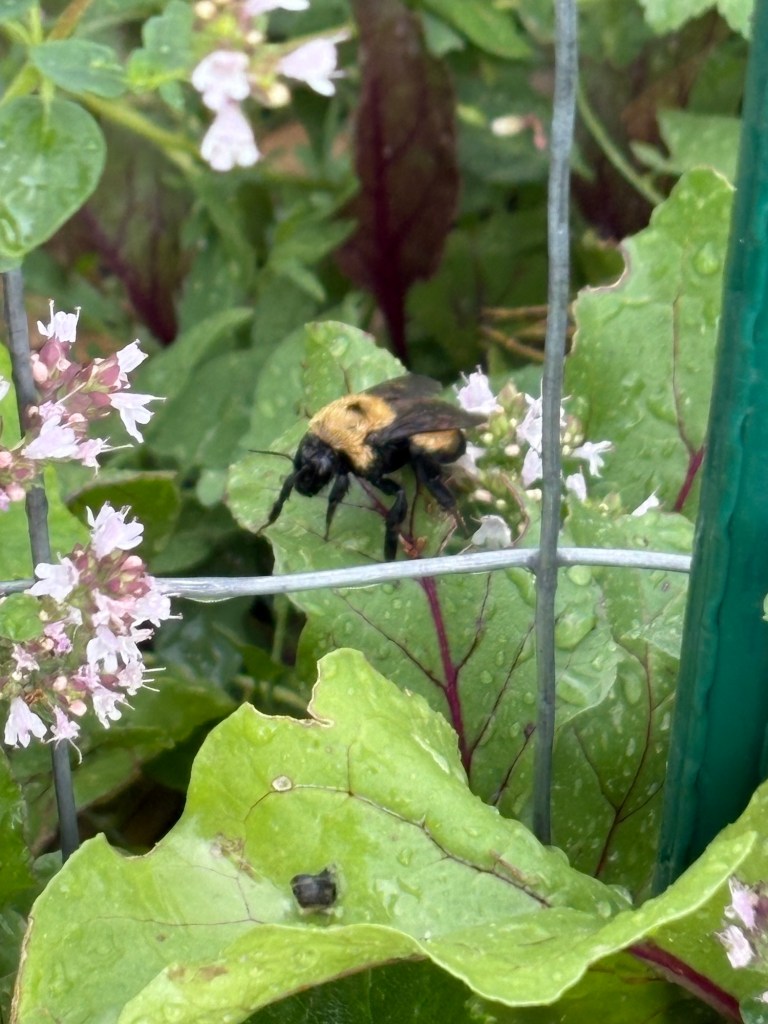
    Bumblebees come in many varieties and I am always glad to see them hanging around our garden. Something about their graceful clumsiness, the way they bend the whole stem down when landing on a flower brings me immense joy. Bumblebee types include: the American bumblebee, the red-belted bumblebee, and the yellow-banded bumblebee. There are several varieties of bumblebee that were once prolific in the U.S. but which are now in trouble due to pesticide use and habitat disruption. Bumblebees do have a queen and a colony, though they are sometimes located in the ground rather than up in the trees, as a honeybee hive typically is.
    Honeybees

    The honeybee is a great bee for both pollination and the economically attractive habit of making honey. Beekeeping is a wonderful hobby, perhaps even a wonderful enterprise if you are so inclined, and can teach you more about the wonders of nature. But this post is not really about the honeybee or honey production, it is more about encouraging a huge range of native bee populations just for the fun of it! We may return to the traditional honeybee work in another post.
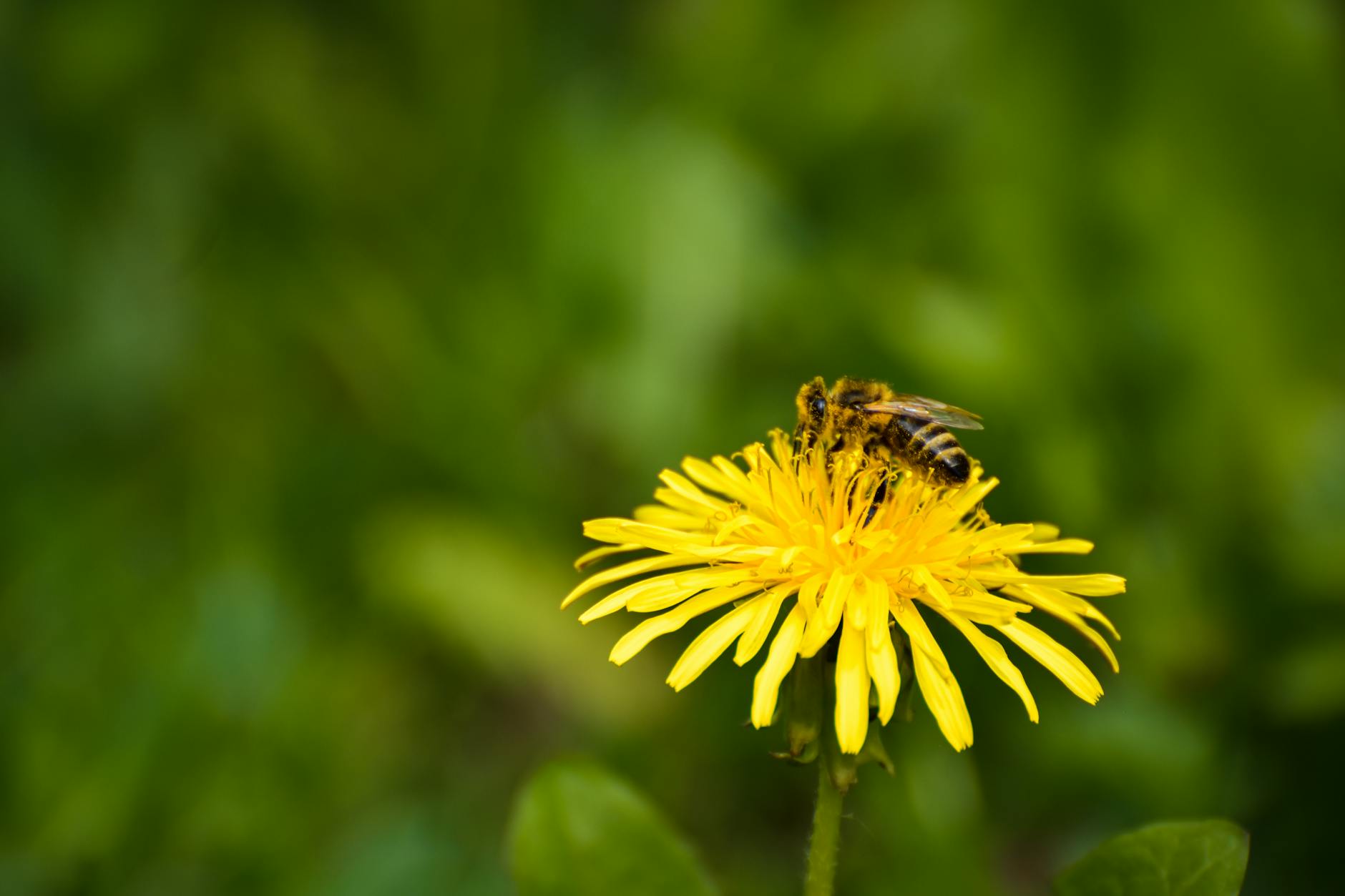
    Photo by Alexas Fotos on Pexels.com

    How to Create their Niche

    Let’s start low and go from there. Since many solitary bees and bumblebees make their home in or on the ground, it would be wise to provide these bees ample room to set up shop. Providing sandy soils, muddy areas, or hollow reeds will give the bees a place to make their home right in your garden. Allow your garden to ‘rest’ by leaving accumulated leafy material and twigs on the ground. This provides a refuge for all sorts of pollinating, beneficial insects to overwinter. Setting out shallow trays of water, with pebbles in the water for the bees to land on, will also encourage them.
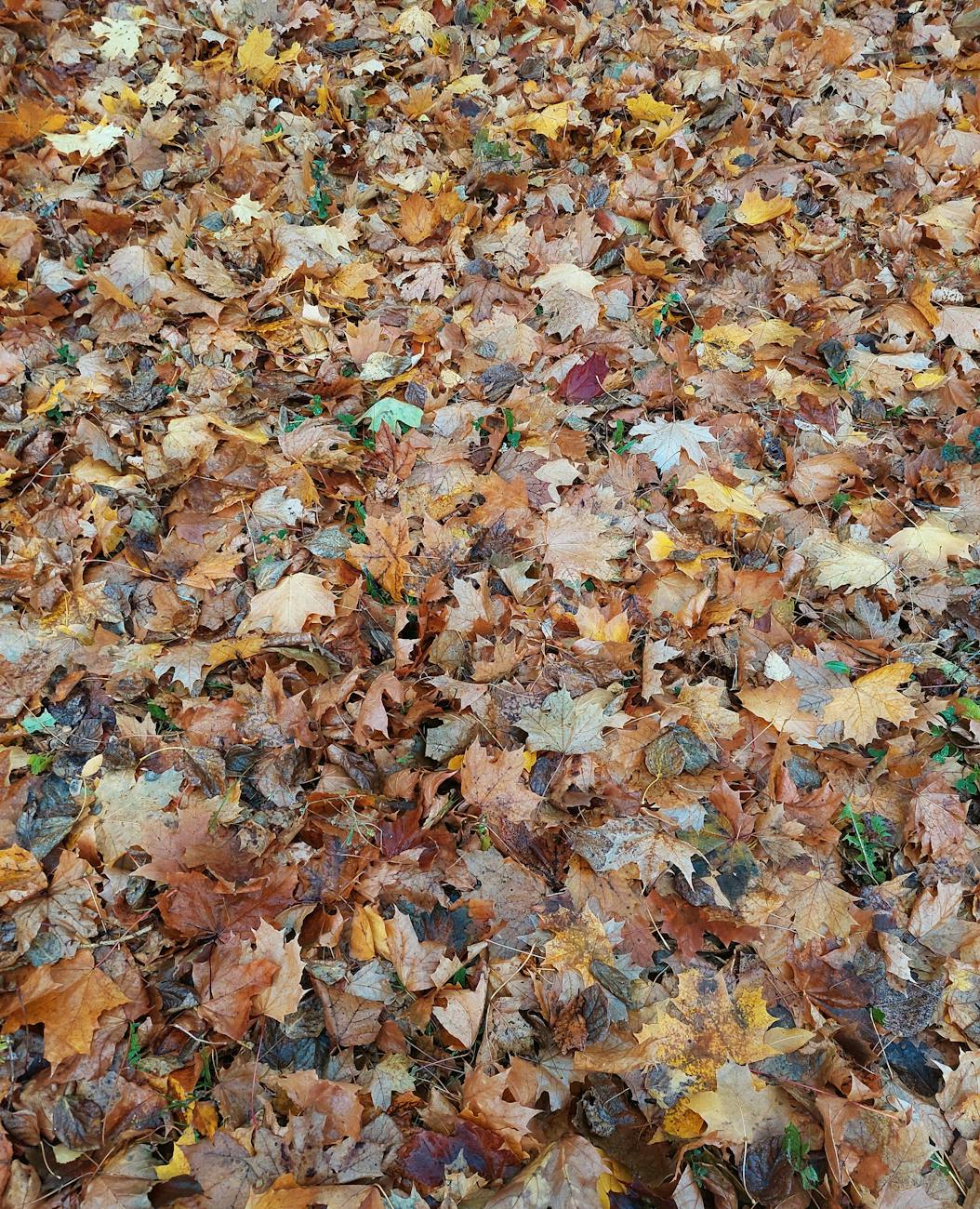
    Photo by Guzel Sadykova on Pexels.com

    Avoid using pesticides or chemical fertilizers in your garden. You may think the pesticides only ‘target’ the insects you do not want but these chemicals can have negative impacts on beneficial insects as well. And since their homes are made in or near the soil, treating the soil with strong chemical fertilizers may also disrupt their life cycles and make for a poor habitat. As always, do your due diligence before applying chemical anything to your garden so you can be aware of possible negative side effects, or just to make sure you are applying it correctly. Improper application of even a mild chemical can create issues.

    Next, what to grow in your garden to attract the bees. I am a proponent of any flowering native perennial. If it is native, there is a chance it will provide a home for some type of native insect, even if it is not a honeybee. Since it is perennial, you won’t have to plant it every year and each year will bring a stronger growth. And because it flowers, it will provide food for birds and insects as well as beauty for your garden. It does not have to be only native plants, either.
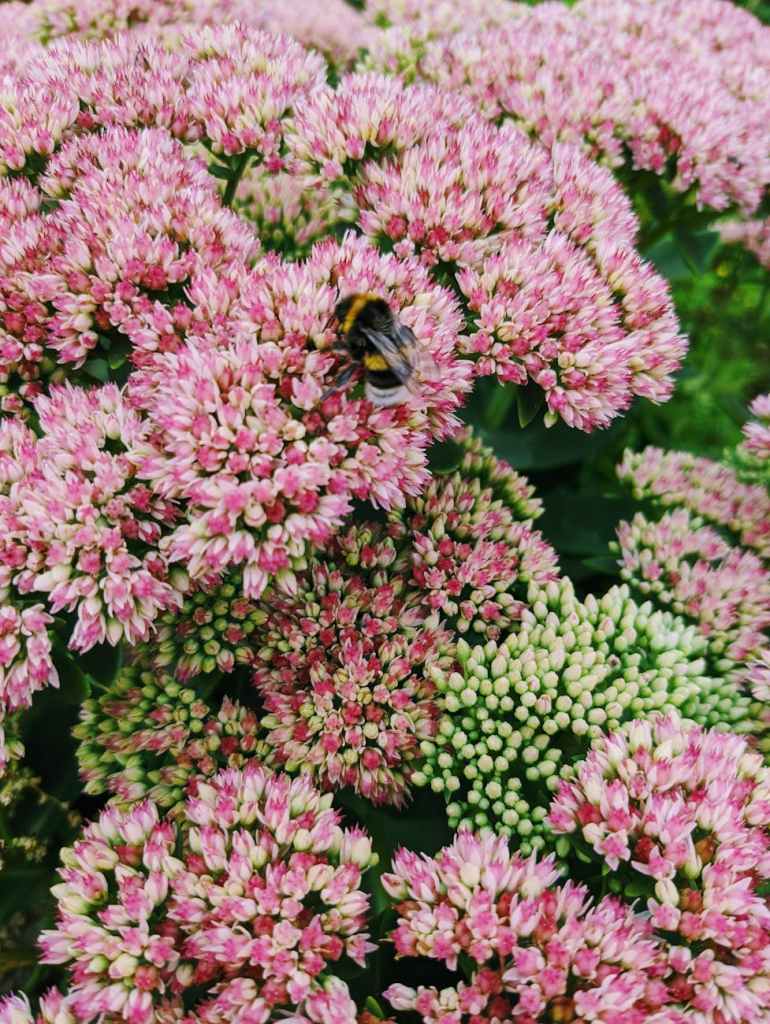
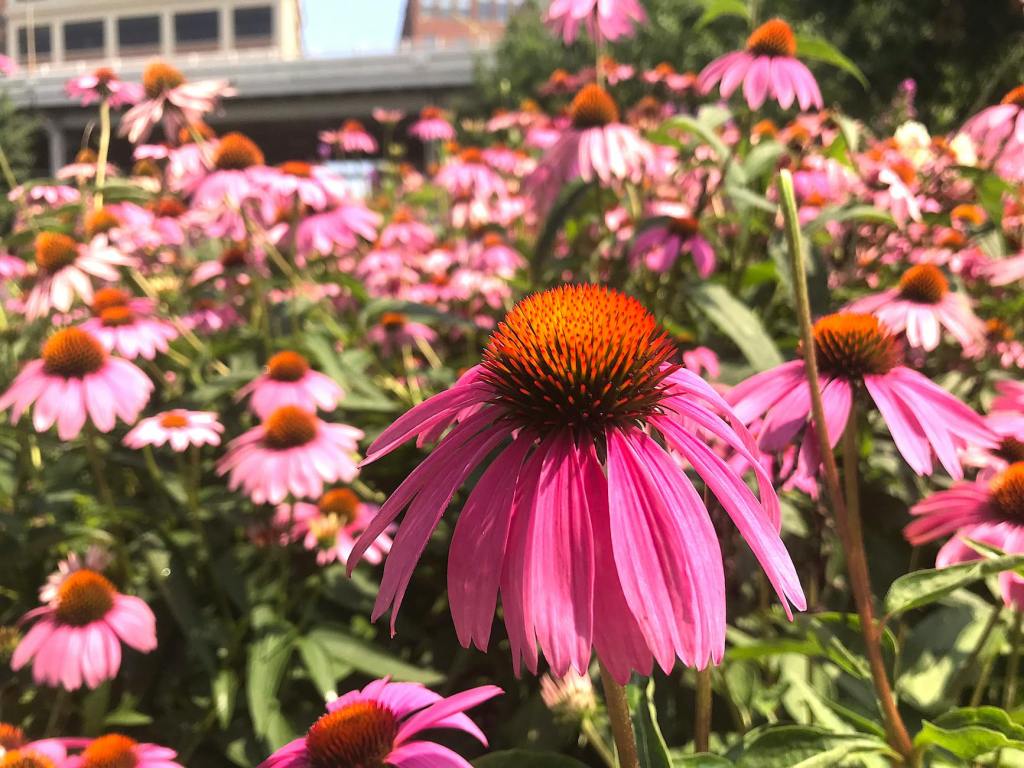
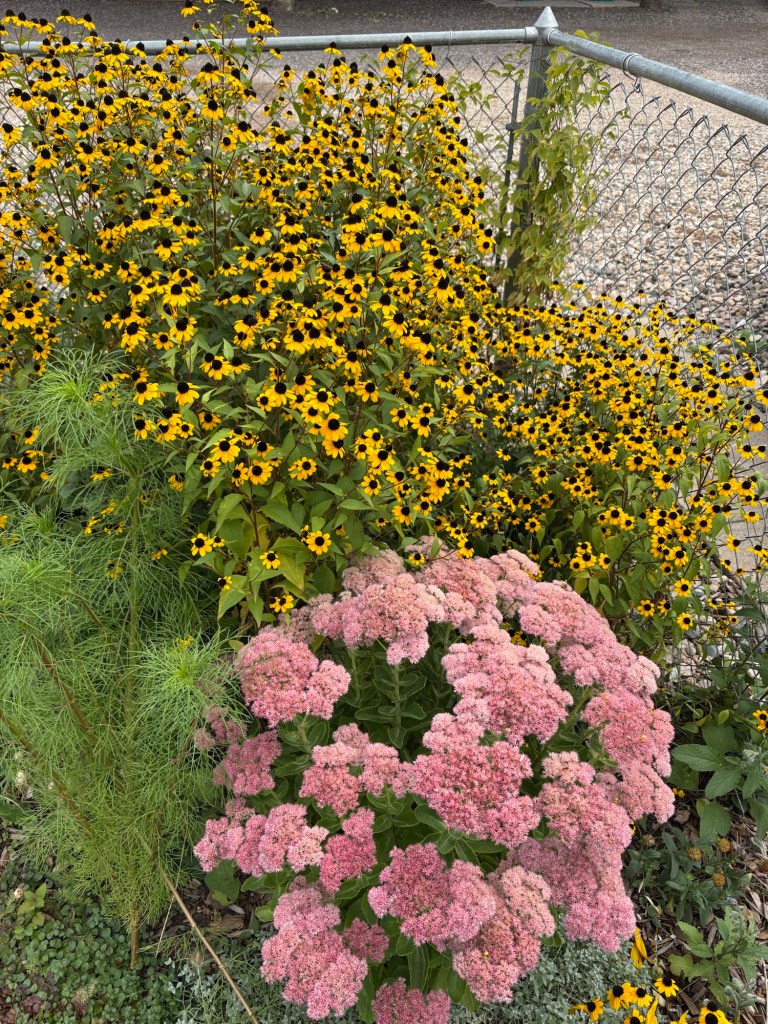
    Most websites on bee information recommend asters, echinacea (coneflower), and daisies. Black-eyed Susans and sunflowers are beautiful and also provide food and shelter for bees. We have planted prairie sunflower in our garden in the past few years as it is resilient and prolific. I have personally had good luck with sedum ‘Autumn Joy’ which does wonderfully in our local climate, as it is drought and cold tolerant, though not a native plant. The bees really seem to love it. The image above is a bumblebee sitting on blooming sedum I believe.
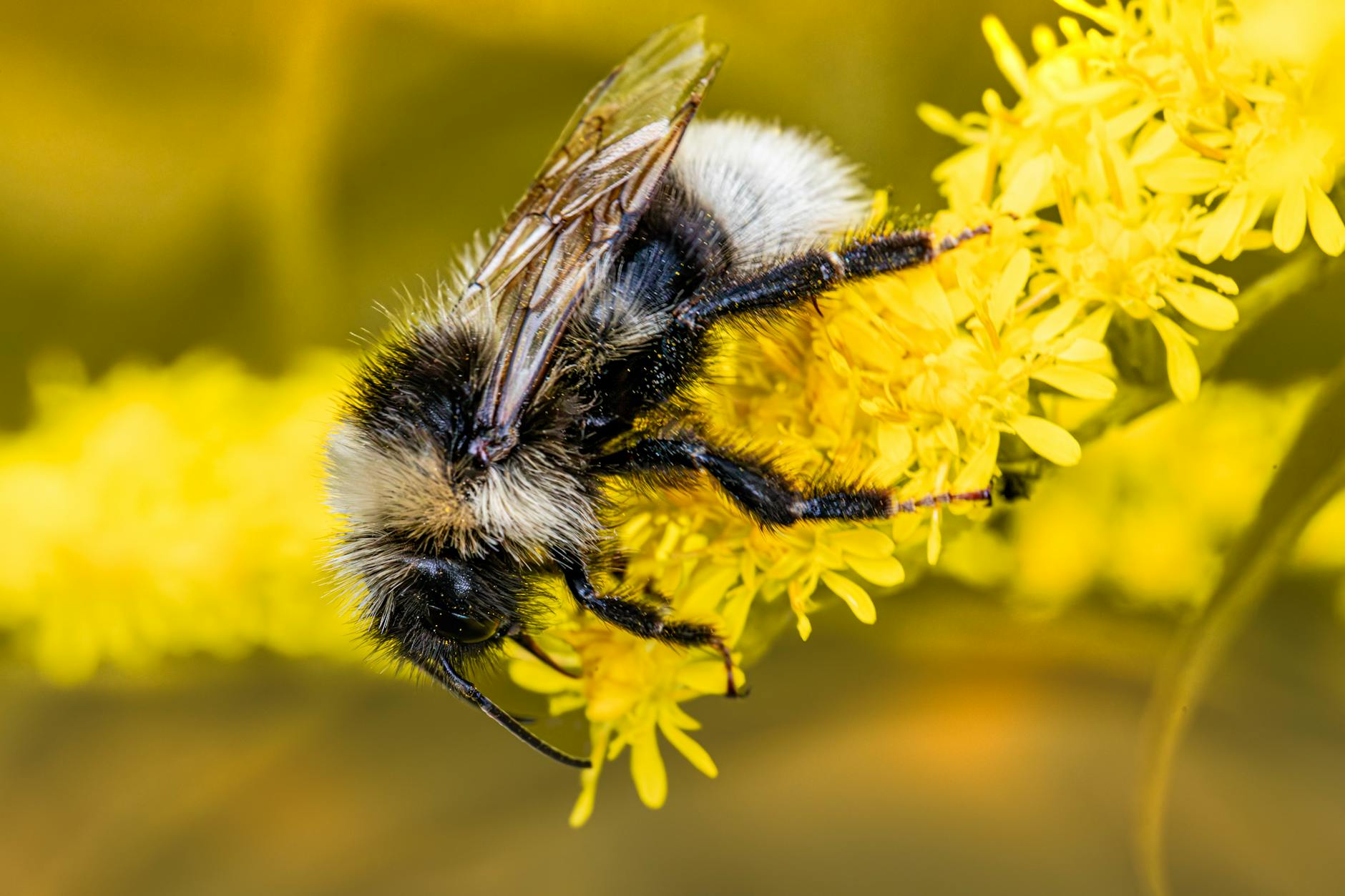
    Photo by Erik Karits on Pexels.com

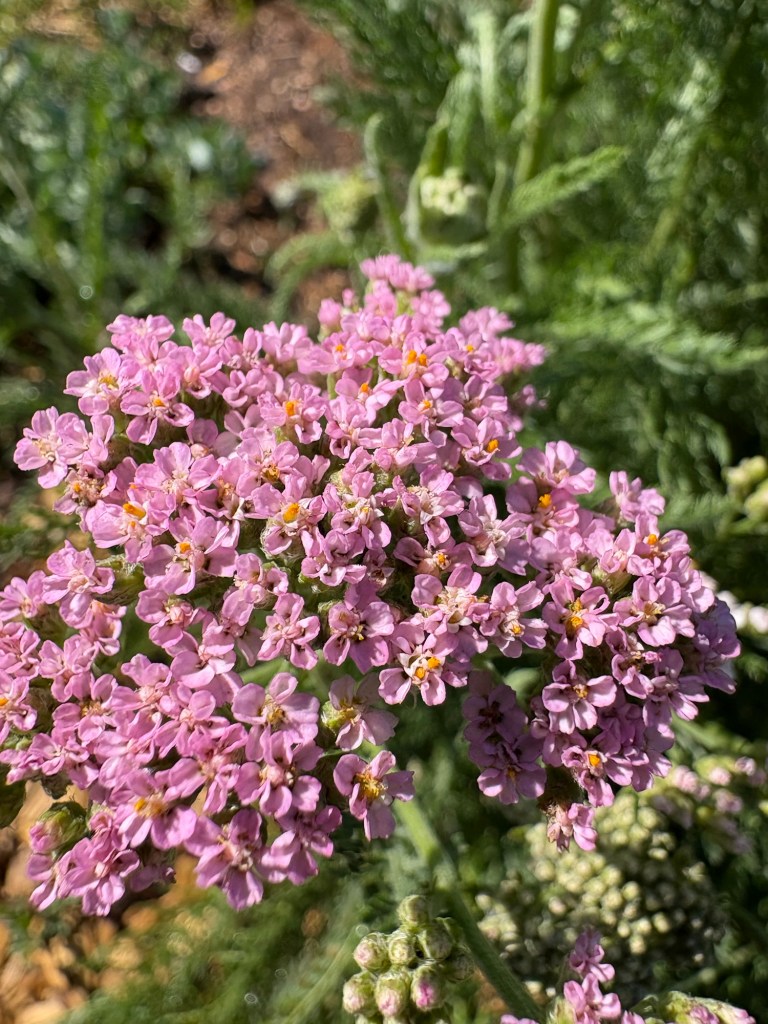
    I would also personally recommend Anise Hyssop. It smells like warm spices and attracts so many insects to your garden, you won’t know what to do with them all. Other websites also recommend bee balm, borage, goldenrod, clover, salvia, and yarrow. We have had great experiences with borage, salvia, and yarrow as they are all incredibly hardy and return year after year – the borage is an annual but it self-seeds so aggressively that even many community gardens do not allow it to be planted. For our purposes, this is great news, as we want our pollinator-friendly garden to spread throughout the neighborhood!
    Lastly, there are a few things you can create which may encourage these friends of the garden. Drilling holes in logs, providing bundles of reeds and sticks, even simple leaf and stick piles can come to serve the purpose of shelter for a native bee. There are many examples of bee structures you can DIY, plans for these projects litter the internet by the hundreds, and it would be a fun addition to your garden décor. I did not know until recently that bumblebees will use a bee-house (similar to a birdhouse) and that they are relatively simple to make. If you are not so handy to build your own, you can surely order some type of structure or have your crafty neighbor help you make one.

    It may seem ridiculous to drill holes in a log or collect a bundle of sticks together but you must remember how sterile and barren the world has become. The habitable corners of the world for a native bee may be few and far between when it comes to living among us. It may be several miles of paved over road and parking lots, sterilized yards of chemically-treated turf grass, or barren xeriscape rock before they come to a spot where they can set themselves up. Drilling a silly hole in a silly little log could make the difference between them finding absolutely nothing and finding at least a little silly log.

    Whenever you are creating a niche for something in your garden, just think about the main things they would need: water, food, and shelter. Then consider stopping anything which might deter your garden friends, such as chemical fertilizers or herbicides, pesticides, and fungicides. Soon enough your garden will be bursting with life and your garden friends will decide to come pay a visit, maybe even setting up a permanent home in your little corner of the world!

    Conclusion

    This post serves as a superficial primer on bees, a short look into these friends of ours and how to recognize them and bring them around. It is not the definitive source on bees and I would encourage anyone reading to look through a guide that is more thorough in its information. Below are links to several sites I visited while writing this post and which include a wealth of information on bees, their habitat, and encouraging their health. You can even order some bees over the internet if you are so inclined! Happy beekeeping!
    https://kindbeefarms.com/shop

  • Chaos Gardening

    Chaos Gardening

    C – Choose and collect your plants. This is a fairly straightforward step. It doesn’t have to be a specific type, it doesn’t have to be native plants (although that would be cool). The first consideration that you should make is what you like and therefore what you want popping up in your garden. Explore different colors and different heights, different textures. Try a mix of perennials that come back year after year and annuals that you start each season. Try to line up blooming windows to keep something always blooming in your garden throughout the year.

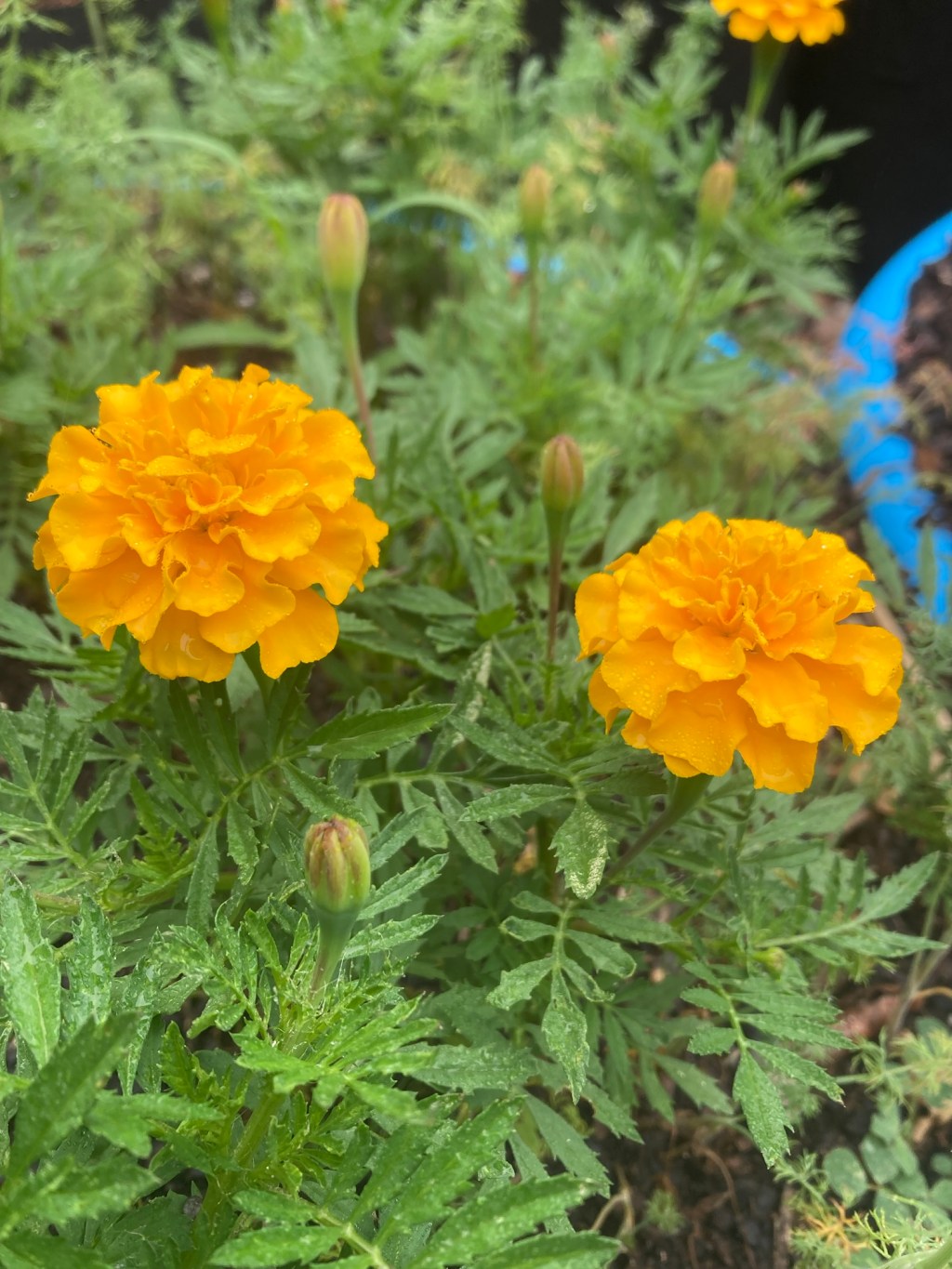
    I started out gardening with an affinity towards vegetables and that was basically it. It wasn’t until later I started to appreciate annuals like marigolds because of what they did for my vegetable garden. After that, I started to explore perennials. I enjoyed them because I didn’t have to start them every year. They became a big part of celebrating spring and watching the garden come back to life after hard winters. When the sedum would start creeping back out of the soil or the yarrow’s green leaves first pressed their way past the mulch, it fills you with joy that the winter is ending and the garden is returning.

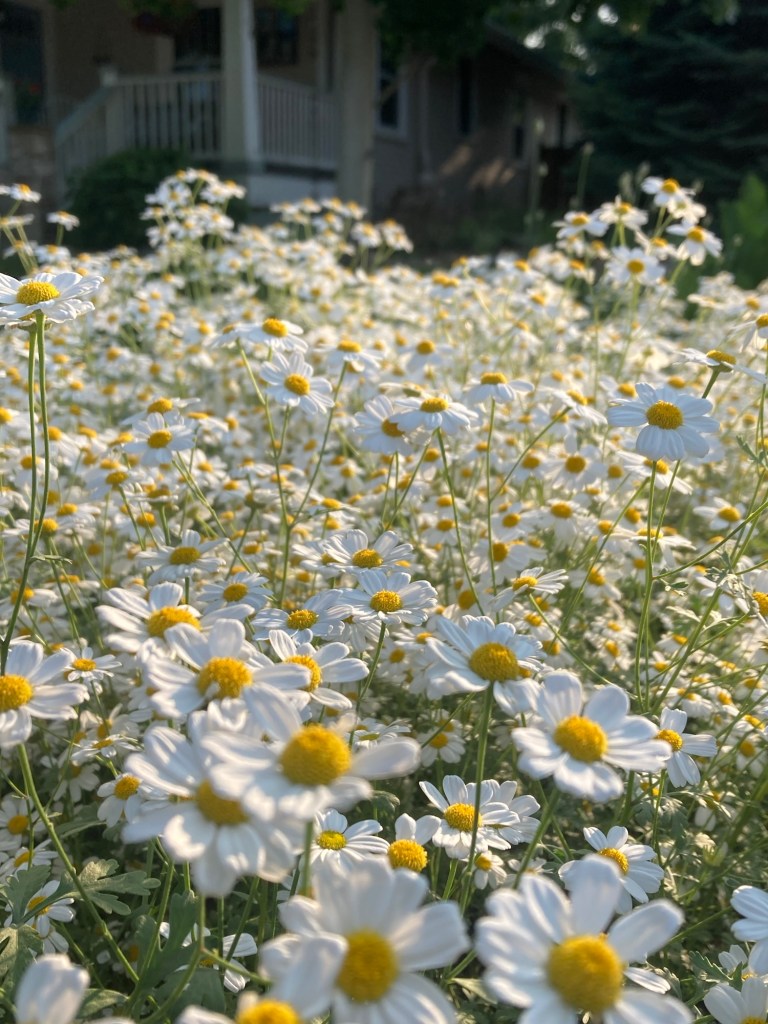
    Over the years, I have also collected the seed heads from any attractive flowers I find blooming in our neighborhood. We take walks down an alleyway nearby and it is filled with Feverfew and Flax. Pinching the seeds off, I spread them in my garden and wait for them to grow. The added benefit of collecting seeds from local plants is that you know they grow well in your area with minimum care.

    Feverfew, in the daisy family. We collected seeds this year and spread them in our garden.

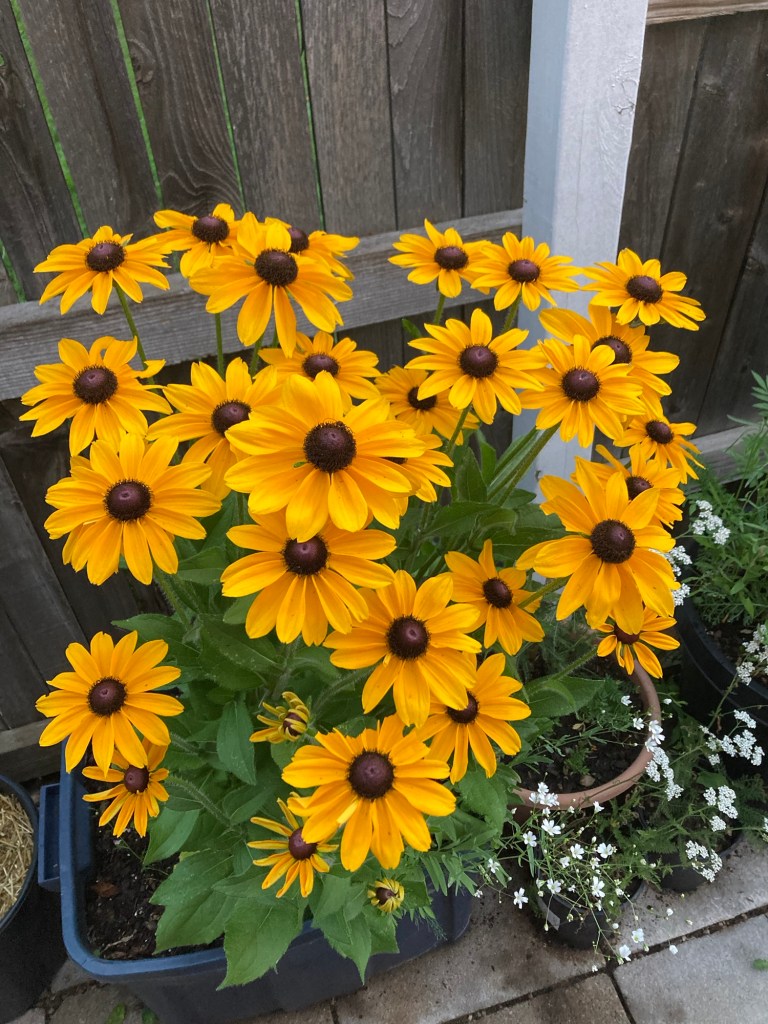
    We are currently growing Yarrow, Echinacea, Sedum, Mint, Anise Hyssop, Salvia, Bachelor’s Button, Knautia, Lamb’s Ear and Black Eyed Susans in our container garden. Our Chamomile, Prairie Sunflower, and Borage are such aggressive self-seeders that they are almost like perennials – I hardly ever have to plant any new ones. I enjoy annuals like Aster, Marigold, and Red Clover. The clover is nice because it grows prolifically but does not crowd the other plants, keeping low and sending up little red flowers here and there during the early summer. If grown densely enough, it can act as a living mulch or groundcover to help retain more moisture.

    H – Host plants. Once I began to appreciate flowering perennials, I took an interest in choosing native plants to our area in order to attract local pollinators and beneficial insects. Looking online, I could find native perennials as well as a list of insects that use these plants as hosts. This means they use the plants during a significant portion of their lifecycle, not only for food. I began to plant native grasses, as well as hardy groundcovers – some without flowers and some with flowers.

    Praying mantis. There is a native variety and an introduced variety.

    Once I took an interest in pollinators and beneficial insects, my gardening style changed dramatically. I was no longer interested in vegetables alone, isolated from everything else. I was no longer interested in straight lines and rows or arrangements. This is perhaps the moment ‘chaos gardening’ took hold in me. I began to buy wildflower seeds and spread them in every nook and crevice I could find. This year we are beginning a Goodwork project in cultivating milkweed plants.

    Milkweed is the host plant and main food source of the monarch butterfly. The prairie sunflower that grows so aggressively in our area attracts the beautiful yellow goldfinch that pecks at the little sunflower seeds in the early mornings. Our grasses attract dragonflies. The chamomile is a favorite of the hoverflies and the bumblebees. This post is not about insects, though they’d be elated if your garden went native!

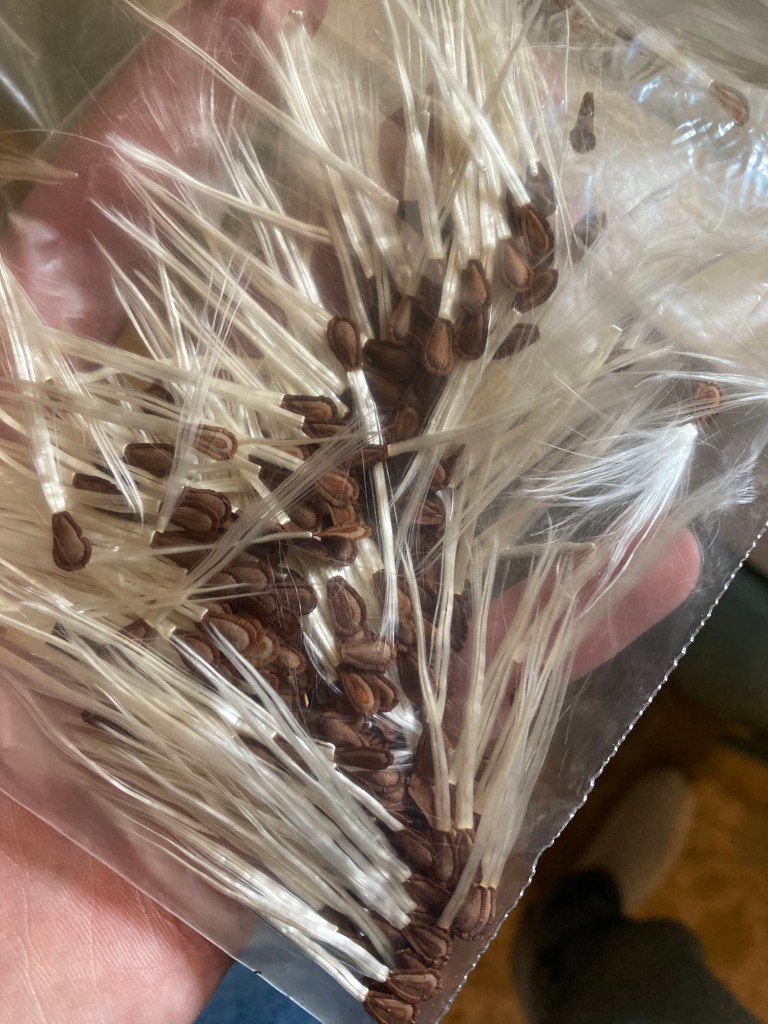
    Milkweed seeds collected in the fall. Milkweed requires a cold period before germination.

    A – Abandon lawns. This one may ruffle some feathers. I understand the utility of a manicured lawn and I understand there is no doing away with lawns completely. But if I can inspire someone to turn a portion of their labor-intensive yard into a chaos garden, host to half a dozen or more species of beneficial insects and wildlife, I would be glad.

    In talking to the adults of my life who must care for their lawn, either as required by an HOA or out of a sense of duty and order, I have found that lawns tend to be expensive nuisances. They tend to become patchy during periods of inconsistent care, they require regular mowing during the summer months which either costs time and effort or money in outsourcing this chore. Water isn’t cheap and a good portion of it is wasted on lawns due to evaporation or runoff. Products for fertilization or the killing of weeds can become costly – as well as killing the beneficial biology in both the soil and surrounding areas. Not to mention the various mechanical equipment requirements needed – lawnmower, aerator, de-thatcher etc.

    Why not save your back and your budget by switching all or a portion of your lawn to low-maintenance, low-tech chaos gardening methods? Maybe keep the front lawn for appearances and turn the back into a tapestry of colors and textures bursting with all sorts of characters. Spare your back, save some cash, replace your grass.

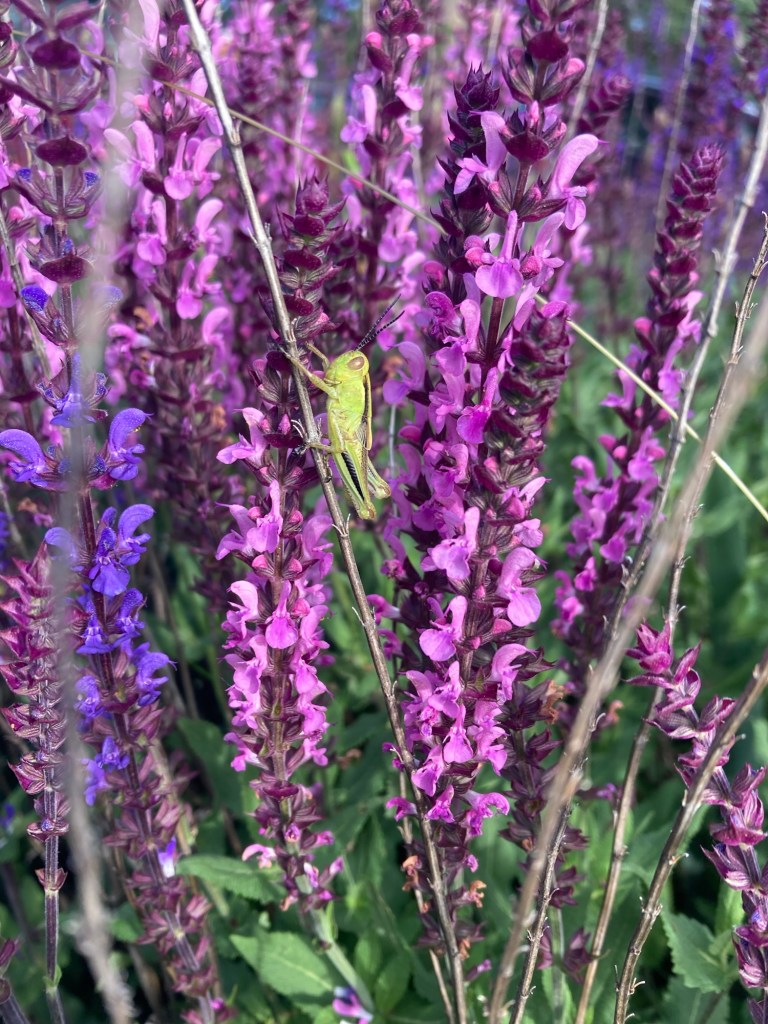
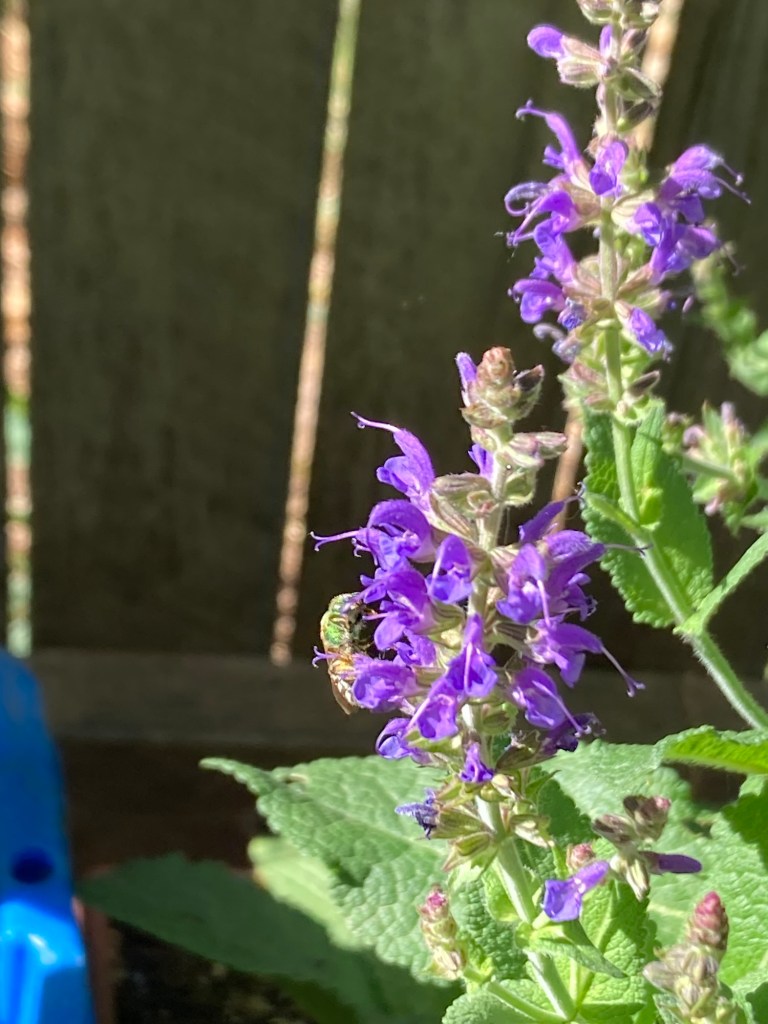
    Purple blooms and a little green alien visitor,

    O – Organized disorder. That is the name of the game. The more straight lines and clean areas, the less life a garden is going to support. Gardening is dirty, it can be downright disorganized and ugly at times. That does not mean it is an unhealthy garden. The chaos garden doesn’t have different areas for different types of plants. Old, decaying material is not cleaned up right away. That’s okay, more space for bugs to overwinter and food for worms as it breaks down. It is all part of the plan – maybe not your plan as the gardener, but the garden’s plan as a unified and healthy entity.

    Your chaotic garden should also suit your needs and interests, too –after all, you are the gardener and you should enjoy gardening. One should account for seating areas, paths for easy access to every part of your garden, and the occasional marker in order to remember what is growing where. I love it when I can walk people through my garden and rattle off the names of all the plants I have going. Not sure if they care but I like it! And when you have a chaotic garden, it sometimes helps to have a little signage here and there to identify the main players.

    S – Sprawl and Serendipity. Happy surprises. It brings such joy to see things start to thrive in your garden. You can feel a sense of pride that you have created such a fertile corner of the world, that things grow naturally and without much assistance. A sense of creativity pervades this practice – you almost feel like you were the one to create this world, or at least that you had a hand in it, and this makes you feel close to divine.

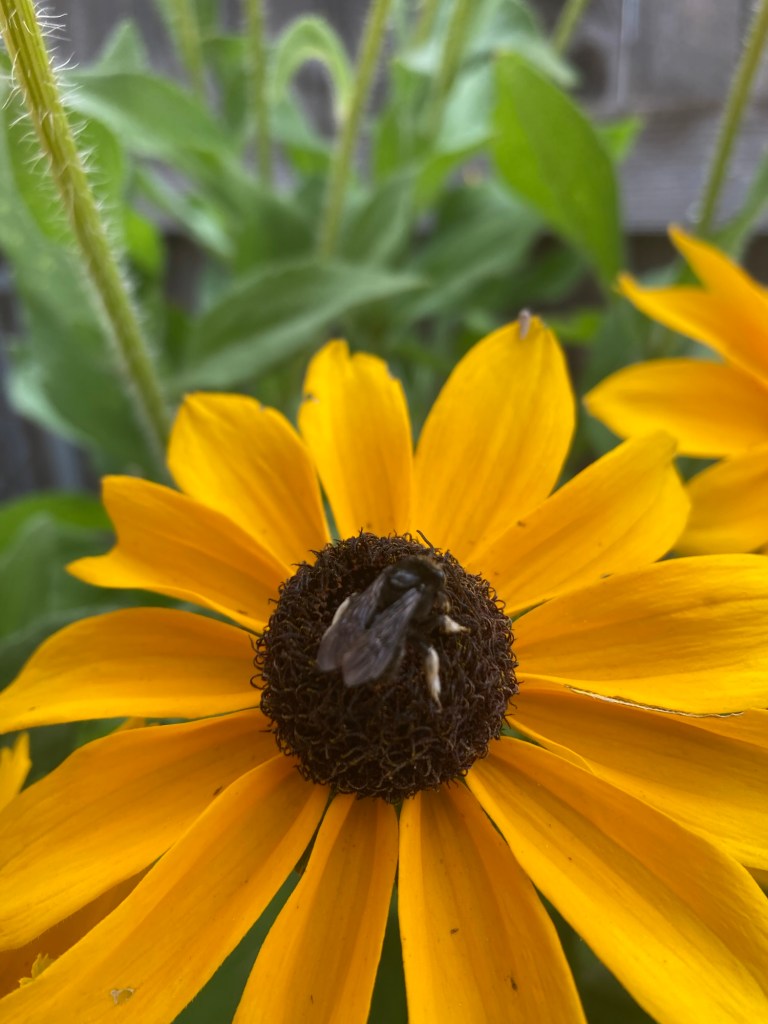
    Black eyed susans. They attracted a whole bunch of different insects!

    This sense of mastery and creation is also overshadowed, from time to time, by the many little surprises that take place in the garden which you know you had no hand in. It may be a ‘volunteer’ sprout that comes up unexpectedly in the corner. We get volunteer radishes occasionally, due to some neglect in previous years that allowed several radishes to set seeds. Or maybe it’s a bundle of insect eggs you find beneath a leaf. An earthworm, a ladybug, a praying mantis. We found a handful of baby toads in our garden one year, using our thai red chili plants as protective cover from the hungry birds. It always made our day to see them hopping from plant to plant as we watered.

    As your chaos garden begins to thrive, you may notice yourself collecting the seed heads and spreading seed haphazardly. You may take an unprecedented amount of cuttings that all begin to explode with life. Don’t worry, there is always room in the garden for more plants. The garden has a special way of expanding each year. Let its sprawl slowly take over your life.

    A bee on our Black eyed susans.

    John Muir noted that if you pulled something in Nature, you would see that it was attached to everything else. These happy surprises in the garden remind us that we are part of nature, too, and witnessing that fact each day can do wonders for your mood and outlook. Wander the garden with your hands clasped behind your back and your eyes calmly fixed on each plant as you pass by. Smile quietly and take it all in as you meander through. When you slow down, when you pay attention, you get to be part of some truly remarkable events. Events so small and so quick, it is almost as if they hadn’t happened. Yes that is a line from Watchmen, that doesn’t make it any less poignant.

    Anyway, here are some photos for your scrolling pleasure.