Tag: nature

  • The Problem with the Present

    The Problem with the Present

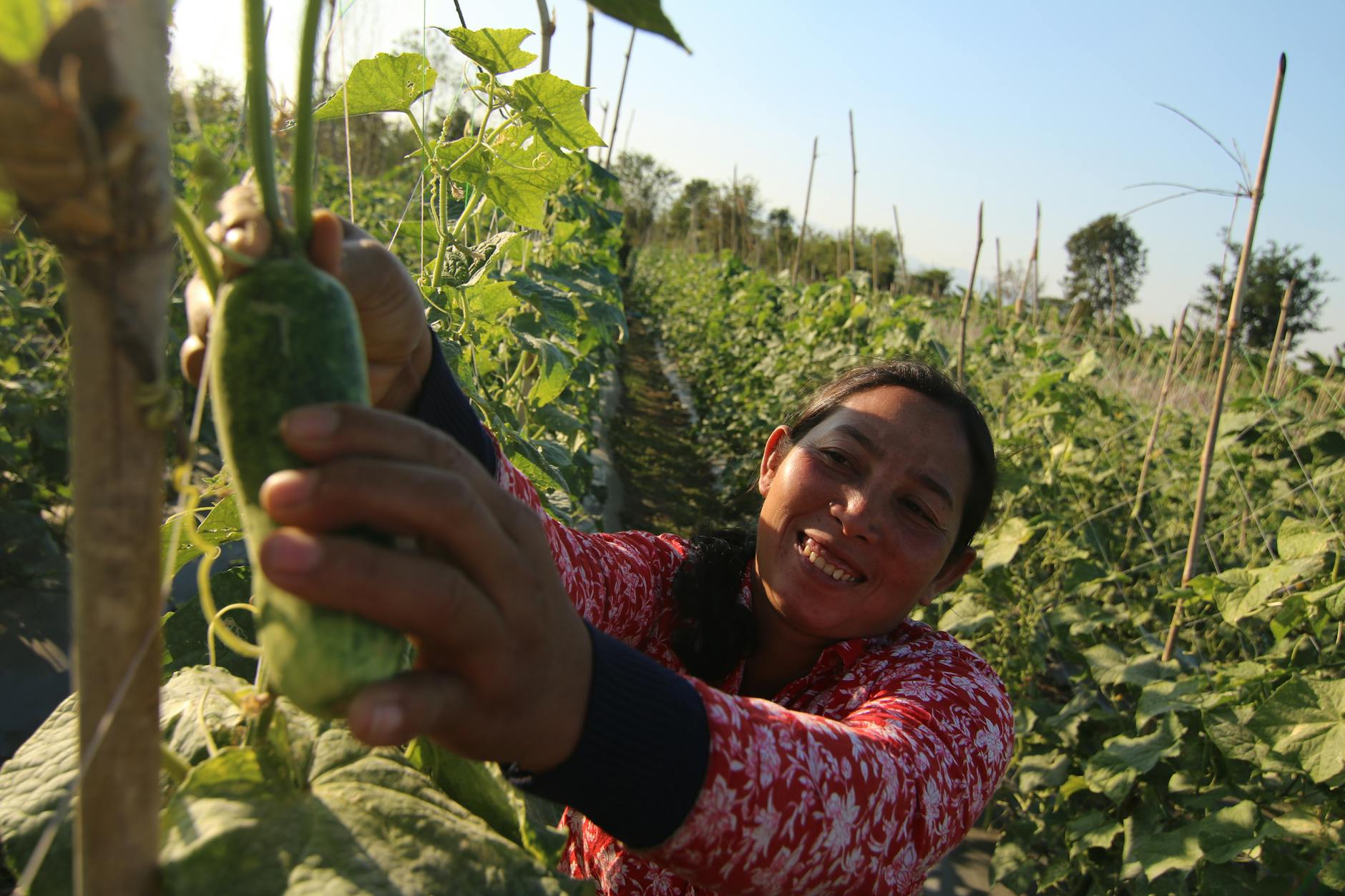
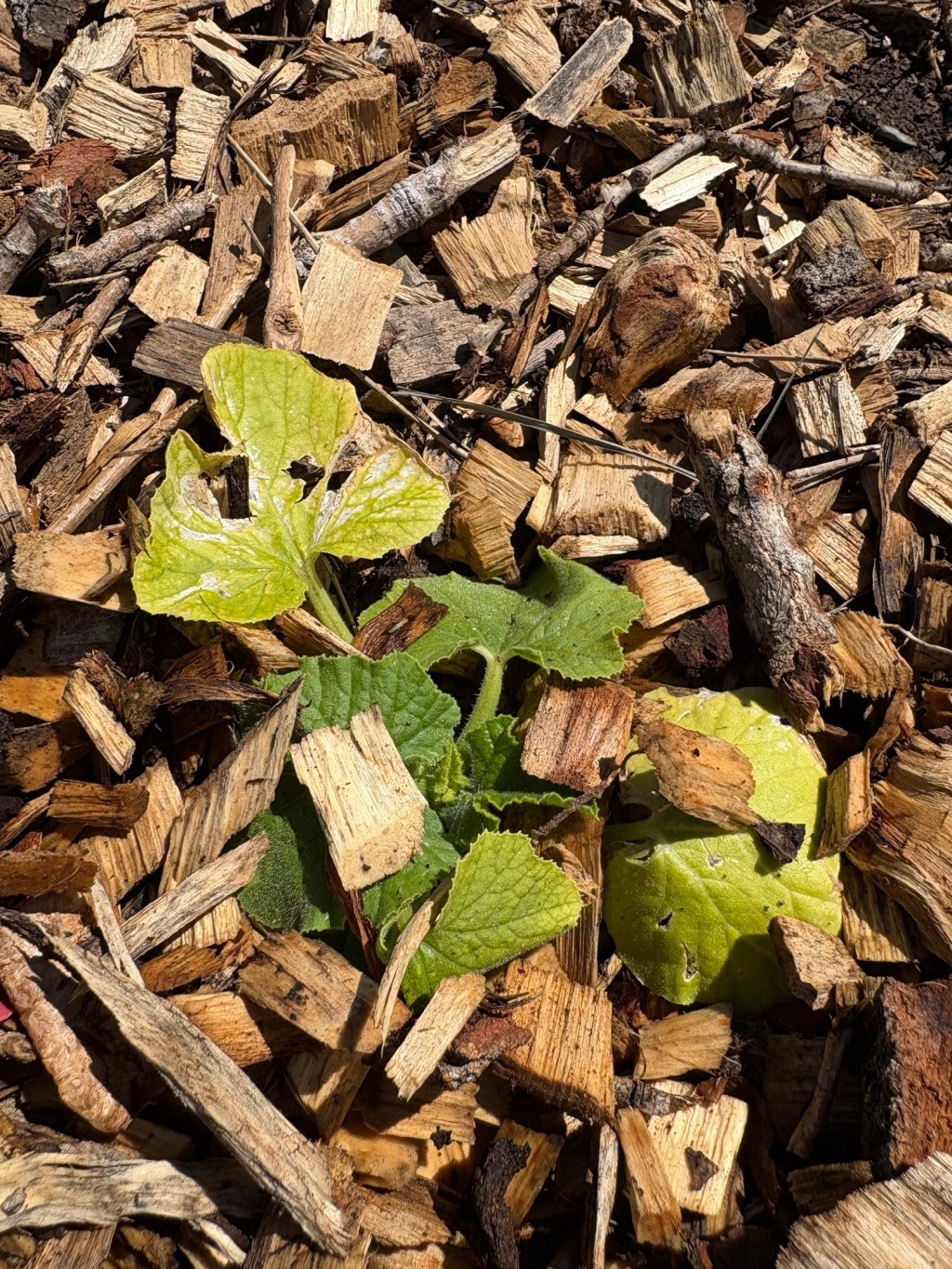
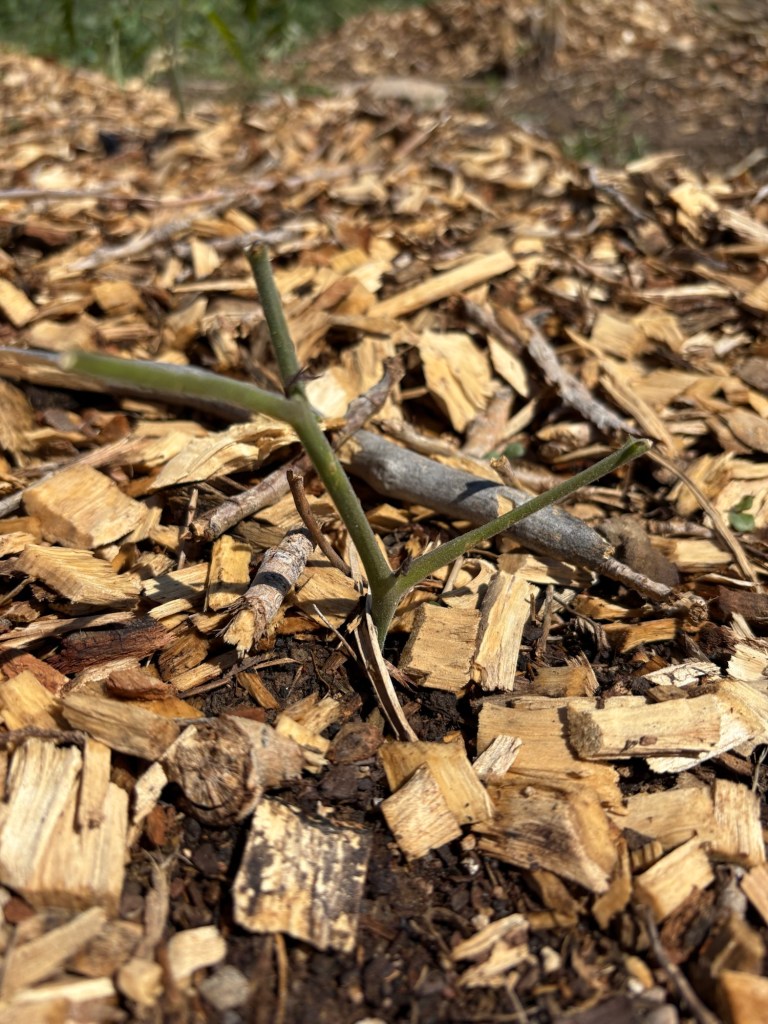
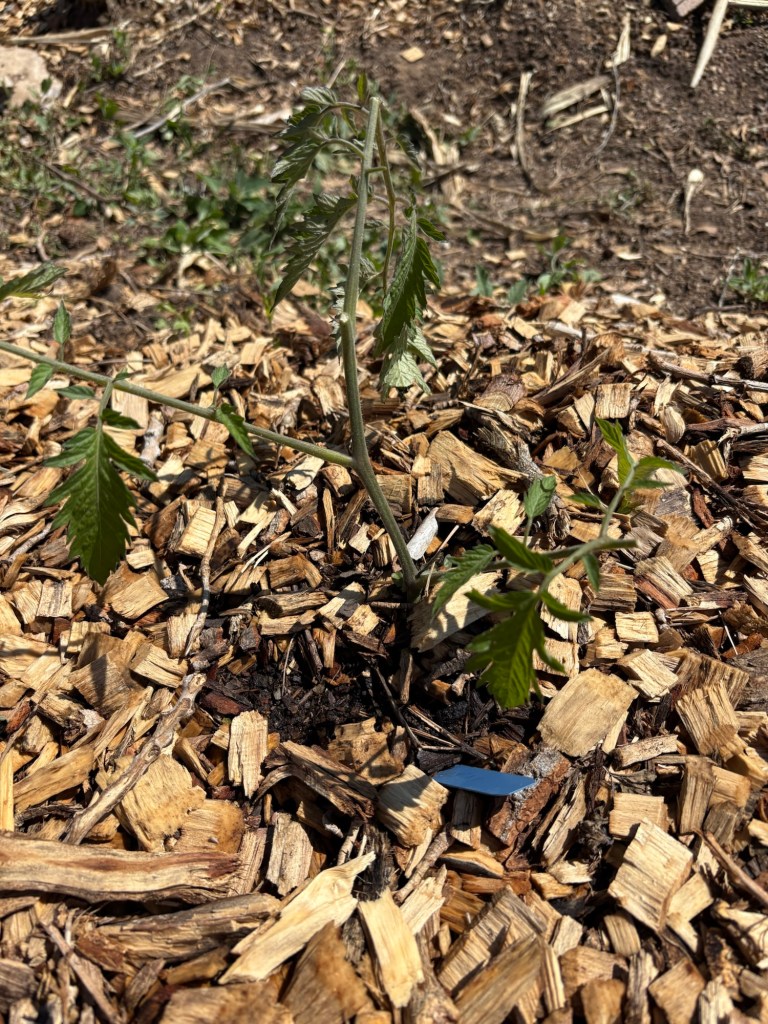
    It is that time of the year in the garden. The plant starts have all been transplanted, the seeds sprouted and everything looks… terrible. The garden is currently suffering in its early days. After transplanting, our tomatoes, cucumbers, and squash were all distressed and doing their best to recover. They are wilted most days in the sun, turning yellow as they reach their roots out for more nutrients, and the bugs just love to gorge themselves on the weak little leaves! Some animal came by and helped themselves to the tops of some of our tomato plants, so those are gone. As an added kicker, there is a bumper crop of weeds due to a lovely spring rainfall we have been having.

    The present is all there is. Yes, and that is sometimes the problem. How many different voices are out there, trying to remind us to live in the present or experience the moment?

    Buddha said “Don’t dwell on the past, don’t dream of the future, concentrate the mind on the present moment.” Albert Einstein said, “A happy man is too satisfied with the present to dwell too much on the future.” Thich Nhat Hanh said, “Only the present moment is real.” I love all these thoughts. The people who have expressed them were much more intelligent than I am. But whenever I heard this advice, or different versions of it, I always felt some discomfort in it. As if there were something more that this was missing, a little thorn in my mind that demanded to add its two cents to the popular sayings of mindfulness. I guess it would be something like: “The present is all there is… and sometimes that sucks!”

    I really want to labor the point that I love the practices of mindfulness and that I think living in the present moment is a habit we could all cultivate to improve our mental health and clarity. It is important to remind yourself that the past is past, that the future is not here and not within our control. Those are useful thoughts.

    Consider this hypothetical – your friend comes to you in despair and says they are going through one of the hardest times of their life. Everything they do seems to go nowhere, everywhere they turn feels like a dead end. Their daily life feels futile and unfulfilling and they have begun to feel quite lonely as a result. They turn to you for a word of wisdom. You say, “Don’t worry, this is it. This is all there is. Live in the moment!”

    In this particular moment, this thought is not useful. For someone going through the difficulties and pains of existence, it is precisely that the present moment is all there is that their suffering feels protracted and insurmountable.

    I am being somewhat dramatic to make a point. And I am definitely not comparing the difficulties of life with a few wilted tomato starts. These observations point in the same direction. The present is one piece of what we experience, whether we like it or not.

    Reality can be devastatingly unsatisfying at times. The urge for alternative pathways in life, the myths we tell ourselves about do-overs, the thought that it could all be different if we just change this or that element – these things are not going anywhere anytime soon. They are part and parcel to the regular woes of living, and we should probably learn to navigate them if we are to attain a peace that we can actually enjoy in the present. If an individual feels the present to be unsatisfying and painful, do we console them by saying that’s just how it is or do we tell them “The good news”: the fact that we can work toward a future that is more promising, more satisfying!
    Sure, there are pitfalls and mistakes to be made along the way. You may end up living entirely in the future and feel anxiety in that regard. You may accidentally cultivate an unpleasant attachment to the past. If you are not careful, you may arrive at your destination only to realize that your desires are self-perpetuating and will leave you unfulfilled no matter how much you achieve. These are all things we must consider as we make plans and work toward our ideals.

    Properly handling Past and Future is difficult work. It is dangerous. It is the sign of a mature person when they can walk through their memories without setting up camp. Or in building a plan for the future that can change how they act today in their habits and relationships. It takes courage, discipline, and not a small dose of humility.

    Driving comes with a lot of dangers and risks as well but we take the time to teach people how to do their best to get where they are going while paying attention to all the hazards of the road. It still doesn’t help some people – they’re insane and they’re all on i25.

    The past.

    When living in the present moment, it is quite common to stumble across a random memory you did not know was still floating around. At times, they are quite painful. Other times, they are more enjoyable than our present moment and we feel a sickness called nostalgia.

    Often, I will be working away when I am flooded by a sensation of memories that dislodge my very Being. I am inundated with details, old feelings, names and faces, all the old situations I thought I was done with. And I ask myself, “What do I do with all this information? What do I do with all these memories?” Memories aren’t grass stains, they don’t just wash out. Push them down, keep them locked up, they keep on appearing.

    I was in my garden the other day when one possible solution came to mind. Memory as a salve, memory as a tool.

    As we know, my garden is particularly disorganized and sickly looking right now. Looking out at this devastating sight, I remembered what the garden always looks like during this time of year. Hopeless, wilted, defeated. And then something happens in late June, early July. You kept watering, you kept weeding and all of a sudden everything bursts forward.

    In the present moment, when things look horrible and you think defeat is the only outcome, it may help you to search your past for other moments when things seemed bleakest.

    We also want to steer clear of romanticizing the past. Don’t look back and say, “it was better then.” Look back and ask, “what did that moment have that I can recreate now for the benefit of all?”

    Sometimes, memory may just be about cultivating simple pleasures. When I was 17, I loved the lilacs blossoming in spring. I always felt the urge to cut them and put them in a vase inside. I wanted to possess them and keep them. But I thought to myself how much deeper my experience of them would be if I simply committed them to memory. “I’m taking them with me right now,” I thought. The cut flowers would have faded inside a week but those lilacs will bloom forever in the light of my memory.

    The present.

    It can sometimes feel that people are overly mystical about the present. But there are, in my mind, just as many shortcomings to be had living in the present as in the past or future.

    Our estimates of the present can be just as inaccurate as predictions of the future. You would think we would be able to size up the present situation fairly well, since we are rational creatures and we have the advantage of living in the present moment – we are in it, rather than judging it piece by piece from a different era.

    In reality, we have a hard time analyzing our situation without involving our preconceived notions and biases. We can just as easily come to an incorrect conclusion about the present as we can in trying to make a prediction of the future.

    You may train yourself to live in the present moment but you still fall victim to making incorrect estimates of the opinions of others. You focus on things you cannot control in the moment, you focus on things that are none of your business in the moment, you use this information to make decisions in the moment that decide your habits and then your fate.

    With the present feeling somewhat unfulfilling occasionally, it is natural to look around to compare our situation to someone else’s. This would be a grave error. Not only does it lend itself to envy, it may cause much confusion and anxiety in regard to whether or not we are on the right path. When we compare our present to another’s, we might be comparing our day 1 to someone else’s 10 years of experience. We may become overwhelmed because we don’t “have it all” right now, when we could very well work towards getting what we want over the course of an entire life. You may be able to get everything you want, it just may not be all at once.

    The future.

    When we consider our memories and our perception of the present, what are we left with? The present is a little unsatisfying, memories are a little painful. Life is a bit unsatisfying and painful. So… now what? The mind turns toward the future.

    Looking to the future has gotten a bit of a bad reputation. It is commonly associated with anxiety, fear, and visions of apocalypse. But just like anything else, it can be useful when taken up by the right handle.

    There are going to be some things we know about the future. We know there are going to be hard times, though that probably isn’t very exciting to think about. Then again, knowing is somewhat comforting. There are going to be uncertainties and questions. There is going to be work.

    You will do everything you can, because that is all there is you can do. You will be you when you arrive but you may be something else afterwards.

    There are going to be different seasons of life, though you may not know what order they’re coming in. In nature, fall follows summer. In our lives, we do not know what follows.

    Marcus Aurelius said that we should not worry about the future because we will show up with the same weapons that currently arm us against the present. If you know you can endure pain now, then you know you can endure pain in the future with the same tools at your disposal.

    When you come across someone who has absolutely no plan for the future, it shows in the quality of their life. They don’t think about the consequences of their actions or the long-term effects of their present decisions. They say things like “we only live once” and “why not, there may not be a tomorrow!” but then tomorrow comes… and it keeps on coming along, one tomorrow after another. These people give themselves much more pain when they sacrifice the future for present gain or temporary pleasures.

    The world is full of people making decisions with little or no thought to future consequence. Agricultural practices that are focused on present production sacrifice a part of their future sustainability. They have cut themselves off from part of their potential because they were mystified by what they could do in the present moment, what they could get right now. Delayed gratification is a sign of maturity.

    “To plant a garden is to believe in the future.” Audrey Hepburn

    Some months ago, I was working with one of the worst coworkers I have ever experienced. He was rude, vulgar, had no sense of boundaries, did not have any work ethic, was constantly spewing his negative thoughts and opinions, and would never stop talking. The work was just as repetitive as he was. I was working nights during the winter and did not get a chance to see my fiancée very much, as we had opposite schedules. It was a difficult time.

    I remember on a particularly challenging night, I was close to losing my mind. I wanted to walk out of that place just to be rid of that discomfort. But I tried to breathe and I consoled myself by repeating the phrase, “You’re going to keep going. You’re going to get out of here.” It was at that moment I realized one could just as easily console themselves with the future as fret over it.

    If we never considered the future, we would never start anything worthwhile. We would look out at a dusty field and say, “I guess that’s it.” If we did not picture the harvest in our mind, we would not sow. Sure, it hurts to think about the things we do not have, sure it is painful and self-sacrificing to begin the long work we need to do in order to achieve our aims, but the mature person knows the future has more potential than the present as long as they keep showing up.

    Sustainable practices are about looking at what we do now and deciding how long we can keep it up for. Sacrificing the future for present gain is how we get exactly where we are now. Sacrificing a part of the present for the sake of the future is sustainable, is delayed gratification, is the tradition of great civilizations and communities.

    Conclusions

    Is this post still about gardening? The garden is a metaphor, it’s about life! I pull the carrots, and they teach me about economics. I plant tomatoes and I am learning the oldest lessons in psychology. It’s all there in the garden because it’s all connected. I am a metaphor farmer.

    So, what do we do with more than our fair share of past, present, and future? The key is to focus on what you can control. You can look into the future and make a practical savings plan because you can control how much you start to save now, today, this moment. You can plan projects, events, and achievements because these things involve you and the things you can do now, they involve your habits.

    You cannot control the past, but you can control what you tell yourself about it. Was it an embarrassing disaster or a learning experience? I would say we look at our memory as a bank of wealth that we have at our disposal. What has worked and what has not worked? For you and even for other people you know about, there is no limit to this wealth. We use this memory to help us accept the present. Not better than it is, not worse than it is. We must live here, so we must get used to it.

    Then, holding our memory in one hand and our present in the other, we can build a plan. Something we can work on, something we want to work on, as this is the kind of work that is day-in and day-out. The work of life does not stop. Jung said, “Adaptation does not happen once and for all.”

    Now your plans are dashed against fortune. It is harder than you thought. It takes longer than you thought. Yes, that is another thing we know for sure about the future, there will be many attempts. Then you take up the torch again and make another plan. Sow more seeds, plant more starts, keep watering.

    The present moment can sometimes be awful, that is true. It is for this reason that we must appreciate when it is not so awful. When it is pleasant going and we feel ourselves on our own paths and we have people in our lives that we want to share these things with, we must not make the mistake of not paying attention. After all, the present is all there is!

  • Chaos Gardening

    Chaos Gardening

    C – Choose and collect your plants. This is a fairly straightforward step. It doesn’t have to be a specific type, it doesn’t have to be native plants (although that would be cool). The first consideration that you should make is what you like and therefore what you want popping up in your garden. Explore different colors and different heights, different textures. Try a mix of perennials that come back year after year and annuals that you start each season. Try to line up blooming windows to keep something always blooming in your garden throughout the year.

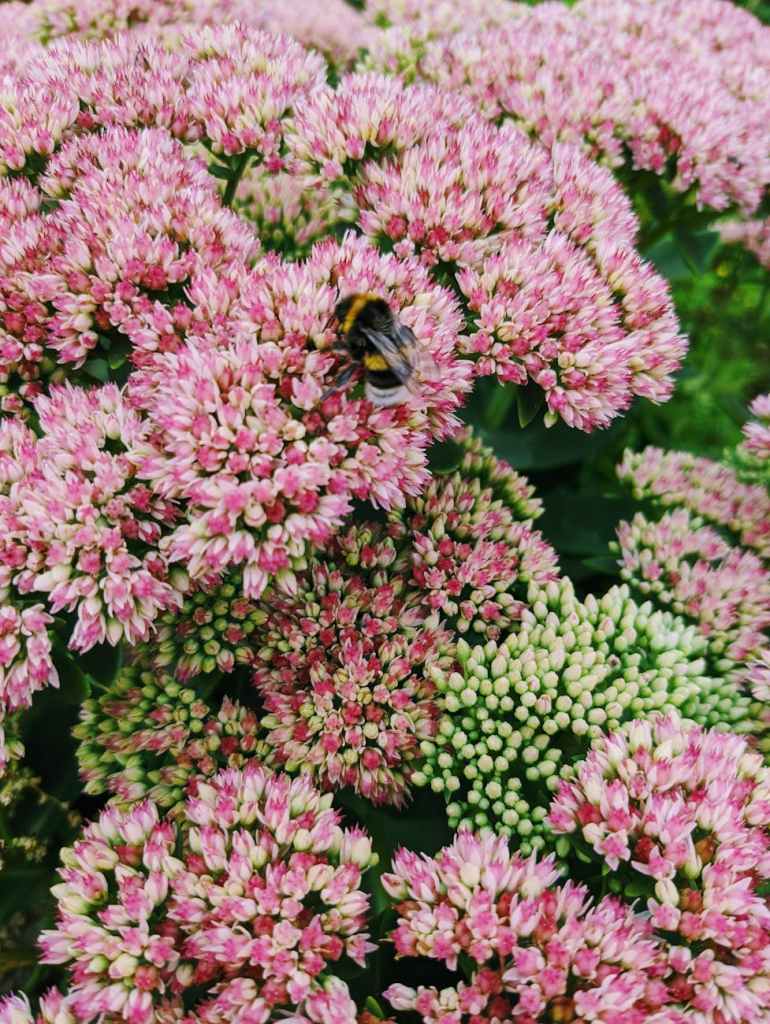
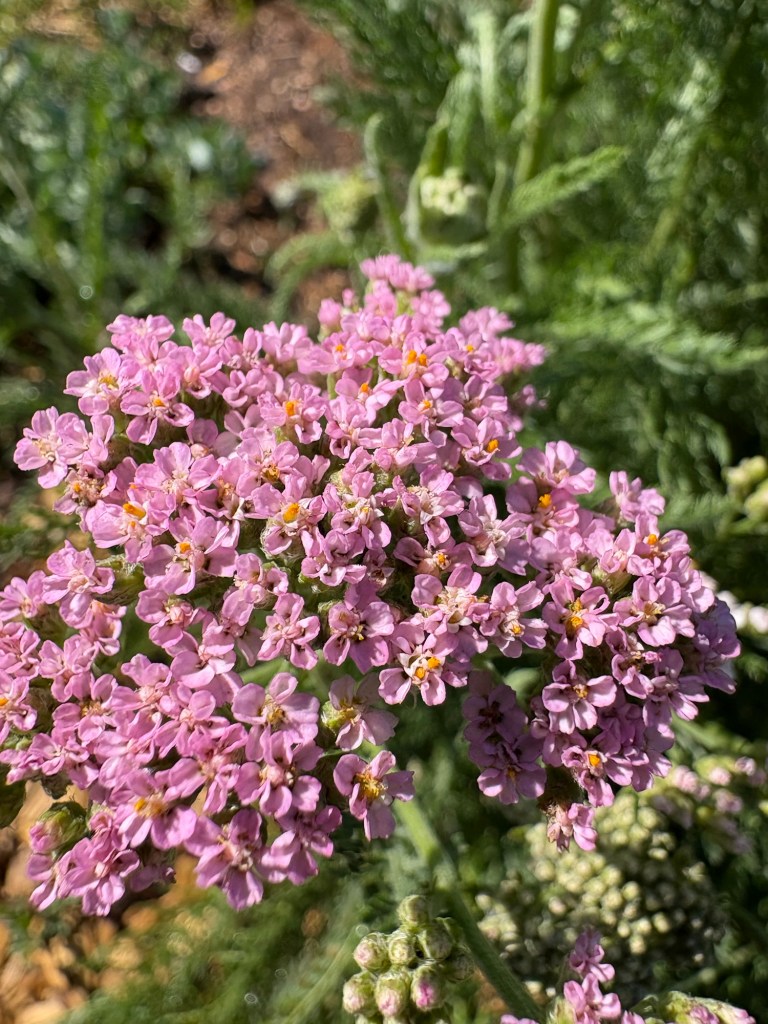
    I started out gardening with an affinity towards vegetables and that was basically it. It wasn’t until later I started to appreciate annuals like marigolds because of what they did for my vegetable garden. After that, I started to explore perennials. I enjoyed them because I didn’t have to start them every year. They became a big part of celebrating spring and watching the garden come back to life after hard winters. When the sedum would start creeping back out of the soil or the yarrow’s green leaves first pressed their way past the mulch, it fills you with joy that the winter is ending and the garden is returning.

    Over the years, I have also collected the seed heads from any attractive flowers I find blooming in our neighborhood. We take walks down an alleyway nearby and it is filled with Feverfew and Flax. Pinching the seeds off, I spread them in my garden and wait for them to grow. The added benefit of collecting seeds from local plants is that you know they grow well in your area with minimum care.

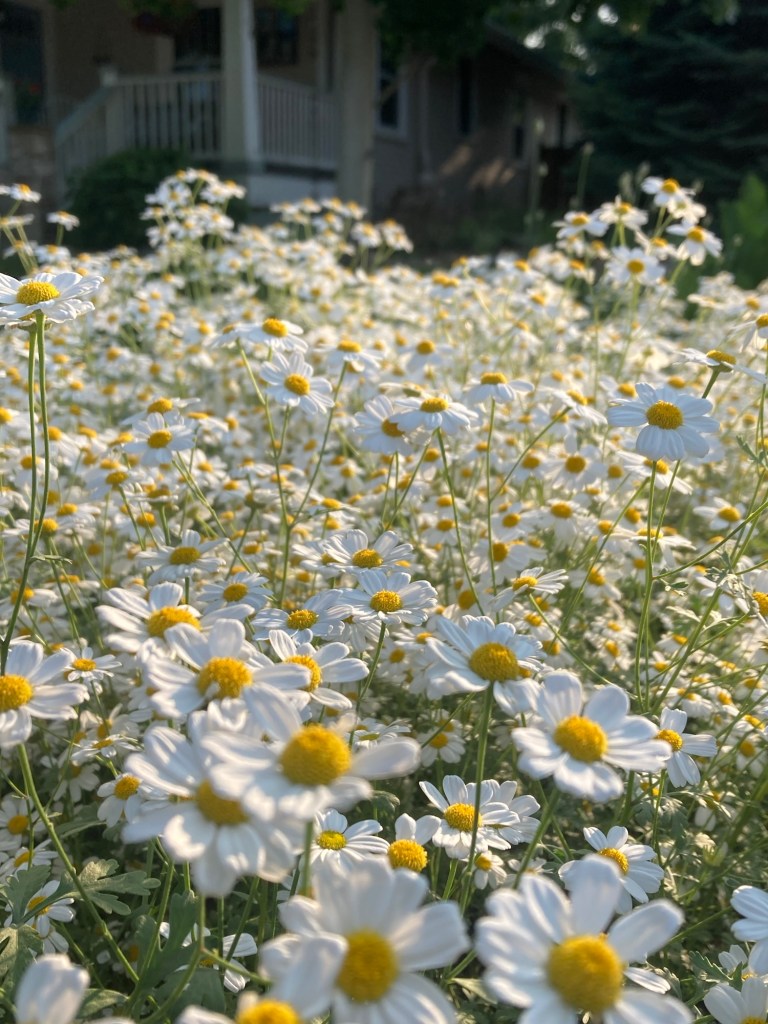
    Feverfew, in the daisy family. We collected seeds this year and spread them in our garden.

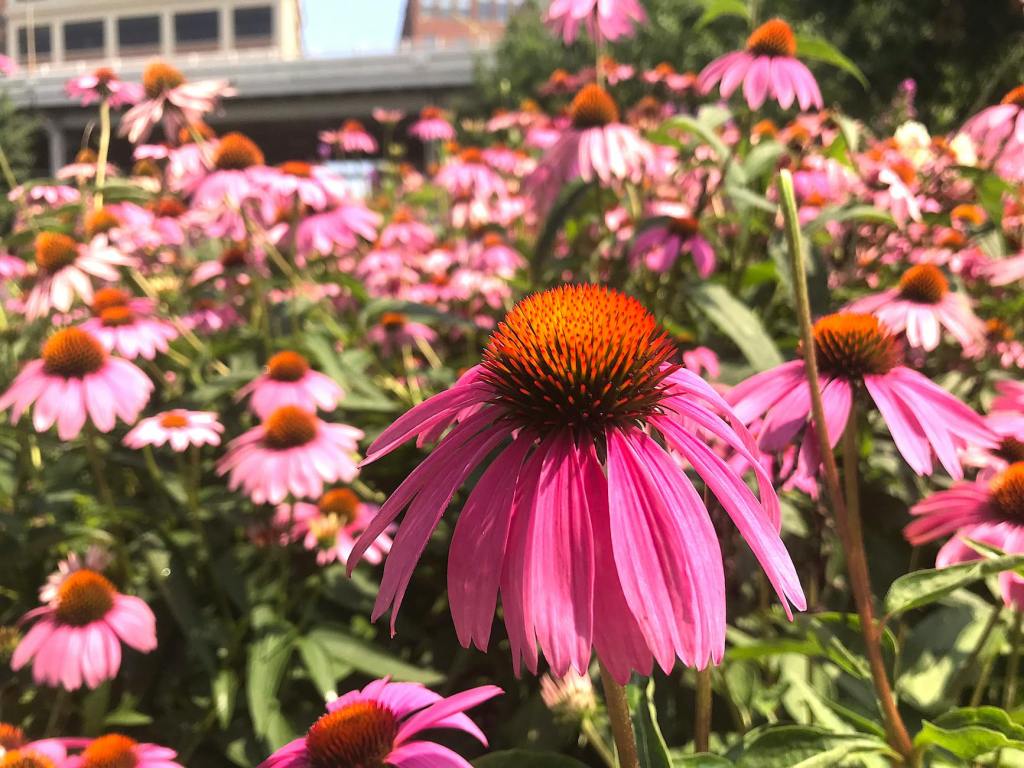
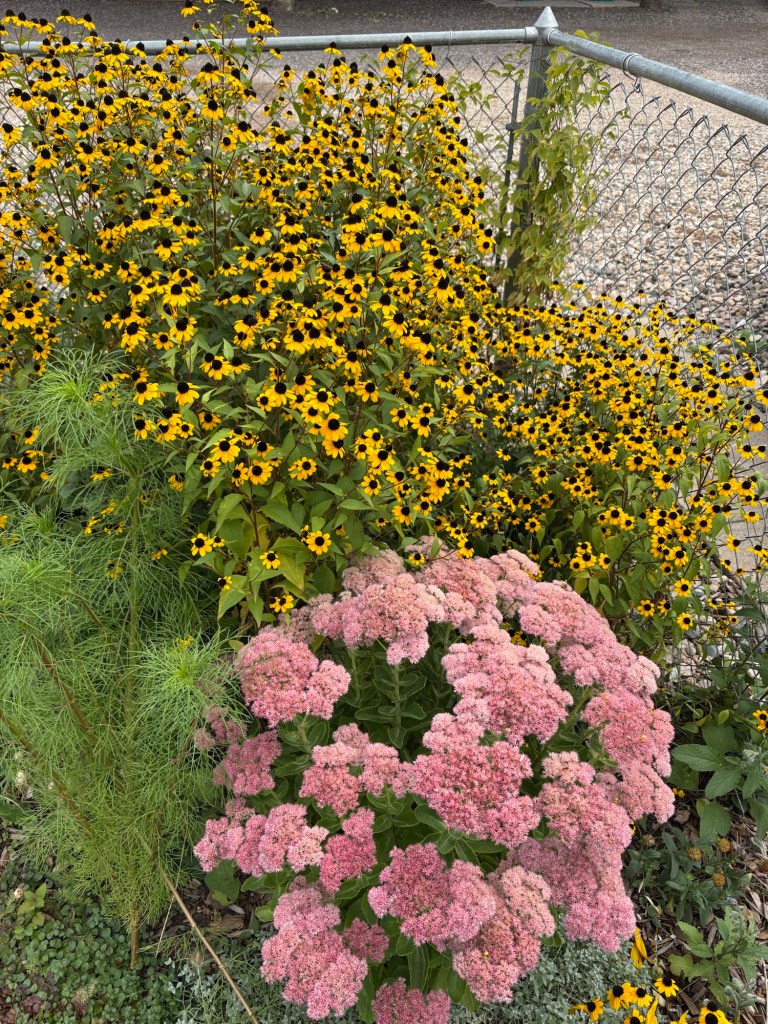
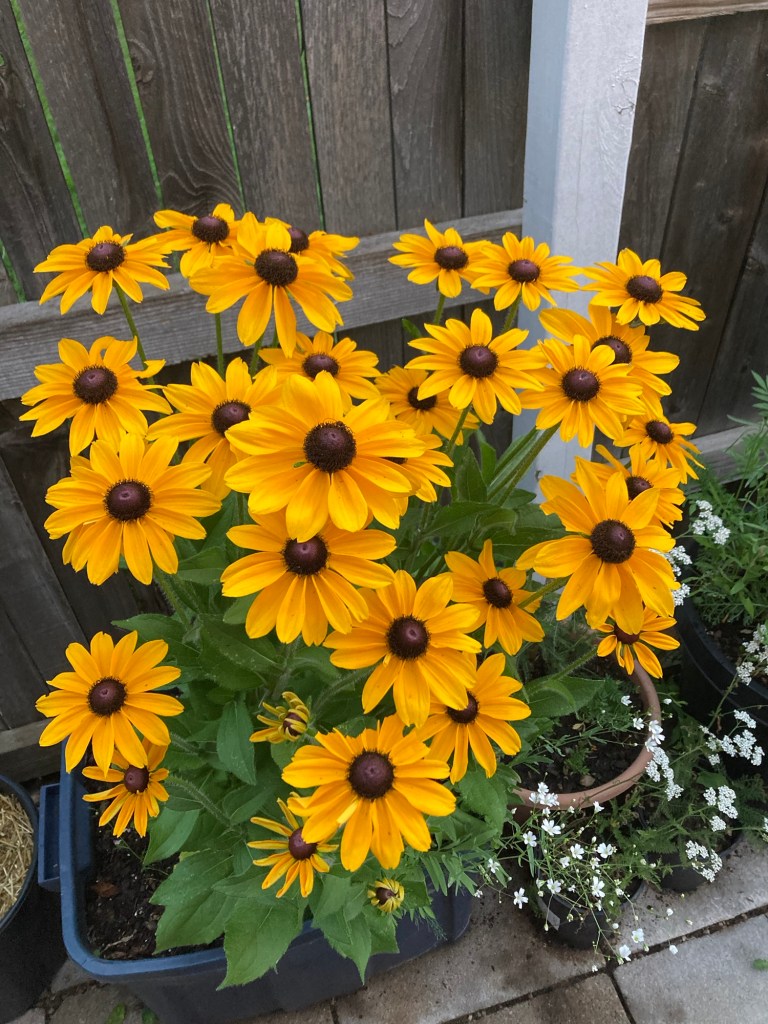
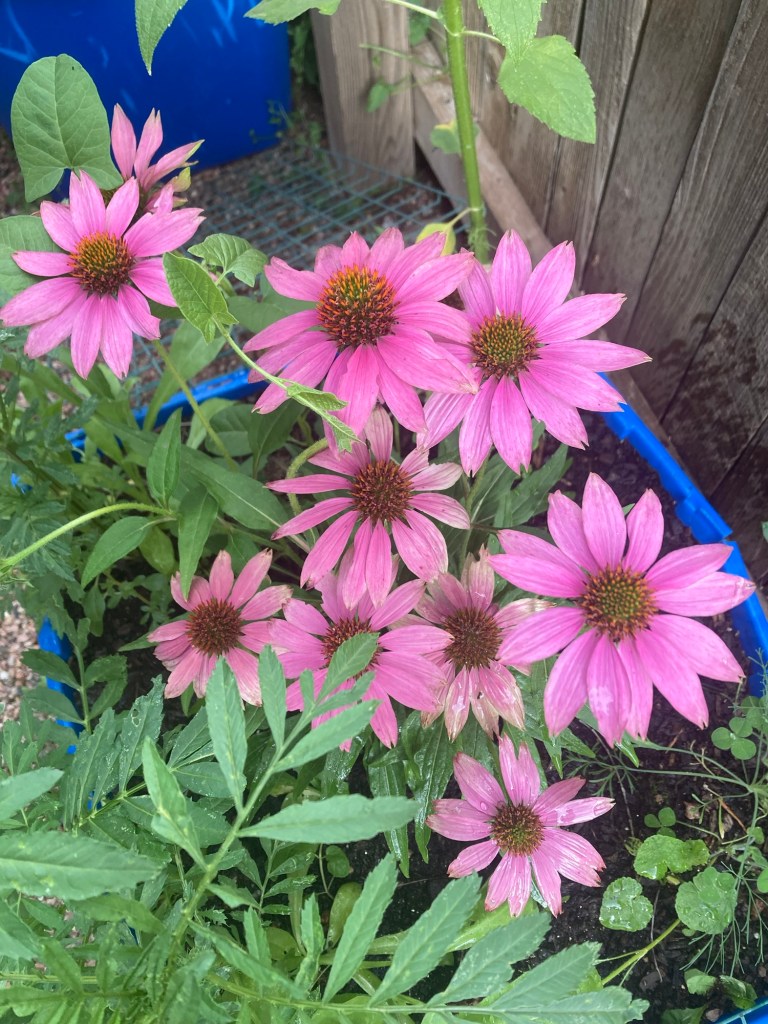
    We are currently growing Yarrow, Echinacea, Sedum, Mint, Anise Hyssop, Salvia, Bachelor’s Button, Knautia, Lamb’s Ear and Black Eyed Susans in our container garden. Our Chamomile, Prairie Sunflower, and Borage are such aggressive self-seeders that they are almost like perennials – I hardly ever have to plant any new ones. I enjoy annuals like Aster, Marigold, and Red Clover. The clover is nice because it grows prolifically but does not crowd the other plants, keeping low and sending up little red flowers here and there during the early summer. If grown densely enough, it can act as a living mulch or groundcover to help retain more moisture.

    H – Host plants. Once I began to appreciate flowering perennials, I took an interest in choosing native plants to our area in order to attract local pollinators and beneficial insects. Looking online, I could find native perennials as well as a list of insects that use these plants as hosts. This means they use the plants during a significant portion of their lifecycle, not only for food. I began to plant native grasses, as well as hardy groundcovers – some without flowers and some with flowers.

    Praying mantis. There is a native variety and an introduced variety.

    Once I took an interest in pollinators and beneficial insects, my gardening style changed dramatically. I was no longer interested in vegetables alone, isolated from everything else. I was no longer interested in straight lines and rows or arrangements. This is perhaps the moment ‘chaos gardening’ took hold in me. I began to buy wildflower seeds and spread them in every nook and crevice I could find. This year we are beginning a Goodwork project in cultivating milkweed plants.

    Milkweed is the host plant and main food source of the monarch butterfly. The prairie sunflower that grows so aggressively in our area attracts the beautiful yellow goldfinch that pecks at the little sunflower seeds in the early mornings. Our grasses attract dragonflies. The chamomile is a favorite of the hoverflies and the bumblebees. This post is not about insects, though they’d be elated if your garden went native!

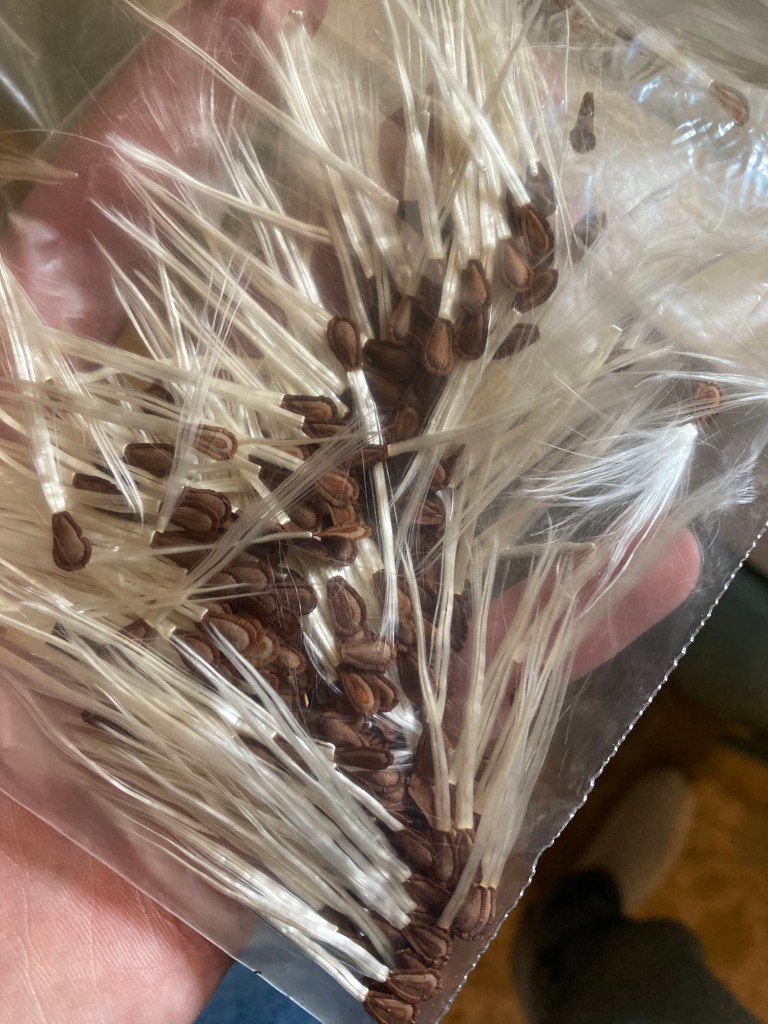
    Milkweed seeds collected in the fall. Milkweed requires a cold period before germination.

    A – Abandon lawns. This one may ruffle some feathers. I understand the utility of a manicured lawn and I understand there is no doing away with lawns completely. But if I can inspire someone to turn a portion of their labor-intensive yard into a chaos garden, host to half a dozen or more species of beneficial insects and wildlife, I would be glad.

    In talking to the adults of my life who must care for their lawn, either as required by an HOA or out of a sense of duty and order, I have found that lawns tend to be expensive nuisances. They tend to become patchy during periods of inconsistent care, they require regular mowing during the summer months which either costs time and effort or money in outsourcing this chore. Water isn’t cheap and a good portion of it is wasted on lawns due to evaporation or runoff. Products for fertilization or the killing of weeds can become costly – as well as killing the beneficial biology in both the soil and surrounding areas. Not to mention the various mechanical equipment requirements needed – lawnmower, aerator, de-thatcher etc.

    Why not save your back and your budget by switching all or a portion of your lawn to low-maintenance, low-tech chaos gardening methods? Maybe keep the front lawn for appearances and turn the back into a tapestry of colors and textures bursting with all sorts of characters. Spare your back, save some cash, replace your grass.

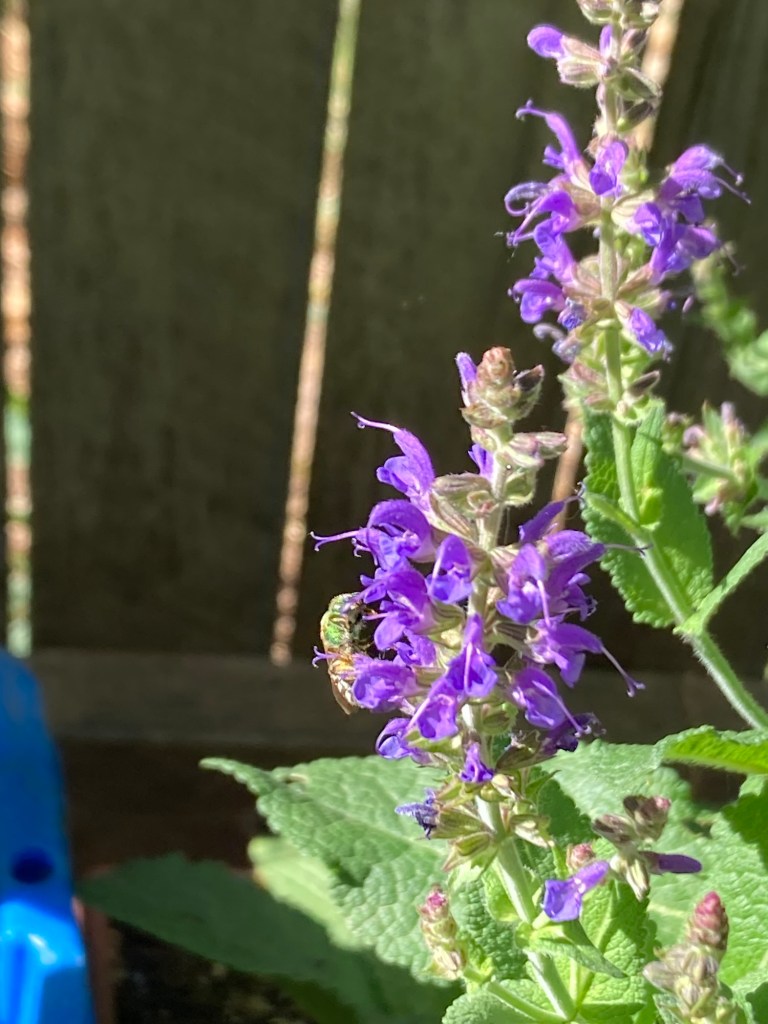
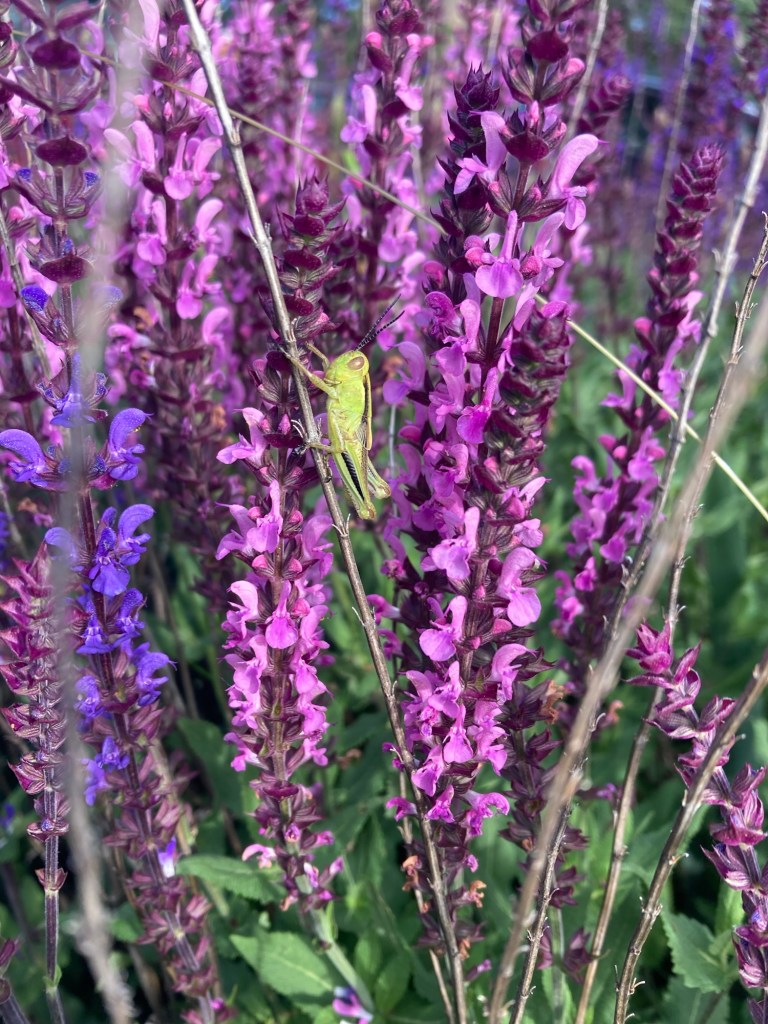
    Purple blooms and a little green alien visitor,

    O – Organized disorder. That is the name of the game. The more straight lines and clean areas, the less life a garden is going to support. Gardening is dirty, it can be downright disorganized and ugly at times. That does not mean it is an unhealthy garden. The chaos garden doesn’t have different areas for different types of plants. Old, decaying material is not cleaned up right away. That’s okay, more space for bugs to overwinter and food for worms as it breaks down. It is all part of the plan – maybe not your plan as the gardener, but the garden’s plan as a unified and healthy entity.

    Your chaotic garden should also suit your needs and interests, too –after all, you are the gardener and you should enjoy gardening. One should account for seating areas, paths for easy access to every part of your garden, and the occasional marker in order to remember what is growing where. I love it when I can walk people through my garden and rattle off the names of all the plants I have going. Not sure if they care but I like it! And when you have a chaotic garden, it sometimes helps to have a little signage here and there to identify the main players.

    S – Sprawl and Serendipity. Happy surprises. It brings such joy to see things start to thrive in your garden. You can feel a sense of pride that you have created such a fertile corner of the world, that things grow naturally and without much assistance. A sense of creativity pervades this practice – you almost feel like you were the one to create this world, or at least that you had a hand in it, and this makes you feel close to divine.

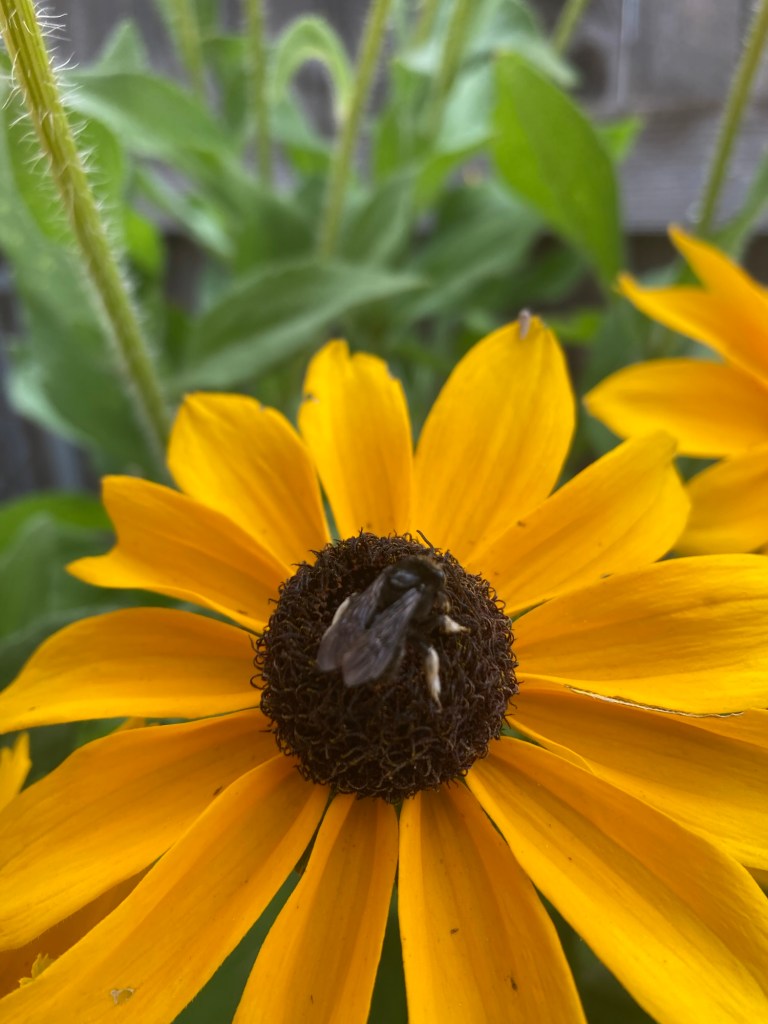
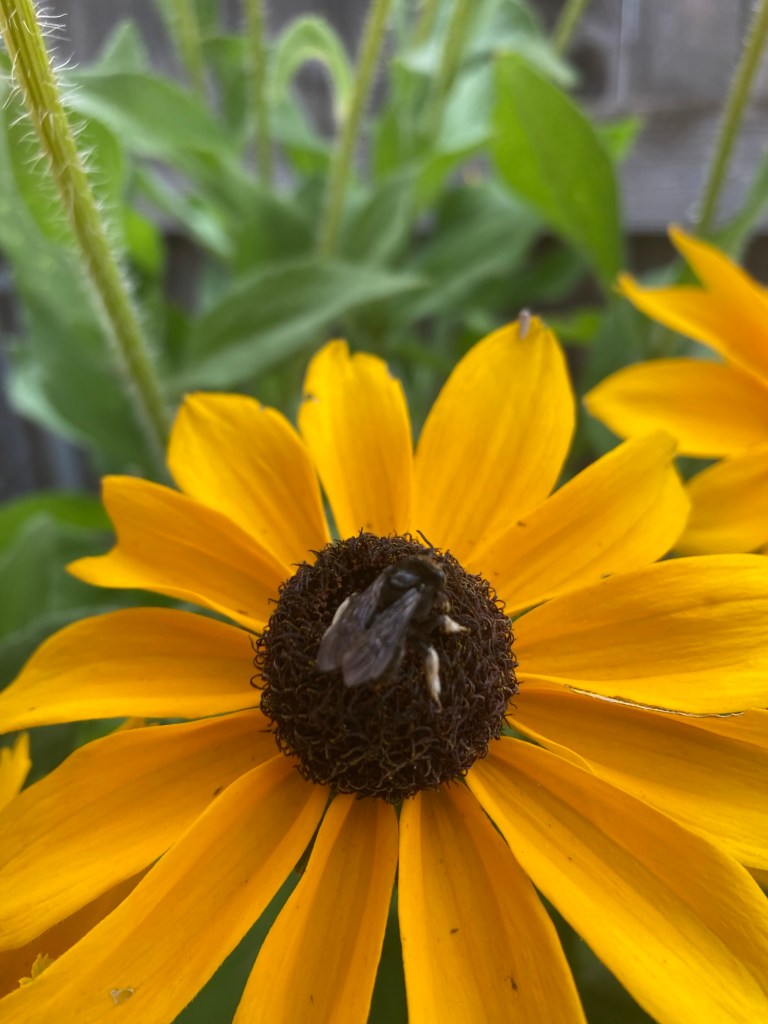
    Black eyed susans. They attracted a whole bunch of different insects!

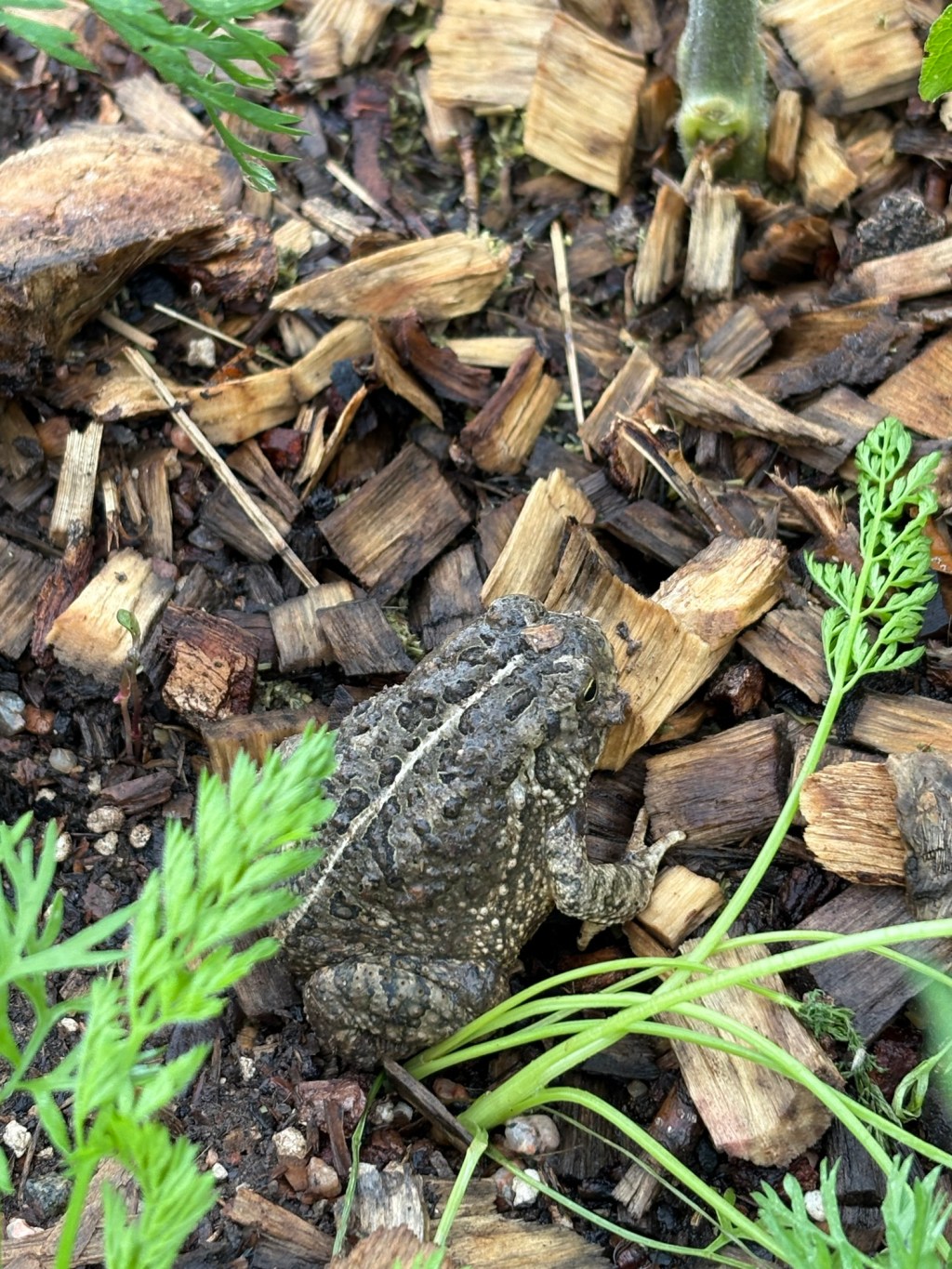
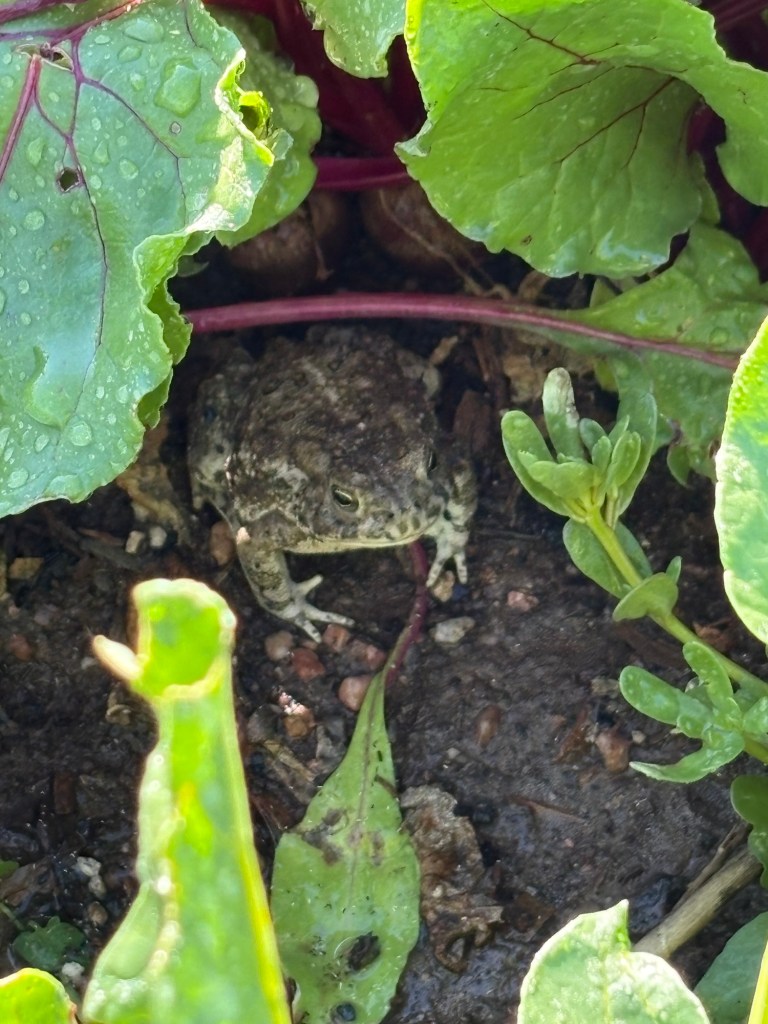
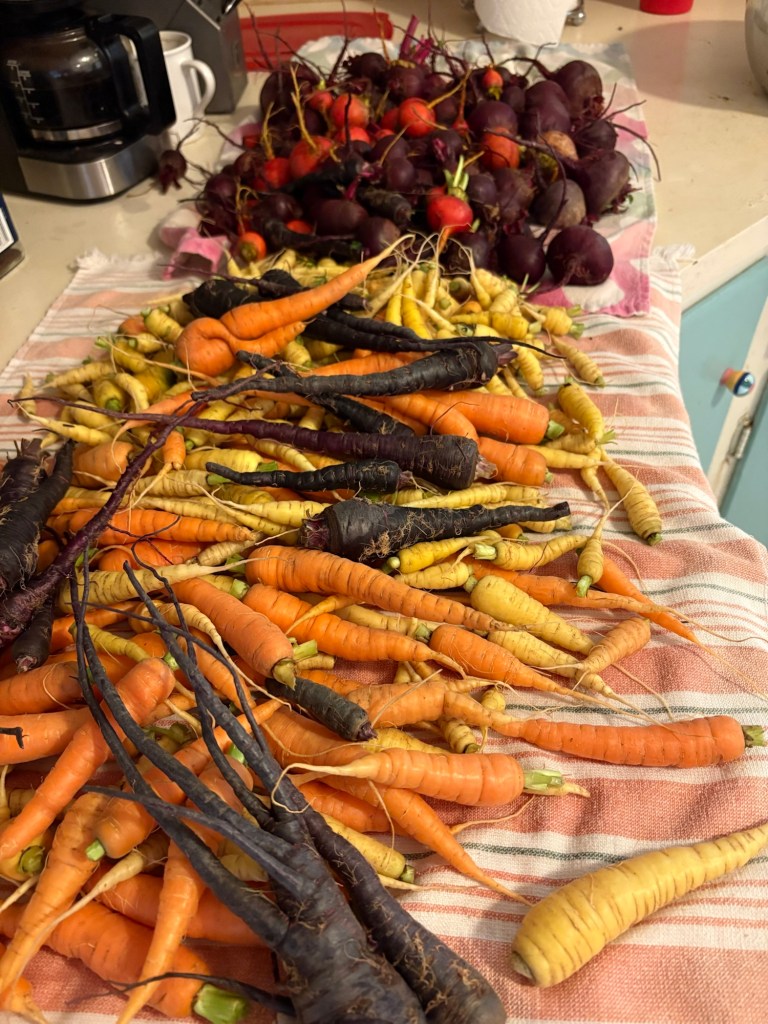
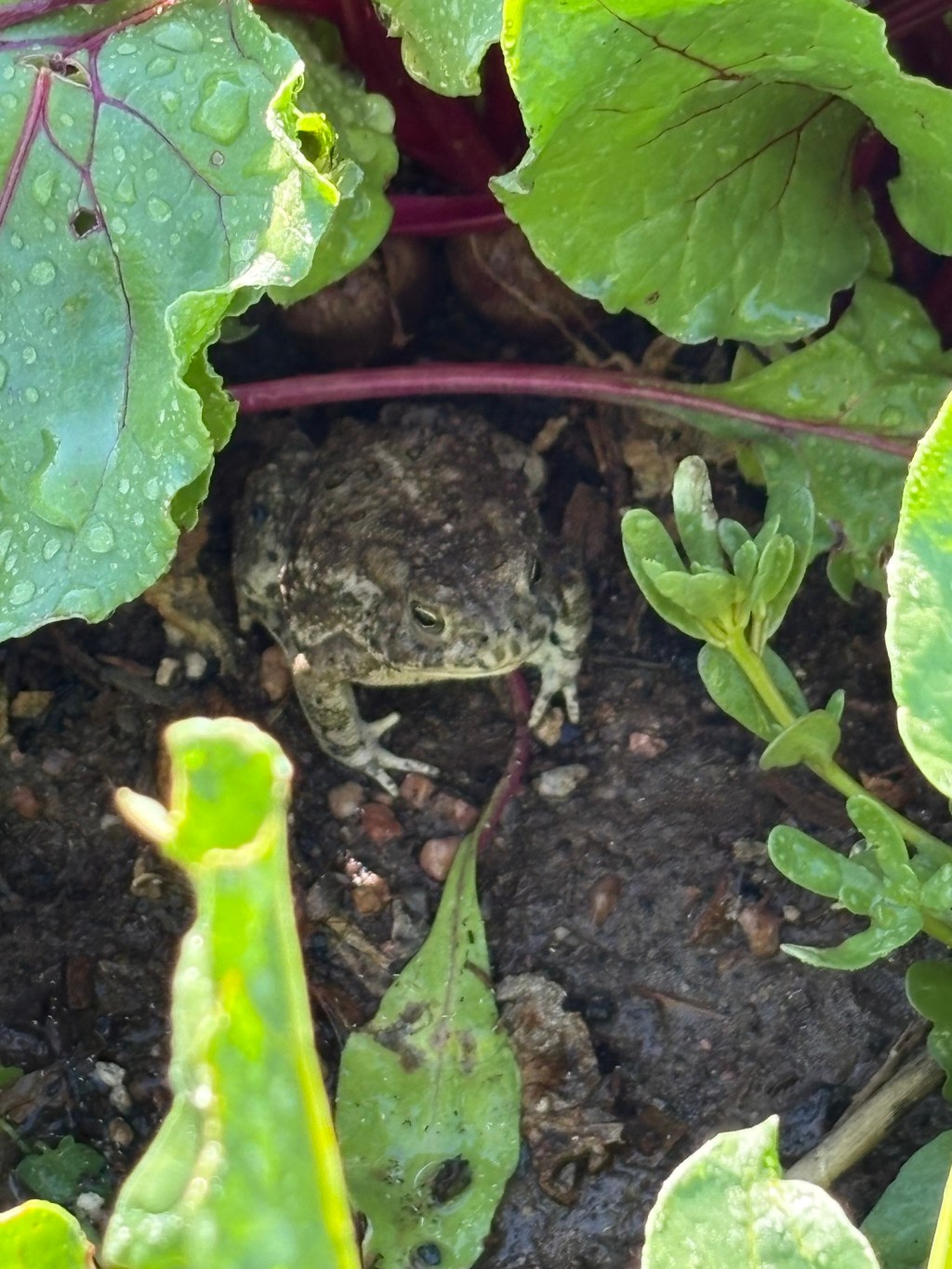
    This sense of mastery and creation is also overshadowed, from time to time, by the many little surprises that take place in the garden which you know you had no hand in. It may be a ‘volunteer’ sprout that comes up unexpectedly in the corner. We get volunteer radishes occasionally, due to some neglect in previous years that allowed several radishes to set seeds. Or maybe it’s a bundle of insect eggs you find beneath a leaf. An earthworm, a ladybug, a praying mantis. We found a handful of baby toads in our garden one year, using our thai red chili plants as protective cover from the hungry birds. It always made our day to see them hopping from plant to plant as we watered.

    As your chaos garden begins to thrive, you may notice yourself collecting the seed heads and spreading seed haphazardly. You may take an unprecedented amount of cuttings that all begin to explode with life. Don’t worry, there is always room in the garden for more plants. The garden has a special way of expanding each year. Let its sprawl slowly take over your life.

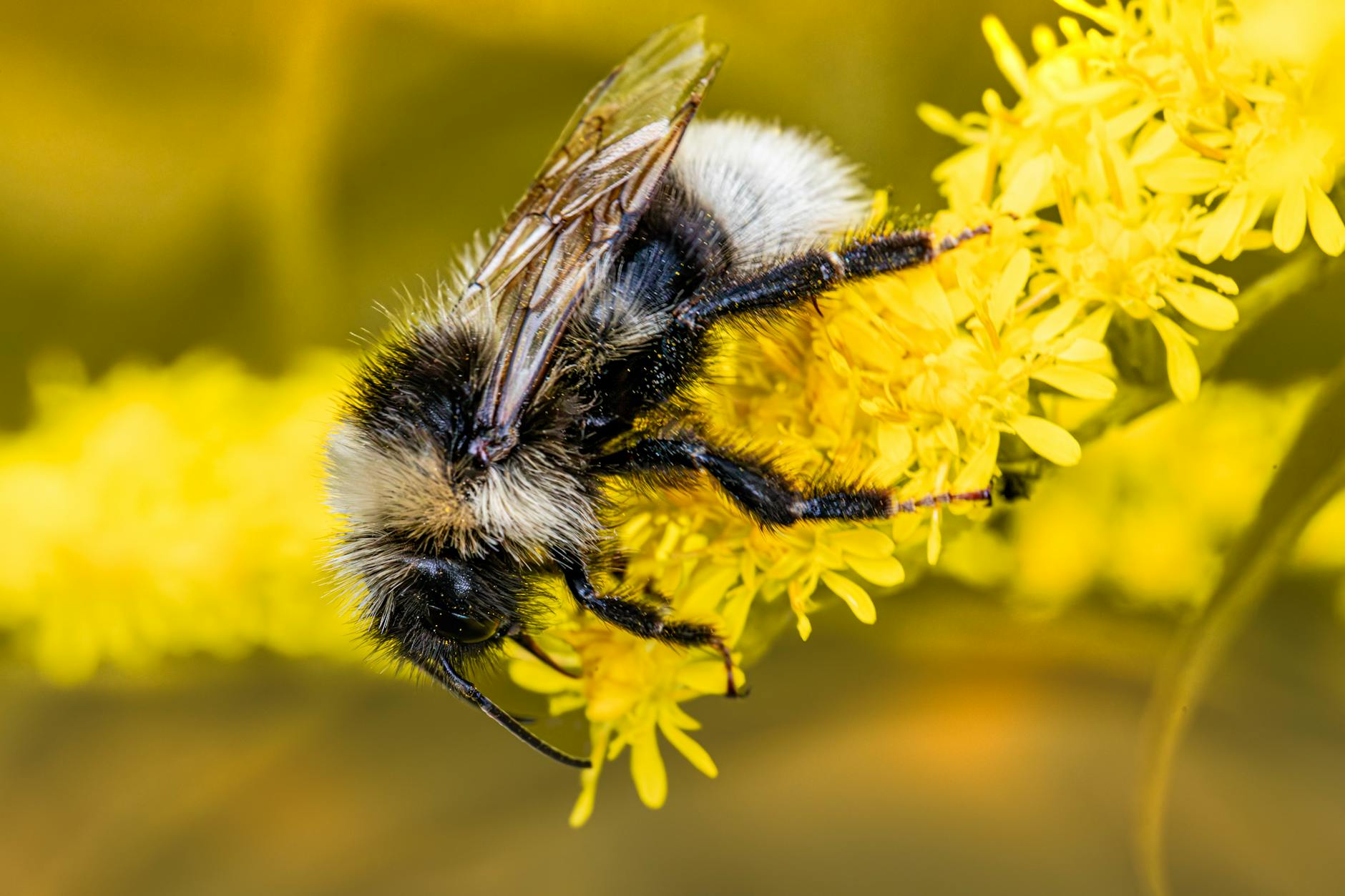
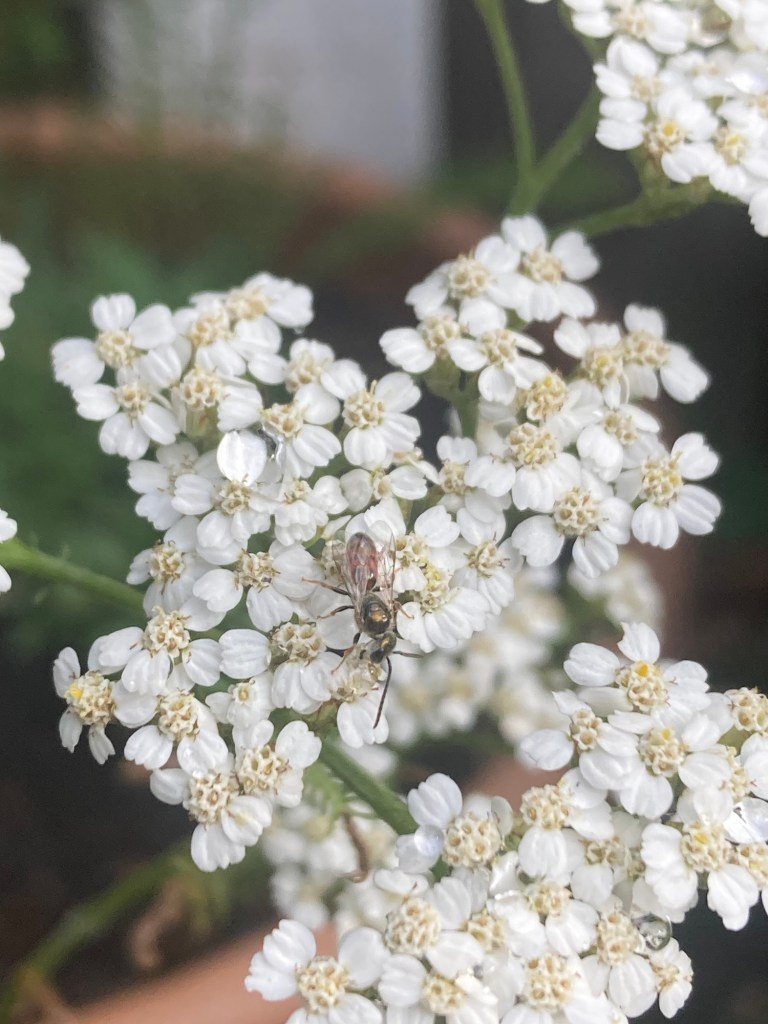
    A bee on our Black eyed susans.

    John Muir noted that if you pulled something in Nature, you would see that it was attached to everything else. These happy surprises in the garden remind us that we are part of nature, too, and witnessing that fact each day can do wonders for your mood and outlook. Wander the garden with your hands clasped behind your back and your eyes calmly fixed on each plant as you pass by. Smile quietly and take it all in as you meander through. When you slow down, when you pay attention, you get to be part of some truly remarkable events. Events so small and so quick, it is almost as if they hadn’t happened. Yes that is a line from Watchmen, that doesn’t make it any less poignant.

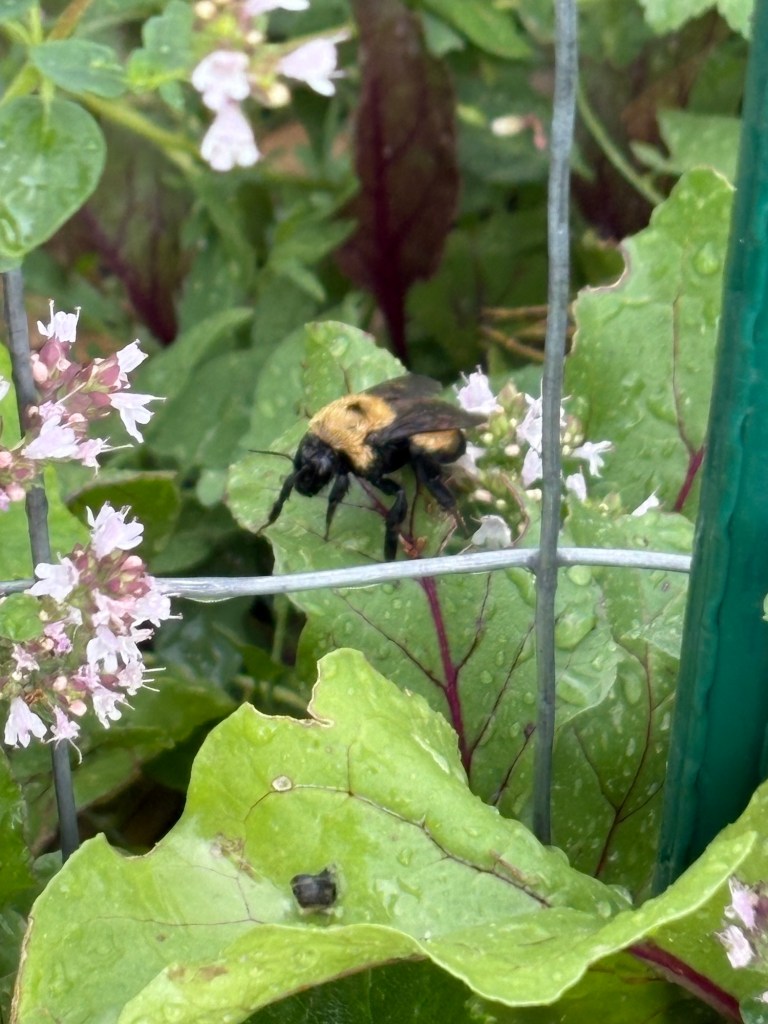
    Anyway, here are some photos for your scrolling pleasure.

  • What is Goodwork?

    What is Goodwork?

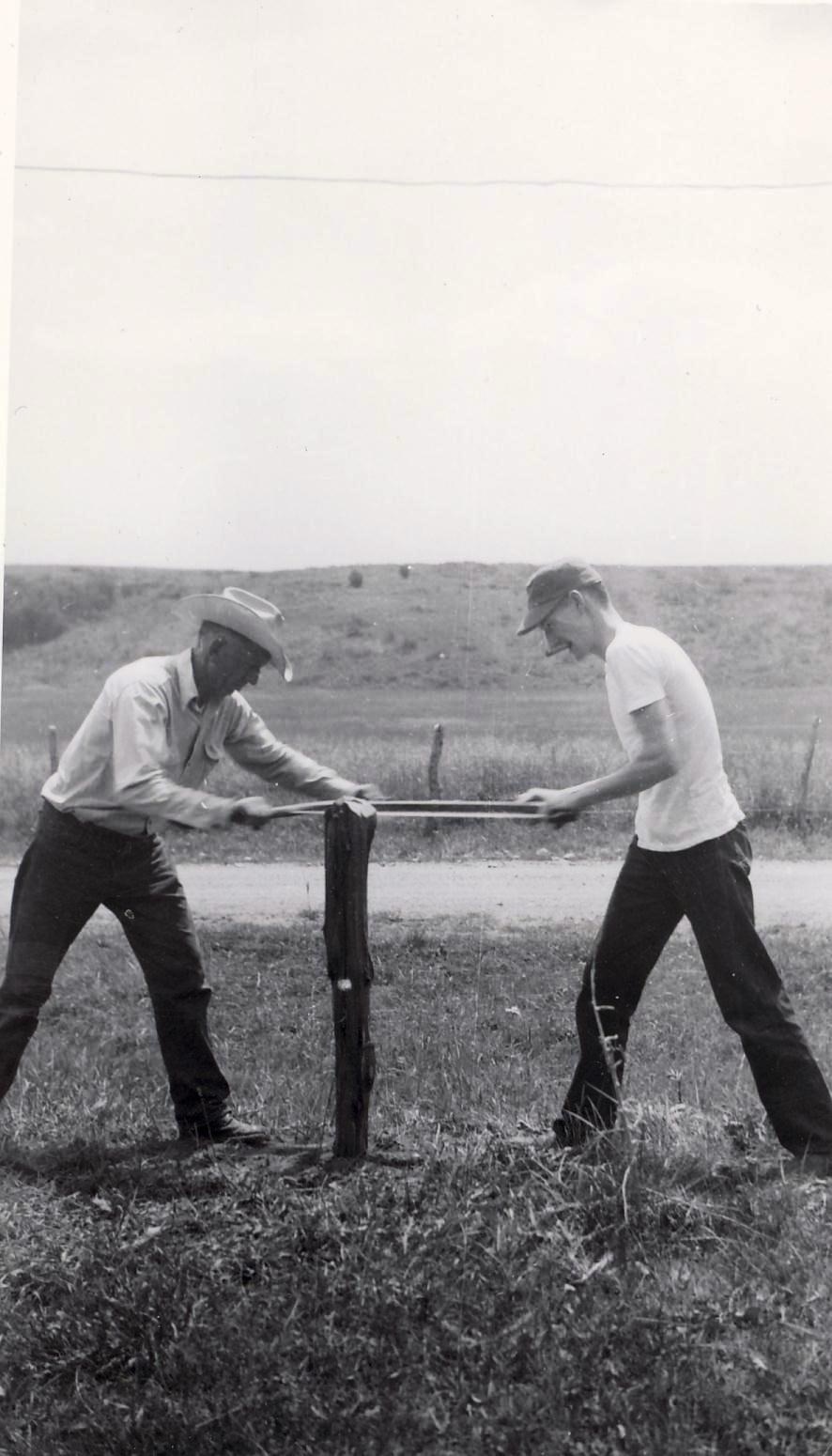
    My grandfather and great grandfather working on their family farm.

    Work is how we reconcile ourselves to our worlds, our surroundings, and to each other. Work is a natural process that unfolds in people as well as in other aspects of nature throughout all of time.

    As such, we should probably deem it worthy of some respect and attention, right? Yet a Gallup pole shows that, along with dissatisfaction, workers also report high rates of disengagement and unhappiness.

    60% of people reported being emotionally detached at work and 19% as being miserable.

    50% of workers reported feeling stressed at their jobs on a daily basis, 41% as being worried, 22% as sad, and 18% angry. 33% reported feeling engaged.

    Something is amiss if so many people report being unsatisfied with their work lives. People typically have working lives that span a period of forty years – age 25 to age 65, roughly. For those of us who started working in our teen years, that window of time is even longer. Would anyone want to spend that time feeling disengaged and unhappy rather than being engaged with meaningful work and productive behavior? So where is the disconnect, and what do we do to remedy these issues?

    Goodwork is Natural

    There is a misunderstanding about work, stemming from the definition we use to categorize work in the human sphere of activity. But if we look at the natural world for examples of work, we find it as common as the work we are inclined to do as people. The beaver goes about cutting logs and making dams. It is their home, and it is fundamental to their nature as beavers. In order to create it they must do good work.

    This is the same as with the bird’s nest, the dung beetle’s dung, the dens of any number of forest critters. In order to connect themselves to their world, they each must do their work. Even the worm, the greatest little workman the world has ever known, creates a layer of soil fertile enough for the rest of life to function in abundance, and they do this work unassumingly beneath our feet, content to churn through the dirt in obscurity. The worm’s work is part of his existence, it is woven into the fiber of his being, and it builds the world which we stand on.

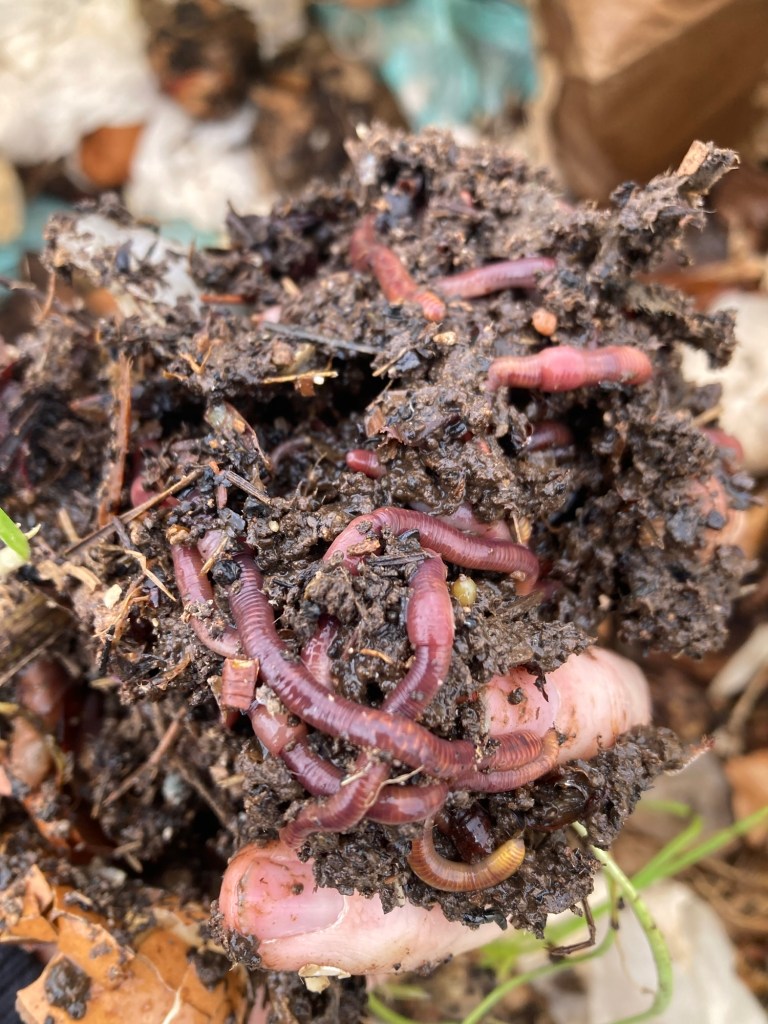
    Composting worms are introduced to their worm bin.

    “If a man is called to be a streetsweeper, he should sweep streets even as Michelangelo painted, as Beethoven composed music, as Shakespeare wrote poetry.” – Martin Luther King Jr.

    Frequently, I have heard the lament that “Humans are the only animals that have to work.” And while I understand the underlying sentiment and the frustration that goes along with it, I would say that all animals must work in order to live. It is only that the work of the animals is hardly recognizable to us as work because it is so engrained in their nature. When we see a bird collecting worms or making a nest, we do not say to ourselves, “Look at that robin, hard at work.”

    Our goodwork should resemble something like this. It should be so tightly woven into our nature that onlookers should be curious as to whether or not it is actually work at all. Our work should not be something we ‘go to’ but something that comes from us. I have never liked the term ‘work-life balance’ and would instead like to strive for ‘work-life integration’, in which my work and my life are harmoniously joined together rather than demanding portions of myself be doled out equally.

    Goodwork Involves the Whole Person

    Part of the frustration in the work that humans have come to do is that it has become highly specialized, fragmented, and noncreative. For example, I had a highly specialized job once packing medical materials. I stood on one spot by a conveyor belt and would place one alcohol swab in the plastic pack as it passed by my station. That is all I did for eight hours a day.

    By fragmented and noncreative, I simply mean that the work is separated from any satisfaction that could be earned from an end product. It does not satisfy our need for creativity because nothing ever comes to fruition under our watch in these deadend jobs, we only contribute our small part and then clock out.

    In an ideal goodwork, one would find a path toward personal growth and self development. This would be part of the process that Carl Jung called ‘individuation’, or becoming yourself. Our work reflects this pattern, and if we are allowed to be creative, and to follow our work to the satisfaction of its end result, we can more earnestly develop our unique purpose.

    Some specialization always takes place but it keeps in line with the development of skill, craft, and engagement rather than disengagement or fragmented roles. I was tempted to say ‘repetition’ as an aspect of highly specialized work but I find that goodwork can be equally repetitive, though this may occur in a way that is satisfying rather than demoralizing.

    Our jobs have also become much more sedentary as they have become more about information and processes that demand we be more cerebral. This has led to an unsurprising decline in health. Our bodies and minds are most healthy when they are deeply involved in movement and engagement.

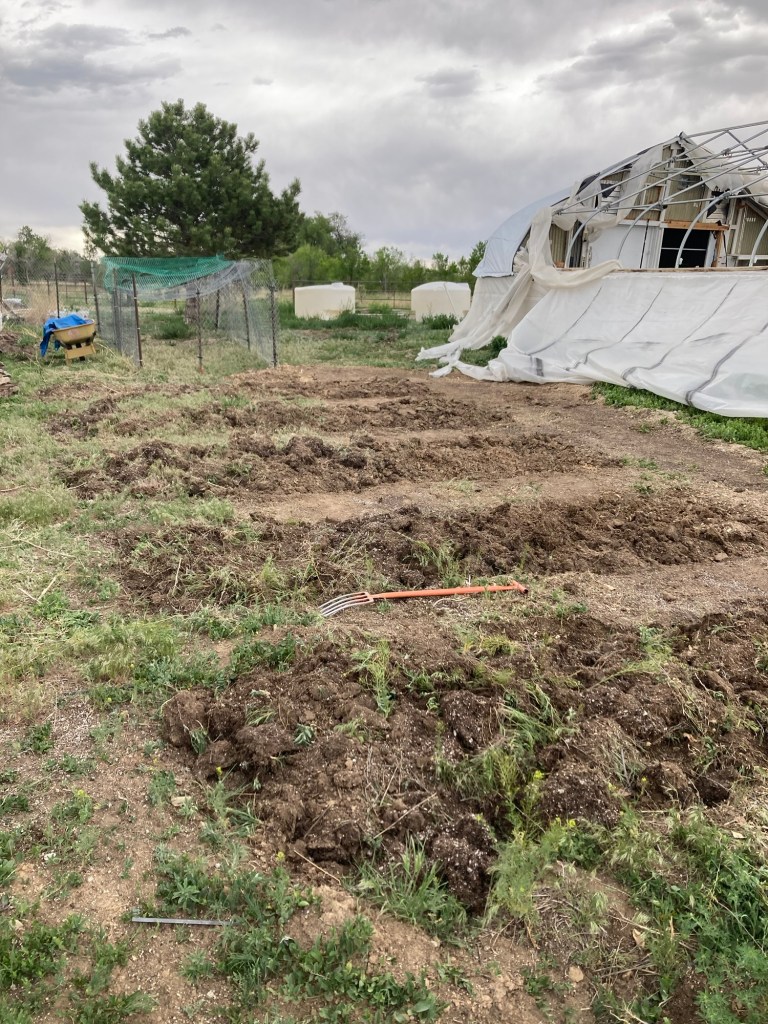
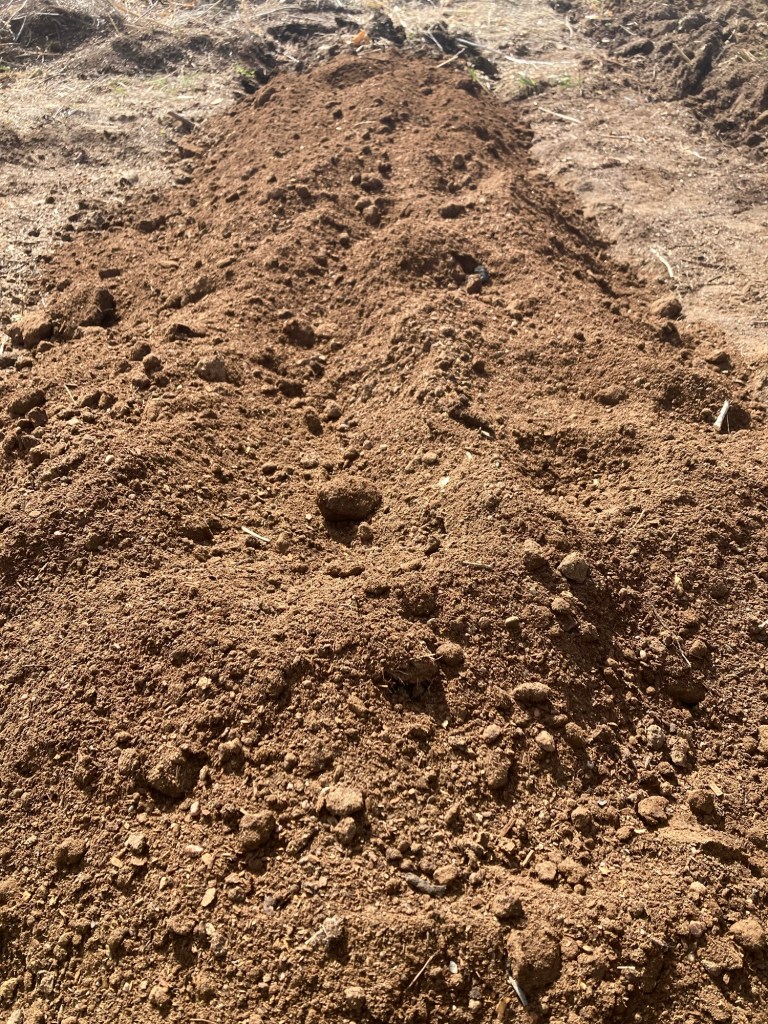
    Digging new garden beds in a field taken over by weeds.

    We are at our best when we are kept active in body, mind, and soul. Finding our goodwork means finding something that contributes to our mental and physical health as we attend to our duties. When I am attending to my farm and garden chores, I am using the muscles of my legs, back, shoulders. I get good exercise hefting feed bags or digging garden beds. My mind is engaged in planning projects, schedules, and organizing resources to fulfill the needs of my customers. These are just simple examples but one can see how such work can be fulfilling and engaging rather than stifling or overly monotonous.

    Goodwork is Peaceful, Voluntary, and Contented

    In this way, goodwork does not resemble the modern ‘hustle culture’ that you see online. Hustle culture asks you to just grind and hustle no matter the idea, the method, or the outcome. This kind of senseless frenzy may sound appealing at first but it is soon found to be exhausting, self-defeating, and empty. If you do not care what you are hustling for, what will you care when you achieve it? Don’t get me wrong, I believe in working hard, in self-discipline, and pursuing and achieving goals. But the way of the hustle is typically smoke-in-mirrors, empty promises, and multi-level marketing schemes that sell a dream rather than provide tangible value.

    Goodwork, then, sets itself apart from hustle philosophies and aligns itself more with conscientious, consistent work that builds upon itself until it compounds into something valuable and sustainable, providing meaningful work and wealth for generations rather than a flash in the pan windfall that the grind promises.

    Those involved in pursuing their goodwork are able to look their customers in the eye when it comes to upholding quality and consistency and these people often want to engage with their client base or community in long term relationships. Steady gain paired with consistent quality, all made possible by the principles outlined here, mean strong and resilient businesses and communities founded on mutual trust.

    When I say peaceful, I mean goodwork lacks much of the self-imposed stress that follows from meaningless grind and hustle culture allure. When I say voluntary, I mean customers know exactly what they are getting and from whom they are getting it, and the producers know exactly what they are producing and go to great lengths to be the best to offer their product. When I say contented, I do not mean complacent. I mean that the work is not filled with a desperate dash for validation or recognition but is allowed to unfold with the dedication necessary for a long-lasting enterprise worthy of respect. If you have aspirations of becoming the biggest, you may not be the best when you get there. If you aspire to be the best, you may become bigger than you ever thought possible. When you get there you will be able to stand by your systems with pride and confidence.

    Goodwork is About Connection

    As someone who has worked in many different roles and in different trades, I believe that our work is important and can be approached in a positive and healthy way, regardless of what we may be led to believe. I want to share my work with the world and I want the world to share its work with me. If I could be so bold, I would love to help others find their goodwork and help them to put their corner of the universe in order.

    “No matter how isolated you are and how lonely you feel, if you do your work truly and conscientiously, unknown friends will come and seek you.” – Carl Jung

    Like nodes in a network, we connect and spread the information we need to grow in every way. The information I seek to discuss and share through this medium is not new or unique but it is my duty to pass along all useful experience to my network.

    My goodwork is Goodwork. Through this blog and other written works going forward, I want to discuss relationships with work, wealth, and nature. I am not an expert in any of these areas. These writings are about musings, discussion, and progress. Perhaps more than its fair share of daydreaming. I draw on the wisdom and practicality of dozens, if not hundreds, of people that came before me and are much more articulate and qualified than I am. The areas I enjoy exploring – gardening, psychology, soil science, history, economics, bugs, personal finance – have been around much longer than I have. I have no illusions of adding any remarkable insights into these things but wish to provide a field guide in order to explore them more easily. I want to synthesize the widespread information that others have made the effort to pass along. I hope I can present this information in a way that each person finds something relevant to themselves and their life’s journey.

  • Good Work Wastes Not

    Good Work Wastes Not

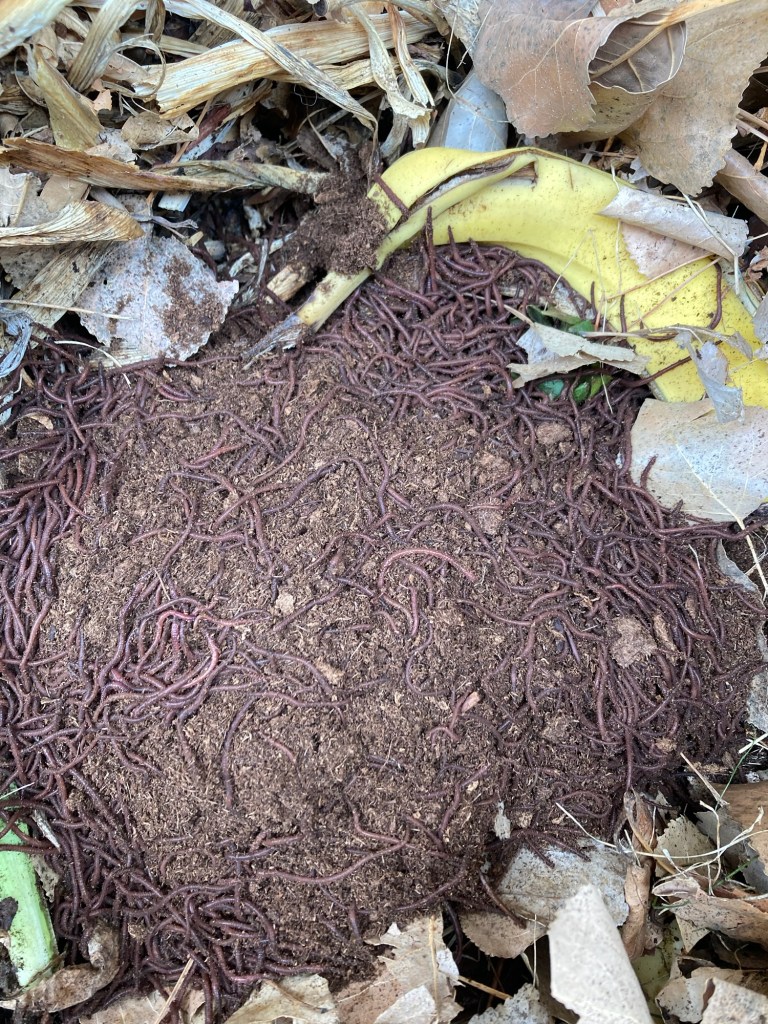
    Composting worms hard at work after a long winter.

    Poop is king. This may make me sound insane but once you get involved in farming and gardening, you really learn to love poop. Big ol’ piles of manure are like gold to me now. I fancy myself a collector of poop, a veritable poop connoisseur, if you will. Right now, I am actively collecting chicken poop as well as worm poop for amending the soil in our garden. Recently, I traded three dozen eggs for a trailer full of composted horse manure.

    Gardeners and farmers are not really in the business of growing plants or animals but in growing soil. From the soil comes all the abundance we are looking for so we must look to growing the highest quality soil we can if we are to accomplish our aims. Poop is the way.

    Okay, I’ll stop saying poop so much. Let’s call it “waste.” But what is waste, and how do we classify it as such when looking at the inputs and outputs of a system? Other than manure, what other types of “waste” can be made use of? Is the waste really waste if we can find some value in it?

    Let’s take a look at common waste streams as an example. In the U.S., it is estimated that 120-130 billion pounds of food goes to waste per year. From consumer and retail sources, this waste goes directly into landfills. There are a number of reasons for this food to be considered waste – it sits around too long and falls outside of its ‘best consumed by’ lifespan, it is post-consumption material that people would not consider worth saving, or it is deemed unacceptable for consumption by producers, wholesalers, and retailers and must be disposed of. No matter the reason, the core principle of this waste stream is: it falls outside of the circle of value to people. It is not considered as having value to people so it is not considered as having value, period.

    One of our garden beds, amended with composted horse manure we traded for eggs.

    The typical laying hen may eat approximately 1 to 2 pounds of scraps per week. Mine may eat much more than that, they are like little pigs with wings! Composting worms may eat approximately half their weight in scraps per day. Black soldier flies, another popular feeder insect, can eat about twice their body weight per day as larvae. And what are these critters eating? Food “waste” that humans have considered inedible.

    All three of the above-mentioned critters can eat fruit peels and cores, rotten and spoiled vegetables and post-process vegetable scraps. The chickens can typically pick through the leftovers of an old meal for the tasty morsels they really love, leaving the things they don’t like for the compost heap. Worms can eat coffee grounds and composted manure, as well. Black soldier flies eat ANYTHING you throw at them other than carbonaceous material (paper, cardboard, wood bedding, etc.)

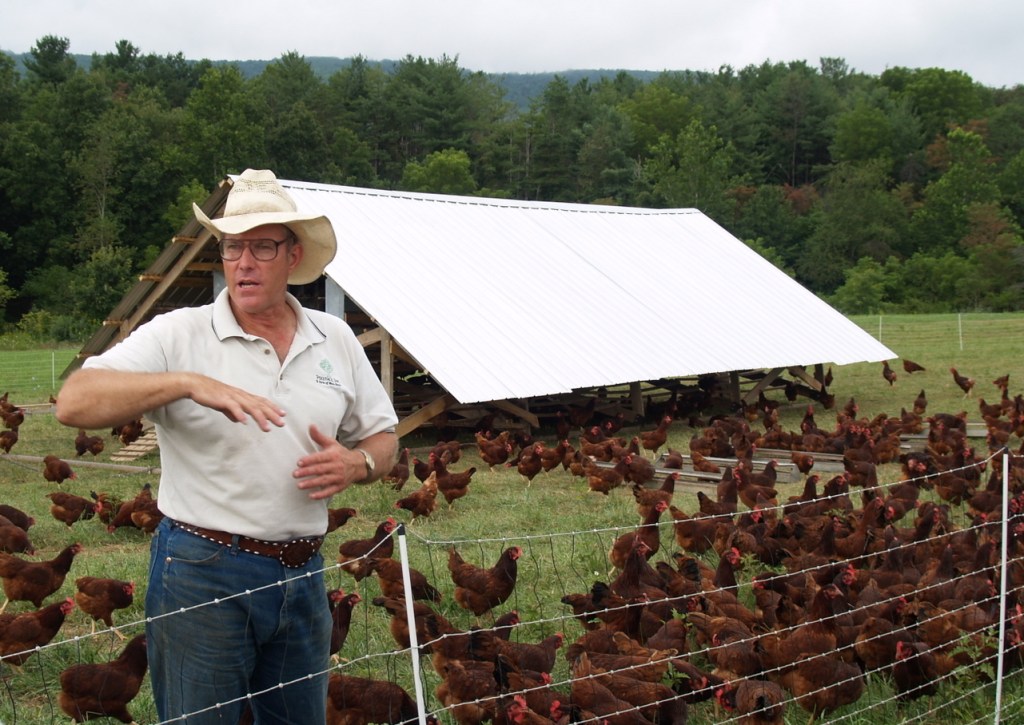
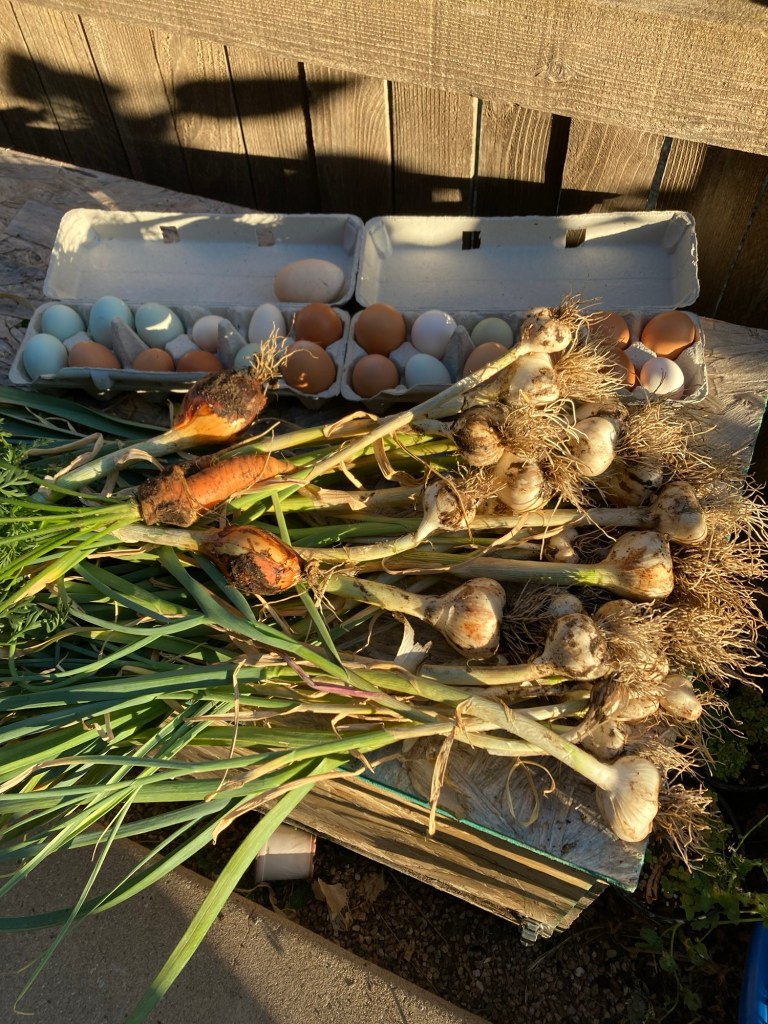
    This means our flock of forty chickens can eat between two and four thousand pounds of food scraps per year. Our worm bins can process about the same amount of food scraps per year, depending on how their numbers fluctuate throughout the warm and cold seasons. The black soldier fly system is in its infancy but as it begins to rival the scale of our worm bins, it will consume roughly the same amount as the chickens and compost worms. That means about six thousand pounds of food scraps – material that nobody wants, material that people are paying to take to a hole in the ground – are turned into valuable resources. Feeder insects and farm-fresh eggs. This is the closest I’ve ever come to getting “something for nothing.”

    These old shoes were covered in plenty of poop! And my pants, and shirts and… all of it, really.

    And then we return to poop. I know, I have to say poop a bunch more. We got rid of the food scraps by putting it through these livestock and insect systems but what do we do now with all this s**t ?! Remember how I mentioned the farmer and gardener being a grower of soil? The worm poop, the soldier fly poop, and the chicken poop all make fantastic composted manure material that we can use for growing the soil. Anything they can’t eat is processed in a compost pile by billions of microbes. It’s almost as if this system was developed over millennia as a means of managing a multitude of waste materials created by diverse groups of flora and fauna.

    In nature, there is no such thing as waste. Every output created by one system is picked up by another system and used as fuel. Flocks of birds follow behind roving herds of ungulates, picking through their manure for fly larvae. The worms eat whatever is left over of the grass nobody munched on and the droppings they left behind. The soil keeps growing thicker and more fertile year after year. It is a closed system.

    It is only when we consider the human system in isolation to other systems that we get waste streams we don’t know what to do with. If we consider something without value, then it must have no value. But many people in various fields, driven by the desire to take advantage of these unappreciated and underappreciated materials, have brought them back into the fold of the human system. The more we do this, mimicking nature’s methods of “zero-waste”, the more value we can derive from human systems without creating resource mismanagement and untenable waste streams. What would a zero-waste world look like? What systems could create this, and what incentives would drive us to create the necessary processes? How would it reform the systems we have come to take for granted, and how would the institutions and systems of humanity be changed in order to achieve this level of organization?

    Many might think of business and waste as going hand-in-hand. Businesses create waste. Perhaps businesses are thought of as wasteful, in general. Here is where my experience in “lean manufacturing” comes into play. In the world of manufacturing, the old ways are being seen as ineffectual, unsafe, and downright inefficient. Made manifest in the principles put down by The Toyota Way, the philosophy behind manufacturing has changed in order to both respect the individual person and to continuously improve systems to lower the levels of waste present. Why? Because respected individuals are much more productive and lower waste means higher profitability.

    I would highly recommend looking into this philosophy and the systems associated with it. I may write more on these topics later, as well, as I feel they align with several principles inherent in the tenets of goodwork.

    Whenever I have need of visiting a landfill, I am somewhat overwhelmed and disheartened. They are feats of engineering and problem-solving, to be sure, but the implications of the systems that must produce these as a necessary tool are staggering. The amount of trash creates an image of post-apocalyptic wastelands. How nice it would be if we developed systems to render these pockets of sequestered garbage unnecessary. I am also not so naïve as to think that this will happen anytime soon. But we focus on what we can control and we make continuous improvement. If each family owned half a dozen chickens and a worm bin, that would be a great start! If neighborhood compost heaps became the norm alongside their community garden counterparts, even better. One step towards a happier, healthier world.

    Coming down from my soapbox daydreaming, I return to our daily work that we must do — our goodwork. I can talk about getting rid of XYZ waste stream and having ourselves a local food and gardening frenzy all day but what really matters is how this relates to the work we are doing now, today. Is there a waste stream in your work that you find inconvenient, unsightly, or high cost? Is there a waste stream in your personal life that may be draining valuable time, energy, or money? We take advantage of our food waste in order to feed our chickens, insects, and gardens, but maybe you take advantage of yours to cut down on expenses, save some time that you could spend with your loved ones, or give you more energy throughout the day to tackle the tasks of daily life.

    Whatever you find in your journey towards a more efficient, fulfilling life, I hope you keep going, keep getting better, and keep doing your goodwork.

  • Abundance is Natural

    Lessons from My Chickens Series

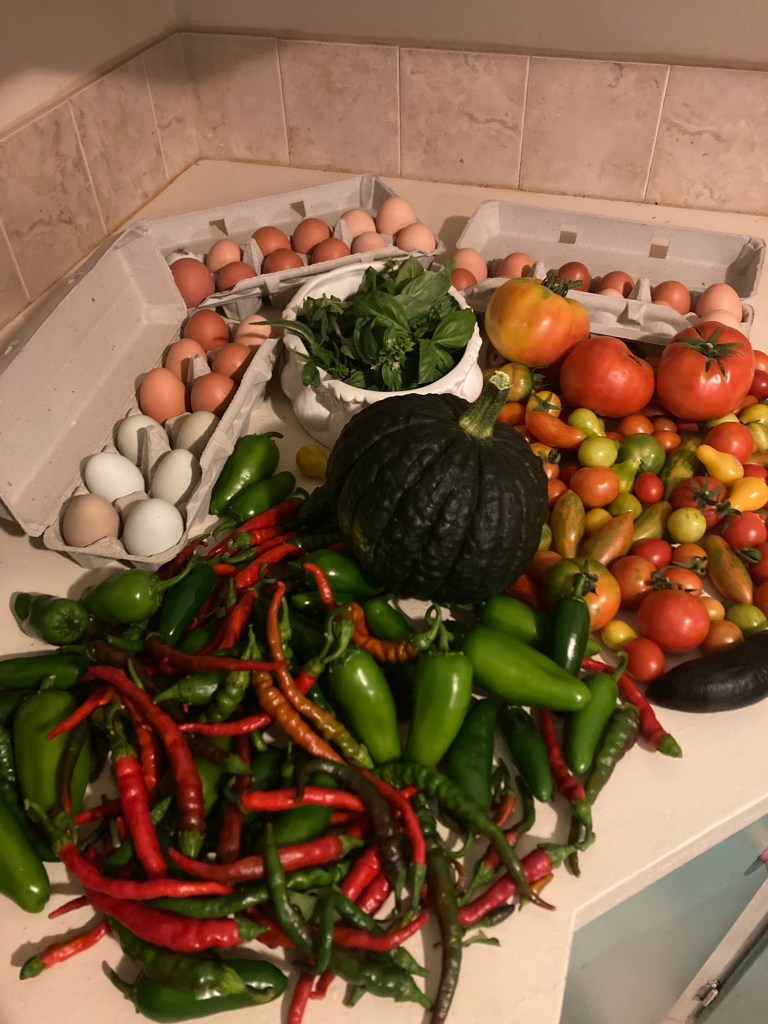
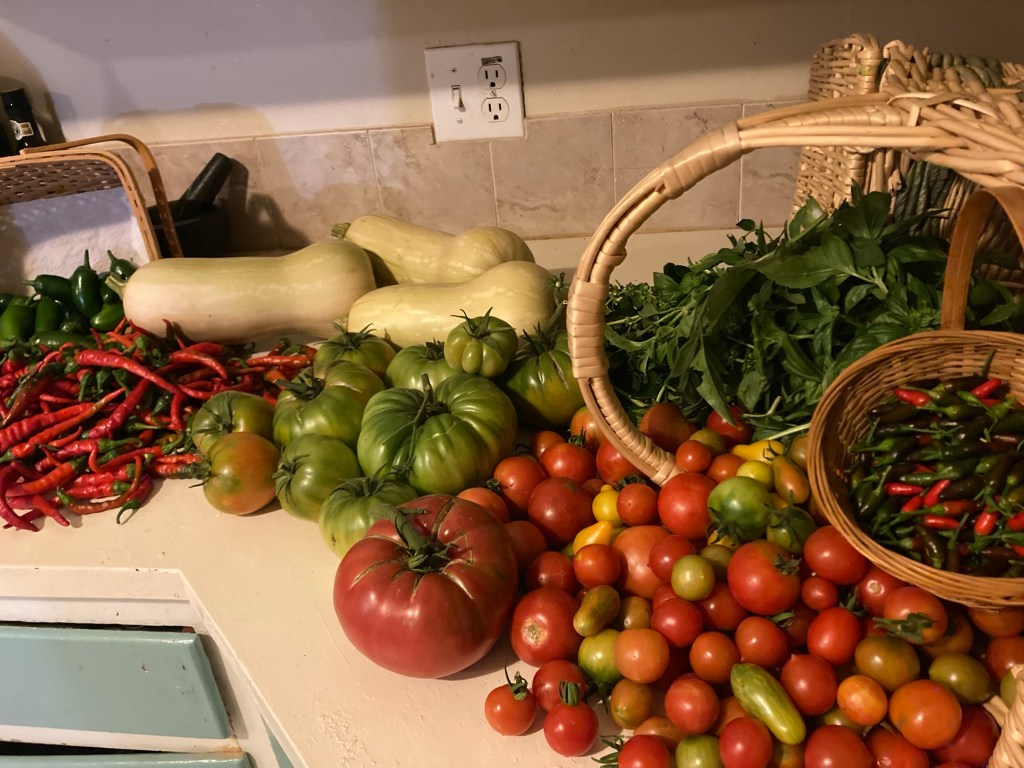
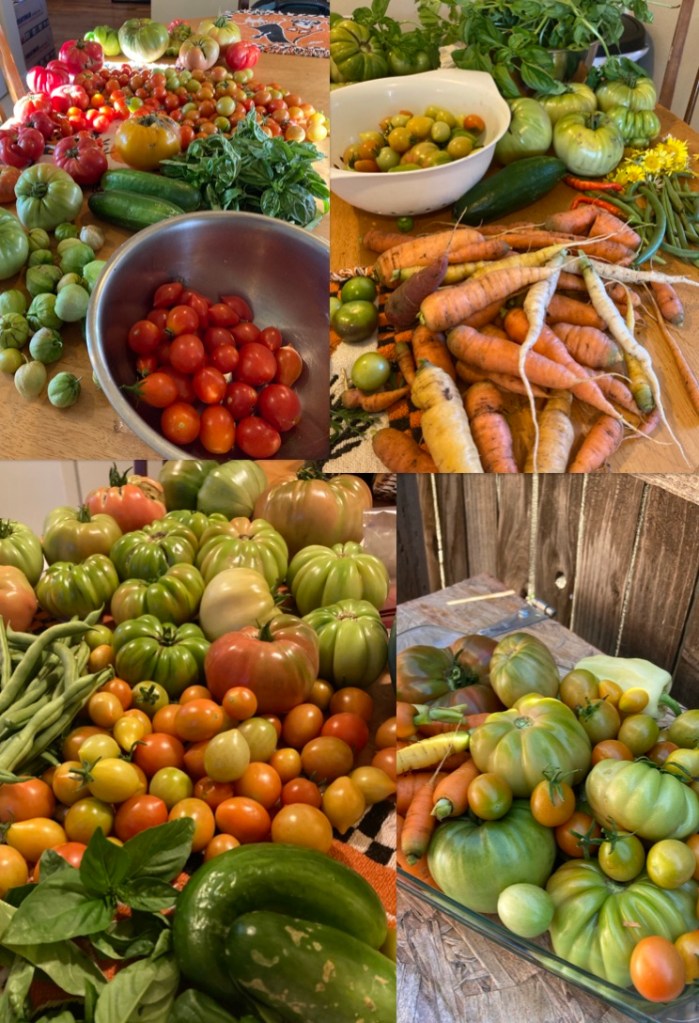
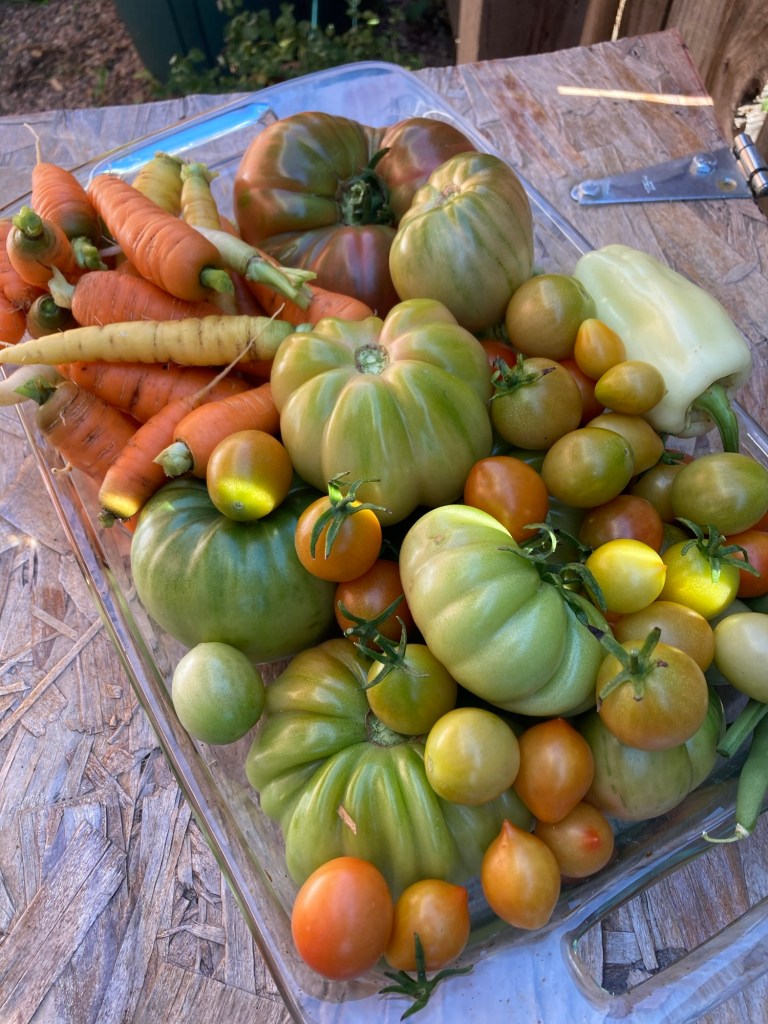
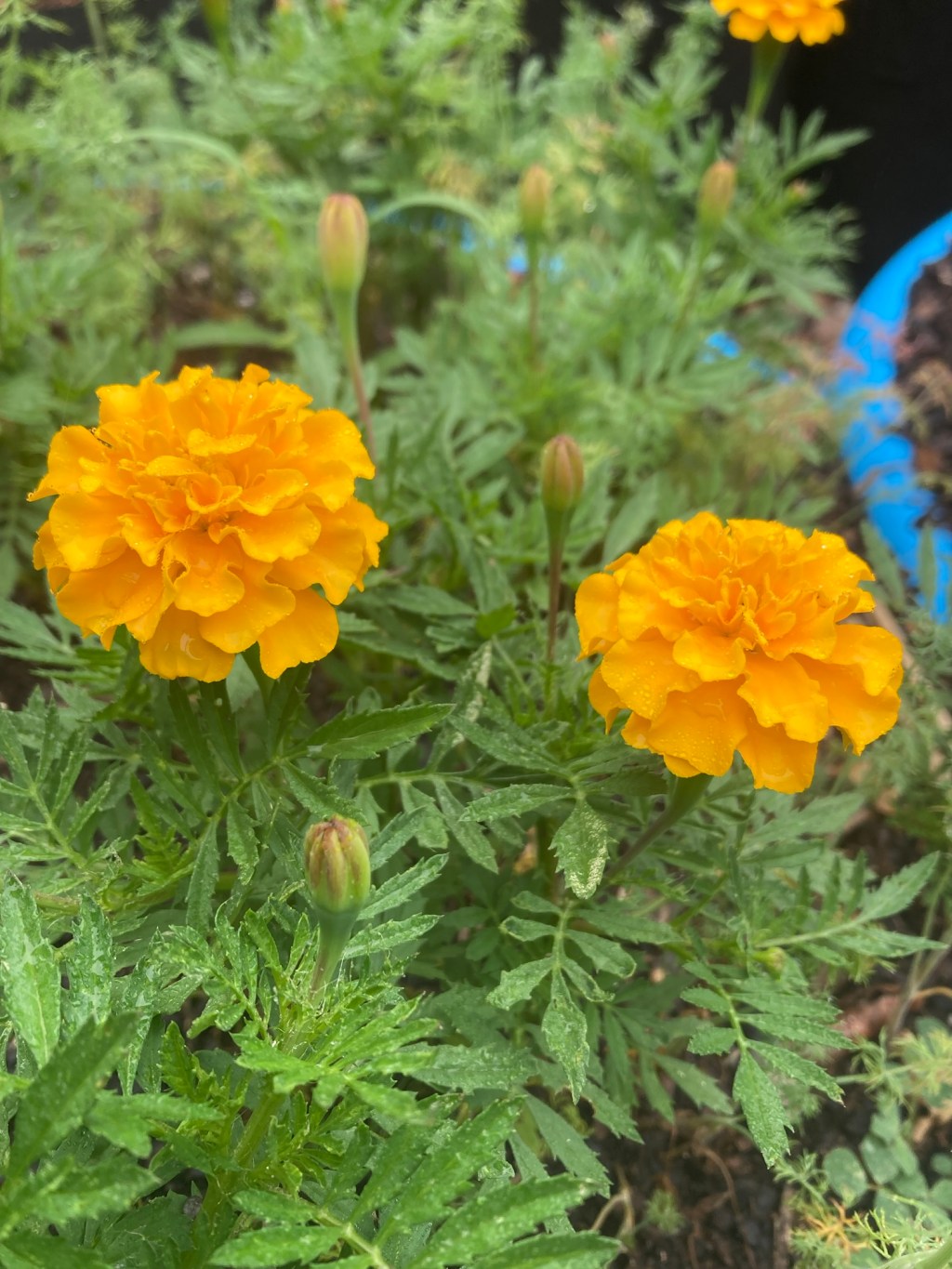
    When we started gardening, we harvested maybe two or three pounds of produce our first year. We were so proud of our shriveled, little radishes and our fistful of basil. Last year, we managed to produce in excess of three hundred pounds of produce as well as collected thousands of eggs from our chickens. We could not believe how simple it had been. I won’t say easy because, at times, it was some of the most tedious and grueling work I could have chosen to do. But after caring for the chickens into their adulthood, the eggs just kept on coming! Day after day after day, the chickens did their goodwork and laid egg after egg. In the later part of the summer when most of the vegetables were ready to harvest, we were drowning in good, quality food we had grown ourselves. It felt like printing our own money. We realized that this should not have been surprising at all. Nature is abundant and abundance is natural.
    I think there is a tendency for us to look at our work from the standpoint of pure effort. I built this house, I grew this food, I fixed this motor, I achieved this, I made that. When it comes to gardening and other pursuits that are more intimately related to nature, you may eventually realize something. That you never really grow anything.

    That may sound strange, but it is true. I don’t grow my tomatoes. The tomato plants grow themselves. I can’t grow squash or basil or peppers, only the plants know how to do that. I may put them in the ground and water them occasionally but the plant knows what it needs to do and does it even without my supervision. It is the same with the chickens. I may bring them feed but they are the ones turning their feed into eggs. I come along and collect when it’s time.

    Nature is inherently abundant. We simply arrange things to allow for nature to do what nature does best, which is produce things in abundance.

    This flies in the face of some preconceived notions I had about living this life. I thought the effort I was putting in was translating into the things I received. When I stopped trying so hard, things kept going on producing without me. It didn’t have to be about struggle, effort, and exertion. I still worked hard and was diligent about completing my part in the process but I didn’t have to exhaust myself in trying to achieve these things. I set the stage and then let nature do its thing. I think our nature works along the same lines.

    By our nature, I simply mean becoming whatever you are and acting this process out every day. I think we have all been around people who are not doing the thing they were made for. They are frustrated and angry, which are surface level signs that they are most likely depressed and filled with the anxiety of something that has not been allowed to become itself. We have met with the mechanic who doesn’t want to be a mechanic. A striking difference between them and the mechanic who actually wants to be a mechanic, wouldn’t you agree? In the first case, they are annoyed to the point of rage by any obstacle or setback, they are short and impolite with their coworkers and customers, and they treat their tools and surroundings with disdain and contempt. Why? Because they do not want to be there, and every part of their daily reality reminds them of that.

    To the person who is naturally a mechanic, a setback is just that and nothing else. Something to get through and get over. But to the person who is already at the edge of their limits, engaged in something they would rather not do, any inconvenience becomes a reminder of their underlying disappointment.

    We each have a nature that cannot be denied. It can be worked with, improved, built upon, and developed but when an individual denies their nature they are in for a world of hurt. The introvert is not going to naturally be inclined to public speaking, an extrovert outdoorsman is not going to be inclined to solitary work in a dimly lit cubicle. That would be like trying to milk a chicken or pull eggs off a tomato plant. If we align ourselves with our nature and with the limits and properties of nature in general, we can achieve great things.

    When things are aligned with nature. then productivity becomes a pleasant process. In the garden, plants that are healthy, happy, and allowed to fully express their nature provide in abundance. I have never seen a tomato plant harassed into abundance, or a chicken starved into increased production. This is why every aspect must be respected in due course. Natural things are productive, and productivity is natural.

    It may not be as obvious in natural settings that there are exchanges being made and mutually beneficial situations being sought out but it is quite common to see these kinds of cost/benefit relationships cropping up in the natural world. They may not use money and factories but make no mistake, plants and animals profit from different resources that are available at different times and they make the use of these benefits in order to grow, adapt, and overcome the challenges of their unique situation.

    Someone’s goodwork may be making shoes, welding, carpentry, teaching, accounting, raising children, cutting hair, sweeping streets, stirring a pot of soup. I believe all work has in it a certain sacred duty that the individual can be a part of and be proud of. We are, each of us, putting in order our little corner of the universe.

    Finding our goodwork means finding positive relationships with work, with wealth, and with nature. Building a community that believes in the benefits, nuance, and the potential of doing good work. Opening discussions as to how we will improve our work going forward, how we will build a world we want to live in and not one we just put up with. This is what Goodwork is about.

    I wanted to share this idea in case there were potential farmers or gardeners who were dissuaded from this pursuit by the thought that the workload would slowly kill them. It is also applicable to anyone who wishes to pursue their own goodwork and fears the immensity of the tasks ahead of them. Look to your nature, and to Nature in general. Nature does almost all the work we claim to do and does it silently, at that. It demands no attention and achieves all its ends.

    “Nature does not hurry and yet everything is accomplished.” – Lao Tzu

  • How to Kill Tomatoes

    How to Kill Tomatoes

    *Disclaimer: this is not intended as a purely instructional article on the growing of tomatoes. For more information on the growing of tomatoes and the processes and techniques we use, reach out through our instagram: @goodworkgardens

    There is no gardening achievement quite like the tomato. Often undertaken by absolute beginners and professionals alike, they are a symbol of the health of the garden as well as a motivating image of the harvest one must get to at the end of the season.

    When we started growing our own tomato plants four years ago, we made every mistake you could possibly make. In starting seeds, we simply tossed them into some random containers of soil, put them in a humid plastic container and set them by the window to give them some light. We saw sprouts after a couple days. They quickly shot up, reaching weakly for the light of our window, then fell over with their spindly stems and died, pale and desperate. Enter: our neighbor.

    A horticulture student at our local university, she had the magic touch. She looked at our setup in disbelief and said three things that changed our routine.

    1. Put their light as close to their container as you can. We bought a long grow-light from our local hardware store and set it about two or three inches above the soil surface. When they sprouted and as they grew, we kept raising the light with them.
    2. Use starter soil. It made a huge difference in both nutrient content and moisture retention. The soil was loose enough for little seedling roots but could also retain moisture so the sensitive sprouts would not dry out.
    3. Put the seeds near the surface and cover them with vermiculite. We had been burying our seeds about an inch below the surface and leaving the soil uncovered. We consistently had gnats in our grow area (our living room). The vermiculite increased our germination success as well as got rid of our gnat problem.

    With her help, we kept learning from our mistakes and kept growing. When the seedlings started getting tall, we called for her help again. She recommended we keep a fan on them to build the strength of their stems. The little breeze signals to the sprouts to “Hold on!” and this develops their roots and stems.

    In those years, we were container gardening in our inhospitable yard. We planted our tomatoes in an assortment of five gallon buckets along our fence and supported them with flimsy tomato cages that are common in gardening centers. When we began to get ripe tomatoes, we were elated. Almost immediately, we understood why harvest festivals have been such an integral cultural practice in every civilization in the history of the world. Harvests seem impossible. That is why they are celebrated with such devotion. The work and attention and endless variables throughout the season distract you from the possibility of a reward. When you finally get to that day, it feels unrelated somehow, and providential.

    In that year, I think we had somewhere around five pounds of tomatoes and random assortment of other produce – chamomile flowers, a couple shriveled radishes, four or five little potatoes. Still, we were hooked.

    The next year, in addition to the container garden in our yard, we also signed up for our local community garden where we were assigned an in-ground garden plot of one hundred square feet. We took the lessons that we learned the previous year and we were off to the races. And we did much better! It was nothing compared to what we do today or compared to professionals but we were increasing our yield and gardening in the actual ground. We learned to bury the tomato starts deep, to mulch heavily, and to KEEP UP WITH THE PRUNING!

    We were still not measuring our yield yet but I estimate we got about ten pounds of tomatoes and maybe a pound of peppers and carrots. Often we would neglect the plot, getting busy and distracted in our day-to-day lives as one does, and we would forget to water.

    After two years of consistent learning, lots of trial-and-error, and becoming more attentive to the garden, we were really becoming skilled. That year, we started close to five hundred plants and sold them in a little street market sale on our street alongside our neighbors. They were all happy and healthy. We had three neighbors who were horticulture majors or professional gardeners and that helped with increasing our knowledge. It also happened to be a wet spring and summer. Our community garden plot exploded with life and it seemed like we did not have to try as hard to get ten times the amount of produce.

    Overwhelmed with the abundance, we began to keep track of our harvests in poundage and type of produce. By the end of the season, we had raised one hundred pounds. Tomatoes, beans, carrots, squash, peppers, radishes, and many different types of herbs. That year changed things dramatically – we finally saw the potential in raising quality food for ourselves and others, a dream which still drives us currently.

    The community garden and our haphazard container garden weren’t cutting it anymore. Our ambition was to do even more and for that we needed more space. I connected with a local who rented his land out. We didn’t need much. We had only managed a hundred-square-foot plot and a few buckets, so we didn’t want to scale up faster than we could handle. After much initial work, we set up three hundred square feet of in-ground gardening space and a coop full of beautiful chickens. That year we grew approximately three hundred pounds of produce and gathered something around 2,000 eggs.

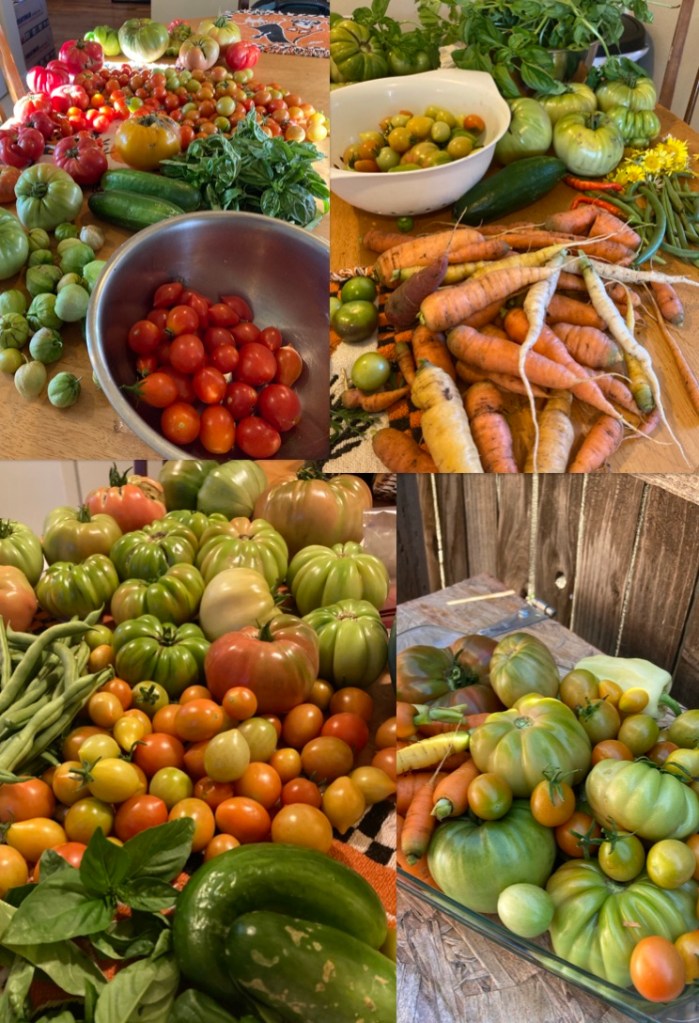
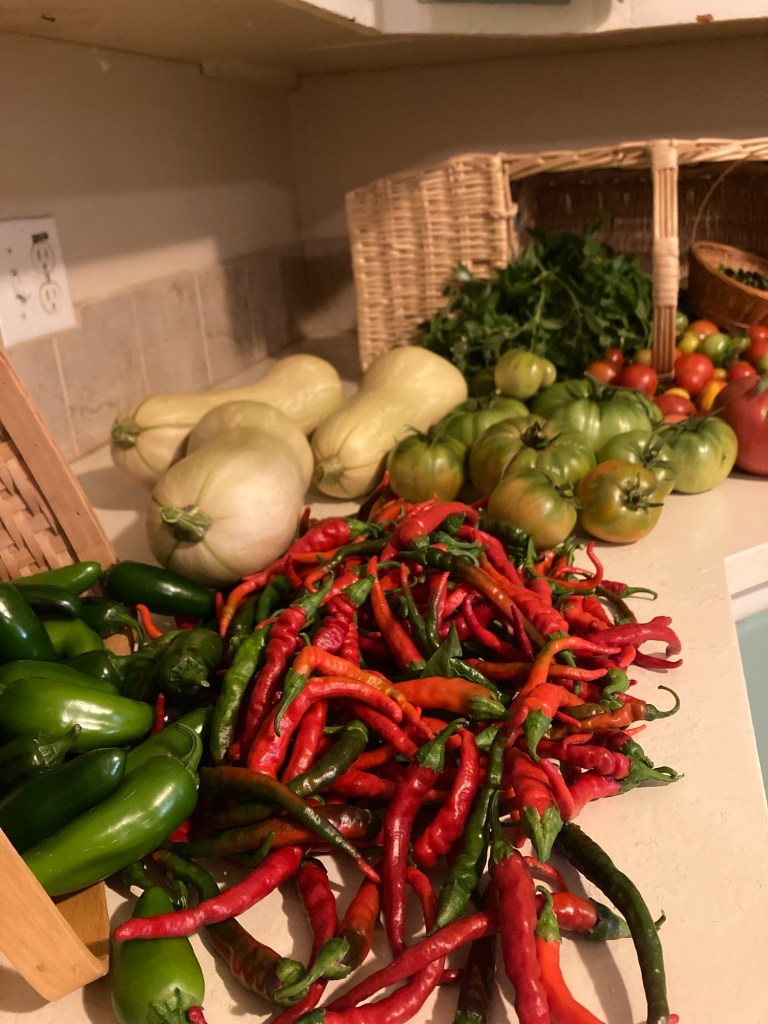
    That year we had grown twenty tomato plants. Fifteen made it to harvest, the others dying of various causes including disease and pests. Tomatoes come in so many shapes, sizes, and colors, we wanted to experiment a little and find out what the best varieties were. Our personal favorites were the German Pink and the Pineapple for cutting tomatoes, the Peron and Roma for sauce or salad tomatoes, and the Prairie Fire and Yellow Pear tomatoes for snacking/cherry tomato varieties.

    Following the tomatoes from seedling all the way to a favorite recipe was deeply rewarding. There is so much to say about this staple crop in its impact on cuisine and culture but that is for another time. For now, I will focus on the growing… and the killing of tomato seedlings.

    This year went a little different than previous years. Here I was, thinking we had this all figured out and down to a science. I thought we could grow a thousand seedlings with our eyes closed. But each year teaches you a different lesson. Each year the circumstances are different, the variables have changed, and you are not the same individual that grew this garden the previous year. It is never the same garden twice.

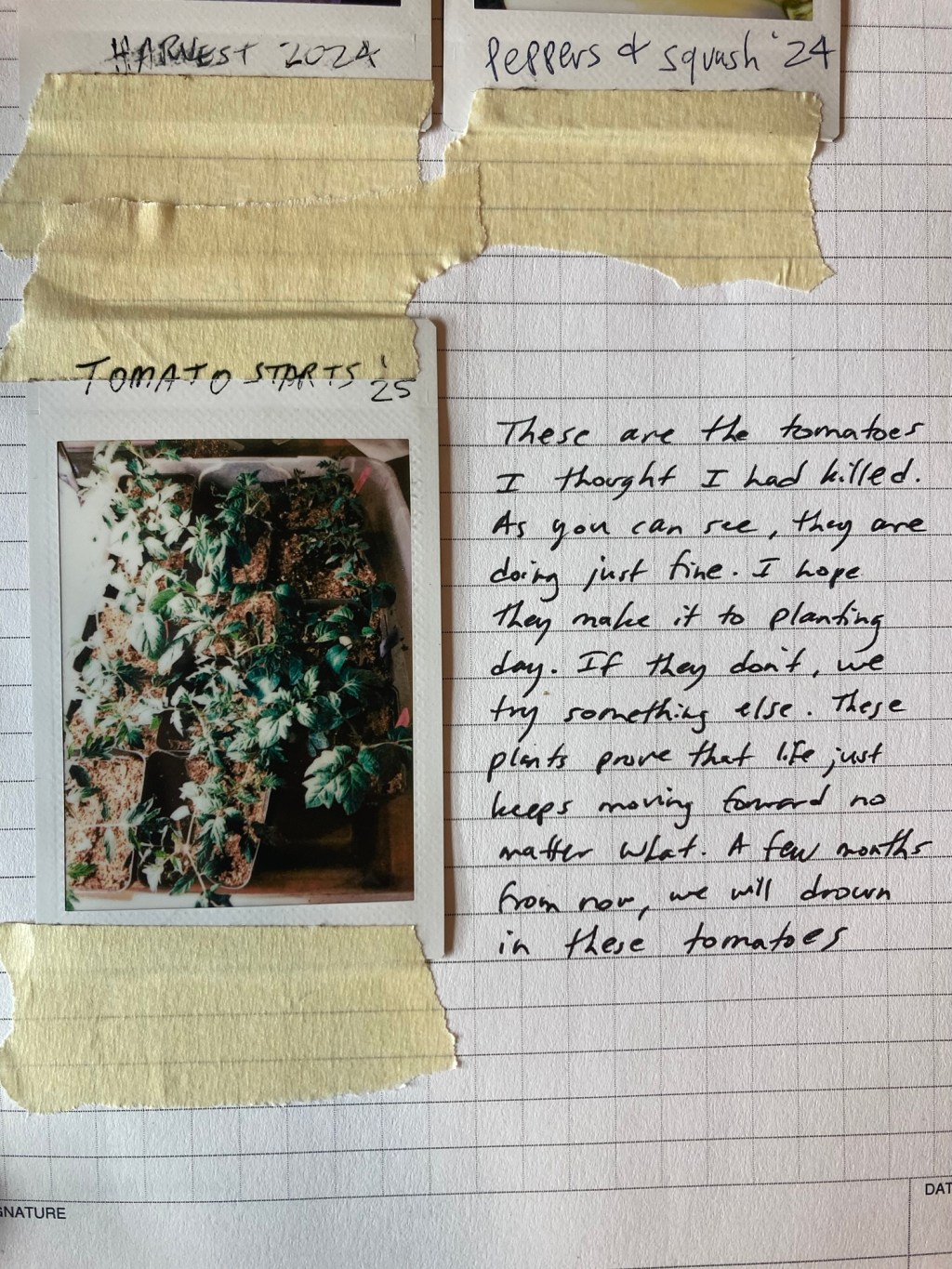
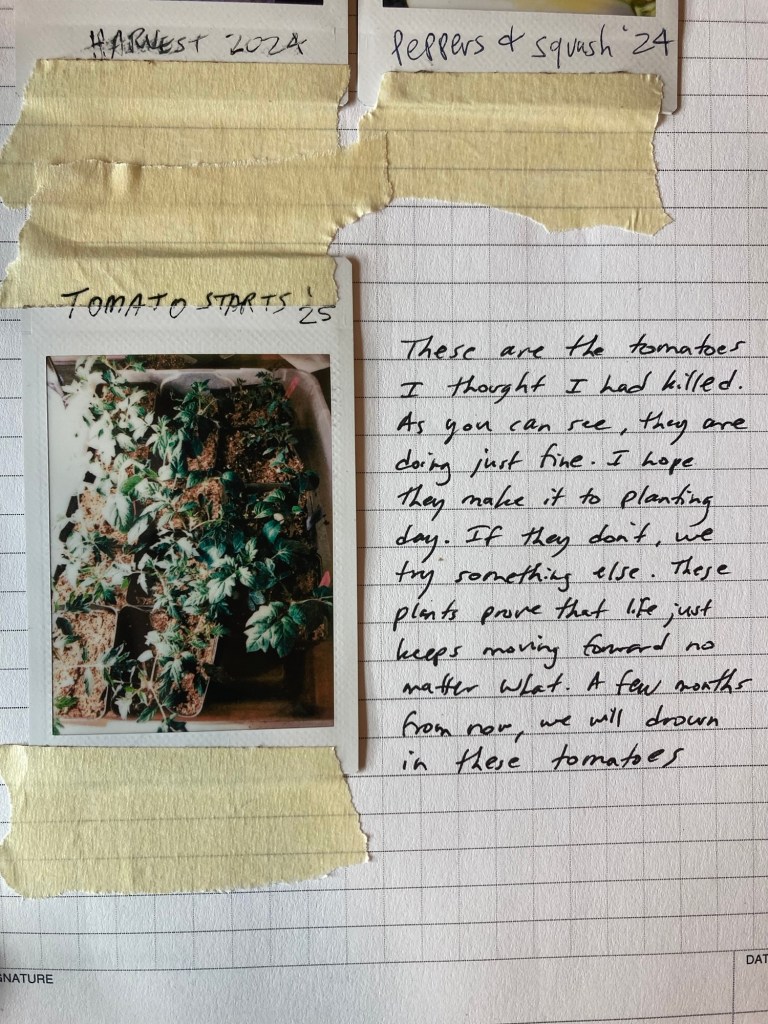
    Of the one hundred tomato plants we started, almost all were withering and dying after the first two weeks of growth. I stressed about the different variables – the soil quality, the watering schedule, the lights we used. Making adjustments seemingly changed nothing. They just kept on dying. A last ditch effort was made and we potted up the little, fragile seedlings to see if the new soil would help them take hold. The hundred seedlings were soon down to twenty-five of the healthiest specimens and we had to compost the rest. I watched them diligently, hoping they would somehow make a rebound before the planting day.

    After just two days, they grew in leaps and bounds. I thought I had killed them. I thought I had pushed them to the absolute limit with neglect. But that little mite of life was still crouching inside them, waiting for the chance to spring back.

    Gardening always surprises me in this way. I suppose that is the message of this particular post. The resilience and potential of life in all respects seems unfazed, undeterred.

    This post isn’t about how to grow tomatoes, it’s about how to kill them. We are always good at that part because it is easy. The path we have taken toward growing hundreds of pounds of produce is littered with the trial-and-error plants we have killed along the way. Each year we kill more tomato plants. Each year we end up harvesting more than we did the year before. The dead and dying plants are evidence of effort, a testament to our attempts. And that is what people must do: fail all the way to success.

    You look at your collection of withering seedlings on the shelf and you think it’s over. You visit your garden beds and the grasshoppers have helped themselves to everything but the bare stems of your herbs and tomatoes. Dejected and hopeless, you are ready to give it up. But some part of you still clings to that image of the harvest at the end of the season. You’d like to give up and go home but you make one last push. Always that last effort. You keep going, you keep working.

    A half dozen farming phrases, dripping with stoicism, come to mind. “Oh, well.” “Tomorrow is another day.” “Moving right along.” All of them mean one thing. Just keep going.

    The leaves are stripped and brown in the sun but you keep watering the beds anyway. The seedlings could not look worse but you pot them up anyway. It may be stubborn persistence or stupid hope but you keep doing the work in spite of the conditions. Somewhere along the way, that mite of life catches and you’re walking through the lush and abundant world that seemed impossible not too long before.

  • Lessons from My Chickens

    Focus on what you can control

    The lessons of life wait to be unraveled from the plainest of circumstances. Collect the chicken eggs and the mind wanders. Work in the quiet and you will learn many lessons. This one is straightforward, though difficult to put into practice.

    When we first started raising our chickens, they were two or three days old. Little, fuzzy chicks are just about the cutest animals there are. As you are watching them in those first days, you want to control everything about their environment to protect them.

    We obsessed over giving them the correct feed and cleaning their water. They love to sit atop the waterer and poop directly down into the tray. Cleaning it became a chore multiple times per day. Chicks are also prone to something called ‘pasty butt’ which is basically a mean case of constipation that their delicate systems can’t handle. We would pick up each chick to check their butts and would perform the procedure of removing their pasty butt as if we were performing surgery. In those first days, we paid them almost constant attention.

    We rent the land that our flock is currently living on, and it is a fifteen minute drive from our house. This fact alone prevents us from controlling a lot of factors that we might otherwise have obsessed over in the beginning. Whether we were turning the heat lamp on and off or checking to make sure all of the chickens got in before their automatic door shut, those early days were filled with a lot of unnecessary trips to the coop.

    It wasn’t until a few months into this that we learned a key lesson. Even if we wanted to, we could not control all of the variables we were worrying about. If a fox got into the coop, we wouldn’t even know about it until the next day, let alone be able to do anything to stop it. You simply cannot live your life listing all of the things that could go wrong – you wouldn’t have time for anything else!

    Though we realized the importance of this lesson, it is not something that people naturally do. Like I said before, it is difficult to put this idea into practice. I told myself I could not control X, Y, or Z variable but the thought of it still consumed me. It wasn’t until later that I would be able to remind myself of this lack of control, as a daily practice, and then go the next step to put those thoughts out of my mind. For me, it was all about repetition. Eventually, it becomes habitual to recognize what you can and cannot control and then to put all irrelevant things out of your mind for the time being.

    Whether it is other people’s emotions or behavior, the state of the world at large, or the basic and inconvenient facts of life, we are constantly reminded of things we cannot control and we must take responsibility to shift our focus to those things we can control. We control our behaviors, our responses to situations, our efforts and how we use our time. We can control what we say, what we focus on, and what we can work toward.

    Everywhere you turn, you will find people who are fixated on listing the things of this world that they have zero control over. They remind you of the various ills befalling people, such as disease, economic hardship, and governmental abuses at home and abroad. Maybe they list some of the atrocities and disasters of history, both recent and remote. What begins in compassion or concern ends in powerlessness. In seeking control, one finds themselves controlled by others.

    Let me be the one to remind you today: it is not your responsibility to care for the world at large. It is your responsibility to put together your corner of the universe. You are not evil, cowardly, or ignorant for opting out of the hysteria in order to be more productive and efficient in your own life.

    I would go so far as to say that the inverse is true. Those people who make a habit of focusing on the things they cannot control are also the people who have little or no control over their own behavior, habits, or paths in life. They make demands of others which they cannot satisfy in themselves.

    This is not to say they are bad people – it is easy to fall into this pattern. Focusing on what one cannot control is easier than working on what we can control. We should remind ourselves daily that we control only a certain number of things, and it is not a shortcoming or a character flaw to focus only on those things we can influence. What would the alternative be? To lose sight of the things we can control so that we may pay attention to the things we don’t? That is the perfect way to lose everything.

    “I do what is mine to do, the rest does not disturb me.” – Marcus Aurelius

    Why does focusing on what we control not sound like enough? Because it is not glamorous. Watering and weeding the crop can be mundane. Focusing on our work has no monuments, no parades. It has no flags or banners. It is simple. Often filled with dirt and toil.

    Agitating under the weight of daily life and its monotony, we begin to look for a crown or a halo, some altar to worship at, some savior to rise from the crowd. Something to save us from the inconvenient task of putting our lives together one day at a time.

    I am not trying to sound aloof. More often than not, the routine of daily life is burdensome. Though I make gratitude a part of my daily practice, there are some days when that little voice in my head chirps up again: “What is the point? What is the point to any of this?” This is not an easy question to answer. Often, one can only answer it with the sum of the effort of their lives.

    I collect my eggs in the morning, plant my carrots in the garden beds. I hope there can be a new universe on the other side of my daily tasks. But we cannot always be looking elsewhere for a life to live.

    We cannot control where we begin but we can control the direction in which we journey. We cannot control the future but we can control the work we do today in the here and now.

    We should not look for things outside of ourselves but cultivate it mindfully in our own daily practices. If you desperately seek love in the external, you will not find it. But act with love in your own daily life and you will have all you want. You can seek money or you can create value. You can shout and beg for peace or you can foster connection and collaboration. You can give yourself over to desiring the results or you can learn to love the process. What world would you like to inhabit? Start building it with the bricks of your own habits.

    Focusing on what we control is part of the essential daily practice of accepting reality as it is. I always thought that accepting reality meant limiting my potential or that it meant others would have control over me. Once again, the opposite seems to be true. The more I focus on the work at hand, the quicker I can begin actually fulfilling my potential. The more I focus on observing and managing my own behavior, emotions, and thoughts, the less control other people have over me.

    There are many different behaviors and emotions which stem from losing sight of our circle of control. These can include comparisons, envy, jealousy, and impatience. We may become convinced that there is nothing within our control and this may lead to much anxiety and depression. Thankfully this is not true. The things we are capable of have always been enough to build a genuine and purposeful life. Don’t let the vague and desperate moans of others convince you that there is “no point” in trying.

    Practices and Meditations

    Learn to use your words. Communicating our thoughts and experiences can be a valuable tool in navigating the world outside our direct control. Just because you cannot control others does not mean you cannot communicate with them in a clear and concise manner. Ask for things you need, set proper boundaries, give a compliment, seek advice on things you are unsure about. Don’t assume others will know what you are experiencing if you remain silent. Don’t assume they will understand you as soon as you say something. This process lasts forever.

    Never disparage the act of trying. With yourself and with others – it is an unforgivable act to take the enthusiasm from someone’s honest efforts.

    Mind your business. Benjamin Franklin recommended the motto on our currency be “Mind Your Business”. I find this as relevant today as it was in 1776, since people seem to struggle with this tenet more than ever. It has two interpretations: the first would be to focus on your work, to be disciplined in commerce. The second would be to keep your nose out of other people’s business. They also seem to go hand in hand, for the more you are focused on your work, the less attention you are able to give to gossiping about your neighbor or passing judgments and regulations on the behavior of other people. Focusing on what you can control, on the work you are capable of doing and which sits in front of you waiting to be done, is the surest way toward peace and prosperity.

  • Sowing Seeds

    Sowing Seeds

    New Beginnings

    While many celebrate a new year in January, the later part of winter is still marked with inactivity and darkness. The seeds are still sleeping in the frozen soil, the days are short and the nights still long and demanding rest. January does not always feel like the beginning of something new but the continuation of a season of pause, rest, and waiting.

    Personally, the year feels new when things grow again in spring. We seek to begin – relationships, work, eras of our personal lives. We celebrate freshness and renewal. The themes of spring’s natural movement are youth, clarity, expectation. And we reconcile ourselves to those natural elements with our own behavior.

    It is in this time of beginnings that I want to begin this project. I call it the Goodwork Almanac because it will follow the cycles of the year. It may also become a commonplace book to sort odds and ends, a journal to record the most noteworthy events, a scrapbook to document memories as time passes. I do not rightly know what it will grow into, for now I am just sowing seeds.

    There is no definitive separation between the end of one season and the beginning of another. They blend around their edges. Perhaps there is a day in March when the sun comes out, or when the dirt at the edge of the yard is exposed from the creeping edges of the snow that melts back. And you say to yourself, “Oh, it felt like spring just then.” We take walks into the garden to see what is returning – the hardy perennials peek out of the frost and snow.

    Think of the “seeds” which you will plant in your life in this part of the year, the season of new beginnings. What thoughts will you allow to take root? What habits will you cultivate and what habits will you eradicate? The proverb says you will reap what you sow – the question asked of you by the very nature of spring is: what will you sow?

    If you plant complacency, you will harvest mediocrity. If you plant focus and commitment, you will harvest many successes. This is not only the time to plant tomatoes, peppers, and herbs for the coming months but also the time to begin new practices, new habits, and fresh plans for the future.

    What is the work that demands your attention? Are you meant for beekeeping, raising sheep, writing books? Are you here to help others through their darkness, create things out of wood and metal, or cook nourishing meals for a restaurant full of hungry people? Maybe you were meant to raise ducks, make cheese, draw cartoons, or push a broom. Only you can know, and only you can find your way to that path.

    “You owe it to all of us to get on with what you’re good at.” – W.H. Auden

    These posts will be a different kind of seed to spread. I want to discuss ideas, plans, techniques, and strategies to navigate this journey that we are on. I claim no professional status. I am a true amateur in all realms. By definition, an amateur is someone who does something for the love of it.

    At the end of the day, I cannot say there is a best strategy or a single answer. All I can do, as a gardener, is spread seed and see what comes up. A certain seed may not sprout here, at this moment, because the conditions aren’t right. Another may view it as the perfect moment to leap forward.

    We sometimes get caught in the mistake of thinking that life is something which happens, a mere event. But it is much more like a medium or a substance which we can explore, interact with, and develop. It is the raw material which we can use to create ourselves. The neglected field will grow just as much as the acre of carefully tended farmland – the difference is the effort and care exerted, the creation of a logical and measurable plan, the indulgence of a dream.

    The perfect strategy is the one that works. The perfect moment is the one we have now. The perfect context for beginning is the one in which we are forced to start.

    Most of all, these ideas I spread are ready for discussion and interaction. I think of the Goodwork Almanac as a forum for spreading beneficial ideas, useful thoughts, constructive discussion, and helpful stories that may inspire others to grow and move forward.

    Planning and Patience

    The early signs of spring are like a densely coiled seed which will eventually explode onto the scene with its usual clarity. First, it must be as small and undetectable as the first white roots in the soil, or the little ripple of light that moves out of the darkest months. The stirrings of life must begin somewhere, and they begin here.

    These things do not happen all at once. The day you plant the seed is not the day you will harvest, but one must begin in order to get to that harvest day.

    It is about humility. Accepting that beginnings are often ridiculous and inauspicious. “This little seedling is going to give me pounds and pounds of tomatoes?! Unlikely!” But it is true. Just as with other things: do not discount the ability of consistent growth and patient progress. (I view this as good advice in general but also a reminder to myself).

    The key is to remember. Constantly remember that this is your life just as it is the seedling’s life, and it is passing by with gradual change and miniscule degrees. It is spring again. How much progress have you made since last spring? How much growth would you like to happen before the next spring? Do not commit the mistake of turning your attention away from this growth, just as you should not turn your attention from the care of your seedlings.

    “The reward for our work is not what we get, but what we become.” – Paulo Coelho

    There will be many distractions. It seems that daily life is riddled with things that demand our attention and drain us of the energy we would like to give to more important things. A few minutes here and there spent in a state of distraction and resignation will add up. It gains momentum as a habit of ‘tuning out’, of forgetting, and eventually it may steal days, weeks, or months per year of your life that could otherwise have gone toward fulfillment, beginnings, organization, connection.

    These posts will also be about remembering the path we want to be on. I am not prescribing paths or espousing answers but merely saying “Hey, wake up, remember you have a path to take, a journey that is your own.”

    I have been lost and would not wish that on others. I have wanted guidance and encouragement and have found only work to do. That is how we start. There are already too many voices that proclaim that life is meaningless, that there is no point, and that we should give up. Even if no one were saying this out loud, the annoying voices in our heads would still repeat this false idea. Part of the drive of this blog is to repeat the message that your life is yours to create, that it can be filled with meaningful action and work, that despair and hopelessness are not the answer, that we can still build a wonderful and powerful life together.

    Practices and Meditations

    Plant ten seeds in little pots of good soil. If you cannot do ten, do five. If not five, then one. If you do not want to keep them, sell them or give them to friends and family as gifts. But it is important to see them and to know them as they grow in this part of the season. Plant the other “seeds” of your life as well! Start a savings plan, start going on walks every day, start smiling and using people’s names when you greet them. Little things matter, they grow into big things.

    Look for the first spark of color in the dirt, the first green tendrils resisting the cold, the first honeybee making its rounds. This is about paying attention. Time moves by quickly when we aren’t paying attention. If we cannot enjoy the little things in our lives, we most likely won’t enjoy the bigger moments either.

    The garden is just dirt at the beginning. It is somewhat unremarkable. We have to be content with being unremarkable when we begin, so we may give ourselves room to grow. Delayed gratification is a muscle we must exercise, a skill to learn, not a natural trait. If you keep your attention on doing the work, you will look up one day and everything will be flourishing just as you intended.