Cultivating the Monarch



Driving by the irrigation ditches in the countryside, you see them pop up out of the grass, open their otherworldly flowers, and sag in late summer with their seed pods. Milkweed grows in the most unassuming and difficult spots. And I would see them mowed down or pulled out of the edges of people’s landscaping and it felt like a kind of insult. Something so weird and spectacular and thriving in the most difficult circumstances, cut down without a second thought. The world must go on but we don’t have to be anything like the world. I love milkweed and I want to cultivate it as widely as I can. I want to sow its seeds in the soil of the mind.
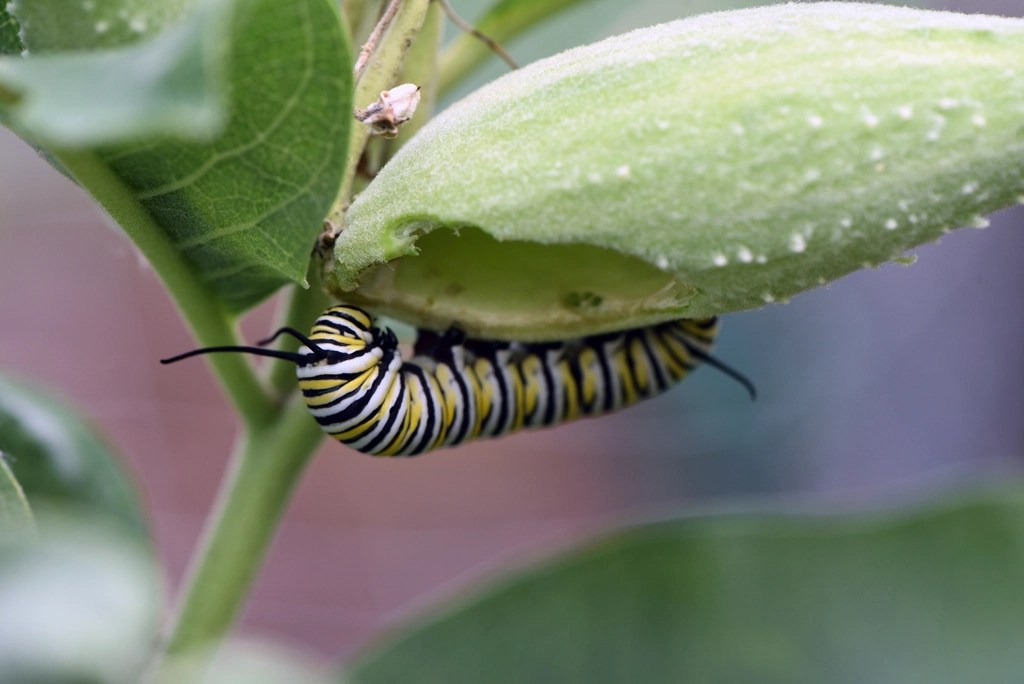
Milkweed is the primary source of food for the Monarch butterfly in their caterpillar stage. The black, yellow, and white striped caterpillars are beautiful to behold and seem made for milkweed as a natural pair of alien creatures. The Monarch’s numbers dwindle and struggle with continued loss of habitat and its main host plant, the lovely milkweed.
This is where we may enter, if we wish. A long time ago, I noticed a tenacious milkweed plant setting its strange-looking seed pods at the edge of a field butting up against my vegetable garden. In the beginning of winter, I took a seed pod and opened it to collect the seeds. I spread them in the field and in the garden. I took some home to winterize them, a practice called ‘cold-stratifying’. In the spring, I planted the seeds and hoped they would flourish.

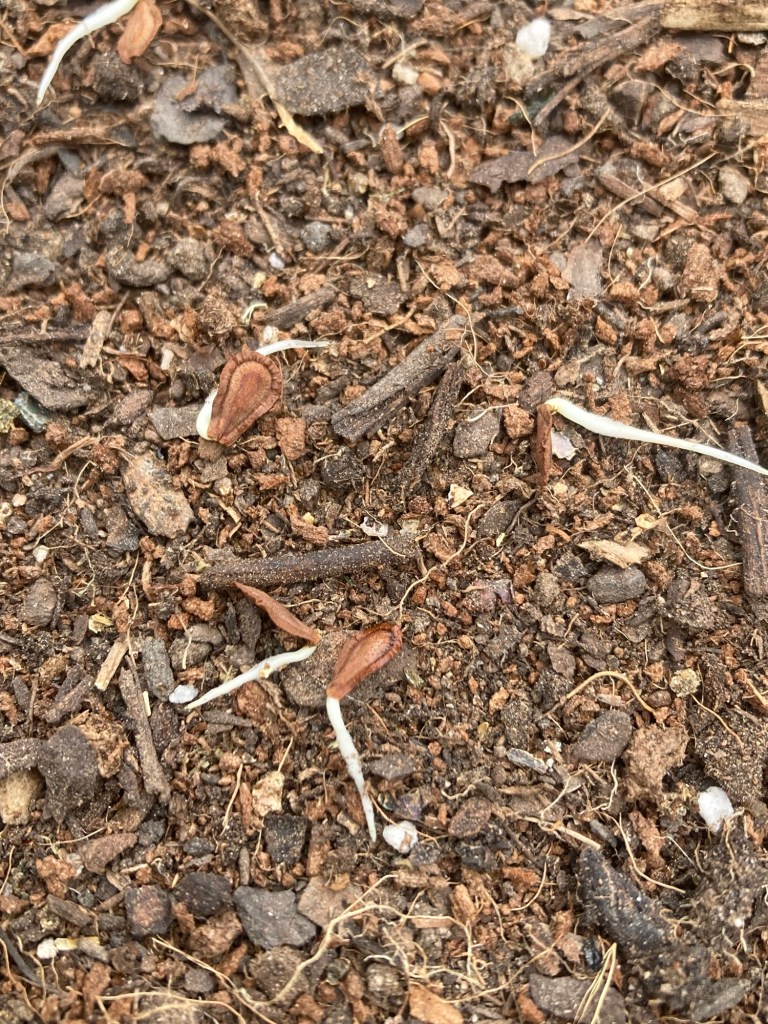
If you decide to undertake this project with me, be careful when handling any part of the milkweed plant. They exude chemicals which can really irritate your skin and eyes. I knew this in theory but still learned the hard way when handling the seeds. Don’t repeat my mistake!
The plants sprouted and rose to about five or six inches tall. I was elated. Then the heat of late summer hit, they didn’t grow much more, and the first frosts of fall came with no promises for next season. When the following spring came (this spring, 2026), I waited for the first signs of milkweed coming up. I was pleasantly surprised to see a handful had survived the dry winter.

We did not get as many as we would have liked but it was a blessing even to get a few in our garden. As stated in previous posts, I would be ecstatic if we got a Monarch to visit our garden and would be surprised if they selected our garden to lay their eggs but we still keep hope alive.
Monarch butterflies will overwinter in Mexico and then migrate North during the summer months, searching for milkweed on which to lay eggs. I have not personally seen them use any milkweed plants in our area but that is also because the plants are few and far between.
The goal of this project is to spread the milkweed plant in order to cultivate more breeding grounds for the Monarch. It is a project I hold dear and which is in its initial stages, to be frank. I have about three clumps of milkweed in my garden and cannot do much more, as I rent my current living space. I figure every little bit helps for now but I dream of one day being able to plant whole fields of milkweed and to witness the Monarch migration and to be part of it in some humble way. I also wanted to spread awareness and invite others to be part of the project as well.
There are many resources online to assist in this aim. You can order milkweed seeds online or get them from local vendors. There are several types of milkweed to select from. Showy Milkweed and Common Milkweed are the most frequently recommended for growers in North America, though do your research as to the types which are native to your area or would thrive the best in your climate.
Adult monarchs also need nectar, meaning other plants can be valuable in their lifecycle as well. Blanketflower, aster, and many types of Goldenrod can provide nectar for the adult butterflies, while your milkweed provides a home and food for the larvae. Avoid using insecticides and other chemicals that may damage the lifecycle of insects in your garden.
One may also spread milkweed seeds in marginal spaces or wild areas. I take pleasure in my evening walks when I pass by a few milkweed plants that thrive in the stone borders of a neighbor’s yard, just outside their fence. No one seems to mind their presence and they are typically allowed to grow to maturity throughout the season.
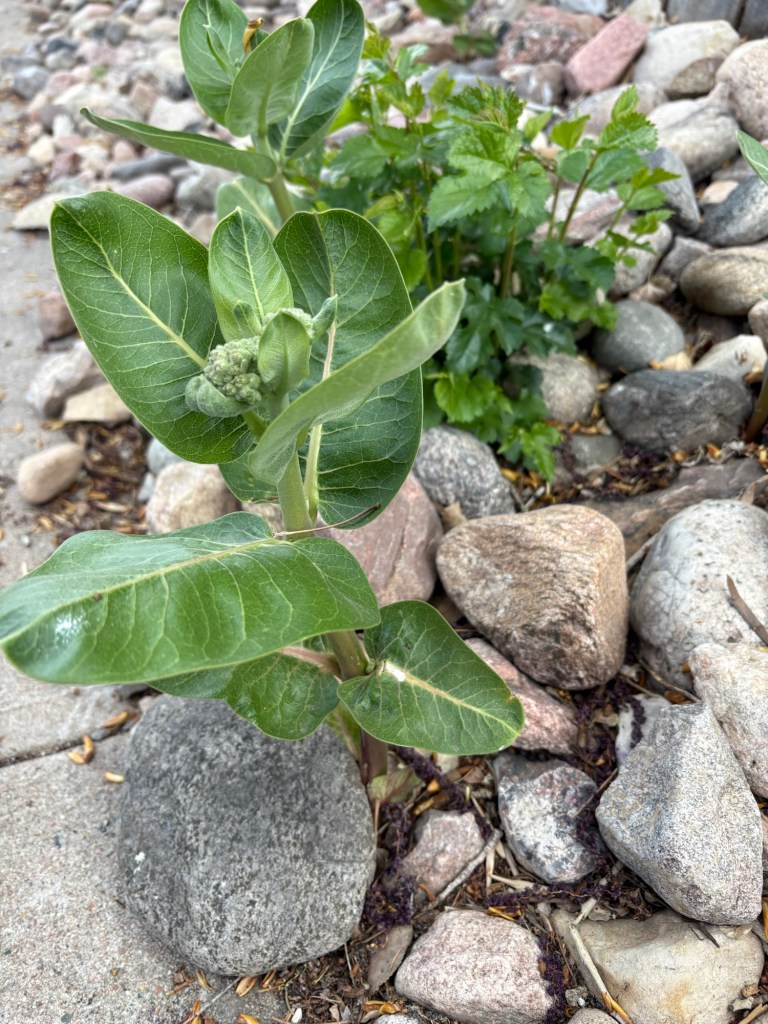
I always keep my eye out for any Monarchs that may use these as a home for their larvae. And I hope nobody cuts them down, taking them for a nuisance weed. We focus on what we can control. Adding a few clumps of milkweed to our gardens may not seem like much but if many people did this, there would be many potential sites for a Monarch to choose from. Every little bit helps.
I will continue to document the efforts of Project Milkweed in future posts and will, of course, provide updates if a Monarch chooses our garden as a home. This is one of those long term projects that takes place over the course of a lifetime. Each year I hope to do a little more and to bear witness to the growth of it.

