Tag: mindfulness

  • Midsummer

    Growth is not the Goal
    We have arrived at the longest day of the year once again. With this and other astronomical events, I have always enjoyed a meditative pause on the passage of time, the slow evolution of the season, and the deepest expressions of nature that pour out of every corner of the landscape and become like recognizable features of a close friend. You can get to know them and see their moods and traits returning each year and you can celebrate them and love them. This year is no different. We celebrate the longest day, bask in the generous helping of summer light that we are given, and meditate on what this means in itself as well as what it means for the months to follow.

    As I look around the landscape, it is overflowing with lush, green foliage that felt almost impossible just four months ago. The longer days give themselves to an abundance of activity and you can see it in the faces of the people you pass in the street. We are all going somewhere, doing more and planning more, overwhelmed with the possibility a day holds which in winter was only a hope. Getting off of work in the dark does not really add to one’s motivation but when the sun is out until nearly nine o’clock, suddenly the day takes on so much added possibility, you are inclined to take advantage of the extra time. We may never think of it consciously but our internal clock, the wisdom of our bodies, remembers the cold and dark nights that last so long in December and January. It is urging us to explode with as much life as the landscape in which we find ourselves.

    It is important to stop and note this longest day, as it will soon recede into late summer evenings, and then the crisp days of fall and finally, like a rising tide, the winter will come again. On some level, we must remember how constraining the winter can be so that we can more fully enjoy this summer season. Here we stand on the precipice and then we begin our descent again. It is a time filled with meaning and passion, here for us to act upon if we wish.

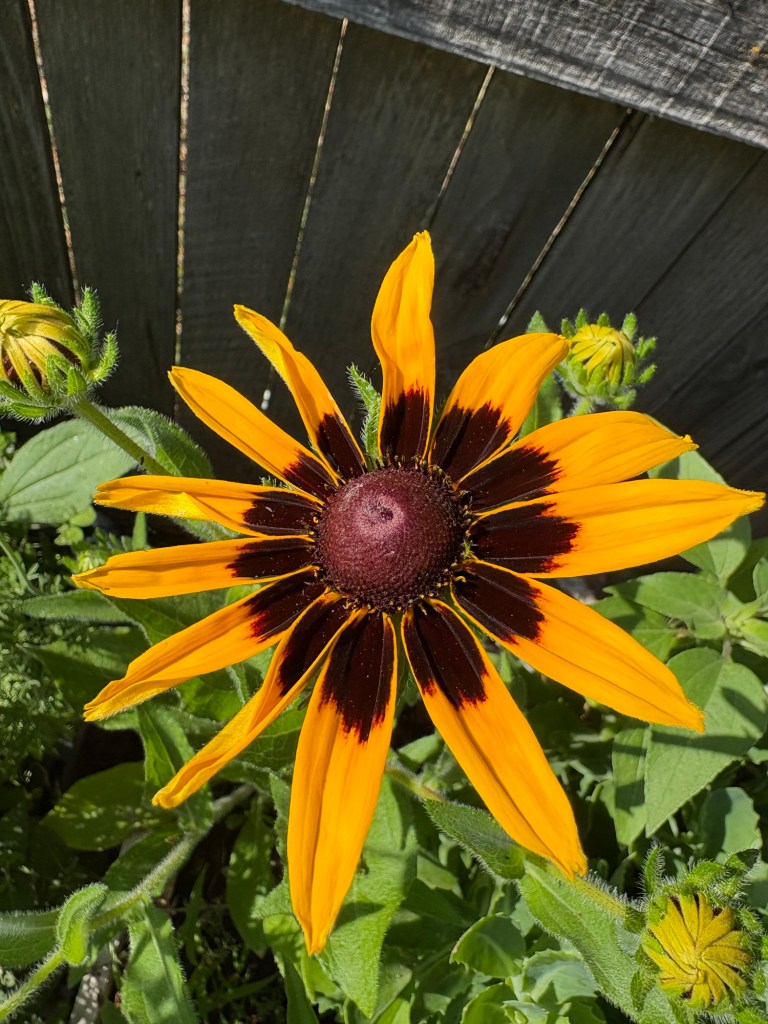
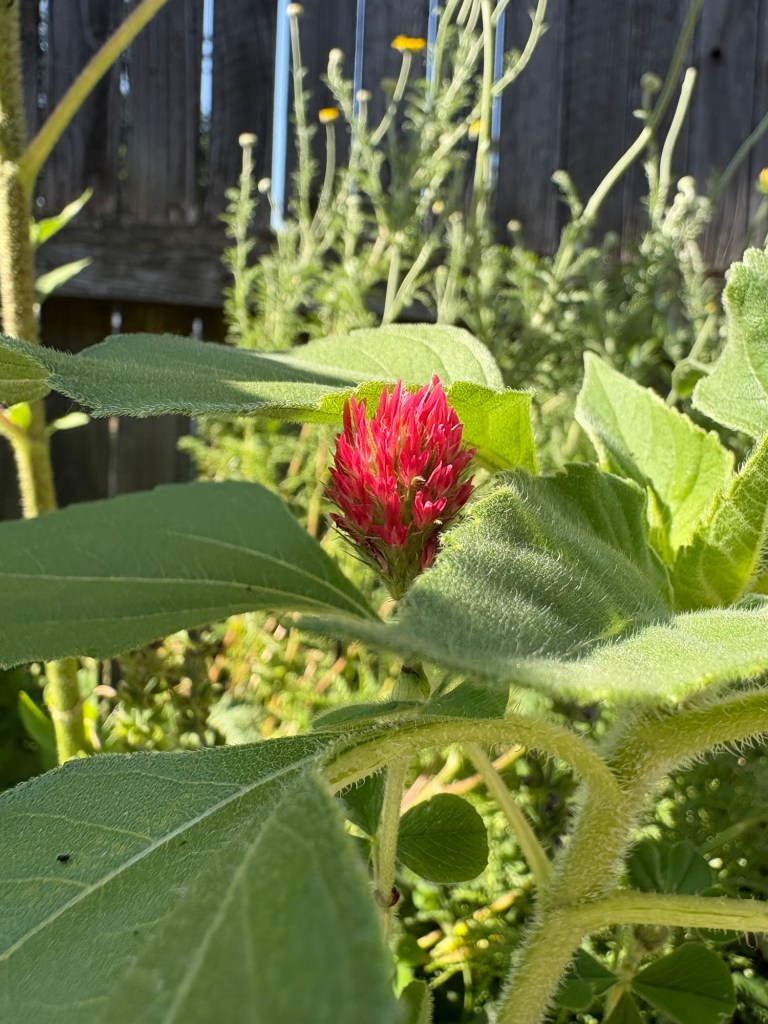
    Nature provides us with many relevant metaphors for the living of our own lives and this season is no different. I looked around the garden the other day and realized an important truth about gardening and life in the midst of June: everything is overgrown and almost heavy with life and yet this pinnacle of light, the solstice, cannot be considered the end goal of all this abundant growth. It is almost as if this outpouring of growth is the construction of an intricate background which will decorate the stage on which the real activity will begin to play itself out. Growth is not the goal. Growth alone cannot be called fulfillment or purpose. Growth plays toward the fulfillment of some purpose outside of itself.
    Imagine a fruit tree which becomes dense with new branches and leaves in the spring and is thickly covered over with this life in midsummer. How ridiculous it would be to assume that this was the endgame of all its efforts. Of course, we can say, this is only really the beginning of its effort to set flower and fruit, to become full and heavy by late summer and fall, to strive toward that all-out expression called the harvest. The attainment of perfect expression for a flower is its open blossom, not the thicket of greenery it produces in late spring. All of its effort in unfurling its leaves is effort towards attainment beyond itself.

    Growth is not fulfillment. There is a distinct difference between growth in certain areas of your life and finding purpose and fruition in these areas. The difference can be seen in the separation of quantitative measures of success and qualitative measures of success. You may have a lot of money – this is quantitative success. But what are you able to do with it? This would be a qualitative answer. You find yourself overwhelmed with activity and surrounded by relationships but what meaning do they create, where are they going? You build muscle in the gym, maybe lose a certain amount of weight, you can lift XYZ number of pounds in deadlift or squat. But what do you do with your bodily strength and energy? Perhaps you build strength for its own sake but the purpose of strength can be found in some applied good, some purpose outside of itself.
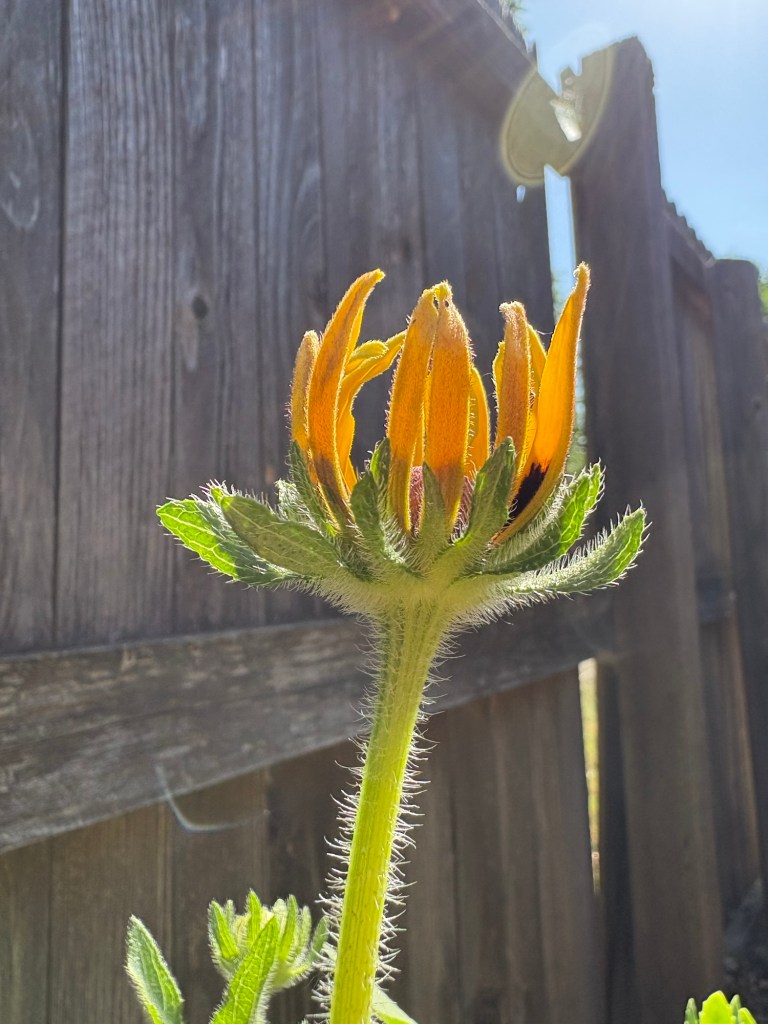
    This midsummer, I wanted to meditate on the idea of measuring success qualitatively. We may be used to ascribing a numerical value to our successes because this is the easiest way to measure progress but our progress can also come in how we feel in our daily lives. We can progress in how much we believe in the effectiveness of our effort, how much we believe in our internal locus of control, essentially. The timid and unsure novice attains experience, mistakes, and finally the proof of their success. The evidence of their success may be quantitative but the fact that they proved to themselves that they were capable is a qualitative measure. We could measure our success by the level of independence we have created – perhaps we no longer rely on the day job and we can do more of the things we are truly passionate about.

    A huge achievement for many would be creating a life you do not want to escape from. This cannot easily be measured quantitatively, it is a quality of life we must find for ourselves. Doing the same things with much less fear and anxiety is a massive success but a success which is not as easily measured as money in the bank. Some people work tirelessly for tangible wealth while others work to be free from the people their circumstance has forced them to be around. Being able to live your life around the people you most want to spend your time with is a win. It means bliss and success.

    Often, we get entranced by convincing others we are doing well rather than pursuing the goal of actually doing well. Proving our success often inherently comes with quantitative measures, as that is the easiest thing for others to see and measure in someone else’s life. How many houses and cars do you own, how many vacations do you take, the list goes on. But the qualitative measures are personal, refined, and difficult to express to someone other than ourselves. Contentment, fulfillment, purpose, a commitment to life, a meaningful connection to others. These can be difficult to measure and difficult to display for others but if you have a trained eye you can recognize it right off.

    When you see someone truly living in their purpose, there is a hint of it in every move they make and every word they speak. They live comfortably in the world and in their skin without being affected by others or by circumstance. Their preternatural calm is infectious, their faith in themselves and their abilities dyes every moment with confidence. If you are attuned to this reality, you can see it. If you are not, you will be looking for some sign or quantity with which to measure their success and you will lose yourself to irrelevant calculations.

    This is not meant to discard quantitative measures entirely. This is not meant to dismiss growth in all areas of your life as unimportant. Because growth, in us as in the natural world, must precede the deeper expressions we can make of ourselves. As I mentioned earlier, the massive undertaking of growth in spring, at its height in midsummer, sets the stage for the fruition that takes place later. Wealth, strength, influence, connection – growth in these areas is an important prerequisite for qualitative success in other areas. Having resources means having more options, which means having the responsibility of impactful decisions. Having strength and energy means having the ability to do more for others and for yourself, it means developing a larger bandwidth for life, to show up for your relationships and community in ways you would not be able to if you had not developed such a capacity.

    The key is not to get caught up in quantitative measures for themselves. This is where shallow obsession with cash comes from. This is where the hyperfixation on GDP and economic growth comes from, separated from wellbeing and standard of living. Steroid abuse, diet trends, quick fix drugs, destructive mentalities tied to impersonal measures of success. The capacity for growth, turned back on itself rather than aimed at a higher purpose, becomes malignant and inhuman. The human world has gotten caught up in the sterile and numerical measures of life and, as such, no qualitative success can develop from it.

    On its surface, this may appear to be a strange lesson to learn from the longest day of the year. It feels necessary and relevant. Though we may not consider it, we are still deeply embedded in the ebb and flow of the seasons and the solar year, the movements of nature and its deepest lessons. It still informs our lives though we think we are separate, above it. Looking back to the shortest day, looking ahead to the dwindling light of fall and winter, we find ourselves on the precipice, bathed in light and potential. We take the time and the growth for granted, but we do not have to.

    Meditations and Practice

    Where in your life have you done well quantitatively? Net worth, athletic achievements, awards and accolades, number of projects completed? Now, what measures of qualitative success can you find? Which seem the most important to you and which would you like to cultivate over the next year, from this longest day to the next? How would you like to feel in the next year and what would you like your life, relationships, and work to look like?

    Practice the balance between quantity and quality. Try to make the same or more money (quantity) doing more meaningful work (quality). Try to spend more time (quantity) pursuing goals of connection, awareness, and authenticity (quality). Incorporate more projects or activities in your life which do not have a clear return or measure and see what qualities you can find in them or in yourself which you had not experienced before.

    Thanks for reading!
  • The Problem with the Present

    The Problem with the Present

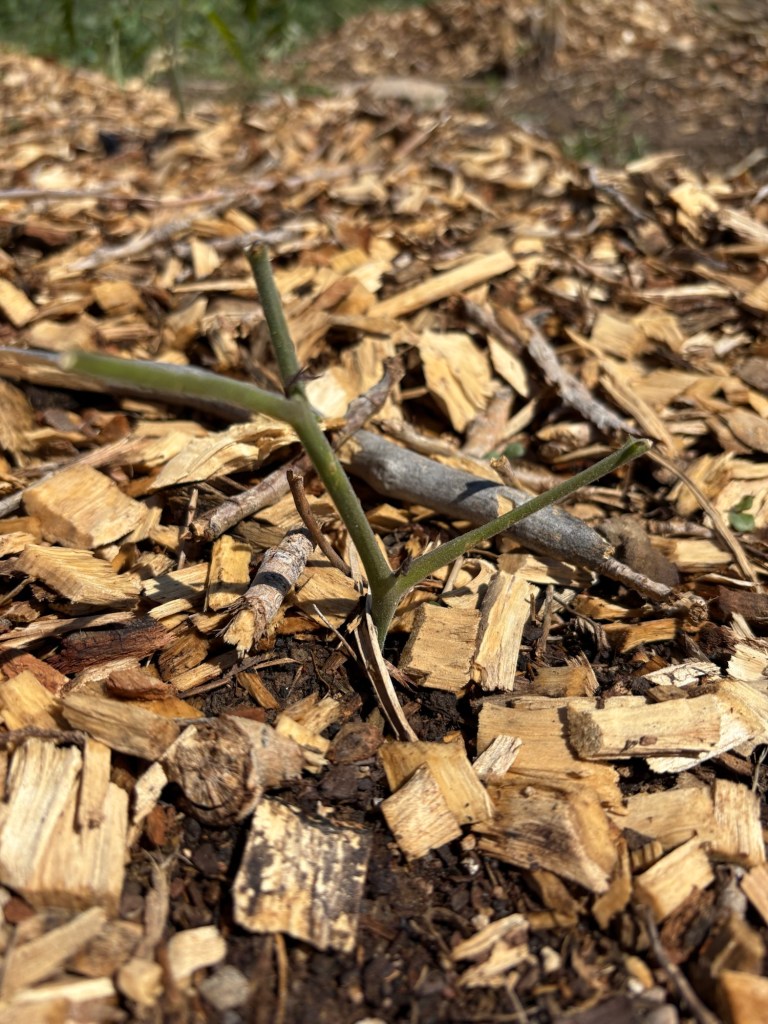
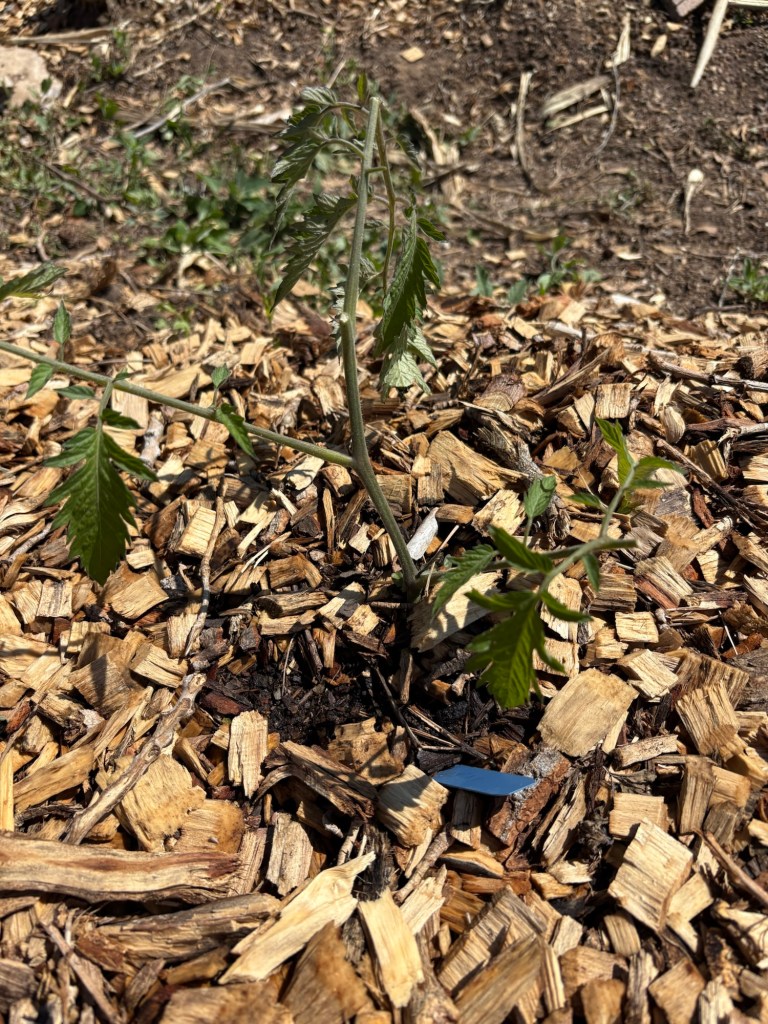
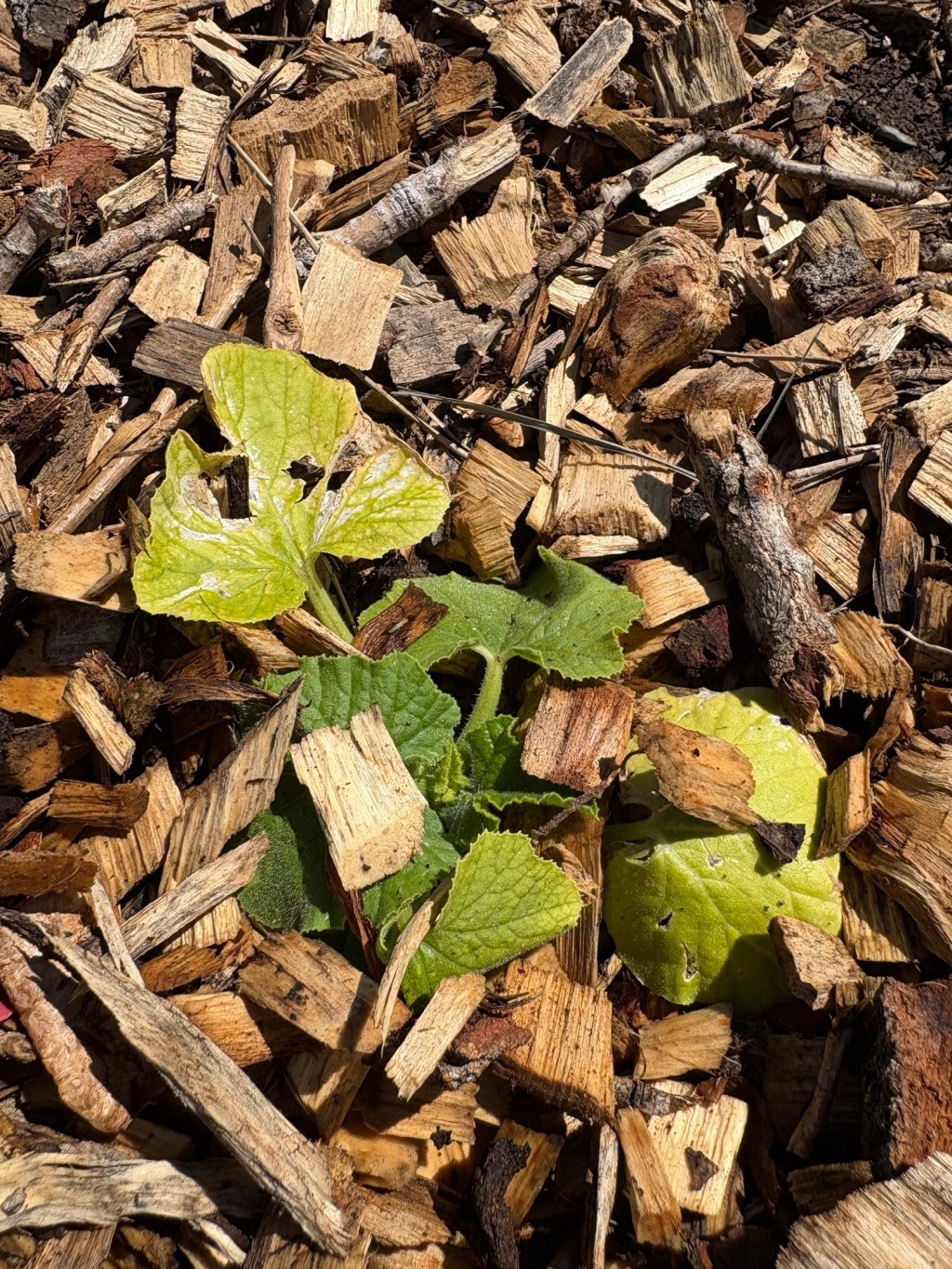
    It is that time of the year in the garden. The plant starts have all been transplanted, the seeds sprouted and everything looks… terrible. The garden is currently suffering in its early days. After transplanting, our tomatoes, cucumbers, and squash were all distressed and doing their best to recover. They are wilted most days in the sun, turning yellow as they reach their roots out for more nutrients, and the bugs just love to gorge themselves on the weak little leaves! Some animal came by and helped themselves to the tops of some of our tomato plants, so those are gone. As an added kicker, there is a bumper crop of weeds due to a lovely spring rainfall we have been having.

    The present is all there is. Yes, and that is sometimes the problem. How many different voices are out there, trying to remind us to live in the present or experience the moment?

    Buddha said “Don’t dwell on the past, don’t dream of the future, concentrate the mind on the present moment.” Albert Einstein said, “A happy man is too satisfied with the present to dwell too much on the future.” Thich Nhat Hanh said, “Only the present moment is real.” I love all these thoughts. The people who have expressed them were much more intelligent than I am. But whenever I heard this advice, or different versions of it, I always felt some discomfort in it. As if there were something more that this was missing, a little thorn in my mind that demanded to add its two cents to the popular sayings of mindfulness. I guess it would be something like: “The present is all there is… and sometimes that sucks!”

    I really want to labor the point that I love the practices of mindfulness and that I think living in the present moment is a habit we could all cultivate to improve our mental health and clarity. It is important to remind yourself that the past is past, that the future is not here and not within our control. Those are useful thoughts.

    Consider this hypothetical – your friend comes to you in despair and says they are going through one of the hardest times of their life. Everything they do seems to go nowhere, everywhere they turn feels like a dead end. Their daily life feels futile and unfulfilling and they have begun to feel quite lonely as a result. They turn to you for a word of wisdom. You say, “Don’t worry, this is it. This is all there is. Live in the moment!”

    In this particular moment, this thought is not useful. For someone going through the difficulties and pains of existence, it is precisely that the present moment is all there is that their suffering feels protracted and insurmountable.

    I am being somewhat dramatic to make a point. And I am definitely not comparing the difficulties of life with a few wilted tomato starts. These observations point in the same direction. The present is one piece of what we experience, whether we like it or not.

    Reality can be devastatingly unsatisfying at times. The urge for alternative pathways in life, the myths we tell ourselves about do-overs, the thought that it could all be different if we just change this or that element – these things are not going anywhere anytime soon. They are part and parcel to the regular woes of living, and we should probably learn to navigate them if we are to attain a peace that we can actually enjoy in the present. If an individual feels the present to be unsatisfying and painful, do we console them by saying that’s just how it is or do we tell them “The good news”: the fact that we can work toward a future that is more promising, more satisfying!

    Sure, there are pitfalls and mistakes to be made along the way. You may end up living entirely in the future and feel anxiety in that regard. You may accidentally cultivate an unpleasant attachment to the past. If you are not careful, you may arrive at your destination only to realize that your desires are self-perpetuating and will leave you unfulfilled no matter how much you achieve. These are all things we must consider as we make plans and work toward our ideals.

    Properly handling Past and Future is difficult work. It is dangerous. It is the sign of a mature person when they can walk through their memories without setting up camp. Or in building a plan for the future that can change how they act today in their habits and relationships. It takes courage, discipline, and not a small dose of humility.

    Driving comes with a lot of dangers and risks as well but we take the time to teach people how to do their best to get where they are going while paying attention to all the hazards of the road. It still doesn’t help some people – they’re insane and they’re all on i25.

    The past.

    When living in the present moment, it is quite common to stumble across a random memory you did not know was still floating around. At times, they are quite painful. Other times, they are more enjoyable than our present moment and we feel a sickness called nostalgia.

    Often, I will be working away when I am flooded by a sensation of memories that dislodge my very Being. I am inundated with details, old feelings, names and faces, all the old situations I thought I was done with. And I ask myself, “What do I do with all this information? What do I do with all these memories?” Memories aren’t grass stains, they don’t just wash out. Push them down, keep them locked up, they keep on appearing.

    I was in my garden the other day when one possible solution came to mind. Memory as a salve, memory as a tool.

    As we know, my garden is particularly disorganized and sickly looking right now. Looking out at this devastating sight, I remembered what the garden always looks like during this time of year. Hopeless, wilted, defeated. And then something happens in late June, early July. You kept watering, you kept weeding and all of a sudden everything bursts forward.

    In the present moment, when things look horrible and you think defeat is the only outcome, it may help you to search your past for other moments when things seemed bleakest.

    We also want to steer clear of romanticizing the past. Don’t look back and say, “it was better then.” Look back and ask, “what did that moment have that I can recreate now for the benefit of all?”

    Sometimes, memory may just be about cultivating simple pleasures. When I was 17, I loved the lilacs blossoming in spring. I always felt the urge to cut them and put them in a vase inside. I wanted to possess them and keep them. But I thought to myself how much deeper my experience of them would be if I simply committed them to memory. “I’m taking them with me right now,” I thought. The cut flowers would have faded inside a week but those lilacs will bloom forever in the light of my memory.

    The present.

    It can sometimes feel that people are overly mystical about the present. But there are, in my mind, just as many shortcomings to be had living in the present as in the past or future.

    Our estimates of the present can be just as inaccurate as predictions of the future. You would think we would be able to size up the present situation fairly well, since we are rational creatures and we have the advantage of living in the present moment – we are in it, rather than judging it piece by piece from a different era.

    In reality, we have a hard time analyzing our situation without involving our preconceived notions and biases. We can just as easily come to an incorrect conclusion about the present as we can in trying to make a prediction of the future.

    You may train yourself to live in the present moment but you still fall victim to making incorrect estimates of the opinions of others. You focus on things you cannot control in the moment, you focus on things that are none of your business in the moment, you use this information to make decisions in the moment that decide your habits and then your fate.

    With the present feeling somewhat unfulfilling occasionally, it is natural to look around to compare our situation to someone else’s. This would be a grave error. Not only does it lend itself to envy, it may cause much confusion and anxiety in regard to whether or not we are on the right path. When we compare our present to another’s, we might be comparing our day 1 to someone else’s 10 years of experience. We may become overwhelmed because we don’t “have it all” right now, when we could very well work towards getting what we want over the course of an entire life. You may be able to get everything you want, it just may not be all at once.

    The future.

    When we consider our memories and our perception of the present, what are we left with? The present is a little unsatisfying, memories are a little painful. Life is a bit unsatisfying and painful. So… now what? The mind turns toward the future.

    Looking to the future has gotten a bit of a bad reputation. It is commonly associated with anxiety, fear, and visions of apocalypse. But just like anything else, it can be useful when taken up by the right handle.

    There are going to be some things we know about the future. We know there are going to be hard times, though that probably isn’t very exciting to think about. Then again, knowing is somewhat comforting. There are going to be uncertainties and questions. There is going to be work.

    You will do everything you can, because that is all there is you can do. You will be you when you arrive but you may be something else afterwards.

    There are going to be different seasons of life, though you may not know what order they’re coming in. In nature, fall follows summer. In our lives, we do not know what follows.

    Marcus Aurelius said that we should not worry about the future because we will show up with the same weapons that currently arm us against the present. If you know you can endure pain now, then you know you can endure pain in the future with the same tools at your disposal.

    When you come across someone who has absolutely no plan for the future, it shows in the quality of their life. They don’t think about the consequences of their actions or the long-term effects of their present decisions. They say things like “we only live once” and “why not, there may not be a tomorrow!” but then tomorrow comes… and it keeps on coming along, one tomorrow after another. These people give themselves much more pain when they sacrifice the future for present gain or temporary pleasures.

    The world is full of people making decisions with little or no thought to future consequence. Agricultural practices that are focused on present production sacrifice a part of their future sustainability. They have cut themselves off from part of their potential because they were mystified by what they could do in the present moment, what they could get right now. Delayed gratification is a sign of maturity.

    “To plant a garden is to believe in the future.” Audrey Hepburn

    Some months ago, I was working with one of the worst coworkers I have ever experienced. He was rude, vulgar, had no sense of boundaries, did not have any work ethic, was constantly spewing his negative thoughts and opinions, and would never stop talking. The work was just as repetitive as he was. I was working nights during the winter and did not get a chance to see my fiancée very much, as we had opposite schedules. It was a difficult time.

    I remember on a particularly challenging night, I was close to losing my mind. I wanted to walk out of that place just to be rid of that discomfort. But I tried to breathe and I consoled myself by repeating the phrase, “You’re going to keep going. You’re going to get out of here.” It was at that moment I realized one could just as easily console themselves with the future as fret over it.

    If we never considered the future, we would never start anything worthwhile. We would look out at a dusty field and say, “I guess that’s it.” If we did not picture the harvest in our mind, we would not sow. Sure, it hurts to think about the things we do not have, sure it is painful and self-sacrificing to begin the long work we need to do in order to achieve our aims, but the mature person knows the future has more potential than the present as long as they keep showing up.

    Sustainable practices are about looking at what we do now and deciding how long we can keep it up for. Sacrificing the future for present gain is how we get exactly where we are now. Sacrificing a part of the present for the sake of the future is sustainable, is delayed gratification, is the tradition of great civilizations and communities.

    Conclusions

    Is this post still about gardening? The garden is a metaphor, it’s about life! I pull the carrots, and they teach me about economics. I plant tomatoes and I am learning the oldest lessons in psychology. It’s all there in the garden because it’s all connected. I am a metaphor farmer.

    So, what do we do with more than our fair share of past, present, and future? The key is to focus on what you can control. You can look into the future and make a practical savings plan because you can control how much you start to save now, today, this moment. You can plan projects, events, and achievements because these things involve you and the things you can do now, they involve your habits.

    You cannot control the past, but you can control what you tell yourself about it. Was it an embarrassing disaster or a learning experience? I would say we look at our memory as a bank of wealth that we have at our disposal. What has worked and what has not worked? For you and even for other people you know about, there is no limit to this wealth. We use this memory to help us accept the present. Not better than it is, not worse than it is. We must live here, so we must get used to it.

    Then, holding our memory in one hand and our present in the other, we can build a plan. Something we can work on, something we want to work on, as this is the kind of work that is day-in and day-out. The work of life does not stop. Jung said, “Adaptation does not happen once and for all.”

    Now your plans are dashed against fortune. It is harder than you thought. It takes longer than you thought. Yes, that is another thing we know for sure about the future, there will be many attempts. Then you take up the torch again and make another plan. Sow more seeds, plant more starts, keep watering.

    The present moment can sometimes be awful, that is true. It is for this reason that we must appreciate when it is not so awful. When it is pleasant going and we feel ourselves on our own paths and we have people in our lives that we want to share these things with, we must not make the mistake of not paying attention. After all, the present is all there is!

  • Lessons from My Chickens

    Focus on what you can control

    The lessons of life wait to be unraveled from the plainest of circumstances. Collect the chicken eggs and the mind wanders. Work in the quiet and you will learn many lessons. This one is straightforward, though difficult to put into practice.

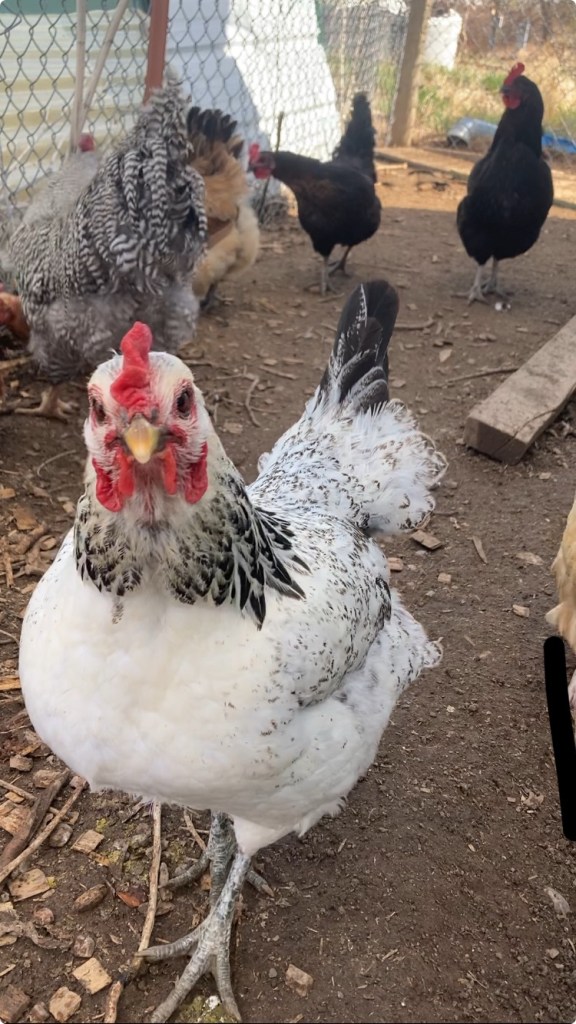
    When we first started raising our chickens, they were two or three days old. Little, fuzzy chicks are just about the cutest animals there are. As you are watching them in those first days, you want to control everything about their environment to protect them.

    We obsessed over giving them the correct feed and cleaning their water. They love to sit atop the waterer and poop directly down into the tray. Cleaning it became a chore multiple times per day. Chicks are also prone to something called ‘pasty butt’ which is basically a mean case of constipation that their delicate systems can’t handle. We would pick up each chick to check their butts and would perform the procedure of removing their pasty butt as if we were performing surgery. In those first days, we paid them almost constant attention.

    We rent the land that our flock is currently living on, and it is a fifteen minute drive from our house. This fact alone prevents us from controlling a lot of factors that we might otherwise have obsessed over in the beginning. Whether we were turning the heat lamp on and off or checking to make sure all of the chickens got in before their automatic door shut, those early days were filled with a lot of unnecessary trips to the coop.

    It wasn’t until a few months into this that we learned a key lesson. Even if we wanted to, we could not control all of the variables we were worrying about. If a fox got into the coop, we wouldn’t even know about it until the next day, let alone be able to do anything to stop it. You simply cannot live your life listing all of the things that could go wrong – you wouldn’t have time for anything else!

    Though we realized the importance of this lesson, it is not something that people naturally do. Like I said before, it is difficult to put this idea into practice. I told myself I could not control X, Y, or Z variable but the thought of it still consumed me. It wasn’t until later that I would be able to remind myself of this lack of control, as a daily practice, and then go the next step to put those thoughts out of my mind. For me, it was all about repetition. Eventually, it becomes habitual to recognize what you can and cannot control and then to put all irrelevant things out of your mind for the time being.

    Whether it is other people’s emotions or behavior, the state of the world at large, or the basic and inconvenient facts of life, we are constantly reminded of things we cannot control and we must take responsibility to shift our focus to those things we can control. We control our behaviors, our responses to situations, our efforts and how we use our time. We can control what we say, what we focus on, and what we can work toward.

    Everywhere you turn, you will find people who are fixated on listing the things of this world that they have zero control over. They remind you of the various ills befalling people, such as disease, economic hardship, and governmental abuses at home and abroad. Maybe they list some of the atrocities and disasters of history, both recent and remote. What begins in compassion or concern ends in powerlessness. In seeking control, one finds themselves controlled by others.

    Let me be the one to remind you today: it is not your responsibility to care for the world at large. It is your responsibility to put together your corner of the universe. You are not evil, cowardly, or ignorant for opting out of the hysteria in order to be more productive and efficient in your own life.

    I would go so far as to say that the inverse is true. Those people who make a habit of focusing on the things they cannot control are also the people who have little or no control over their own behavior, habits, or paths in life. They make demands of others which they cannot satisfy in themselves.

    This is not to say they are bad people – it is easy to fall into this pattern. Focusing on what one cannot control is easier than working on what we can control. We should remind ourselves daily that we control only a certain number of things, and it is not a shortcoming or a character flaw to focus only on those things we can influence. What would the alternative be? To lose sight of the things we can control so that we may pay attention to the things we don’t? That is the perfect way to lose everything.

    “I do what is mine to do, the rest does not disturb me.” – Marcus Aurelius

    Why does focusing on what we control not sound like enough? Because it is not glamorous. Watering and weeding the crop can be mundane. Focusing on our work has no monuments, no parades. It has no flags or banners. It is simple. Often filled with dirt and toil.

    Agitating under the weight of daily life and its monotony, we begin to look for a crown or a halo, some altar to worship at, some savior to rise from the crowd. Something to save us from the inconvenient task of putting our lives together one day at a time.

    I am not trying to sound aloof. More often than not, the routine of daily life is burdensome. Though I make gratitude a part of my daily practice, there are some days when that little voice in my head chirps up again: “What is the point? What is the point to any of this?” This is not an easy question to answer. Often, one can only answer it with the sum of the effort of their lives.

    I collect my eggs in the morning, plant my carrots in the garden beds. I hope there can be a new universe on the other side of my daily tasks. But we cannot always be looking elsewhere for a life to live.

    We cannot control where we begin but we can control the direction in which we journey. We cannot control the future but we can control the work we do today in the here and now.

    We should not look for things outside of ourselves but cultivate it mindfully in our own daily practices. If you desperately seek love in the external, you will not find it. But act with love in your own daily life and you will have all you want. You can seek money or you can create value. You can shout and beg for peace or you can foster connection and collaboration. You can give yourself over to desiring the results or you can learn to love the process. What world would you like to inhabit? Start building it with the bricks of your own habits.

    Focusing on what we control is part of the essential daily practice of accepting reality as it is. I always thought that accepting reality meant limiting my potential or that it meant others would have control over me. Once again, the opposite seems to be true. The more I focus on the work at hand, the quicker I can begin actually fulfilling my potential. The more I focus on observing and managing my own behavior, emotions, and thoughts, the less control other people have over me.

    There are many different behaviors and emotions which stem from losing sight of our circle of control. These can include comparisons, envy, jealousy, and impatience. We may become convinced that there is nothing within our control and this may lead to much anxiety and depression. Thankfully this is not true. The things we are capable of have always been enough to build a genuine and purposeful life. Don’t let the vague and desperate moans of others convince you that there is “no point” in trying.

    Practices and Meditations

    Learn to use your words. Communicating our thoughts and experiences can be a valuable tool in navigating the world outside our direct control. Just because you cannot control others does not mean you cannot communicate with them in a clear and concise manner. Ask for things you need, set proper boundaries, give a compliment, seek advice on things you are unsure about. Don’t assume others will know what you are experiencing if you remain silent. Don’t assume they will understand you as soon as you say something. This process lasts forever.

    Never disparage the act of trying. With yourself and with others – it is an unforgivable act to take the enthusiasm from someone’s honest efforts.

    Mind your business. Benjamin Franklin recommended the motto on our currency be “Mind Your Business”. I find this as relevant today as it was in 1776, since people seem to struggle with this tenet more than ever. It has two interpretations: the first would be to focus on your work, to be disciplined in commerce. The second would be to keep your nose out of other people’s business. They also seem to go hand in hand, for the more you are focused on your work, the less attention you are able to give to gossiping about your neighbor or passing judgments and regulations on the behavior of other people. Focusing on what you can control, on the work you are capable of doing and which sits in front of you waiting to be done, is the surest way toward peace and prosperity.