Bats, Moths, Spiders, and Other Creepy Critters
Bats are not the kind of cuddly creatures we imagine when talking about friends of the garden. They are not like butterflies or frogs or a yellow songbird. In the storybooks, they do not sing with the princess or guide the hero. They have been relegated to the dark and the macabre, associations with the suspect and with death. In short, they can be a bit spooky. There are plenty of other critters who are seen as creepy or undesirable, merely for their appearance or behavior. But these creepy critters are usually as beneficial, if not more so, than other, more desirable creatures and we should take the moment to celebrate them when we can.
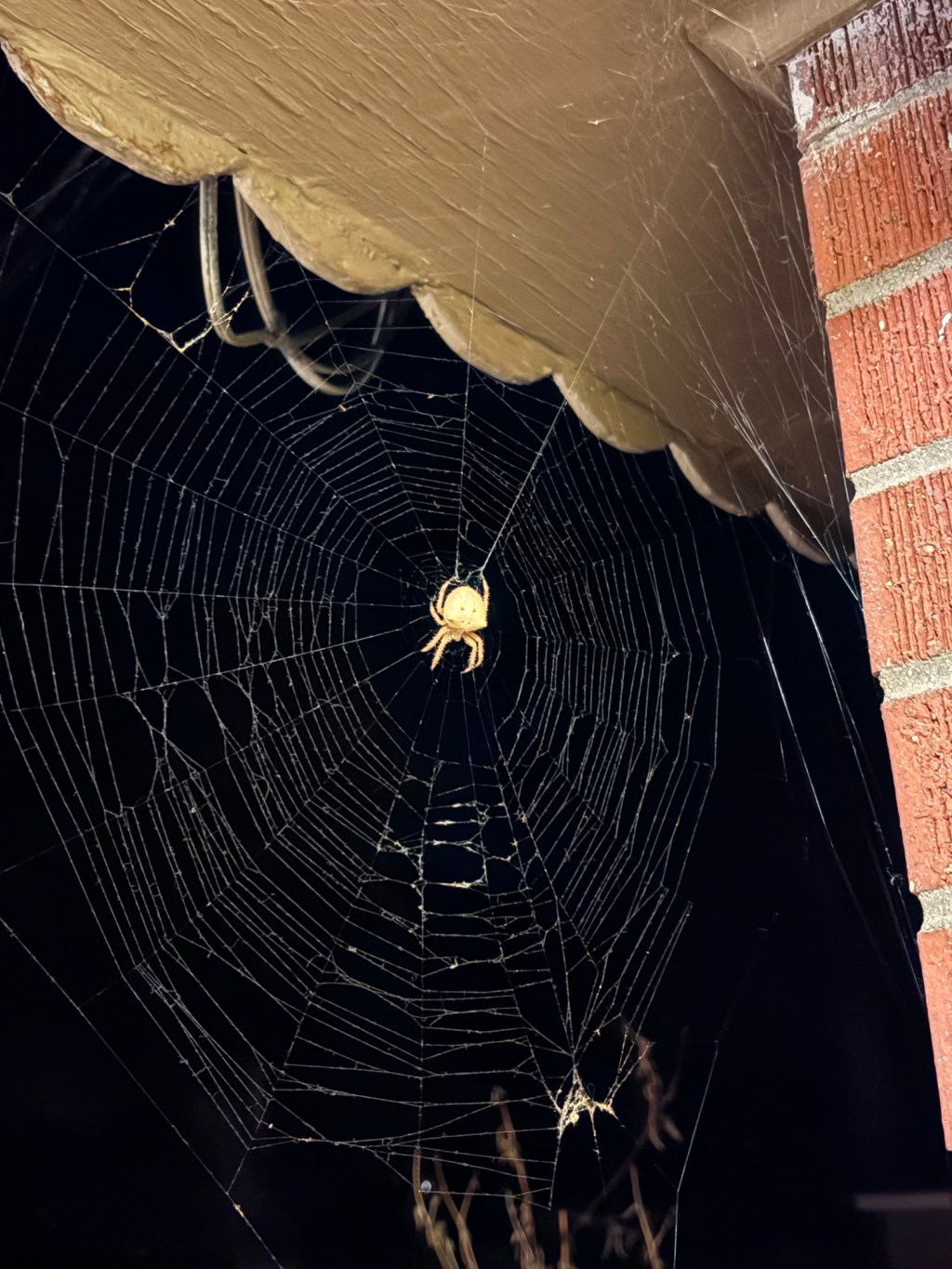
I love the creepy and the crawly. I have always had an affinity for both bugs and this spooky time of the year around Halloween. For the past month or so we have had a lodger come to stay with us and she puts up free Halloween decorations. The cat-faced spider, a type of orb weaver, looks quite intimidating at first. Anyone who finds spiders scary would find living with this one intolerable, most likely. She is large and fast, a sickly yellow color in the light, with two spikes on her round back and long, hairy legs. She repels from her web, dropping in one deft motion just like a droplet of rain. One’s first instinct may be to crush such a creature and to wipe the webs away from the corner where she made her refuge. But if one knows about her nature, knows her work and what she contributes, one could more easily recognize and celebrate her life and her beauty.
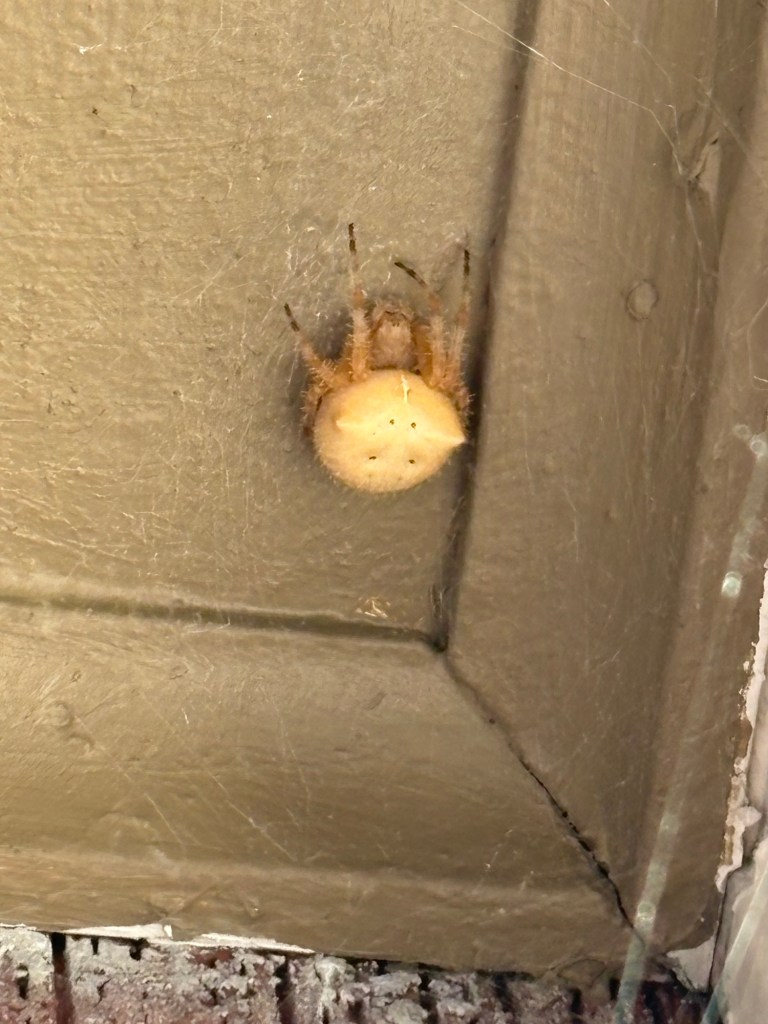
We do not crush spiders, especially those known for being beneficial to the garden. Our orb weavers help us manage the population of flying insects that so readily populate the garden’s atmosphere. Flies, mosquitos, moths on occasion. She does her goodwork so we can do ours. Why crush or banish something that is so integral to the health of our little patch of ground?
We invite the spiders in by planting our garden, giving them ample room for shelter and the very things which invite their food. Tall plants with sturdy stems, good soil, and many types of flowers can create an environment welcoming to the spiders most common to our gardens – the wolf spider, the jumping spider, the orb weaver, the yellow garden spiders. And of course, once they come to inhabit our space, being careful not to disturb their web or destroy their environment with chemicals and other methods of sterilizing the outdoors.
There are many other critters who get similar treatment, simply for the association we make in our minds. The average bat is nothing to be scared of and, in fact, could be something we give a lot of love and attention to in order to bring life to our gardens and more joy and pleasure to evenings typically overrun by mosquitos and other insects. Though bats have been maligned and misunderstood for a long time, they do their goodwork just like other things and contribute a pivotal role to the ecosystem as a result. Maybe you like spooky things like I do, and you can even appreciate them for that.
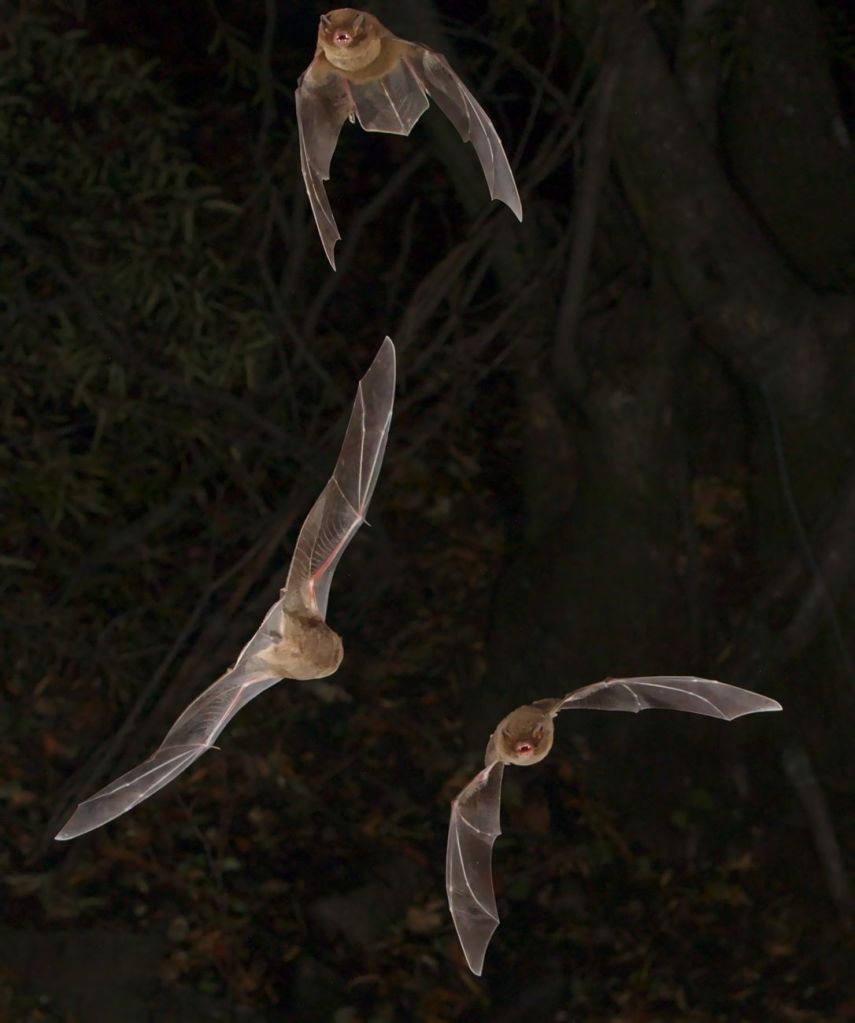
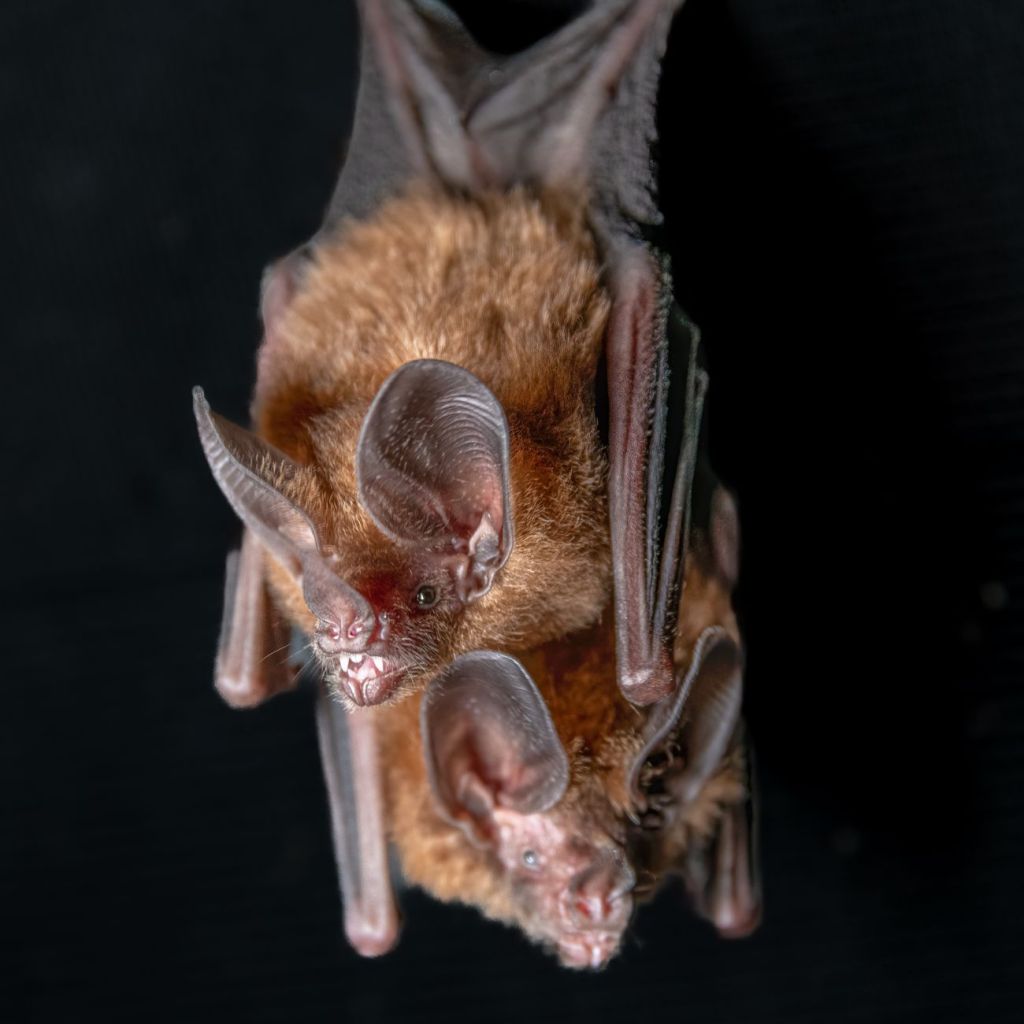
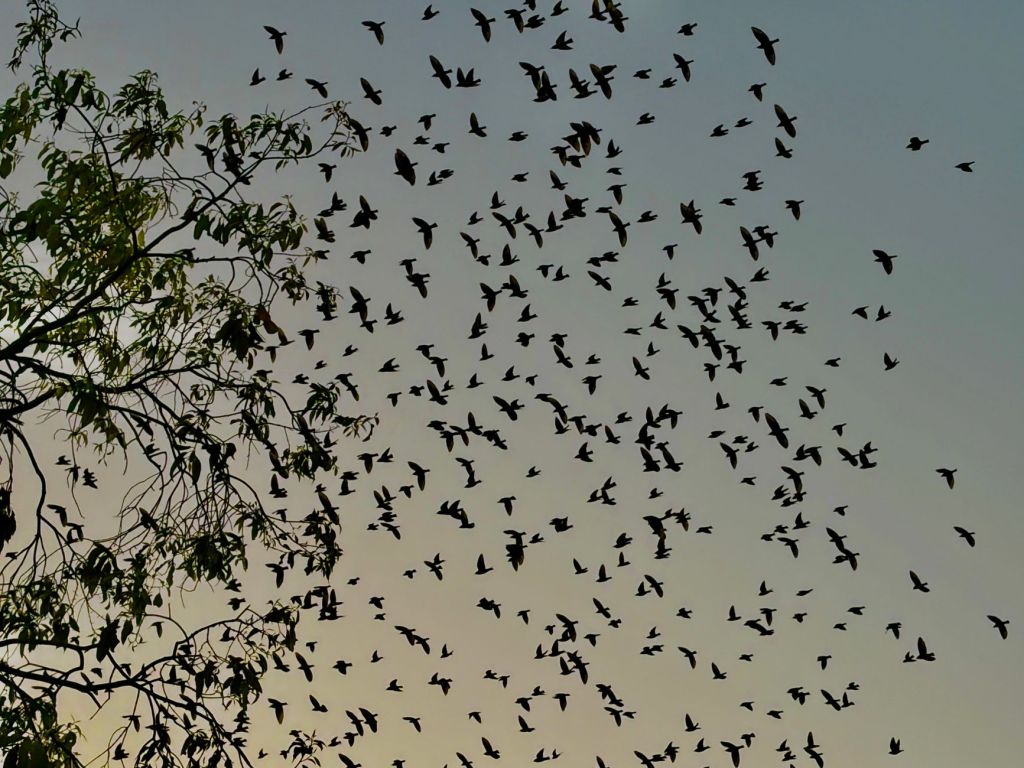
Some bats migrate, others stick around, some bats such as the Little Brown Bat can eat hundreds of mosquitos in a given night. They can occupy many habitats, including rocky canyons, grassy plains, and wooded forests. Knowing which varieties frequent your area can help you decide the best method to make a place for them. For example, where we live in Colorado there are about twenty common bat species.
I made an effort to speak with our local natural-areas advisors for tips on how an average person could help bat populations. I also asked people in my neighborhood if they had experience with bats or bat gardening and I got a ton of useful information. I recommend reaching out to your local professionals and even your neighbors to find out more about projects that could interest you.
You do not always have to provide shelter in order to care for or help wildlife, food and water sources can be much easier to cultivate or maintain and help visitors to your garden. Bat houses, while a thoroughly interesting and sometimes-useful project, have a somewhat lower occupancy rate. It may be more beneficial for us to plant a bat-friendly garden instead of building a bat house.
It can be frustrating to see all the bats flying around your neighborhood and not have any stop by to use your bat house. So why not provide for them in other ways? By cultivating part of your garden to attract critters that bats feed on, you can create many helpful opportunities for bats. Our local professionals recommended native, evening-blooming plants such as evening primrose, 4-oclocks, yucca, and mentzelia. These are fragrant and attract moths and insects which the bats will then feed on. Native trees and shrubs are important as well, acting as host plants for a variety of caterpillars and other insects.
As for water, bats typically drink in mid-flight, swooping down low to catch a drink without stopping to perch the same way birds do. If you have space in your yard for a large water feature such as a wildlife pond or the like, then this may serve to give bats a drink. Sources recommend a body of water 7-10 feet in diameter. But if you do not have the room for something that large, don’t despair! Any source of water can help insects flourish, and this will, in turn, help bats. It all goes around.
Now onto the topic of bat houses. There are a lot of details to this topic, as there are many variables to get correct if you want to help the bats without unintentionally creating a harmful situation. We do not want to introduce a bat population to disease or predators or lure them into our garden only to hurt them with pesticides or herbicides. The whole point is to help wildlife thrive and to do that we must know a bit more about this project.
Bat Conservation International recommends paying attention to six specific safety principles when installing a bat house: preventing the house from overheating, protecting the bats from predation, avoiding pesticides and herbicides, protecting bats from domestic pets, waiting for bats to find their house on their own, and observing them from a distance.
There are still more bugs that deserve our attention for the goodwork they do! We know about earthworms and butterflies. It is becoming somewhat normal to celebrate these critters and it feels easy because butterflies are usually colorful and beautiful to look at and worms are familiar and friendly-looking. But there are still more insects to appreciate, in spite of their appearance.
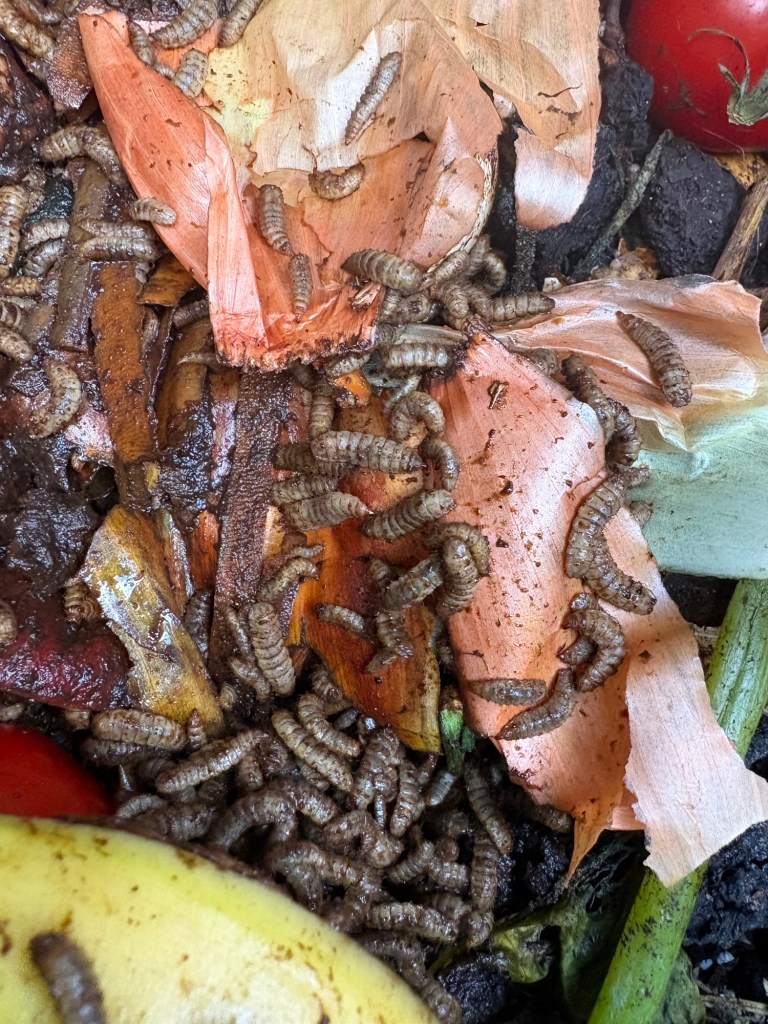
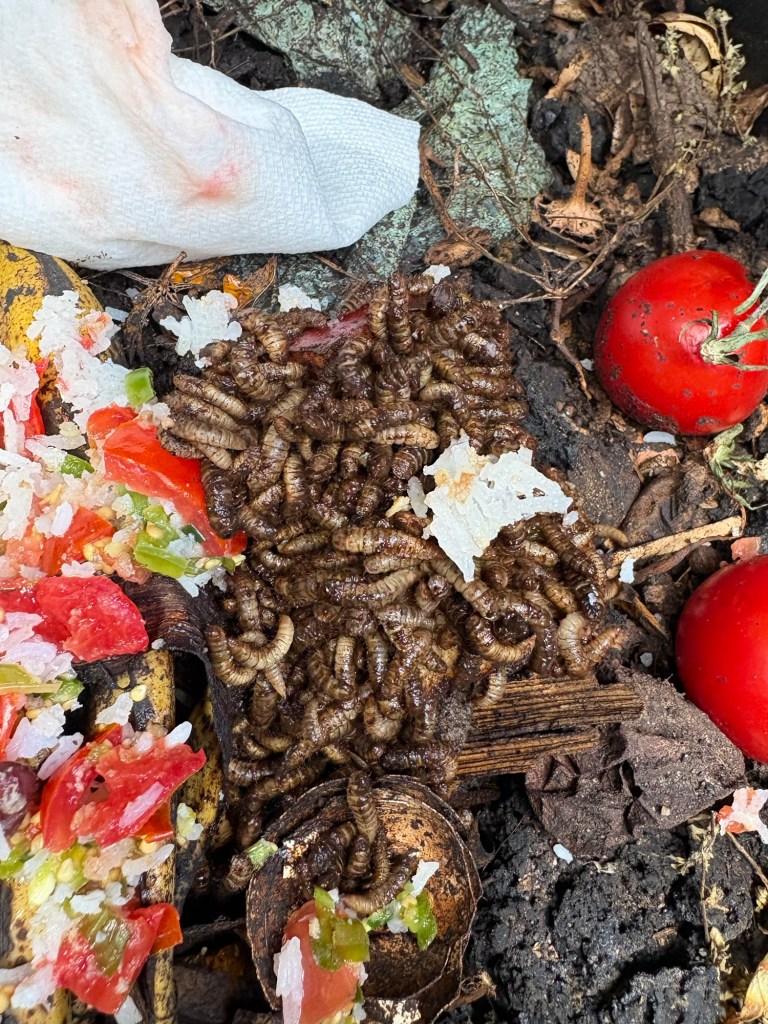
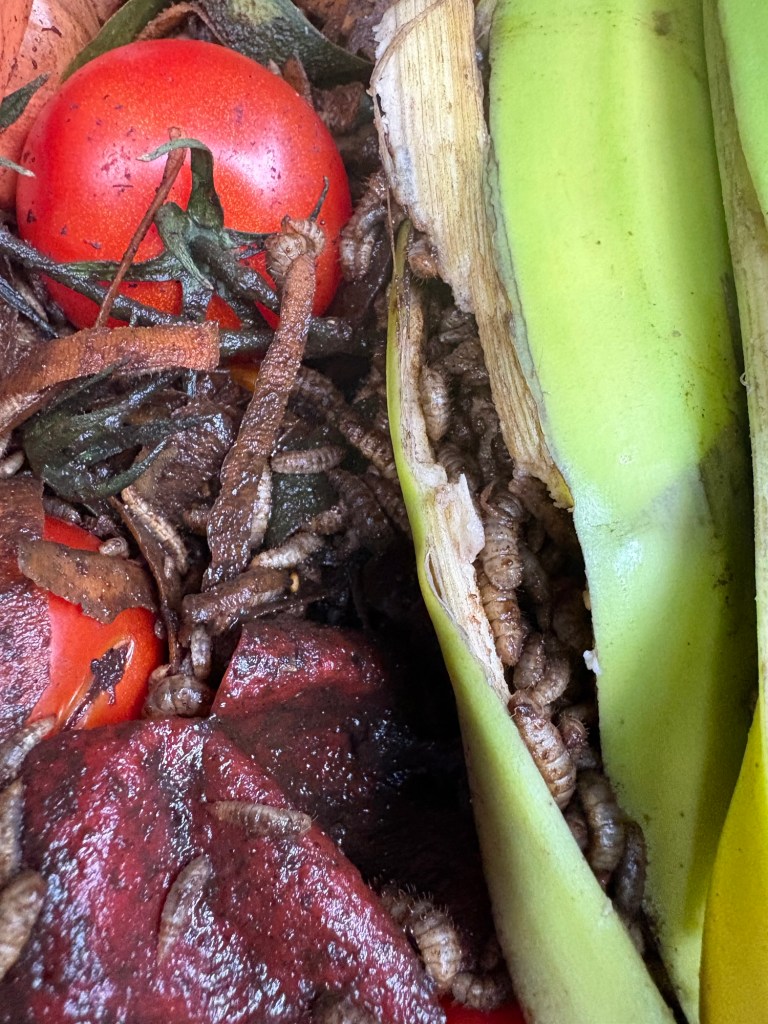
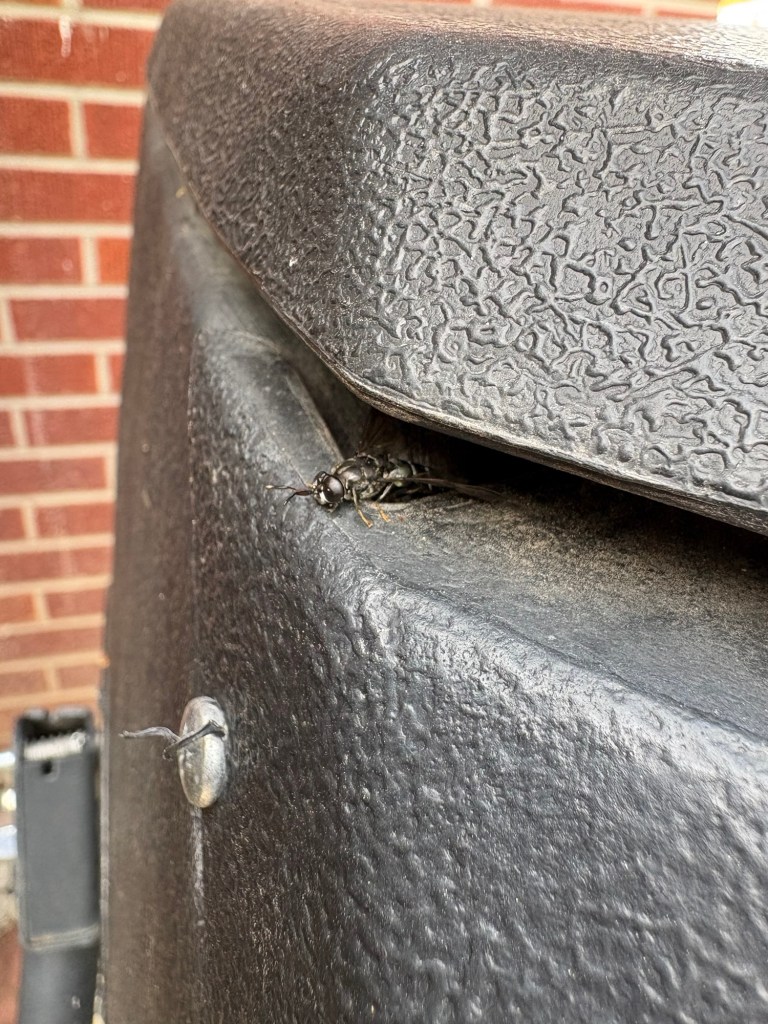
Our compost bin was recently host to a decomposer that we celebrate and cultivate, the Black Soldier Fly Larva. But these are bugs that look fairly disgusting and which may be associated with the lowly maggot or ideas of rot, decay, and foul smells. While they are certainly playing their part in the natural processes of rot and decay, there are no foul smells here to be had! The compost bin continues to break down these materials into a dark, rich compost and the larvae’s frass (their waste) is added to the compost’s fertility.
The flies themselves have no mouths or stingers so they cannot harm people, though their long, black bodies may remind them of a type of wasp. The larvae, doing their goodwork in breaking down our kitchen scraps, end up creating a massive amount of food for livestock or other birds – we have given our hens these larvae by the handful and they devour them greedily. In this way, a loop of waste can be closed but not only that, it can be turned to benefit, profit, abundance, and fertility.
The scraps from our kitchen become compost and bugs, the bugs become healthy chickens and eggs, the compost becomes healthy soil for the garden, and the garden ends up on our plate and in our bellies as tomatoes, squash, cucumbers, and the rest. What a powerful process, and all because we have learned to celebrate the rot and decay, we have cultivated a corner of our world for the lowly larva, the disgusting bug which might otherwise have been eradicated or destroyed.
The Power of Preference
It is at this point in the post that attention must be drawn to the fact that our power of choice in cultivating our own environments yields tremendous results, for better or for worse, when compounded over the entire population. It is the reality that people have a tremendous amount of influence over their environment without being entirely conscious of what this means. This prowess has created huge improvements in the quality of life but our blind spots to certain aspects of nature have also created havoc in the systems of plants and animals. It becomes clear that, for a creature to go on living, it must find a place in our psychology rather than just a niche in its environment.
When writing our ‘friends of the garden’ posts, it is difficult to elaborate on the intricacies of an ecosystem when there are very clear preferences being played out in the kind of environment humans tend to inhabit. It can be frustrating and a little disheartening to try to convince people that bugs should not be seen as pests, that moths and bats are inherently beautiful and valuable, not just as staples of a productive food web but in themselves as creatures of the universe, interesting and worthwhile as any other lifeform. You eventually come up against a lot of complacency and apathy. Moths and other bugs are seen as pests, so the pesticides come out. The poisoned insects become food for other animals which become sicker and sicker. Imbalances create ecological issues and the delicate balance we rely on demands evermore intricate technological intervention. All this because the moth is not as graceful as the butterfly.
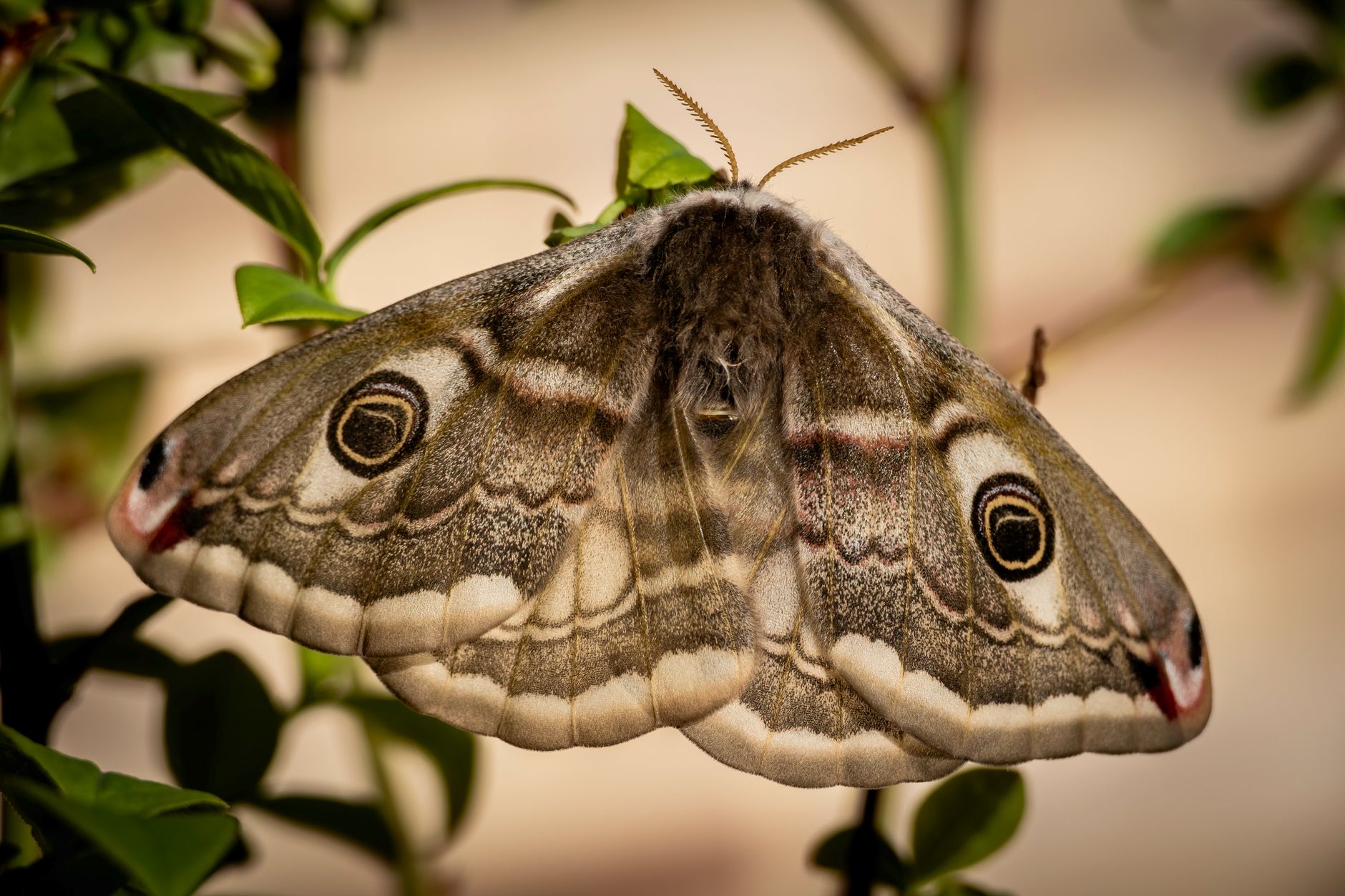
One day, when we reconcile ourselves to the nature of our psychology, we will see that we are inextricably linked to the seemingly spontaneous operations of nature. As long as we reduce, deemphasize, trivialize, or ignore certain aspects of ourselves, it will inevitably follow that parts of nature will suffer. We wield power over nature and environment that is disproportionate when compared to the power we wield over our own minds.
Which is why I love this season so much. It provides for us a moment to contemplate the parts of ourselves that we typically avoid or have little relationship with – death and decay, frights and fears, the things that haunt us or gross us out, the things which are swept under the rug, sanitized, or ignored the rest of the year.
We celebrate them in this spooky season, we put out spiderwebs and fake bugs, skeletons, ghosts, zombies eating brains. So, this October, consider inviting the real spiders to stay in your garden (doesn’t have to be your living room!), create a corner of your world for rot and decay to take their natural course, celebrate the macabre and the terrifying and the lowly. The spiders, the bats, the moths, the larvae. These are part of the natural world and they are part of us. We find them haunting and beautiful as they put together their corner of the universe.

