Focus on what you can control
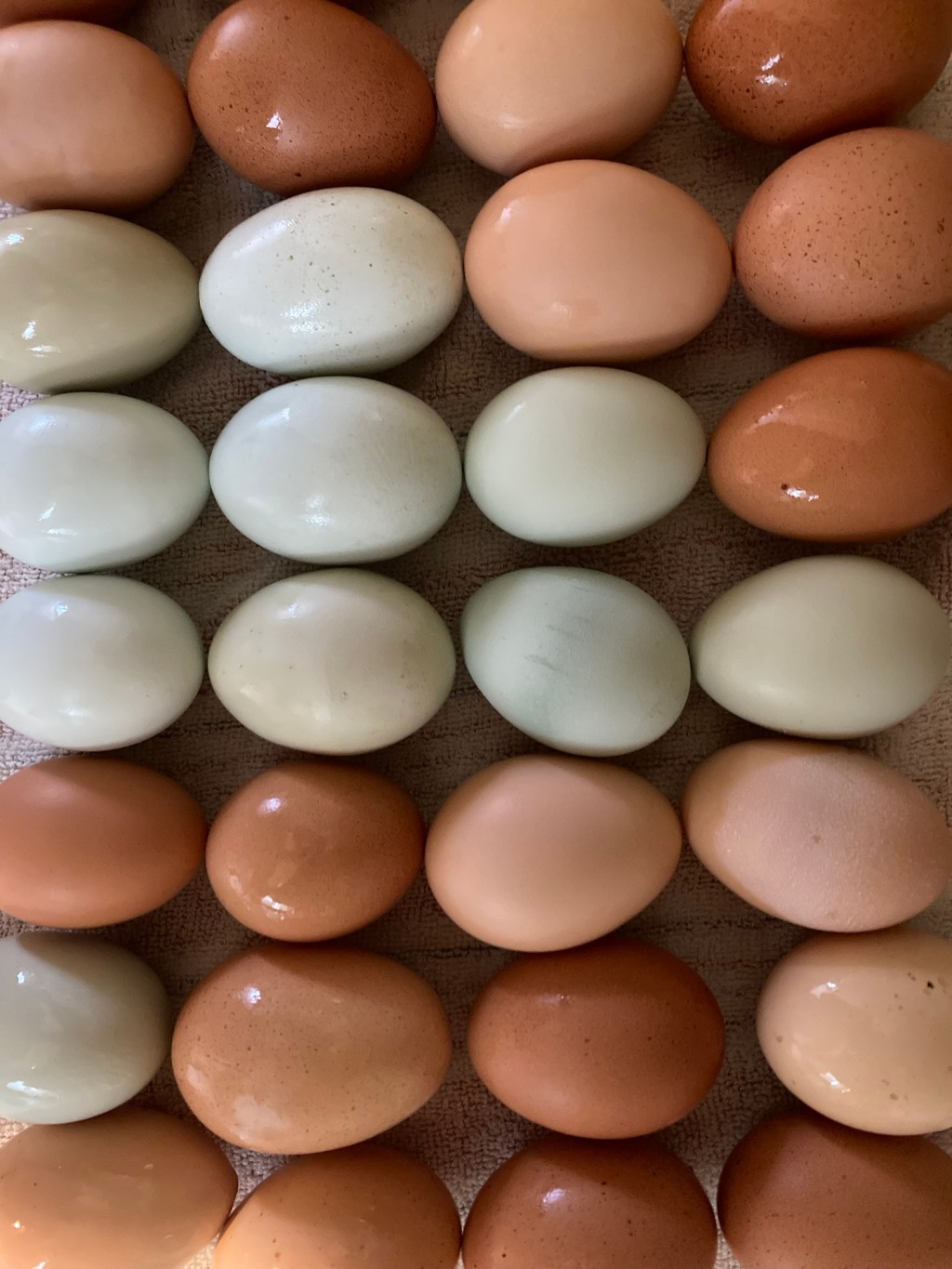
The lessons of life wait to be unraveled from the plainest of circumstances. Collect the chicken eggs and the mind wanders. Work in the quiet and you will learn many lessons. This one is straightforward, though difficult to put into practice.
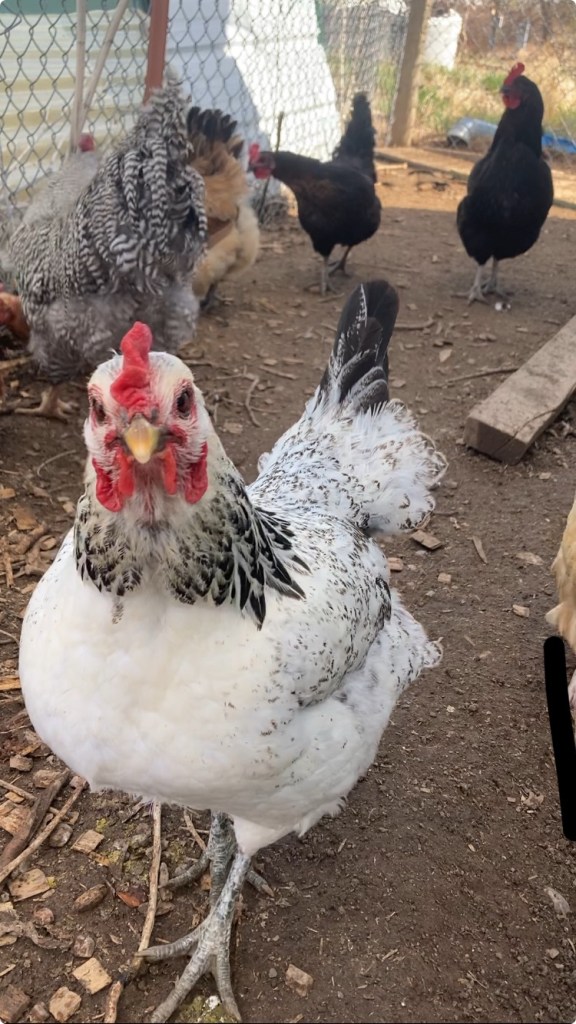
When we first started raising our chickens, they were two or three days old. Little, fuzzy chicks are just about the cutest animals there are. As you are watching them in those first days, you want to control everything about their environment to protect them.
We obsessed over giving them the correct feed and cleaning their water. They love to sit atop the waterer and poop directly down into the tray. Cleaning it became a chore multiple times per day. Chicks are also prone to something called ‘pasty butt’ which is basically a mean case of constipation that their delicate systems can’t handle. We would pick up each chick to check their butts and would perform the procedure of removing their pasty butt as if we were performing surgery. In those first days, we paid them almost constant attention.

We rent the land that our flock is currently living on, and it is a fifteen minute drive from our house. This fact alone prevents us from controlling a lot of factors that we might otherwise have obsessed over in the beginning. Whether we were turning the heat lamp on and off or checking to make sure all of the chickens got in before their automatic door shut, those early days were filled with a lot of unnecessary trips to the coop.
It wasn’t until a few months into this that we learned a key lesson. Even if we wanted to, we could not control all of the variables we were worrying about. If a fox got into the coop, we wouldn’t even know about it until the next day, let alone be able to do anything to stop it. You simply cannot live your life listing all of the things that could go wrong – you wouldn’t have time for anything else!
Though we realized the importance of this lesson, it is not something that people naturally do. Like I said before, it is difficult to put this idea into practice. I told myself I could not control X, Y, or Z variable but the thought of it still consumed me. It wasn’t until later that I would be able to remind myself of this lack of control, as a daily practice, and then go the next step to put those thoughts out of my mind. For me, it was all about repetition. Eventually, it becomes habitual to recognize what you can and cannot control and then to put all irrelevant things out of your mind for the time being.

Whether it is other people’s emotions or behavior, the state of the world at large, or the basic and inconvenient facts of life, we are constantly reminded of things we cannot control and we must take responsibility to shift our focus to those things we can control. We control our behaviors, our responses to situations, our efforts and how we use our time. We can control what we say, what we focus on, and what we can work toward.
Everywhere you turn, you will find people who are fixated on listing the things of this world that they have zero control over. They remind you of the various ills befalling people, such as disease, economic hardship, and governmental abuses at home and abroad. Maybe they list some of the atrocities and disasters of history, both recent and remote. What begins in compassion or concern ends in powerlessness. In seeking control, one finds themselves controlled by others.
Let me be the one to remind you today: it is not your responsibility to care for the world at large. It is your responsibility to put together your corner of the universe. You are not evil, cowardly, or ignorant for opting out of the hysteria in order to be more productive and efficient in your own life.
I would go so far as to say that the inverse is true. Those people who make a habit of focusing on the things they cannot control are also the people who have little or no control over their own behavior, habits, or paths in life. They make demands of others which they cannot satisfy in themselves.
This is not to say they are bad people – it is easy to fall into this pattern. Focusing on what one cannot control is easier than working on what we can control. We should remind ourselves daily that we control only a certain number of things, and it is not a shortcoming or a character flaw to focus only on those things we can influence. What would the alternative be? To lose sight of the things we can control so that we may pay attention to the things we don’t? That is the perfect way to lose everything.
“I do what is mine to do, the rest does not disturb me.” – Marcus Aurelius
Why does focusing on what we control not sound like enough? Because it is not glamorous. Watering and weeding the crop can be mundane. Focusing on our work has no monuments, no parades. It has no flags or banners. It is simple. Often filled with dirt and toil.
Agitating under the weight of daily life and its monotony, we begin to look for a crown or a halo, some altar to worship at, some savior to rise from the crowd. Something to save us from the inconvenient task of putting our lives together one day at a time.
I am not trying to sound aloof. More often than not, the routine of daily life is burdensome. Though I make gratitude a part of my daily practice, there are some days when that little voice in my head chirps up again: “What is the point? What is the point to any of this?” This is not an easy question to answer. Often, one can only answer it with the sum of the effort of their lives.
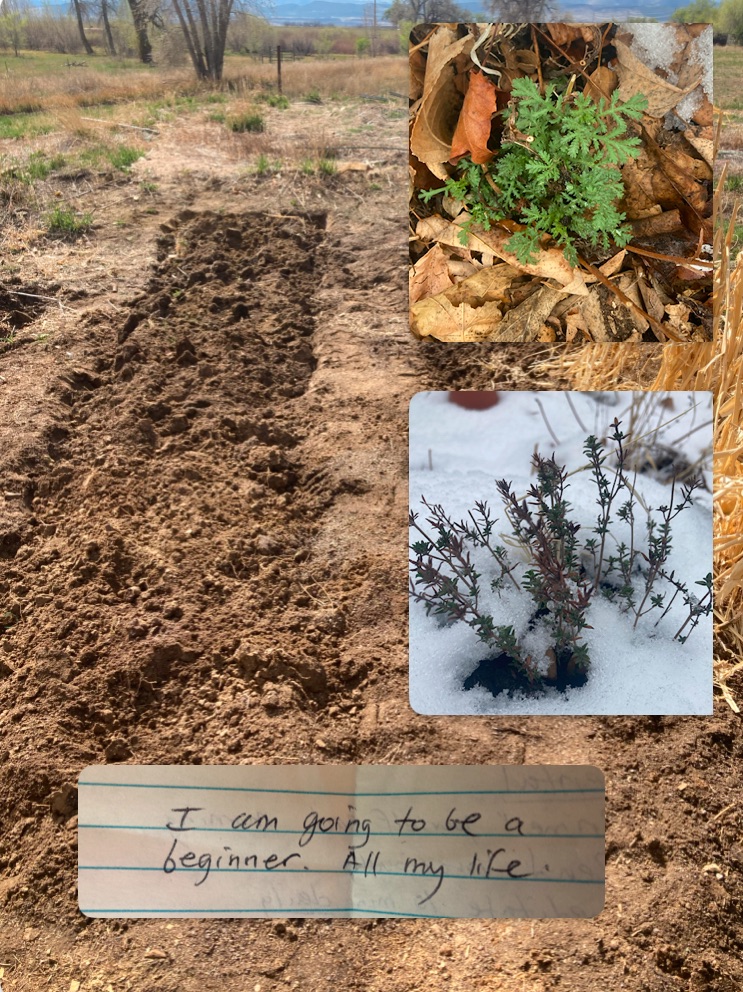
I collect my eggs in the morning, plant my carrots in the garden beds. I hope there can be a new universe on the other side of my daily tasks. But we cannot always be looking elsewhere for a life to live.
We cannot control where we begin but we can control the direction in which we journey. We cannot control the future but we can control the work we do today in the here and now.
We should not look for things outside of ourselves but cultivate it mindfully in our own daily practices. If you desperately seek love in the external, you will not find it. But act with love in your own daily life and you will have all you want. You can seek money or you can create value. You can shout and beg for peace or you can foster connection and collaboration. You can give yourself over to desiring the results or you can learn to love the process. What world would you like to inhabit? Start building it with the bricks of your own habits.
Focusing on what we control is part of the essential daily practice of accepting reality as it is. I always thought that accepting reality meant limiting my potential or that it meant others would have control over me. Once again, the opposite seems to be true. The more I focus on the work at hand, the quicker I can begin actually fulfilling my potential. The more I focus on observing and managing my own behavior, emotions, and thoughts, the less control other people have over me.
There are many different behaviors and emotions which stem from losing sight of our circle of control. These can include comparisons, envy, jealousy, and impatience. We may become convinced that there is nothing within our control and this may lead to much anxiety and depression. Thankfully this is not true. The things we are capable of have always been enough to build a genuine and purposeful life. Don’t let the vague and desperate moans of others convince you that there is “no point” in trying.
Practices and Meditations
Learn to use your words. Communicating our thoughts and experiences can be a valuable tool in navigating the world outside our direct control. Just because you cannot control others does not mean you cannot communicate with them in a clear and concise manner. Ask for things you need, set proper boundaries, give a compliment, seek advice on things you are unsure about. Don’t assume others will know what you are experiencing if you remain silent. Don’t assume they will understand you as soon as you say something. This process lasts forever.
Never disparage the act of trying. With yourself and with others – it is an unforgivable act to take the enthusiasm from someone’s honest efforts.
Mind your business. Benjamin Franklin recommended the motto on our currency be “Mind Your Business”. I find this as relevant today as it was in 1776, since people seem to struggle with this tenet more than ever. It has two interpretations: the first would be to focus on your work, to be disciplined in commerce. The second would be to keep your nose out of other people’s business. They also seem to go hand in hand, for the more you are focused on your work, the less attention you are able to give to gossiping about your neighbor or passing judgments and regulations on the behavior of other people. Focusing on what you can control, on the work you are capable of doing and which sits in front of you waiting to be done, is the surest way toward peace and prosperity.
 Goodwork Almanac